
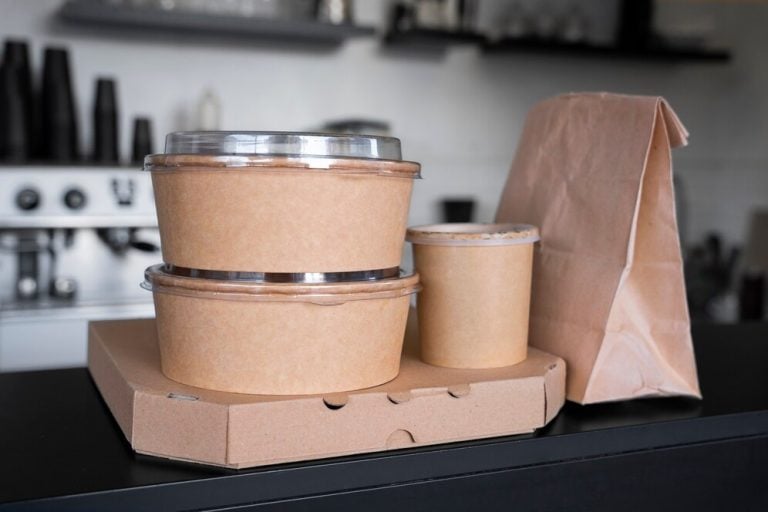

You’re standing in the grocery store, eyes scanning rows of colorful boxes and bags. In that moment, a silent conversation begins. The packaging whispers to you, telling stories of flavor, health, and convenience. But here’s the twist: you’re not just choosing food. You’re decoding a complex language of design, psychology, and marketing.
Think about it. When was the last time you truly examined why you reached for one product over another? Was it the vibrant hues that caught your eye? The eco-friendly label that aligned with your values? Or perhaps the sleek, minimalist design that promised sophistication?
In 2024, food packaging isn’t just a wrapper – it’s a powerful communication tool. It’s the first handshake between a product and a potential buyer. And in a world where the average supermarket carries over 40,000 items, that first impression can make or break a sale in seconds.
But here’s where it gets fascinating: the influence of packaging goes far deeper than we realize. It taps into our subconscious, triggering emotions and associations we’re often unaware of. For a deeper understanding of how product packaging influences customer perception and sales, check out this informative article on the role of effective product packaging.
For those looking for inspiration, explore these excellent product packaging examples that can elevate your sales game. Understanding the impact of design through various successful models can provide valuable insights into what makes packaging not just informative but an effective sales tool as well. Check out this article on packaging examples that can significantly increase your sales.
So, the next time you’re pushing your cart of packed food down the aisle, pause for a moment. Look closer. What stories are the packages telling you? What desires are they awakening? Because in the grand theater of consumer choice, food packaging isn’t just the stage – it’s a lead actor, shaping our decisions in ways we’re only beginning to understand.
Save 80% of delivery management time
We handle everything:
- Dedicated operations manager
- Real-time tracking dashboard
- Automated customer notifications
- Urgent issue resolution
Understanding Food Packaging’s Impact on Consumer Choices
-
Packaging influences buying decisions with design and material.
-
Colors and shapes matter in creating emotional responses.
-
Design, sustainability, and convenience shape consumer perception.
Key Factors in Consumer Decisions
Importance of First Impressions in Packaging
First impressions have enormous power in consumer choices. Packaging is like a product’s face. If it is dull, people might pass by without a second glance. Around 72% of American consumers admit that the design of packaging impacts their buying decisions. This is because packaging serves as the first line of communication between the product and the consumer. As the focus on environmental issues intensifies, brands are increasingly urged to adopt sustainable approaches to packaging. This shift is not merely a trend; it reflects a broader consumer demand for eco-conscious alternatives. For a look at the most promising eco-friendly packaging solutions set to shape the industry by 2025, check out this insightful article on eco-friendly product packaging solutions.
Businesses often invest in packaging as a way to distinguish themselves in a crowded market. Packaging not only draws attention but also tells a story about the brand. The choice of materials for packaging is crucial, with 67% of consumers stating that they care about the materials used ipsos.com. Sustainable options are becoming more popular, impacting decisions at the point of sale. The significance of product packaging goes beyond aesthetics; it plays a crucial role in shaping customer perceptions and driving sales. For an in-depth look at how product packaging influences these aspects, check out our article on the impact of product packaging on customer perception and sales.
Factors that Drive Consumer Choices at the Point of Purchase
At the moment of purchase, several packaging elements come into play. Color, shape, texture, and the information displayed play big roles in decision-making. A study revealed that 81% of consumers tried something new simply because the packaging caught their eye. Factors that enhance transparency and reliability can sway a decision as subtle as a well-placed logo or clever tagline.
Consumers are increasingly seeking value beyond the product itself. Packaging now reflects a broader consumer focus on convenience and sustainability. Packaging that highlights eco-friendliness, for instance recycling, aligns with a growing desire for sustainable living. This focus on health and wellness also extends to dietary supplements, with packaging for products like probiotics for women emphasizing natural ingredients and specific health benefits.
This shift indicates a rising priority for packaging that not only looks good but meets evolving consumer values. As a result, many brands are exploring innovative methods to improve their packaging sustainability.
The Psychological Aspect of Packaging
The Role of Colors, Shapes, and Text in Packaging
Colors and shapes are not just visual features. They impact perception and trigger emotions. Nikki Clark from Graphic Packaging International notes that “Consumers make a subconscious judgment about a product in less than 90 seconds of viewing it, and 62-90% of them base that assessment solely on color.” Colors can suggest freshness, quality, or luxury. Greens and blues might hint at sustainability or healthiness, aligning with major consumer trends.
Shapes and text add another layer of persuasion. Curved shapes often bring a sense of fun or luxury, while straight lines convey strength or reliability. Text influences perceptions, too—it can project authority, creativity, or a caring attitude. For instance, larger text with a bold font might scream ‘important’ or ‘trustworthy.’
How Consumer Emotions are Affected by Packaging Design
Packaging not only appeals to logic but also evokes emotional reactions. Emotions guide purchasing behaviors, often even more than conscious thoughts. Packaging can elicit feelings of joy, nostalgia, or excitement. Emotional appeal compels consumers to choose one product over another, even when the logical differences are small.
Designers often turn to psychological principles, considering how packaging can resonate emotionally. It can be as simple as presenting past experiences or cherished memories. When packaging connects with a consumer’s emotions, it elevates the whole experience, turning a simple grocery trip into a meaningful interaction.
Exploring Food Packaging Design Trends
-
Minimalistic designs cut through the noise to grab consumer attention.
-
Bold colors make products stand out and communicate brand messages.
-
Innovations with tech drive the future of packaging solutions.
Current Trends Shaping Packaging
Minimalistic Design and Its Influence
Minimalism in food packaging means “less is more.” This approach strips packaging down to only the essentials. Minimalistic designs use clean lines, simple fonts, and uncluttered layouts. This can help products stand out on crowded shelves by letting them speak for themselves. Simple packaging often signals a product’s premium quality. Consumers may associate the neat design with sophistication.
Further, minimalism reduces waste. Less material use leads to food production with lower environmental impact. Some brands are opting for minimal packaging to align with consumers who value sustainability.
Use of Bold and Vibrant Colors in Modern Packaging
Bold colors catch the eye. Advertisers and designers use color to evoke emotions and communicate messages. Vibrant packaging can suggest freshness, health, or luxury. For example, red can evoke excitement or energy, while green often signifies natural or eco-friendly products.
Many brands capitalize on these color associations to build or reinforce their brand image. According to WePack, bright colors effectively capture consumer attention. The key is consistency. A brand’s use of color can become a recognizable aspect of its identity, prompting quicker recognition and preference among shoppers.
Future Trends in Food Packaging
Innovations Likely to Emerge in the Coming Years
Packaging is more than protection; it’s a medium for innovation. Future trends plastic packaging will likely focus on sustainability and consumer interaction. Edible packaging and biodegradable materials are gaining traction, driven by growing environmental and human health concerns. The focus on eco-friendly materials could help mitigate waste issues, satisfying environmentally conscious consumers.
Interactive packaging, triggered by technology, might include augmented reality experiences that engage buyers directly through their devices. This type of interactivity could include virtual cooking tips or nutritional information.
Technology’s Role in Developing New Packaging Solutions
Technology plays a key role in transforming the packaging industry. Smart packaging equipped with NFC and QR codes can connect consumers with a wealth of real-time information, such as product freshness or sourcing details. ADCO Manufacturing highlights the rise of NFC and AR, which enhance consumer interactions.
AI is increasingly integrated into design processes. With digital print and machine learning tools, designers can refine concepts more efficiently. AI facilitates personalized packaging experiences. For instance, dynamic printing technology could generate customized labels based on consumer purchase history or preferences.
Real-time analytics will be essential for packaging innovation, allowing companies to adjust to consumer demands rapidly. Companies that monitor these trends are likely to stay competitive as the food processing, packaging and distribution market continues to grow, projected to reach USD 808.40 billion by 2032, according to Fortune Business Insights.
The Science of Consumer Psychology and Packaging
-
Better packaging influences consumer decisions.
-
Cultural factors and psychology shape buying behavior.
How Consumers Perceive Packaging
Psychological Hooks That Increase Appeal
In the world of consumer psychology, packaging isn’t just a container. It serves as a powerful tool that can sway purchasing decisions. One key element is the use of psychological hooks. These are specific design elements that marketers use to grab attention or persuade. For instance, visual cues like contrast and symmetry can significantly enhance the perceived value of a product. When a package looks well-balanced, it can project reliability and quality, making consumers more willing to spend money.
Additionally, incorporating recognizable symbols or shapes can evoke feelings of nostalgia or happiness. This is especially true in the food industry—think of the classic Coca-Cola bottle shape, which instantly conveys a sense of tradition. Understanding and leveraging these psychological hooks can make products more desirable.
Common Packaging Elements That Attract Attention
Certain packaging features consistently draw the eye. Bright colors and unique textures serve as instant attention-grabbers on store shelves. Besides this, strategic placement of product information and brand logos on active packaging can also help. For example, placing the brand logo at the top of the package with a contrasting background can enhance brand recall.
Fonts play a critical role too. Bold, clear text can communicate the product’s benefits more effectively than a crowded, smaller-font design. This is why many successful products use minimal text on the front of their packaging. Keeping information straightforward and focused assists consumers in making quick decisions.
Cultural Influences on Packaging Preferences
Regional Preferences That Impact Design
Cultural differences lead to varied packaging preferences across regions. In Asia, subtlety and elegance often take precedence, which explains the widespread use of minimalist packaging with muted colors. Conversely, in Western markets, bold and vibrant designs are more common, reflecting a focus on individuality and personal expression.
Factors such as language, symbols, and color significance can dramatically alter a a food product name’s reception. In China, for instance, red is often used to make food products symbolize good luck, while in the Middle East, it might represent danger or caution. Brands aiming for global reach must therefore adapt packaging styles to fit local tastes and cultural meanings.
Global Brands Adapting Packaging for Different Markets
Brands with a global presence often modify their packaging to align with diverse market preferences. Coca-Cola, for example, uses its classic glass bottle across the globe but tweaks packaging colors and languages according to local contexts and consumers’ preferences. Different strategies can help increase acceptance and boost sales in regional markets.
Adapting packaging to suit cultural nuances isn’t merely about translation. It’s about reimagining aspects like imagery, symbolism, and even product descriptors to resonate with the regional ethos. This level of customization allows brands to foster a local connection, thereby enhancing consumer trust and loyalty.
By understanding the psychological principles and cultural factors that influence packaging design, professionals can create more effective consumer products. Packaging serves as a communication tool, conveying product values and capturing consumer interest from the shelf. As we look ahead, the importance of staying updated on design trends cannot be overstated. Exploring the top key elements of product packaging design for 2025 can provide valuable insights for brands aiming to remain competitive in a rapidly evolving market.
Sustainable Packaging Solutions and Consumer Preferences
-
74% willing to pay more for sustainable.
-
Eco-friendly choices impact buying decisions.
-
Brands embracing green practices gain popularity.
Eco-Friendly Packaging Options
Incorporating sustainable materials into packaging has become essential as consumers demand greener solutions. Materials like biodegradable plastics, recycled paperboard, and plant-based fibers are popular options. Biodegradable plastics break down naturally, causing less environmental harm. Recycled paperboard offers a way to reuse materials, reducing the need for new paper resources. Plant-based materials provide renewable alternatives to traditional packaging components, easing the reliance on fossil fuels. The broad use of these materials aims to cut carbon footprints, aiding efforts in combating environmental issues.
Some companies are paving the way by prioritizing sustainability. For instance, Loop, a zero-waste platform, utilizes returnable and reusable packaging. By collaborating with retail giants like Walmart and Carrefour, Loop ensures that packaging is collected and reused, setting an industry-standard recycling process. These practices offer insight into successful sustainability integration. Nestlé, for another example, plans to make all its packaging recyclable or reusable by 2025, showing the food industry’s serious commitment to green efforts.
Consumer Response to Sustainable Packaging
Sustainable packaging has a noticeable effect on consumer purchasing decisions. With 74% of consumers willing to pay more for eco-friendly options, the drive for environmental responsibility is growing. This willingness signals a shift from conventional decision-making based solely on price and quality. Many have made sustainability a central part of their purchasing criteria, with 50% ranking it among their top four considerations; 74% of consumers are willing to pay more for products with sustainable packaging.
The popularity of brands embracing green initiatives further highlights the shift in consumer mindset. Brands like Starbucks and Unilever invest heavily in sustainable packaging to align with consumer demands. Starbucks has introduced compostable and recyclable coffee cups to replace single-use alternatives. Unilever’s concentrated efforts to cut plastic use have increased its consumer appeal. These efforts have had significant commercial success, enhancing brand loyalty and consumer trust.
Market Challenges and Considerations
Despite the trend towards green packaging, challenges remain in its adoption. Cost and supply chain limitations frequently hinder broader implementation. Producing eco-friendly packaging may involve higher initial costs compared to traditional packaging materials, putting pressure on margins. This poses a significant barrier for smaller companies with tighter budgets. Additionally, sourcing materials that maintain consistent quality and supply can limit options available to businesses attempting to scale green initiatives.
Overcoming these challenges necessitates strategic investments and partnerships. Companies like Dell and IKEA manage to balance these concerns by investing in sustainable technologies and fostering collaboration across industries. IKEA’s focus on renewable materials and energy-efficient practices demonstrate how large organizations can drive sustainable change while managing costs effectively.
The Role of Regulation and Policy
Government regulations play a crucial role in advancing sustainable packaging. Policies like the EU’s Single-Use Plastics Directive push industries toward more sustainable practices, banning single-use plastic items. These regulations compel companies to innovate and adopt eco-friendly materials. In contrast, lackadaisical policies could slow momentum, emphasizing the need for government action to propel the movement forward.
In the U.S., individual states often lead the charge on policy development, with California implementing ambitious packaging waste reduction programs. These regulatory frameworks mandate recyclable or compostable alternatives, nudging companies towards greener choices. Understanding legislative impacts and opportunities can further be explored through resources available at the World Packaging Organization, which provides insights into global packaging standards and waste management initiatives.
Consumers and The Future of Packaging
With increasing awareness and concern for the environment, consumer preferences continue to shape the future of packaging. As people demand more accountability from brands, the expectation for transparent, authentic efforts grows. Cory Connors captured this dynamic shift by noting, “There have been some major shifts from 10 years ago to today…companies are realizing that it’s not enough to say something is sustainable; it needs to be shown.” This push signifies the importance of evidence in sustainability claims and the growing consumer consciousness.
The upward trend in eco-friendly packaging suggests a broader transformation in consumer consciousness yet highlights opportunities for further alignment between consumer values external environment and brand practices. As businesses navigate this evolving landscape, staying informed through up-to-date resources like “Worldwatch Institute’s State of the World” reports can provide current insights into sustainable practices and consumer trends.
Visual Marketing in Food Packaging: Driving Decisions
-
Images and colors shape expectations and influence purchasing.
-
Packaging reflects brand identity and consumer engagement.
-
Explore psychological effects and real-world examples.
Role of Visual Cues in Packaging
Visual elements in packaging play a critical role in setting consumer expectations and guiding their choices. Images and colors aren’t just decorative; they communicate specific messages about the product inside. For example, vibrant red can suggest excitement or hunger, while green often conveys freshness or healthiness. These color cues can influence perceptions before the consumer even reads a word on the package.
Beyond just color, the imagery used on processed food packaging – such as photography of the product in use or a close-up of ingredients – can create an expectation of quality food safety or experience.
Brand Identity Through Packaging
Packaging serves as a canvas through which brands convey their identity and establish a connection with consumers. Every element—from color schemes to packaging material and choice—reflects the brand’s values and personality. When it comes to successful examples, Häagen-Dazs has expertly used clean designs paired with rich colors to evoke a sense of premium indulgence, aligning with its positioning as a luxury ice cream brand. These design choices create an emotional connection between the product and the consumer, reinforcing brand loyalty.
Psychological Influence of Packaging Design
The psychology behind packaging design delves into understanding how design decisions affect consumer behavior at a subconscious level. Psychological principles can be applied to packaging to evoke certain emotions or actions. For instance, using symmetry in design can make a product feel more harmonious and balanced, elements that are pleasing to the human eye and can create a calming effect. Asymmetry, on the other hand, might attract attention more effectively due to its unexpected nature.
Arguments For and Against Visual Marketing in Packaging
The effectiveness of visual marketing in packaging is well-documented, yet not without its critics. Proponents argue that compelling packaging can significantly enhance visibility and consumer engagement, providing strong competitive advantages. Visual cues can take the ordinary to extraordinary, creating a seamless extension of the brand and enhancing product perception.
However, critics suggest that over-reliance on visuals can detract from other important elements like product quality or sustainability. There is a risk that excessive focus on superficial appeal might lead brands to neglect the underlying product excellence. Additionally, consumer cynicism towards overt marketing might reduce the effectiveness of bold design strategies, as consumers become savvier and demand more authenticity in their brand interactions.
Visual Marketing Case Studies
Several brands have set benchmarks in the industry with innovative packaging designs that effectively drive consumer decisions. Take for instance, Tropicana, which faced backlash after altering its packaging to an overly simplified design that confused customers, leading to a significant sales drop. Reverting to the original design underscored the power of visual marketing and consumer expectation alignment.
Another case is Method, a household brand known for its use of vibrant colors and distinct bottle shapes, which effectively communicates its brand message of fun, innovation, and eco-friendly values. These examples illustrate how packaging can either bolster or detract from a brand’s market position and emphasize the importance of strategic visual marketing. For additional case studies and insights into effective packaging design strategies, jenndavid.com offers a practical guide on food brand redesign, focusing on how effective visual marketing impacts packaging success.
Tools and Strategies for Effective Food Packaging Market Design
-
Leverage tech: Design impacts consumer choices using advanced tools.
-
Focus on consumers: Feedback and testing shape success.
-
Durability and function: Key trends improve package strength and appeal.
Leveraging Technology in Packaging
Tools That Aid in Creating Impactful Designs
Technology has revolutionized many types of food and packaging design. Tools like Computer-Aided Design (CAD) and 3D modeling software have made it easier to create precise and visually appealing food packaging materials. CAD software allows designers to experiment with shapes, colors, and materials without wasting resources on prototypes. This not only speeds up the design process but also cuts costs. For those interested in exploring CAD software, resources like CADTutor offer tutorials and tips for beginners and experts alike.
The Role of Digital Advancements in Packaging Solutions
Digital printing technology has transformed the way businesses approach the food packaging market. Unlike traditional printing, digital printing offers high-quality, customizable products with flexibility in small batch printing. This suitability for personalized or region-based food packaging applications aligns well with consumer preferences for personalized experiences. Companies can quickly adjust designs to meet market demands, reducing lead time and allowing for rapid iterations based on consumer feedback.
Virtual and augmented reality are making inroads into packaging design, enabling virtual mock-ups and consumer-interactive packaging experiences.
Developing Consumer-Centric Packaging
Strategies for Understanding and Meeting Consumer Needs
A consumer-driven approach starts with understanding market dynamics and consumer preferences. Surveys and focus groups have been traditional methods of gathering consumer insights, but big data now plays a crucial role. By analyzing consumer behavior, designers can identify trends and adjust packaging concepts accordingly.
Importance of Feedback and Consumer Testing in Packaging Design
Feedback is vital for iterative design improvements. A/B testing, a method borrowed from marketing, can also be applied here. By presenting two packaging versions to a target audience, brands can gather insights on consumer preferences. Companies can use test markets to trial new designs, minimizing risks before full-scale production. It’s a practical approach to collecting empirical data that guides tweaks for better consumer engagement.
Trends in Food Packaging Materials Durability and Functionality
Innovations Enhancing Package Durability
Durability is more essential than ever, given consumers’ increasing mobility and demand for on-the-go products. Packaging and containers must endure varied environmental conditions while maintaining product safety and quality. Innovations such as nano-coatings, which enhance barrier properties without adding bulk, are at the forefront of durable packaging solutions. These coatings can make packaging more resistant to moisture and air, thereby prolonging shelf life.
Functionality Features Consumers Find Appealing
Consumers look for practical features that enhance convenience, like resealable bags, easy-pour spouts, and clear viewing windows on glass bottles throughout. These features not only facilitate use but also influence purchasing decisions by enhancing consumer satisfaction. User-friendly packaging hinges on ergonomic design, ensuring ease of opening, handling, and storage.
Conclusion
Food packaging is more than a wrapper; it’s a silent salesperson, a brand ambassador, and a decision influencer. As we’ve seen, its impact on consumer choices is profound and multifaceted. From psychology to sustainability, visual cues to cultural nuances, packaging speaks volumes before a product is even touched.
The future of food packaging is bright, with innovation driving both aesthetics and functionality. As consumers become more eco-conscious, food producers and brands that adapt with sustainable solutions will likely see increased loyalty.
Remember, effective packaging isn’t just about looking good—it’s about resonating with your target audience, reflecting your brand values, and meeting consumer needs. Whether you’re a marketer, designer, or consumer, understanding the role of food packaging empowers you to make informed decisions.
As you walk down the supermarket aisle next time, pause. Look at the packaging around you with fresh eyes. What stories are they telling? What choices are they influencing? Your newfound insight might just change the way you see—and choose—your food.