



Small business owners lose thousands of dollars every month because of high business loan interest rates. In 2025, interest rates remain a critical factor for business success. Data shows that small businesses pay higher business loan interest rates than necessary, simply because they don’t know how to compare loan offers and negotiate effectively. Understanding the process of securing a small business loan is fundamental to reducing costs and obtaining favorable terms. Whether you are launching a startup or expanding an existing enterprise, having clear knowledge of the requirements, documentation, and steps involved can greatly enhance your chances of approval. For comprehensive guidance on navigating the loan application process efficiently, refer to this detailed post on securing a small business loan.
Here’s what successful business owners understand: Getting the best-fixed business loan interest rates isn’t about luck. It’s about having a systematic approach to comparing loan offers and negotiating rates. This applies whether you’re seeking your first business loan or refinancing an existing term loan.
In the next five minutes, you’ll learn the exact steps to secure better business loan interest rates. We’ll cover practical comparison tools, negotiation techniques, and insider tips that banks don’t want you to know about. These methods work in today’s market conditions, and they’re based on real success stories from business owners who’ve used them. For those looking to secure financing, understanding your options can make all the difference. Explore ways to find the capital you need with tailored small business loans that can provide the necessary funding for growth. Be sure to assess all your lending options to ensure the best fits for your business needs. For valuable insights on small business loans, check this detailed guide.
What you’ll find here isn’t theory—it’s a practical guide that has helped business owners save significant money on their business loan interest rates. Let’s examine these five steps that will change how you approach business loan fees and paying interest. By focusing on more flexible repayment terms, understanding the total cost of the loan, and being aware of SBA disaster loans, you can make smarter financial decisions that protect your bottom line.
Lower your delivery costs by 23%
How we reduce costs:
- No delivery vehicle expenses
- Optimized local routes
- Pay-per-delivery model
- Average 23% delivery cost reduction
Use Effective Business Loan Comparison Tools
Save money by identifying the best interest rates
Avoid payment surprises by assessing accurate rate comparisons
Learn how to use comparison tools effectively
Sign-Up and Set-Up
Start by finding a reliable business loan comparison tool. Some popular ones are Consumer Affairs, Funding Hero, Finder, and BestMoney.com. These are known for their detailed summaries and user reviews, helping you compare different lenders side-by-side.
Sign-Up: Go to the chosen platform and create an account. This usually requires basic business details like name and email. Some sites may ask about your business industry or revenue to provide more tailored results.
Set-Up Your Profile: Once registered, customize your settings. Input the specific loan amount you’re interested in along with other preferences, such as repayment terms. This helps the tool narrow down suitable options that match your business needs.
Refining for Specific Needs: Adjust settings to focus on critical aspects, such as APR (Annual Percentage Rate), loan term, and lender requirements. A thorough setup means the tool will show loans fitting your precise criteria.
Remember, the time you invest in setting up these tools can lead to significant savings. For example, a 0.25% reduction in APR can save nearly $9,000 over a 15-year SBA loan of $300,000.
Cross-Checking Results
What’s next after setting up? Cross-check the data you get from one tool with others to confirm accuracy.
Use Multiple Tools: Don’t rely on just one. Different tools may have partnerships with different lenders, offering a variety in rates and terms.
Compare Data: Look at the interest rates and terms offered by different lenders on various tools.
Spot Any Discrepancies: If one tool shows a vastly different interest rate than another, dig deeper. This might mean some tools have more up-to-date data or better deals.
Keep Documentation: As you compare, keep records of these results. Document interest rates, terms, and other important remarks. This documentation will be crucial when you eventually discuss options with lenders.
Identifying a Good Interest Rate
While exploring these tools, a common question arises: what makes a business loan interest rate good? Here’s a quick breakdown to guide you:
Average Rates Context: According to recent data, a good business loan interest rate is often lower than average rates. In general, anything around 5% is considered good, especially with fixed-interest loans.
Consider Loan Type: Different loan types have different average rates. For example, SBA loans tend to have lower interest rates compared to alternative financing options.
Realistic Amounts: The loan amount affects the rate. Smaller loans might have higher interest rates due to higher perceived risk by lenders.
Make Informed Decisions
Armed with data from multiple tools, you are now prepared to decide which lender offers the best terms for your business. The next step involves beginning negotiations with potential lenders. Having this groundwork enhances your bargaining power.
Always remember, effective use of loan comparison tools is not just about finding a loan but saving money in the long run. Lower interest rates mean less financial strain over time. Keep your tools and insights handy as you further engage with lenders. Understanding the landscape of small business loan interest rates is essential when negotiating and choosing the best option. Staying informed about the average rates and current trends can give you leverage to secure more favorable terms and avoid unnecessary costs.
Master How to Negotiate Variable Interest Rates and SBA Loan Terms
Lenders have their language. Get to know it.
Show your business strength to get better deals.
Learn the difference between business and personal loan rates.
Understanding Lender Language
When negotiating loan interest rates, understanding the terminology used by lenders is crucial. It helps in gaining the upper hand while dealing with lenders. Phrases like “fixed APR,” “variable rate,” and “prime rate” are commonly used. A fixed APR means your interest rate won’t change over the loan period. A variable rate can change, often based on a benchmark or index rate. The prime rate is the interest rate banks give to their most creditworthy clients.
You’ll also hear about loan terms and conditions. These include repayment terms, prepayment penalties, and collateral requirements. Being aware of these can reveal hidden costs and advantages. For instance, prepayment penalties might seem like a disadvantage if you want to settle your loan early.
Recognize Red Flags and Opportunities
Recognizing red flags in lender proposals is vital. Watch for overly complex fee structures or vague terms. If the terms are unclear, ask for an explanation. Don’t ignore frequent rate adjustments, which may indicate a less favorable variable rate.
Look for opportunities like discounts for automatic payments or loyalty incentives. Some lenders offer lower rates for businesses with strong financials.
Effective Communication Skills
Persuasion is key when negotiating rates. Craft your arguments around your business’s strengths. Lenders want to know if your business is strong enough to repay the loan. This could include cash flow statements or growth trends. Demonstrating a solid past and future may make lenders more willing to lower rates. Gather current financial documents for reference to support your negotiation.
Practice makes perfect. Run through negotiation scenarios. Mirror them with a colleague or mentor. For example, start with “Based on our financials, we deserve a better rate. Here’s why.” This builds confidence and eases the negotiation process.
Develop Persuasive Arguments Based on Business Strengths
Highlight the merits of your business. Show evidence of stability, revenue growth, and market position. Lenders assess risk, and the lower they perceive it, the better rates they offer. Quantify your business achievements, like “30% revenue growth year-over-year,” to provide concrete proof.
Use industry averages as a benchmark to strengthen your case. If your performance exceeds industry standards, spell it out. For instance, “Our industry’s average revenue growth is 15%, but we achieved 30%.” Such comparisons reassure lenders about your business’s prospects.
Business Loans vs. Personal Loans
A common question is whether business loans have lower rates than personal loans. Generally, business loans might offer different rates depending on the applicant’s business health and market conditions. They often hinge on different factors than personal loans, which are based more on personal credit scores.
Choosing between personal and business loans depends on needs and circumstances. Personal loans can be easier to get but might not offer as large an amount or tax advantages. Business loans can provide more capital with better terms but might have stringent eligibility criteria. Weigh the pros and cons in line with your needs and capacity. Knowing these differences can be valuable, especially when negotiating and securing the best possible interest rates.
Average Personal Loan Interest Rates: The average interest rate for personal loans is approximately 21.44%.
Average Business Loan Interest Rates: The average interest rate for small business loans from banks is between 6.43% and 12.45%.
Adopt Best Practices for Business Loan Shopping
Save money by comparing loans wisely.
Align loans with your financial goals.
Choose the best time to contact lenders.
Engaging in loan shopping isn’t just about finding the lowest rate. It’s about aligning your financial decisions with your business goals. You need to consider different strategies to ensure you’re getting suitable terms. Taking the time to plan and understand the landscape will lead to smarter choices. Let’s dig into essential areas for making the best business loan decisions.
Budget Planning Before Shopping
A solid budget lays the foundation for effective loan shopping. It provides a clear picture of your financial needs and aligns them with your business’s future. This means outlining all costs and revenue streams, assessing unexpected challenges, and identifying financial gaps that a loan could fill. Ensure the budget reflects both current and anticipated future states of the business. This will help in deciding the loan amount, the term, and the repayment plan.
Linking your budget to your business strategy enhances this process. Examine how loans align with long-term goals. If your business is in a growth phase, consider loans that allow flexibilities like deferred principal payments. Alternatively, if you’re looking to maintain stability, a fixed low interest rate might be more desirable. Books like “The Art of Business Financing” by David Michael touch upon creating budgets that fit business strategies, offering practical steps and case studies.
Budget planning isn’t just about the present. Anticipate future trends and economic changes that could impact your repayment plans. Financial experts like John Kay, in his book “Obliquity: Why Our Goals Are Best Achieved Indirectly,” emphasize the unpredictability of markets and economies. They recommend building extra buffers into your budget to accommodate unforeseen challenges. Regularly review and adjust this plan to maintain alignment with changing business contexts.
Timing Your Approach
Market conditions can greatly influence loan interest rates. Understanding these conditions can help you decide the best time to approach lenders. Factors like economic health, federal interest rates, and industry-specific developments affect loan rates. Analyzing these can help anticipate rate trends. Banking reports and economic forecasts are valuable resources for gaining insights.
Timing your loan application can also lead to better deals. Certain times of the year or economic cycles may see increased competition among lenders, leading them to offer more competitive rates. Studies from financial institutions indicate that the start of the fiscal quarter often sees lenders eager to meet quotas, resulting in more favorable loan terms. Keep track of such patterns to enhance your negotiation leverage.
Besides, personal timing factors like your business’s current financial health or credit rating could dictate when to approach lenders. A strong financial position, backed by solid credit, represents a lower risk to lenders and can result in more attractive interest rates. Books like “Predictably Irrational” by Dan Ariely provide insights into decision-making processes and suggest timing tips that align decisions with psychological and economic patterns.
Choosing the Right Lending Partner
The lending partner is crucial in your loan experience. Beyond interest rates, borrowers should assess lenders based on reputation, customer service, and flexibility in loan terms. Customer feedback and testimonials can be eye-opening regarding the lender’s responsiveness during challenging periods, such as economic downturns or when renegotiations are necessary.
Probability of Renegotiation: Research indicates that firms with continuous relationships with their loan officers have a 59% probability of successfully renegotiating their loans. In contrast, firms that experience an interruption in their relationship with their loan officer see this probability drop to 49%.
Consider the lender’s specialization. Traditional banks, online lenders, credit unions, and fintech firms all offer distinct advantages and drawbacks. Some might excel in serving larger corporations, while others are more effective for small businesses. Examining these differences will guide you toward lenders whose strengths align with your business needs.
Explore specialized platforms like Business Credit Reports or Dunn & Bradstreet to gauge lender reputation and reliability. Also, finance-related books like “Lending and Borrowing: The Business of Money” by Simon Moore delve deep into this aspect and offer guidance on evaluating different types of lending institutions, giving a clearer perspective on potential partners.
Understanding Different Loan Structures
Loan structures vary widely, affecting cost, flexibility, and suitability for different business types. Fixed-rate loans offer stability, while variable-rate loans might provide initial cost savings with long-term financial unpredictability. Lines of credit can offer flexibility but often come at higher rates.
Some businesses might consider options like convertible loans, where you can convert the debt into equity under specific conditions. Analyze how each type fits your business goals. “The New Corporate Finance” by Donald H. Chew, Jr., covers comprehensive material on various loan structures and their strategic uses, providing real-world examples.
Reading related books can provide an edge. Look at the material that includes case studies on successful loan applications. They reveal how business size, sector, and market position affect loan type choices. Spotting patterns within these resources can illuminate previously unseen options. Understanding these subtle differences helps align loan structures with your business’s strategic trajectory.
Analyzing the Fine Print
Beware of the devil in the details. Loan agreements often contain provisions that may affect future costs. Clauses addressing prepayment penalties or variable rate adjustments can significantly impact your financial planning. Contracts may include conditions under which rates could increase, or fees might be imposed.
Understanding these intricacies can save considerable sums over time. Experts recommend involving legal and financial advisors for thorough contract analysis. They help identify clauses that could affect your loan’s long-term cost. “The loan document, decoding the fine print” by Sarah Lawrence offers detailed insights into the practical aspects of loan agreements, acting as a guide for recognizing and understanding complex terms.
Staying on top of the terms isn’t just crucial for negotiating. It provides leverage when conditions change or if misunderstandings arise. Navigating an agreement with confidence means being able to compare lenders effectively, strengthening your position when negotiating the final loan terms.
Key Factors Influencing Your Borrowing Costs Such As SBA Loan Interest Rates
Understand how internal and external factors shape loan interest rates.
Leverage knowledge of ongoing market trends to secure favorable terms.
Use insights to make informed borrowing decisions.
Internal Factors
Financial Health
Creditworthiness stands at the forefront when banks determine your business loan rate. It’s important to focus on your financial statements, examining profitability, cash flow, and overall revenue stability. A strong track record ensures a lower risk profile for lenders. Reduced risk, in turn, usually means better interest rates for you. It’s often a good idea to utilize credit monitoring tools and services to keep tabs on your company’s financial health.
The importance of maintaining an optimal debt-to-income ratio can’t be overstated. Lenders see a low ratio as a sign that you’re well-positioned to handle new debt. Aim for a DTI ratio of 30% to 40%, signaling a comfortable buffer for loan repayment. A detailed understanding is present in books like “Financial Intelligence for Entrepreneurs” by Karen Berman and Joe Knight.
Revenue Stability
The consistency and reliability of your business revenue can directly impact loan interest rates. Lenders prefer businesses with stable and predictable incomes to volatile or seasonal earnings. This stability makes your business a safer bet in their eyes. Revenue forecasting can be an essential skill here. Tools like financial forecasting software can aid in making accurate predictions about future revenue streams. However, it is also essential to have contingency plans ready for potential market disruptions. Reading works such as “The Art of Business Forecasting” by Sunil Dutta can deepen understanding in this area.
External Factors
Economic Conditions
Broad economic conditions play a vital role in shaping the interest rates offered by lenders. For example, high inflation often leads to increased rates as central banks adjust policies. Conversely, economic slowdowns might see interest rates drop to stimulate growth.
Books like “Global Economic History: A Very Short Introduction” by Robert C. Allen offer a comprehensive view of the relationship between various economic factors and credit availability. It’s worth noting that fixed rates might remain stable, providing a potential hedge against economic volatility, whereas variable rates could fluctuate. Understanding these subtleties means staying ahead of the curve.
Competitive Landscape
The broader lending environment impacts business loan interest rates, too. Lenders, ranging from big banks to online institutions, offer varied rates based on their competitive positioning. Traditional banks may offer more attractive rates due to their resource strength but often impose stricter qualification criteria.
Alternatively, online lenders might have higher rates but offer more flexible approval processes. Understanding these dynamics can allow you to negotiate better terms. Insights are also available in research papers and articles from platforms like Harvard Business Review, which explore the interplay between competitive pressure and loan pricing strategies.
Bank Loans: Bank loan interest rates currently range from an average of 7.85% to 8.79%.
Online Loans: Online business loans tend to have higher interest rates, ranging from 9% to 75%.
Understanding these factors is essential to empower your borrowing decisions. Financial health, economic conditions, and the competitive landscape intertwine to affect business loan rates. This insight can steer you towards more informed strategic decisions.
Advanced Tips for Optimizing Loan Processes
Find options beyond traditional banks.
Keep track of interest rate changes.
Make informed decisions using real-time insights.
1. Evaluating Alternative Lenders
Non-bank lenders give more choices. These are financial organizations that are not banks, such as credit unions or community lenders. First, identify lenders based on your financial needs. Some scenarios, like needing quick approval, make alternative lenders appealing. Research the reputation and terms offered by each lender.
Non-Bank Lending Expansion: In 2023, the non-bank financial intermediation (NBFI) sector experienced an impressive growth rate of 8.5%, which is more than double the growth rate of the banking sector at 3.3%.
Peer-to-peer lending is another option. This means borrowing from individuals, not institutions, often through online platforms. Start by creating a list of top peer-to-peer lending platforms. Assess their interest rates, fees, and eligibility requirements. Private lenders can also be suitable. They are individuals or organizations lending their own money. Check online reviews and personal recommendations. Remember, costs might be higher. “You want to understand who your lender is before you become wed to them in a credit facility that is going to last five to ten years,” notes finance lawyer Mike Bielby.
Increased Demand: A survey indicated that 64% of non-bank lenders reported an increase in loan demand, compared to only 32% of commercial banks.
Research and Comparison
Make comparisons using more than one platform. Compare different alternative lenders side by side. Tools like online rate calculators can help here. Make sure to include factors like speed of approval, terms, and flexibility in repayment.
2. Track Rate Changes
Interest rates change often. Monitoring these changes can help you plan better. Begin by subscribing to reliable financial news sites. These help you stay informed about rate trends. Also, follow index rates such as the US Treasury bonds. These are indicators used to predict future rate changes.
Next, set up alerts or notifications through financial apps. Choose apps that track business loan rates and notify you of significant changes. Keeping an eye on these fluctuations regularly informs strategic financial decisions. The goal is to leverage market changes. This way, you can anticipate rising or falling rates and plan loan timing accordingly.
Using Rate Predictions
Make use of rate predictions in deciding when to take a loan. Analyze predictions of reputable economic analysts. Look for patterns in those predictions that align with your business objectives. This advanced planning could save significant amounts over the loan term.
This process of optimizing loan decisions helps in achieving better financial positioning. With awareness of alternative lending, consideration of rate changes, and strategic predictions, businesses can effectively manage the financial implications of borrowing.
Troubleshooting Common Issues in Loan Applications
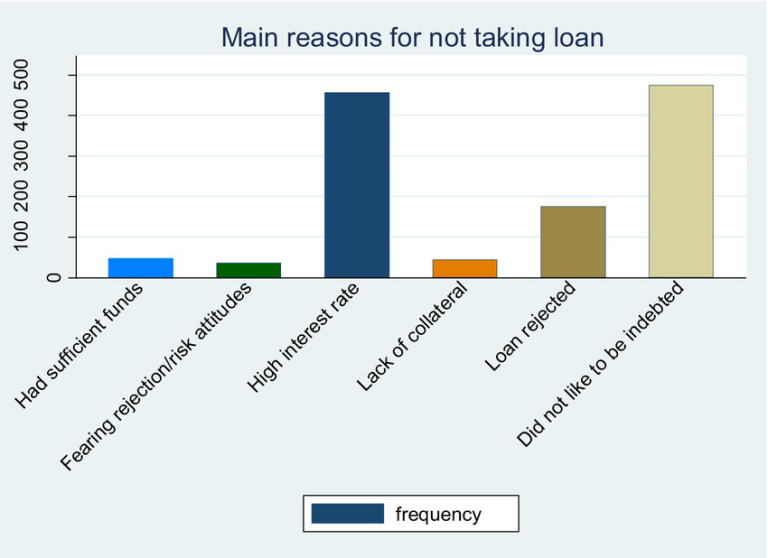
Understand why applications are rejected.
Improve financial documents for better chances.
Address credit score challenges.
Resolving Application Rejections
The loan rejection rate is rising. In 2024, overall rejections hit 21%. This highlights the need to carefully assess common rejection reasons. Here’s how to tackle them:
Identify Rejection Reasons:
Check the most common causes. These include poor credit history, incomplete or wrong application details, and unresolved credit report issues.
If rejection reasons are unclear, reach out to the lender. Ask for specifics about the rejection.
Review and Correct Applications:
Ensure all sections of the application are filled out correctly.
Double-check personal and business details. Accurate information is crucial.
Improve Financial Documentation:
Address any errors or missing details.
Align your documents with the lender’s requirements. Make sure financial statements reflect a strong position.
Different lenders have unique standards. Understanding these aids in adjusting your documentation accordingly.
Seek Professional Help:
If you struggle with forms or documents, consider a financial advisor.
Professionals can help align your documents with what lenders expect, potentially boosting your chances.
Addressing Application Errors
Error-free forms matter a lot. Minor mistakes can cause rejections. Here’s a step-by-step to avoid them:
Cross-check all entries against supporting documents.
Verify the consistency of names, addresses, and figures.
Use a checklist to confirm every part of the application is completed.
Mitigating Poor Credit Impact
Credit scores under 680 face higher rejection rates. Only 22% were approved in 2024. To improve your credit status before applying:
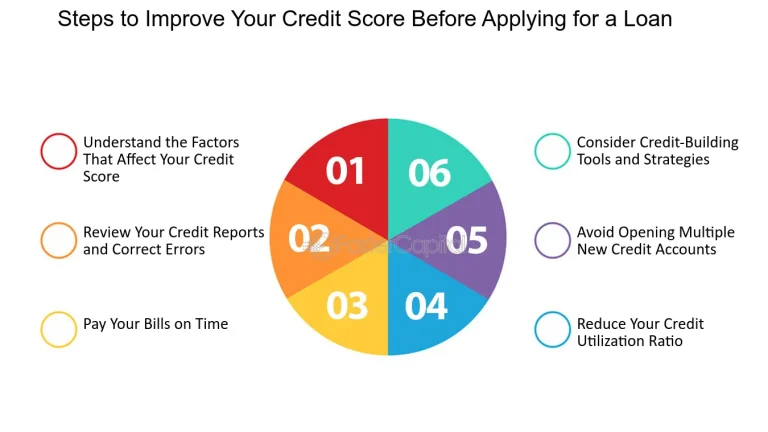
Enhance Your Credit Score:
Pay off debts or reduce outstanding balances. This will lower your debt-to-income ratio.
Make sure to pay bills on time. Consistent payments boost your credit over time.
Review your credit report annually to spot errors or inaccuracies.
Address Existing Credit Issues:
Resolve any disputes on your credit report. These are a significant factor in lowering credit scores.
Work with credit repair services if necessary. They can assist in correcting credit report errors professionally.
Utilize Co-signers or Collateral:
Consider a co-signer with better credit. Their good credit can help strengthen your application.
Offer collateral to back your loan application. This provides security for lenders and may ease approval.
Research Lender Policies:
Some lenders specialize in helping applicants with low credit scores. Look for flexible terms or programs that benefit those with credit issues.
Compare different lenders to find the most favorable terms for your situation.
Long-Term Credit Improvements
Improving credit takes time. Regular actions lead to solid credit health:
Automate bill payments to avoid late fees.
Gradually pay down loans to reduce financial risk.
Avoid opening too many new credit lines at once.
Further Resources and Reading for Continued Learning
Advanced loan strategies beyond basics.
Deep dive into loan rates’ effects on business.
Extend your expertise with selected reading materials.
Advanced Guides for Business Loans
Business loans are not just about getting cash. They require smart strategies to negotiate terms and manage repayments. One good way to step up your game is by reading articles on how loan practices change over time. You might want to check out Harvard Business Review’s pieces on loan trends or Inc.’s articles on small business loan tips.
Also, exploring case studies can be powerful. Seeing real-world negotiations and how businesses deal with their loans offers a practical perspective. These case studies are gold mines for those who want to see how theory plays out in real life. Just be sure to understand the context and how it applies to your situation.
But reading isn’t enough. Engage in forums like Reddit’s business section or LinkedIn groups focused on finance. Active discussions can offer insights into unspoken strategies in practice today. These are like hearing the latest news from those on the front lines of business lending.
Why Understanding Loan Rates Matters
Interest rates are not just numbers; they are one of the most critical factors influencing your business growth. A mere 1% difference could mean thousands saved or lost in repayments. It’s like paying attention to the speed limit in business finance—too fast or too slow can have serious consequences.
Loan interest rates can either propel your business forward or slow it down. Knowing how they impact your bottom line connects directly to your long-term strategy. Without this understanding, it’s tough to align loans with growth objectives. Courses in financial management often cover this in-depth, highlighting why every percentage point matters.
An insightful resource is the book “Interest and Prices” by Michael Woodford. It dives into how interest rates affect broader economic conditions. This book is more than a casual read; it’s your way into mastering the intricate effects of interest changes on business decisions.
Books and References
If you’re serious about diving deep into business loan strategies, consider reading “The Complete Guide to Financing Real Estate Developments” by Jack Cummings. Even if real estate isn’t your business, the underlying principles of loan structuring are transferable. Also, “Financial Intelligence” by Karen Berman is a fantastic read for understanding the financial metrics critical in loan negotiations. Both books help expand your comprehension of loans in a business context.
Make sure to check some reports from institutions like the Federal Reserve or the European Central Bank. These reports can give you a macro-level understanding of how economic policies might influence interest rates.
In sum, go beyond just seeing loans as a business necessity and see them as instruments of growth. Engage with advanced resources, weigh the advice given, and always equip yourself with an arsenal of current, well-rounded information. This will not only refine your current knowledge but also prepare you for future financial decisions.
Conclusion
Getting the best business loan interest rates in 2025 requires research and preparation. After going through these steps, you’re now equipped with practical knowledge to secure better small business loan rates and terms for your business.
The key is to stay proactive. Keep track of market rates, maintain regular contact with multiple lenders, and update your business finances. Remember that interest rates change based on economic conditions, business credit scores, and your business performance.
A few action steps to take right away:
Set up alerts on loan comparison websites
Create a folder for your updated financial statements
Schedule monthly reviews of current small business financing rates and loan options
Build relationships with at least three potential lenders, including those offering merchant cash advances or unsecured loans
Smart business owners know that finding good interest rates isn’t a one-time task. Make it a regular part of your financial planning. When you need capital, you’ll be ready to act fast and negotiate with confidence.
For ongoing success, keep learning about business finance. Join local business groups, attend financial workshops, and stay connected with other business owners. Their experiences with different lenders, including those offering SBA loan rates and equipment loans, can provide valuable insights for your next loan application. Additionally, understanding your funding options for specific needs like equipment can be crucial for business growth. Explore the various options available for equipment funding and how they can be tailored to your business. For more information, check out this guide on equipment funding solutions.
If your credit history isn’t perfect, don’t be discouraged. Many business owners successfully secure financing despite challenges. There are specialized lenders and programs designed for those seeking a small business loan despite bad credit. Understanding these options and preparing accordingly can open new doors to capital and support your growth plans.
Take these steps, stay informed, and position your business for the best possible loan terms. Keep an eye on competitive interest rates, varying interest rates, and other loan fees to ensure you make the most of your funding opportunities.