
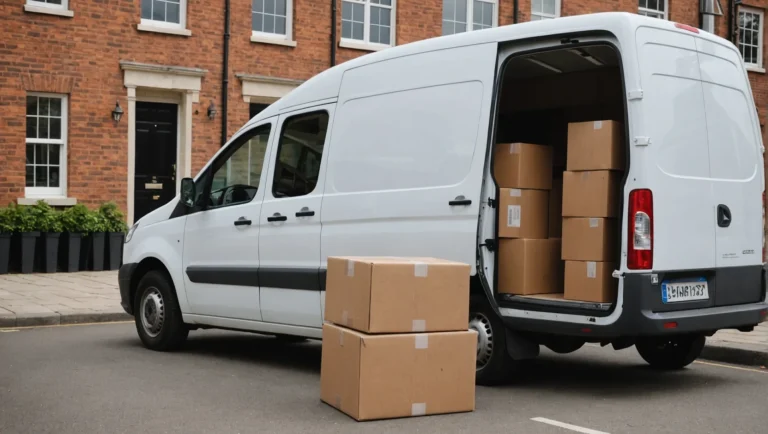

As a business owner in 2024, you’re all too familiar with the headaches that come with shipping packages. Lost shipments, wrong address, damaged goods, and endless tracking issues can quickly turn your day from bad to worse. Delve into the intricacies of final stage delivery, uncovering ways to enhance this critical aspect of logistics and exceed your customer’s expectations.
But what if you learned there were 6 easy ways to avoid these common courier problems?
In this article, we’ll explore proven strategies to prevent delivery delays, safeguard your shipments from damage, and minimize lost packages. You’ll also learn how to quickly resolve tracking issues and understand the risks and challenges of the courier business. Uncover the critical benefits of last-mile delivery strategies to elevate operational performance and enhance your customers’ experience.
By the end, you’ll have a clear plan to make money, streamline your shipping process, and keep your customers happy. Ready to say goodbye to courier stress? Let’s dive in. Delve into optimizing your final leg of delivery to overcome hurdles and ensure customer satisfaction, enhancing the entire shipping experience.
Save 80% of delivery management time
We handle everything:
- Dedicated operations manager
- Real-time tracking dashboard
- Automated customer notifications
- Urgent issue resolution
Prevent Courier Problems with These Proactive Strategies
Delivery delays can be frustrating for both businesses and their customers. Not only do they lead to late deliveries and dissatisfied clients, but they can also result in lost revenue and damaged reputation. To minimize these issues, it’s essential to take a proactive approach to managing your courier services. Seeking methods to enhance your food and beverage last mile delivery service? Explore leading strategies and advice for achieving efficient and punctual deliveries.
Communicate Clear Expectations with Your Courier Company and Service
One of the most crucial steps in preventing delivery delays is establishing clear expectations with customers expect from your courier service from the outset. This involves setting well-defined delivery timelines and service level agreements (SLAs) that outline the expected performance standards. Understanding the importance of delivery operations management is essential to exceed customer expectations and maintain a competitive edge in the market.
When negotiating contracts with your courier service provider, be specific about your delivery requirements. Determine realistic timelines for different shipment types based on distance, package size, and priority level. Incorporate these timelines into your SLAs to ensure that everyone is on the same page.
To maintain accountability and address any issues promptly, establish a regular communication cadence with your courier service. Schedule periodic meetings or calls to review performance metrics, discuss any challenges, and identify areas for improvement. This ongoing dialogue helps foster a strong partnership and enables you to address potential delays before they escalate.
In some cases, it may be necessary to implement penalties for consistent delays to maintain accountability. While this should be a last resort, having clear consequences in place can motivate your courier service to prioritize your deliveries and meet the agreed-upon standards.
Optimize Your Packaging and Labeling Processes
Efficient packaging and labeling processes play a significant role in preventing any delivery problems and delays. By investing in high-quality materials and implementing streamlined workflows, you can minimize the risk of damage, loss, or misdirected shipments. Seeking to enhance your delivery performance? Learn how to manage your delivery processes effectively to increase reliability and decrease expenditure.
Choose packaging materials that are sturdy enough to withstand the rigors of transportation. This may include corrugated boxes, foam inserts, or air cushions, depending on the nature of your products. Using high-quality materials reduces the likelihood of damage during transit, which can lead to delays as replacement items are shipped.
Incorrect or illegible labeling is a common cause of delivery delays. Implement strict quality control measures to ensure that all packages are labeled accurately and clearly. This includes verifying recipient addresses, including any necessary barcodes or tracking numbers, and ensuring that labels are securely attached and easily readable.
Analyze your current packaging process to identify any bottlenecks or inefficiencies. Consider implementing automation tools or reorganizing your workspace to optimize the flow of packages. By streamlining your packaging workflow, you can reduce the risk of errors and minimize the time required to prepare and deliver shipments for dispatch.
Leverage Technology For Real-Time Tracking and Updates In Courier Services
In today’s digital age, technology plays a vital role in preventing delivery delays. By leveraging real-time tracking and update systems, you can monitor your shipments’ progress, identify potential issues, and keep your customers informed throughout the delivery process. Seeking to optimize your delivery process further? Discover leading last-mile delivery companies that can revolutionize how you reach your customers.
Most reputable courier services offer robust tracking platforms that allow you to monitor your shipments in real time. Integrate your internal systems with these platforms to enable seamless data exchange and automated updates. This integration ensures that you have access to the most up-to-date information on your deliveries at all times.
Configure your tracking system to send automated alerts for key delivery milestones, such as when a package is dispatched, in transit, or delivered. More importantly, set up alerts for any exceptions or delays, such as when a package is held at customs or experiences an unexpected route change. By receiving timely notifications, you can proactively address any issues and keep your customers informed.
Empower your customers to track their deliveries by providing them with self-service traditions. This can be as simple as including a tracking link in your order confirmation emails or integrating a tracking widget on your website. By giving customers the ability to monitor their shipments independently, you reduce the number of inquiries your team needs to handle and improve overall customer satisfaction.
Safeguard Your Shipments from Damage with Proven Tactics
Damaged shipments can lead to costly returns, unhappy customers, and a tarnished reputation for your business. By implementing proven tactics to safeguard your shipments, you can minimize the risk of damage and ensure your products arrive at their destination in pristine condition.
Use Appropriate Packaging For Fragile Items
Selecting the right packaging materials is crucial when shipping fragile items. Consider the product’s fragility and the shipping conditions it will face during transit, such as temperature fluctuations, humidity, and potential impacts. Explore effective strategies in last-mile dispatch for smaller enterprises to ensure your delicate items reach their destination safely and cost-effectively.
Choose packaging materials that provide adequate protection for your specific products. For example, use air pillows or bubble wrap for lightweight, delicate items, and foam inserts or molded pulp for heavier, more sensitive products. Consider the environmental conditions your package may encounter, such as extreme temperatures or humidity, and select materials that can withstand these challenges.
Ensure your fragile items are well-cushioned within the package to prevent movement and protect against impacts. Use sufficient void-fill materials, such as packing peanuts or air pillows, to fill empty spaces and to avoid shifting. Add protective layers, such as wrapping items individually in bubble wrap or using dividers to separate multiple items within a single package.
Train Your Team On Proper Packaging Techniques
Ensuring that your team follows proper packaging techniques is essential for maintaining consistent packaging quality and minimizing the risk of damage during shipping.
Create detailed, step-by-step SOPs that outline the proper packaging techniques for each type of product you ship. Include information on the materials to be used, how to cushion and protect items, and how to seal and label packages. Make these SOPs easily accessible to your team and update them regularly as your products or shipping requirements change.
Provide hands-on training sessions for your team to demonstrate proper packaging techniques and reinforce the importance of following SOPs. Use these sessions to address common packaging mistakes, share best practices, and answer any questions your team may have. Consider creating a packaging “checklist” that employees can reference to ensure they have completed all necessary steps.
Establish a quality control process to inspect packaged items before they are shipped. This can help catch any errors or inconsistencies in packaging, such as insufficient cushioning or improperly sealed boxes. Assign a dedicated quality control team or rotate the responsibility among your staff to maintain accountability and ensure all packages meet your standards.
By using appropriate packaging materials, training your team on proper techniques, and implementing quality control measures, you can significantly reduce the risk of damage to your shipments. These tactics not only protect your products but also demonstrate your commitment to delivering a high-quality experience for your customers.
Minimize Lost Shipments through Meticulous Tracking Practices
Losing a shipment can be a frustrating and costly experience for both businesses and their customers. To minimize the risk of lost packages and maintain a positive reputation, it’s crucial to implement thorough tracking practices throughout the shipping process.
Implement a robust inventory management system
A well-designed inventory management system is the foundation of effective shipment tracking. By keeping accurate records of all packages, you can quickly identify any discrepancies and take action to resolve them.
Assign unique barcodes or radio-frequency identification (RFID) tags to each package before it leaves your facility. These tags allow you to scan and track the package at various points in the supply chain, providing real-time updates on its location and status. This information can be invaluable in the event of a lost or delayed shipment, as it helps pinpoint the last known location of the package.
Schedule periodic inventory audits to compare your records with the actual inventory on hand. This practice helps catch any discrepancies early, allowing you to investigate and resolve issues before they escalate. Regularly reconciling your inventory also ensures that your tracking data remains accurate and up-to-date.
Many courier companies offer APIs or web-based platforms that allow you to integrate your inventory management system with their tracking tools. This integration enables automatic updates on package status, reducing manual data entry and minimizing the risk of errors. By syncing your inventory data with the courier’s platform, you can easily monitor shipments from your warehouse to the customer’s doorstep, ensuring a seamless tracking experience.
Require signature confirmation for high-value shipments
For high-value or sensitive shipments, requiring signature confirmation adds an extra layer of security and accountability. This practice ensures that packages are only released to authorized recipients, minimizing the risk of loss or theft.
Establish a clear policy that defines the minimum value or sensitivity level at which signature confirmation becomes mandatory. This threshold may vary depending on your industry and the types of products you ship. By consistently enforcing this policy, you can protect your most valuable shipments and provide peace of mind to your customers. Discover upcoming events and conferences focused on last-mile delivery solutions in 2025 to stay informed about best practices for safeguarding your valuable shipments.
If your business deals with age-restricted products, such as alcohol or tobacco, consider using the adult signature required (ASR) service offered by many couriers. This service ensures that packages are only delivered to recipients who are of legal age and can provide valid identification. Implementing ASR helps maintain compliance with regulations and reduces the risk of lost or misdelivered shipments.
For particularly valuable or sensitive shipments, it may be worth partnering with a specialized courier that offers enhanced security measures and tracking capabilities. These couriers often provide dedicated support teams, real-time monitoring, and secure storage facilities to ensure the safety of your packages throughout the shipping process. While specialized services may come at a higher cost, the added protection and peace of mind can be invaluable for your business and customers.
By implementing these meticulous tracking practices, you can significantly reduce the risk of lost shipments and maintain a positive reputation with your customers. In the next section, we’ll explore how to quickly resolve any tracking issues that may arise, ensuring a smooth and reliable shipping experience for your business.
Resolve Tracking Issues Quickly with These Troubleshooting Tips
When faced with a tracking issue, the first step is to double-check all the relevant information to ensure accuracy. This includes verifying the tracking number, confirming the recipient’s address and contact details, and making sure the package was scanned and entered into the courier’s system. Explore strategies for enhancing the efficiency of last-mile delivery specifically tailored for small enterprises, addressing common hurdles and offering actionable solutions.
Verify The Tracking Number and Shipping Details
Before assuming there’s a problem with your shipment, take a moment to review the tracking number and shipping details. Inaccuracies in this information can lead to confusion and delays in locating your package.
Carefully examine the tracking number you’ve received from the courier. Make sure it matches the one provided on your shipping receipt or confirmation email. Even a single digit or letter entered incorrectly can result in the inability to track your package.
Review the recipient’s address and contact information to ensure it’s complete and accurate. Verify that the street address, city, state, and zip code are correct. If possible, double-check with the recipient to confirm their details are up-to-date.
Sometimes, tracking issues arise because a package wasn’t properly scanned or entered into the courier’s system. Contact the courier to confirm they have a record of your shipment and that it was successfully picked up and scanned at the initial facility.
Contact the courier’s customer support for assistance
If you’ve verified all the information and still can’t resolve the tracking issue, it’s time to reach out to the courier’s customer support team for help. They have access to more detailed tracking information and can investigate the problem further.
When contacting customer support, have the tracking number and shipping details readily available. This will help the representative quickly locate your shipment in their system and provide you with the most up-to-date information.
Clearly explain the tracking issue you’re experiencing and what steps you’ve already taken to resolve it. Be specific about your expectations for a resolution, such as locating the package, providing an updated delivery timeline, or initiating a claims process if necessary.
If you’re not satisfied with the initial support you receive, don’t hesitate to ask for the issue to be escalated to a supervisor or manager. They may have more experience dealing with complex tracking problems and can often provide additional resources or solutions.
Understanding the Profitability and Challenges of Running a Courier Business
While resolving tracking issues is important, it’s also helpful to understand the overall profitability and challenges of running a courier business. Courier services can be lucrative, with profit margins ranging from 10-20% depending on factors like market competition and operating efficiency. However, the courier industry also faces risks such as liability for lost or damaged packages, fluctuating fuel costs, and the need to constantly optimize routes and delivery times to remain competitive.
By following these troubleshooting tips and staying informed about the realities of the courier business, you’ll be better equipped to handle tracking issues and make informed decisions as a business owner in this dynamic industry.
Understanding the Risks and Challenges of the Courier Business
Financial Risks and Profitability Factors
Running a successful courier business requires careful management of financial risks and profitability factors. High operational costs, including vehicle maintenance, fuel, labor, and insurance premiums, can quickly eat into profit margins. Courier companies must also navigate competitive pricing pressures in the market, as customers often prioritize cost over other factors when choosing a service provider.
To remain profitable, courier businesses need to strike a delicate balance between covering their operational expenses and offering competitive prices. This often means operating on thin profit margins, leaving little room for error or unexpected costs. Courier companies may need to explore cost-saving measures, such as optimizing routes, using fuel-efficient vehicles on efficient routes, or implementing technology to streamline operations.
Another financial challenge faced by courier businesses is the impact of seasonality and fluctuations in demand. The industry often experiences peaks and lulls throughout the year, with higher volumes during holidays and slower periods during off-seasons. These fluctuations can make it difficult to maintain a consistent cash flow and may require careful planning and budgeting to ensure the business can weather slower periods.
Liability Risks and Insurance Requirements
In addition to financial risks, courier businesses also face significant liability risks related to the transportation and handling of customer shipments. Lost, damaged, or delayed packages can result in customer complaints, legal claims, and reputational damage. To protect themselves from these risks, courier companies must obtain comprehensive insurance coverage.
Types of Insurance Coverage Needed
Courier businesses typically need two main types of insurance: goods-in-transit insurance and general liability insurance. Goods-in-transit insurance covers the value of the packages being transported, protecting the business from financial losses if a shipment is lost, stolen, or damaged. General liability insurance, on the other hand, protects against third-party claims of property and protects against injury resulting from the courier company’s operations.
Compliance With Industry Regulations and Standards
To maintain their insurance coverage and operate legally, courier businesses must also comply with various industry regulations and standards. This may include obtaining proper licensing and permits, adhering to safety protocols, and ensuring drivers are properly trained and certified. Failure to comply with these requirements can result in fines, legal penalties, and the loss of insurance coverage.
Mitigating Risks Through Proper Planning and Management
While the risks and challenges faced by courier businesses can be significant, they can be mitigated through proper planning and management. This includes:
Developing a solid business plan that accounts for operational costs, pricing strategies, and demand forecasting
Implementing strict quality control measures to minimize the risk of lost, damaged, or delayed shipments
Investing in technology and automation to streamline operations and reduce costs
Regularly reviewing and updating insurance coverage to ensure adequate protection
Staying up-to-date with industry regulations and standards to maintain compliance
By understanding and proactively addressing these risks and challenges, courier business owners can position themselves for long-term success in this competitive industry.
Evaluating the Trade-offs of Using a Courier Service
Cost Considerations and Pricing Models
When considering using a courier service for your business, it’s essential to understand that these services often come at a higher cost compared to standard shipping options. Courier companies typically charge based on factors such as weight, dimensions, and delivery vehicle speed, which can lead to variable pricing. It’s not uncommon for businesses to encounter surcharges or hidden fees that can significantly impact their bottom line.
To make informed decisions, thoroughly research the pricing models of different courier services. Pay close attention to any additional charges, such as fuel surcharges, residential delivery fees, or Saturday delivery fees. Some courier companies may offer discounted rates for high-volume shippers or long-term contracts, so it’s worth exploring these options if your business has consistent shipping needs.
Before committing to a courier service, compare the costs with standard shipping options offered by national carriers like UPS, FedEx, or USPS. While courier services generally offer faster delivery times, the price difference can be significant. Evaluate whether the added speed and reliability justify the increased expense for your business.
Consider conducting a cost-benefit analysis to determine if using or hiring a courier service aligns with your budget and shipping requirements. Factor in the potential impact of higher shipping costs on your product pricing and profit margins.
Dependence On The Courier’s Reliability and Performance
One of the main trade-offs of using a courier service is the limited control over the delivery process once the package is in transit. Your business is essentially entrusting the courier company with the responsibility of delivering your products to customers in a timely and secure manner. This dependence on the courier or delivery vehicle’s reliability and performance can be a source of concern for many business owners.
Courier companies are not immune to operational issues or service disruptions. Unforeseen circumstances such as weather events, traffic delays, or labor disputes can impact delivery schedules. In some cases, businesses may experience inconsistent service quality across different locations or drivers, or poor customer service, leading to customer dissatisfaction and potential damage to the brand’s reputation.
To minimize the risks associated with dependence on a courier service, thoroughly research and vet potential providers. Look for companies with a proven track record of reliability, experienced staff, and robust infrastructure. Read reviews from other businesses and customers to gauge the courier’s reputation and service quality.
Once you’ve selected a courier service, implement a system to monitor and track deliveries closely. Utilize the tracking tools provided by the courier company to stay informed about the status of your packages. Promptly address any issues or delays with the courier’s superior customer service and support team to ensure timely resolution.
Navigating Restrictions and Limitations
When using a courier service, it’s crucial to be aware of any restrictions or limitations that may impact your business. Courier companies often have specific guidelines regarding the types of items they can transport, as well as size and weight limitations. Some common items that may be prohibited or require special handling include:
Hazardous materials (e.g., flammable liquids, explosives)
Perishable goods (e.g., food items, flowers)
High-value items (e.g., jewelry, artwork)
Live animals
Familiarize yourself with the courier’s policies and restrictions to avoid any unexpected issues or delays. If your business regularly ships items that fall under these categories, you may need to explore specialized courier services or alternative shipping methods.
Additionally, be aware of any geographical limitations or service areas covered by the courier company. Some providers may have limited coverage in certain regions or countries, which could impact your ability to reach certain customers.
Balancing Speed and Cost
One of the primary reasons businesses opt for courier services is the need for fast and reliable delivery. However, it’s essential to strike a balance between speed and cost. Express or same-day delivery options often come at a premium price, which may not be feasible for all businesses or shipments.
Evaluate your customers’ expectations and shipping needs to determine the appropriate level of service. In some cases, offering a range of shipping options with varying speeds and costs can provide flexibility for customers while allowing your business to manage expenses more effectively.
Consider implementing a tiered shipping strategy, where faster delivery options are available for an additional fee, while standard shipping is offered at a lower cost. This approach allows customers to choose the option that best suits their needs and budget, while your business can optimize shipping costs based on the selected service level.
Addressing The Disadvantages of Using A Courier Service
While courier services offer many benefits, such as speed and reliability, there are also some potential disadvantages to consider:
Higher costs compared to standard shipping options
Limited control over the delivery process once the package is in transit
Potential for inconsistent service quality across different locations or drivers
Restrictions on the types of items that can be shipped
Geographical limitations or service area constraints
To address these disadvantages, businesses should carefully evaluate their shipping needs, budget, and customer expectations. Researching and comparing different courier services, understanding their pricing models, and setting clear expectations with customers can help mitigate some of these challenges.
Avoiding Courier Headaches in 2024
By implementing these six strategies, you can minimize delivery delays, prevent shipment damage, and quickly resolve tracking issues with automated route planning or route optimization software. Clear communication, optimized packaging most efficient routes, and leveraging technology are key to ensuring a smooth shipping experience for your business and customers. Discover the comprehensive manual on logistics coming inbound, teaching you to streamline your supply chain for enhanced business productivity.
While there are inherent risks and challenges in the courier business, such as financial pressures and liability concerns, the benefits of reliable delivery services often outweigh the drawbacks. By understanding the trade-offs and making informed decisions, you can find a courier partner that meets your specific needs and budget.