

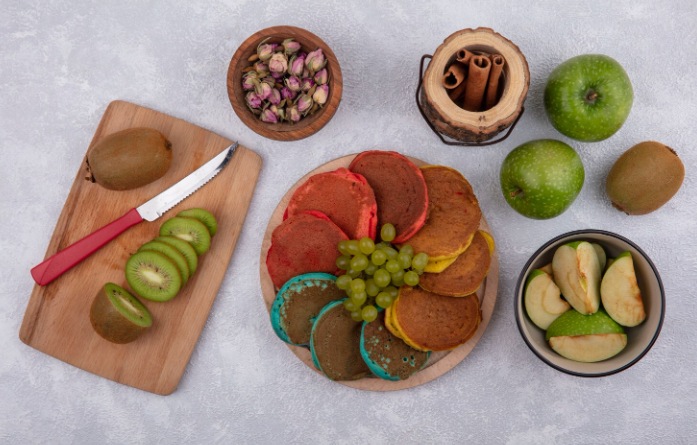

I’ve seen people’s eyes widen at the sight of a well-crafted vegan charcuterie board. The shock when I tell them it’s completely plant-based? That’s the reaction we’re after.
Remember when hosting meant stressing over what to serve your vegan friend while keeping everyone else happy? Those days are gone. The plant-based food world has changed dramatically, with options so good they leave even the most devoted meat-eaters reaching for seconds.
A vegan snack board isn’t just food on a platter—it’s a statement. It shows you can create something stunning without animal products. The artful arrangement of rich plant-based cheeses, savory meat alternatives, vibrant fruits, crunchy vegetables, and flavorful dips creates a feast for both eyes and taste buds. Amazing charcuterie boards are a truly fun appetizer for any event.
What if I told you that creating this showstopper isn’t just possible but surprisingly simple? The trick isn’t finding exotic ingredients or mastering complex techniques. It’s understanding how to combine textures, colors, and flavors in ways that make people forget they’re eating a vegan version.
Your guests will notice three things: the visual impact when they enter the room, the variety that keeps them coming back, and the impressive way you’ve transformed simple ingredients into something extraordinary.
Whether you’re hosting vegans, accommodating mixed dietary needs, or simply wanting to try something new for your next holiday party, this guide will walk you through creating a charcuterie board that becomes the centerpiece of your gathering.
Are you ready to transform ordinary plant-based ingredients into an extraordinary display that will have everyone reaching for their phones to capture before they dig in?
Save 80% of delivery management time
We handle everything:
- Dedicated operations manager
- Real-time tracking dashboard
- Automated customer notifications
- Urgent issue resolution
Step 1: Gather Vegan whole foods Ingredients
Get the essential components for an impressive plant-based spread
Learn which vegan alternatives best mimic traditional charcuterie textures and flavors
Balance your board with complementary tastes and colors
1. Select Plant-based vegan cheese Options
The foundation of any great charcuterie board begins with cheese, and the vegan world offers an amazing range of options. When selecting plant-based cheeses, focus on creating variety in both flavor profiles and textures to give your guests a complete tasting experience.
Start with an aged vegan cheese that delivers that sharp, complex flavor profile similar to traditional aged dairy cheeses. Look for cashew-based options aged with probiotics that develop authentic cheese notes over time. These typically come in wheels or small blocks that can be sliced or cubed. Next, add a soft, spreadable option like almond-based cream cheese or cashew cheese spread that guests can easily apply to crackers. Finally, include at least one unique option with bold flavors – perhaps a smoked coconut cheese or one infused with herbs or truffles.
Recommended Plant-based Cheese Varieties
When shopping, check specialty stores or the refrigerated section of natural food markets. This growth means more high-quality options are available than ever before.
Market Growth: The global plant-based cheese market is valued at approximately USD 1,658.7 million in 2025, with a projected CAGR of 8.1% through 2033.
For your board, aim to include:
1 firm sliceable cheese (cashew-based cheddar or smoked gouda alternative)
1 soft spreadable cheese (almond-based herb spread or cashew cream cheese)
1 specialty cheese (pepper-crusted, wine-soaked, or herb-infused varieties)
Don’t forget to remove these cheeses from refrigeration 30-45 minutes before serving to allow their flavors to develop at room temperature. Also, be mindful if any guests have a nut allergy and choose options accordingly.
2. Choose Best Vegan Meat Substitutes
The next critical component of your vegan charcuterie board is the meat alternatives. These provide the savory, protein-rich elements that balance the other ingredients and satisfy guests expecting traditional charcuterie flavors that they would get from cured meats.
Begin with pre-made vegan deli slices, which now come in impressive varieties including pepperoni, salami, and prosciutto alternatives. These plant-based options are typically made from vital wheat gluten (seitan), soy, or pea protein and are seasoned to mimic their animal-based counterparts. For a more artisanal touch, consider adding marinated and baked tofu slices – smoked or five-spice flavored varieties work particularly well and can be sliced thinly for an elegant presentation.
Creating a Balanced Meat Alternative Selection
When selecting your vegan meat alternatives, consider these flavor profiles:
Smoky (applewood-smoked tempeh or smoked seitan)
Spicy (pepper-crusted vegan salami or chili-infused tofu)
Herbed (rosemary-infused seitan or herb-marinated tempeh)
Prepare 2-3 varieties and arrange them in small piles or rolled slices for visual appeal. This growth has led to improved quality and variety in vegan meat options.
For homemade options, thinly sliced baked tempeh marinated in soy sauce, liquid smoke, and maple syrup offers a DIY bacon-like addition that will impress guests. Or try thinly sliced and pressed extra-firm tofu marinated in red wine, beet juice, herbs, and spices for a visually striking “cured meat” alternative.
3. Include Essential Vegan Dips and Spreads
Dips and spreads are the versatile components that bring moisture and bind the elements of your board together. They also offer a canvas for flavor experimentation and bright colors that make your spread visually appealing.
Start with hummus as your base spread – it’s familiar to most guests and pairs well with virtually everything, from veggies to tortilla chips. Consider preparing a classic version or elevate it with roasted garlic, sun-dried tomatoes, or fresh herbs. Next, add an olive tapenade or muhammara (a roasted red pepper and walnut spread) for a Mediterranean touch. Finally, include something sweet like a fig jam or cranberry chutney to complement the savory elements and provide contrast.
Preparing Homemade Spreads
While store-bought options work perfectly well, homemade spreads can make your board truly special:
Basic Hummus Recipe:
1 can (15 oz) chickpeas, drained and rinsed
2 tablespoons tahini
2 tablespoons olive oil
1 clove garlic
Juice of 1 lemon
Salt to taste
Water as needed for consistency
Blend all ingredients until smooth, adding water slowly to reach desired consistency. This takes approximately 5 minutes to prepare and can be made up to 3 days in advance.
Simple Roasted Red Pepper Dip:
2 jarred roasted red peppers, drained
1/4 cup toasted walnuts
1 tablespoon olive oil
1 small clove garlic
1 teaspoon lemon juice
Salt and pepper to taste
Blend until slightly chunky for a rustic texture or smooth for a more refined finish.
Serve each spread in small bowls or ramekins with small serving spoons, arranging them strategically around the board for easy access.
4. Add Fresh Fruits, Vegetables, and Dried Fruit
Fresh produce adds vibrant color, necessary nutrition, and palate-cleansing elements to your board. They provide the perfect counterpoint to the richer cheese and meat alternatives. These whole foods are essential for a balanced selection of snacks.
For fruits, choose options that pair well with savory flavors. Red and green grapes offer bursts of sweetness and visual appeal. Sliced apples (tossed in a bit of lemon juice to prevent browning) provide a crisp texture that contrasts with softer elements. Dried fruits like figs, apricots, or dried cranberries add chewy texture and concentrated sweetness.
Vegetable Selection and Preparation
For vegetables, focus on crunch and color variety:
Cucumber rounds or spears (Persian cucumbers work best for their thin skin)
Cherry tomatoes (halved if large)
Bell pepper strips in various colors
Radishes (sliced thinly for a peppery bite)
Blanched asparagus spears (briefly cooked then chilled)
A small bowl of pickles or olives
Prepare all veggies in advance, storing them in cold water in the refrigerator to maintain crispness. Pat them dry before arranging on your board. Consider the size and shape of your cuts – aim for pieces that are easy to pick up and eat in one or two bites.
Seasonal selections will provide the freshest flavor. In summer, include berries and stone fruits; in fall, add sliced pears and pomegranate seeds; in winter, citrus segments add brightness. A mix of fresh fruit and other items is key.
5. Consider Nuts and Seeds
Nuts and seeds offer essential textural contrast, satisfying crunch, and nutritional benefits to your vegan charcuterie board. They fill small spaces between larger items and provide protein-rich snacking options.
Choose a variety of nuts like almonds, walnuts, pistachios, and cashews. For visual and flavor interest, mix plain and flavored varieties. Roasted almonds with rosemary, smoked paprika cashews, or candied walnuts all add complexity. Seeds like pumpkin, sunflower, or even pomegranate arils can be scattered across the board for additional texture and nutritional value.
Flavor Enhancement Techniques
To enhance plain nuts for your board:
Quick Roasted Nuts Recipe:
Preheat oven to 325°F (165°C)
Toss 2 cups mixed nuts with:
1 tablespoon olive oil
1 tablespoon maple syrup
1 teaspoon each of salt and your choice of spices (smoked paprika, rosemary, curry powder)
Spread on baking sheet in single layer
Roast for 12-15 minutes, stirring once
Cool completely before adding to board
Spiced nuts can be prepared up to a week in advance and stored in airtight containers. On your board, place them in small clusters or use them to fill gaps between larger items.
When arranging your board, remember that these five ingredient categories form the foundation of an impressive vegan charcuterie experience. With these components carefully selected and prepared, you’ll have everything needed to assemble a stunning presentation in the next step.
Step 2: Arrange the Vegan cheese board
Follow simple design principles to create an eye-catching board
Layer items strategically for both function and visual appeal
Balance flavors and textures across the entire presentation
1. Layout Techniques for a Visual Impact
Creating a stunning vegan charcuterie board is both an art and a science. The arrangement makes all the difference between an ordinary snack platter and a conversation-starting centerpiece. Start with your board selection—wooden boards provide a natural, warm backdrop that highlights colorful plant-based foods. Slate or marble boards offer a sleek, modern look that makes bright vegetables pop.
Begin your arrangement by placing the largest items first. Position your vegan cheeses and meat alternatives at different points around the board, spacing them evenly. Think of these as your “anchor” items that will guide the rest of your design. Cut some cheese varieties into wedges, leave others whole with a knife nearby, and slice some into cubes or strips. This variety in presentation adds visual interest and makes it easier for guests to sample different options at your next party.
Creating Paths and Sections
After placing your anchor items, create natural paths or sections on your board. Use small bowls or ramekins to hold dips, spreads, or items that might be messy. These containers not only keep things neat but also add height and dimension to your board. Place these strategically between your anchor items.
Fill the remaining spaces with smaller items like nuts, dried fruits, and crackers, leaving no extra space. These fillers should connect your anchor items and create a sense of abundance without looking messy. Think of it as creating flowing rivers of food between your larger islands of cheese and meat alternatives. The board should look full but not overwhelming—guests should be able to easily identify and access each item.
2. Prioritize Balanced Distribution
Balance is key to both the visual appeal and functionality of your vegan charcuterie board. Distribute colors evenly across the board—place bright berries or colorful vegetables in different areas to draw the eye across the entire presentation. As these boards become centerpieces at any party or gathering, thoughtful arrangement is very important.
When distributing items, consider not just colors but also flavors and textures. Place creamy spreads near crunchy crackers or bread. Position sweet fruits near savory vegan cheeses to create complementary flavor combinations. Every section of your board should offer a complete experience with multiple textures and tastes. This thoughtful pairing encourages guests to try new combinations they might not otherwise consider.
Using Height and Layers
Adding height to your board creates visual interest and makes the presentation more impressive. Stack crackers vertically instead of laying them flat. Roll vegan deli slices and stand them up between other items. Fold thin vegetable slices into accordion shapes or roses for an artistic touch. These techniques not only save space but also make the board look more professional.
For a truly impressive presentation, work in layers. Start with a base layer of larger items, then add a middle layer of medium-sized components, and finish with a top layer of garnishes and eye-catching elements. Edible flowers, fresh herbs, or a light drizzle of high-quality olive oil can add that final touch that elevates your board from good to great. These plant-based alternatives have become central to modern entertaining.
3. Follow a Simple Organization System
Many chefs recommend following what’s called the “3-3-3-3 rule” for charcuterie boards, which adapts perfectly to vegan versions. This rule suggests including three types of vegan cheeses, three vegan protein options (like plant-based deli slices or marinated tofu), three types of crackers or bread, and three complementary items (like fruits, nuts, or olives). This simple formula ensures variety without overwhelming your guests or your board.
When organizing these components, think in terms of food categories rather than simply filling space. Create distinct sections for:
Savory items (vegan cheeses, meat alternatives)
Breads and crackers (various shapes and flavors)
Fresh produce (fruits and vegetables)
Nuts and dried fruits
Dips and spreads
Garnishes and accents
This categorical arrangement helps guests navigate the board and understand the intended pairings. It also makes it easier to ensure you’re offering a balanced selection.
The Rule of Thirds and Visual Composition
Apply the photographer’s “rule of thirds” to your board arrangement. Mentally divide your board into a 3×3 grid and place key items at the intersection points of these grid lines. This creates a naturally pleasing composition that draws the eye across the entire board rather than focusing on just the center.
Consumer Popularity: 76% of consumers who have tried charcuterie say they either like or love it, yet only 4.9% of menus in the U.S. offered charcuterie as of 2023.
Pay attention to the flow of your arrangement. Create diagonal lines of similar items (like a diagonal of red foods from one corner to another) or curved patterns that guide the eye in a circular motion around the board. These subtle design elements make your presentation look intentional and professionally arranged. Creating an intuitive flow helps guests engage with your thoughtful arrangement.
4. Items to Avoid on Your Vegan Board
While creating your vegan charcuterie board, be mindful of common pitfalls that can diminish the overall experience. Avoid these five common mistakes:
Too many similar textures – Don’t overload the board with only crunchy items or only soft items
Strongly scented foods that overpower others – Some plant-based cheeses with strong fermented notes should be isolated
Items that oxidize quickly – Sliced avocados or apples can turn brown without proper treatment
Foods that release excessive moisture – Some marinated items can make crackers soggy
Components that require utensils to eat – The best charcuterie items are finger foods
Instead of these problematic items, focus on foods that maintain their quality at room temperature and complement each other. For quick-oxidizing foods like apples, try tossing them in a bit of lemon juice before adding them to your board to prevent browning.
Temperature Considerations
Temperature management is crucial for vegan charcuterie boards. Some plant-based cheeses develop better flavor and texture when they’ve been out of the refrigerator for 20-30 minutes before serving. Others, particularly cashew-based spreads, may need to stay chilled. Check the packaging recommendations for each product.
For items that need to stay cool, consider placing them on small frozen marble tiles or ice packs discreetly positioned under the board. For warm components like roasted nuts or warmed olives, add them to the board just before serving. Temperature variation adds another dimension to your board and enhances the tasting experience for your guests.
5. Final Touches and Presentation
The finishing touches on your vegan charcuterie board can make all the difference. Add small sprigs of fresh herbs like rosemary, thyme, or basil between sections to add color and fragrance. Edible flowers make stunning garnishes that elevate the presentation from casual to special occasion-worthy.
Consider the serving tools as part of your presentation. Small wooden or bamboo knives for soft vegan cheeses, tiny forks for pickled items, and small spoons for dips should be placed strategically near their respective foods. Sustainability influences even the choice of serving platform.
Labeling for Guest Convenience
For gatherings where guests might not be familiar with plant-based options, consider adding small labels for each item. You can use decorative toothpicks with small flags, tiny chalkboards, or even leaves with edible ink to identify special or unusual items. This is especially helpful for identifying different vegan cheese varieties or uncommon plant-based meat alternatives.
Not only does labeling help guests navigate your creation, but it also provides a great opportunity to highlight special ingredients, brand names of impressive vegan products, or homemade components that deserve recognition. This thoughtful touch shows your attention to detail and helps guests discover new plant-based favorites they might want to try again.
Step 3: Plan Ahead for a Stress-Free Setup
Prepare components 24-48 hours in advance to reduce day-of stress
Store items properly to maintain freshness and visual appeal
Set up an assembly station to make final arrangement quick and efficient
1. Prepping Ahead for Ease
Planning is the secret to a successful vegan charcuterie board. You can prepare many elements 24-48 hours before your event, saving you valuable prep time and reducing stress when guests arrive. This is a fun process that makes the day of your next gathering much easier. Start by washing all fruits and vegetables thoroughly, then pat them dry completely. Moisture is the enemy of crispness, especially for items like crackers and nuts.
For fruits that brown quickly (apples, pears), slice them just before serving or treat them with a light coating of lemon juice if cutting ahead. Vegetables like carrots, cucumber, and bell peppers can be sliced the day before and stored in cold water in the refrigerator to maintain their crispness. Prepare your homemade dips and spreads up to two days in advance—the flavors often improve after sitting overnight as ingredients meld together.
Creating a Prep Timeline
Start your preparation by making a simple timeline:
2 days before: Make homemade dips, spreads, and marinated items
1 day before: Cut stable vegetables, toast nuts, and prepare any special elements
Morning of event: Slice fruits, arrange crackers in containers
1 hour before: Take refrigerated items out to reach room temperature
30 minutes before: Begin final arrangement on your board
This timeline answers the common question “Can I make a vegan board ahead of time?” The answer is yes—partially. While the final arrangement should happen shortly before serving, most components can be prepped well in advance.
2. Storing and Presenting
Proper storage is crucial for maintaining the quality of your vegan charcuterie components. Glass containers with airtight seals are ideal for most items. They prevent odors from transferring between foods and keep everything fresh. Separate containers for each component prevent flavors from mixing and make final assembly much easier.
For vegan cheeses, follow package instructions but generally store them in the refrigerator until 30-60 minutes before serving. This allows them to soften slightly for better flavor and texture. Some firmer plant-based cheeses can be sliced ahead of time, while softer varieties should be kept whole until serving to prevent drying out. Store nuts and crackers in dry, airtight containers at room temperature to maintain their crunch.
Temperature Considerations for Storage
Different components require different storage approaches:
Refrigerate: Dips, spreads, cut vegetables, plant-based cheeses, vegan meats
Room temperature: Nuts, dried fruits, crackers, bread
Separate: Items with strong aromas (like smoked vegan cheese)
When storing cut produce, place a slightly damp paper towel in the container to maintain moisture without making items soggy. For crackers and bread, include a dry paper towel to absorb any humidity that might soften them.
3. Creating an Assembly Station
Set up a dedicated workspace for final assembly that includes all your prepped ingredients, the serving board, and any additional items like small bowls or ramekins. Having everything within reach makes the arrangement process much more efficient.
Place your ingredients in order of assembly: larger items first, followed by medium-sized components, then smaller items and garnishes. This organization follows standard food styling techniques and ensures you won’t forget any components in the rush of final preparation.
Keep a clean, damp cloth nearby to wipe the board edges if needed. Small spills are common during assembly, and keeping the board clean enhances the overall presentation. If you’re using fresh herbs as garnish, keep them in a small glass of water until the last minute to maintain their freshness.
The Pre-Serving Checklist
Before bringing your board out to guests, run through this quick checklist:
All components are at their proper serving temperature
Serving utensils are placed for each dip or spread
Small plates and napkins are available for guests
A brief list of ingredients is visible (especially helpful for those with allergies)
Board edges are clean and presentation is polished
This systematic approach answers the question about the “3-3-3-3 rule” often searched for with charcuterie boards. While this isn’t an official rule, it refers to including approximately three items from each major category: vegan cheeses, plant-based proteins, fruits, and vegetables.
4. Things to Avoid When Prepping Ahead
Avoid these common mistakes when preparing your vegan charcuterie board components:
First, don’t pre-slice high-moisture fruits and vegetables too far in advance. Items like tomatoes and strawberries will become soggy and release excess liquid onto your board. Instead, cut these just before final arrangement.
Second, avoid storing strong-smelling items with delicate components. Even in separate containers, powerful aromas from items like smoked vegan cheeses or pickled vegetables can transfer to milder foods if stored in the same refrigerator space.
Third, don’t pre-arrange the entire board far in advance. While preparation is important, the final assembly should happen no more than an hour before serving to maintain the visual appeal and freshness of all components.
The Five Preparation Pitfalls
These five common mistakes can compromise your vegan charcuterie board:
Overcrowding the refrigerator with board components, which restricts air circulation
Using plastic wrap directly on vegan cheeses, which can affect their texture
Cutting fruits and vegetables into pieces that are too small, making them difficult to pick up
Forgetting to account for color changes in certain fruits when cut in advance
Preparing too much food, leading to waste (plan for about 2-3 ounces of food per person)
5. Final Assembly Strategies
When it’s time for final assembly, work from largest to smallest items. Start by placing your dips and spreads in small containers on the board. Then add your vegan cheeses and plant-based proteins as anchor points. Fill in with fruits and vegetables, creating color contrasts and varying heights.
The actual arrangement should take place no more than 30-60 minutes before guests arrive. This timing ensures everything looks fresh but allows cheeses to reach the right temperature. If you’re concerned about timing, you can pre-arrange dry components like crackers and nuts, leaving spaces for the more perishable items to add just before serving.
For large gatherings, consider preparing a backup supply of components stored properly in the refrigerator. This allows you to quickly refresh the board if needed without starting from scratch. For especially popular items, have additional prepared portions ready to go.
Quick Assembly Under Time Pressure
If you’re running short on time, follow this express assembly method:
Place all containers for dips and spreads first
Add the 3-4 largest items as anchors in different sections
Fill major gaps with medium-sized items
Add crackers and bread along the edges
Sprinkle smaller items like nuts or berries in any remaining spaces
Finish with a few herb sprigs as garnish
With proper planning and preparation, your vegan charcuterie board assembly becomes a stress-free process that results in a stunning presentation every time. The key is breaking down the process into manageable steps that can be completed over several days rather than rushing at the last minute.
Advanced Tips for an Impressive Vegan Charcuterie
Learn to create themed boards that tell a story through careful ingredient selection
Master complementary flavor pairings for maximum taste impact
Discover presentation techniques used by professional food stylists
Experiment with Vegan snack board Ideas
The key to an outstanding vegan charcuterie board lies in having a clear theme that guides your selection. Rather than presenting a random assortment of plant-based foods, consider creating a cohesive experience through regional themes. Mediterranean-inspired boards can feature sun-dried tomatoes, marinated artichoke hearts, and olive tapenade alongside plant-based feta. The flavors naturally complement each other because they share culinary history. This approach creates a more thoughtful presentation than simply arranging random vegan items.
Middle Eastern themes present another rich direction, incorporating items like baba ganoush, muhammara (roasted red pepper and walnut dip), and stuffed grape leaves. These boards benefit from the addition of za’atar-seasoned flatbreads and dried fruit medleys. When guests recognize a theme, they’re more likely to appreciate the intentionality behind your selection.
For those seeking to push creative boundaries, consider unexpected flavor enhancers like truffle-infused plant-based cheeses, which add depth and complexity. Smoked paprika dusted over certain elements adds visual contrast and a sophisticated flavor note. In her book “Plant-Based Charcuterie,” author Julia Murray suggests incorporating seasonal elements that reflect current harvests—like persimmons and pomegranates in fall or fresh berries and edible flowers in spring. This seasonal approach not only ensures fresher ingredients but creates a conversation piece about sustainability and local food systems.
Creating Narrative Through Food Arrangement
Professional food stylists often arrange charcuterie elements to tell a visual story or create a progression of flavors. Try arranging items from mild to bold, creating a tasting journey for guests. Dr. Charles Spence, an Oxford experimental psychologist who studies how our senses affect food perception, has found that visual presentation directly impacts perceived taste.
Consider using wooden boards with natural contours that guide the eye, or slate boards where you can write flavor notes in chalk. Food stylist Jennifer McLagan recommends using height differences and negative space strategically, noting that “the space between items is as important as the items themselves.” This principle, borrowed from Japanese aesthetic concepts like “ma” (negative space), creates visual breathing room that makes each element stand out.
Mindful Pairing of Flavors and Textures
The science of flavor pairing goes beyond simple taste preferences. It involves understanding how compounds in different foods interact. The most successful vegan charcuterie boards deliberately contrast textures and flavors. Each bite should offer a complete taste experience. When you pair a creamy cashew cheese with crisp apple slices, you’re creating what food scientists call “dynamic contrast”—a feature our brains find particularly rewarding.
This explains why soft, spreadable plant-based cheeses taste even better when paired with crunchy crackers or toasted nuts. Similarly, sweet components like fig jam or candied walnuts create a perfect counterpoint to savory or tangy elements. The contrast highlights both flavors more effectively than either would stand alone.
Professional chef and plant-based cooking instructor Mark Reinfeld suggests creating a flavor matrix for your board. He recommends ensuring representation across five key taste profiles: salty (olives, capers), sweet (dried fruits, glazed nuts), sour (pickled vegetables, fermented spreads), bitter (dark chocolate, certain greens), and umami (mushroom pâté, miso-based spreads). This comprehensive approach guarantees that every guest finds combinations that appeal to their personal taste preferences.
Advanced Condiment and Garnish Applications
Small condiments and garnishes serve as flavor bridges between major components. Beyond basic mustards and jams, consider incorporating specialized options like black garlic spread, which adds complex sweetness without overwhelming other flavors. Fermented hot sauces create interest through controlled heat. Award-winning vegan chef Bryant Terry recommends incorporating herbs not just as garnish but as flavor components—try offering small bundles of fresh herbs like basil or cilantro that guests can tear and add to create their own flavor combinations.
For a truly memorable experience, include unexpected garnishes like edible flowers. Consider providing small spray bottles of infused oils (truffle, chili, citrus) that guests can lightly mist over their selections—a technique borrowed from molecular gastronomy that adds an interactive element while enhancing flavors.
Sourcing Specialty Ingredients
The quality of ingredients makes the difference between an ordinary and extraordinary vegan charcuterie experience. While mainstream grocery stores increasingly stock plant-based alternatives, specialty shops and online retailers offer access to artisanal products that elevate your presentation. Seek out small-batch producers who focus on traditional fermentation methods for their plant-based cheeses—these products typically feature more complex flavor development.
These premium products often feature innovative aging techniques that develop deeper flavors than their mass-market counterparts. Chef Matthew Kenney, who specializes in high-end plant-based cuisine, suggests building relationships with local artisanal producers who can provide fresh, unique items not available through conventional retail channels.
For those willing to invest time rather than money, making certain components from scratch can significantly elevate your board. Homemade cultured cashew cheese requires planning (3-5 days of fermentation) but delivers flavors that can’t be purchased. Similarly, house-pickled vegetables with custom spice blends create signature elements that guests won’t find elsewhere. Dr. David Zilber, former fermentation director at Noma restaurant and co-author of “The Noma Guide to Fermentation,” notes that even simple home fermentation projects “create flavors that are simultaneously familiar and surprising—exactly what makes food memorable.”
Ethical Sourcing Considerations
Beyond taste, consider the environmental and ethical implications of your selections. Fair-trade chocolate, sustainably harvested nuts, and locally produced items reduce the carbon footprint of your board while supporting responsible production practices. Your sourcing choices not only affect taste but also guest perception.
Consumer Consciousness: 85% of consumers report experiencing the disruptive effects of climate change in their daily lives.
Look for plant-based products with transparent supply chains and those made by companies with strong ethical commitments. Resources like the Food Empowerment Project’s chocolate list can guide ethical chocolate selections, while apps like HowGood provide quick sustainability ratings for many packaged foods. These considerations add depth to your presentation and can serve as conversation starters that enhance the social experience around your charcuterie board.
Sustainable Spending: Even amid inflation pressures, consumers are willing to pay an average of 9.7% more for sustainably produced or sourced goods.
Creating Visual Impact Through Color Theory
Professional food photographers and stylists rely on color theory to create visually striking presentations. The strategic use of complementary colors (those opposite each other on the color wheel) creates vibrant contrasts that make foods pop. For example, purple figs placed near yellow mustard or orange dried apricots against blue plates creates natural visual tension that draws the eye.
To achieve maximum visual impact, aim for representation across the rainbow. Red (strawberries, roasted red peppers), orange (carrots, apricots), yellow (mustard, corn crackers), green (olives, herbs), blue/purple (blueberries, purple cauliflower), and brown/black (mushroom pâté, dark crackers) create a complete visual spectrum.
Food styling expert Denise Vivaldo recommends considering how colors will photograph if you plan to share images of your creation. She suggests including at least three highly saturated colors to create focal points, balanced with neutral tones that provide visual rest. For maximum impact, place contrasting colors adjacent to each other rather than separating them with neutral items. This technique, borrowed from the art world, creates boundaries that help the brain distinguish and appreciate each component separately.
Photography-Inspired Plating Techniques
The rise of social media food sharing has popularized certain presentation techniques borrowed from photography. The “rule of thirds” suggests placing key items at the intersection points of a grid dividing your board into nine equal sections. These natural focal points draw attention more effectively than centered arrangements. Similarly, creating “leading lines” with rows of crackers or vegetable sticks guides the viewer’s eye through the composition.
Consider the viewing angle when arranging taller items. Food photographer Emma Croman suggests placing height elements toward the back of rectangular boards or at the center of circular ones, creating natural depth that photographs well from a 45-degree angle—the most common viewing perspective for both photography and guests approaching a table. This intentional composition helps create a board that’s not just delicious but visually memorable.
Seasonal Adaptation Strategies
A truly sophisticated approach to vegan charcuterie involves adapting your board to the current season. This practice not only ensures fresher ingredients but creates a connection to the natural cycles of food production. Summer boards might feature fresh berries, herb-infused spreads, and lighter flavors, while winter presentations lean toward preserved items, warming spices, and heartier components.
Beyond ingredients, consider seasonal presentation elements. Summer boards benefit from bright colors and light, refreshing components served on lighter-colored surfaces, while winter boards can incorporate deeper tones, more preserved elements, and warming flavor profiles presented on darker wood or slate. Chef Dan Barber of Blue Hill Farm, known for his seasonal cooking philosophy, suggests that “the best food experiences reflect the moment in time when they’re created”—a principle easily applied to charcuterie presentations.
Adapting to seasonal availability also provides practical benefits. In-season produce is typically less expensive, more nutritious, and has a lower environmental impact than out-of-season alternatives. This nutritional advantage adds substance to the aesthetic benefits of seasonal adaptation.
Nutritional Advantage: Seasonal produce harvested at peak ripeness contains up to 30% more phytonutrients than out-of-season counterparts.
Creating Signature Seasonal Boards
Developing signature seasonal boards creates anticipation among friends and family. Consider creating a rotating menu of four distinct seasonal presentations that become part of your entertaining tradition. Food historian Ken Albala notes that “food traditions gain significance through repetition with variation”—meaning that guests come to look forward to your spring board with its distinctive elements while appreciating how it differs from your fall presentation.
Document your seasonal creations with notes on what worked particularly well. Over time, this practice builds a personal repertoire of tested combinations that can be refined and expanded. Chef Samin Nosrat, author of “Salt, Fat, Acid, Heat,” advocates for this iterative approach to food preparation, noting that “cooking improves through deliberate practice and reflection”—a principle that applies equally to the art of charcuterie presentation.
Troubleshooting Common Charcuterie Board Issues
Learn to spot and fix common mistakes that can ruin your vegan charcuterie board
Discover practical solutions for decorative problems that affect visual appeal
Master techniques to create balanced presentations that impress guests
Avoiding Common Mistakes
When creating vegan charcuterie boards, even small errors can affect the overall experience. Many hosts make the mistake of including too many items that look or taste alike. This creates visual monotony and makes the board less exciting for guests. For example, offering three different types of olives without other contrasting items fails to create interest or highlight the unique qualities of each olive variety.
A better approach is to select fewer items with greater contrast between them. Instead of multiple similar cheeses, choose one soft spreadable option, one firm sliceable variety, and perhaps one with a unique flavor profile like smoked or herb-infused. This creates distinct taste experiences for your guests. The same principle applies to other components – select fruits with different colors, shapes, and textures rather than multiple berries that look alike.
Creating Clear Focal Points
Your board needs visual anchors that draw the eye and create structure. When every item competes for attention, the result feels chaotic and overwhelming. Place your most visually striking items (like a colorful dip or uniquely shaped cheese) at strategic points around the board to create natural focal points. This gives guests visual cues about where to start and how to navigate the spread.
Another common mistake is neglecting the spaces between items. Empty areas actually help define components and make them stand out. Allow some breathing room between different food groups to help guests distinguish between options. As Andrée Putman, the renowned French designer notes, “For a house to be successful, the objects in it must communicate with one another, respond and balance one another.” This principle applies perfectly to charcuterie boards, where each element should enhance rather than compete with its neighbors.
Solutions to Decorative and Balance Problems
Balance problems often arise when you try to include too many items at once. The result can look cluttered and disorganized, making even high-quality ingredients seem less appealing. The solution is surprisingly simple: start with fewer items than you think you need. Begin with your core components – perhaps 2-3 cheeses, 2-3 meat alternatives, and a central dip. Only after placing these key elements should you add fruits, crackers, and garnishes to fill spaces.
This approach allows you to maintain control over the composition and ensures each addition serves a purpose. It’s much easier to add items than to remove them once placed, especially with soft or oily foods that leave marks on the board. By building gradually, you can step back and assess the visual balance at each stage.
Maintaining Visual Symmetry
Symmetry creates a sense of order that’s pleasing to the eye. Many hosts struggle with balance because they place large items next to tiny ones without transition, creating a lopsided appearance. To fix this problem, group items of similar size together, creating a gradual transition from large to small elements across the board.
For example, place larger cheese wedges or dip bowls toward the center or at key points around the board, then arrange medium-sized items like fruit slices or folded plant-based meats nearby. Use smaller items like nuts, dried fruits, or garnishes to fill remaining spaces. This creates a sense of organization without looking too rigid or formal.
When working with colorful items, distribute them evenly across the board rather than clustering all bright elements in one area. As Michigan designer Corey Damen Jenkins advises, “Like an orchestra, colors should play well together and ultimately produce harmony for the eyes.” This balance of color creates visual harmony that makes your entire presentation more appealing.
Practical Fixes for Common Issues
If your board still looks unbalanced despite careful planning, there are several quick fixes you can apply. First, try adding height with small bowls or ramekins for dips and spreads. This creates dimension and helps break up flat areas. Second, use fresh herbs as dividers between sections – rosemary sprigs or small basil leaves can create natural boundaries while adding color and aroma.
For boards that look too sparse, consider slicing items differently. For example, cut cucumber rounds thinner and overlap them slightly to cover more area, or fan out apple slices in a decorative pattern. This creates the impression of abundance without adding more ingredients. Conversely, if your board looks too crowded, remove a few less essential items and rearrange what remains to create more defined groupings with clear spaces between them.
Temperature issues can also affect presentation. Plant-based cheeses often perform best at specific temperatures – some spread too much when warm, while others become too firm when cold. Allow refrigerated items to sit at room temperature for 15-30 minutes before serving to reach optimal texture. This small adjustment can make a significant difference in both appearance and taste experience.
Further Resources and Reading
Find expert resources to expand your vegan entertaining knowledge
Discover why creating plant-based boards matters for guests and environment
Learn advanced flavor pairing principles for exceptional results
Explore Additional Vegan Hospitality Ideas
For those wanting to go beyond the basics of vegan charcuterie board creation, a wealth of resources exists to expand your knowledge. Books like “Vegan Boards” by Kate Kasbee offer step-by-step guidance with 50 beautiful plant-based boards for every occasion. This comprehensive guide walks through the selection of ingredients, arrangement techniques, and seasonal adaptations that make vegan boards shine at gatherings.
Online courses have become a valuable resource for hands-on learning about plant-based entertaining. The Plant-Based Institute offers a “Vegan Entertaining Masterclass” that covers everything from ingredient selection to plating techniques. These courses often include video demonstrations that show real-time assembly of boards, making complex techniques easier to understand than through text alone. Many courses also provide downloadable shopping lists and preparation timelines that can be invaluable for planning your next event.
Social media communities dedicated to vegan food styling have grown substantially. Instagram accounts like @plantbased_boards and Facebook groups such as “Vegan Charcuterie Enthusiasts” provide daily inspiration and troubleshooting advice. These communities often hold virtual events where members can share their creations and receive feedback from more experienced board creators. The collective knowledge in these groups represents thousands of hours of experimentation and refinement that you can tap into with a simple question.
Notable Podcasts and Video Resources
Several podcasts now focus specifically on plant-based entertaining. “The Vegan Hostess” podcast features interviews with professional plant-based chefs and food stylists who share their secrets for impressive presentations. Their episode “Building the Perfect Vegan Board” includes a detailed discussion of how to select ingredients that complement each other both visually and in flavor profile.
YouTube channels dedicated to vegan food styling provide visual demonstrations that text-based resources cannot match. Channels like “Plant-Based Platters” offer tutorials ranging from beginner to advanced techniques. Their “Vegan Charcuterie Masterclass” series breaks down the board-building process into manageable steps while explaining the principles behind each decision.
Why Creating a Vegan Charcuterie Board Matters
The significance of vegan charcuterie boards extends far beyond mere food presentation. They serve as a powerful showcase for the plant-based lifestyle, demonstrating that ethical food choices need not sacrifice visual appeal or flavor complexity. When guests encounter a thoughtfully arranged vegan board, it challenges preconceptions about plant-based eating being restrictive or bland. Instead, they see a bounty of colors, textures, and flavors that rivals or exceeds traditional meat-based offerings.
Evolving Priorities: More than half (51%) of global consumers say environmental sustainability is more important to them now than it was just 12 months earlier.
The environmental impact of choosing plant-based boards is substantial. According to research from the University of Oxford, plant-based foods generally produce fewer greenhouse gas emissions than animal products. A vegan charcuterie board with locally sourced ingredients can reduce the carbon footprint of your gathering significantly. This environmental benefit adds another layer of meaning to your presentation, making your food choices align with broader values of sustainability and responsible consumption.
Daily Actions: In a 2024 survey, 45% of global consumers said they try to positively impact the environment through everyday actions.
From a practical perspective, vegan boards offer greater inclusivity at gatherings. With dietary restrictions and preferences becoming increasingly common, a thoughtfully prepared plant-based board ensures that all guests can participate fully in the dining experience. “A vegan charcuterie board is an ultimate appetizer for any gathering. It’s an impressive spread that’s dairy-free, and meat-free, making it suitable for everyone gathered around the table.” This inclusive approach to hospitality removes barriers and creates a more welcoming atmosphere for all attendees.
Understanding and Implementing Flavor Profiles
The science of flavor pairing takes on special importance when working exclusively with plant-based ingredients. Without the familiar umami notes of traditional charcuterie meats and dairy cheeses, vegan boards require more intentional flavor construction. Books like “The Flavor Matrix” by James Briscione provide scientific insight into why certain plant foods complement each other at a molecular level, helping you create more sophisticated combinations.
Basic flavor matching principles apply universally to food presentation. The classic balance of sweet, salty, sour, bitter, and umami provides a framework for selecting board components. For example, the sweetness of fresh figs pairs beautifully with the saltiness of olive tapenade, while the umami of marinated mushrooms complements the brightness of pickled vegetables. “Add a variety of flavors including sweet, salty, savory, and spicy when making your selections.” This balanced approach ensures a more satisfying sensory experience for guests.
Formal training in flavor pairing can elevate your boards from good to exceptional. The Plant-Based Culinary School offers specific courses on flavor theory for plant-based foods. These courses explain how to balance competing flavors and create harmonious combinations that surprise and delight the palate. The knowledge gained from such formal training allows you to create boards with a thoughtful progression of flavors, much like a well-crafted tasting menu at a fine restaurant.
Technical Books on Food Presentation and Photography
The visual impact of your vegan charcuterie board benefits greatly from an understanding of food styling principles. “Food Styling: The Art of Preparing Food for the Camera” by Delores Custer, while not specific to vegan food, provides foundational knowledge about composition, color theory, and texture that applies to any food presentation. The techniques described can be adapted for plant-based ingredients to create more visually striking arrangements.
For those interested in documenting their creations, photography books like “Plate to Pixel” by Helene Dujardin offer specific guidance on capturing food at its most appealing. Understanding lighting, composition, and styling specifically for photography can help you share your vegan board creations on social media or with friends, extending the impact of your work beyond the immediate gathering.
Technical manuals on color theory provide unexpected value for board creators. “Interaction of Color” by Josef Albers explores how colors relate to one another and how our perception of a color is influenced by surrounding colors. This knowledge can inform more intentional color combinations on your board, creating visual harmony that enhances the perceived quality of the food.
Specialized Equipment and Tools Resources
Beyond basic knowledge, specialized equipment can significantly enhance your vegan charcuterie board presentation. Websites like Chef’s Catalog and Williams-Sonoma offer detailed guides to serving platters, small vessels, and specialized cutting tools that make board assembly more efficient and the final presentation more polished. Their buying guides often include information about materials that are most suitable for different types of food, helping you make informed purchases.
Professional food styling kits have become more accessible to home entertainers. Companies like Food Styling Tools offer kits specifically designed for board arrangement, including tweezers for precise placement, specialized spatulas for spreading dips, and misting bottles for keeping produce fresh. While not essential, these tools can make the assembly process more enjoyable and precise, especially for those who entertain frequently.
Custom board makers represent another valuable resource. Artisans on platforms like Etsy create boards specifically designed for vegan charcuterie, with features like built-in wells for dips, labeled sections for different components, and sustainable materials that align with plant-based values. Supporting these craftspeople not only provides you with a unique serving platform but also strengthens the community of professionals working in the plant-based space.
Market Trends and Industry Research
The vegan food industry has experienced tremendous growth, creating new opportunities for charcuterie board creators. This rapid expansion means that more high-quality plant-based products become available each year, continually expanding the possibilities for board components.
Industry reports from organizations like The Good Food Institute provide valuable insight into consumer preferences and emerging product categories. Their annual State of the Industry Report tracks innovations in plant-based foods, helping board creators stay ahead of trends and incorporate cutting-edge products into their presentations. These reports often identify new ingredients and techniques before they become widely known.
Restaurant trend analyses offer a window into professional applications of vegan board concepts. Publications like Nation’s Restaurant News track how commercial establishments are implementing plant-based charcuterie, providing inspiration that can be adapted for home entertaining. Their coverage often includes interviews with professional chefs who share their approaches to texture, flavor balancing, and visual presentation of plant-based foods.
Academic and Nutritional Resources
For those interested in the nutritional aspects of vegan charcuterie boards, academic journals provide evidence-based information about the health benefits of plant-based eating. The Journal of the Academy of Nutrition and Dietetics regularly publishes research on plant-based diets that can inform more nutritionally balanced board compositions. Understanding the nutritional profiles of different board components allows you to create presentations that not only please the eye and palate but also provide balanced nutrition.
University extension programs often offer free resources on food safety specific to plant-based foods. These materials cover important topics like proper storage temperatures for plant-based cheeses, safe handling of raw vegetables, and shelf life guidelines for various board components. This knowledge ensures that your beautiful creation remains safe for consumption throughout your event.
Dietitian-authored books like “Plant-Based Nutrition” by Julieanna Hever provide accessible explanations of how different plant foods contribute to overall health. This knowledge can inform your selection of board components, allowing you to create presentations that offer a spectrum of nutrients while maintaining visual appeal and flavor harmony.
Conclusion
Creating a vegan charcuterie board is about bringing people together through food that’s both beautiful and good. Your board can start conversations and change minds about plant-based eating without saying a word. The steps we’ve covered—from selecting varied plant cheeses to arranging with visual balance—give you a solid foundation for success.
Remember that your board tells a story through food. Each component you choose adds to the experience, whether it’s the creamy dip next to crunchy vegetables or the sweet fruit balancing savory plant meats. This isn’t just food on a board—it’s an expression of care for your guests and the planet. We are glad you took the time to learn these skills, and we hope you feel inspired.
Start simple, then build your skills. Your first board doesn’t need to be perfect. What matters is the thought behind it and the joy it brings to your table. As you practice, you’ll develop your own signature style that guests will recognize and look forward to.
The best vegan charcuterie boards come from confidence and creativity—so trust your instincts, play with flavors, and watch as your guests gather around your creation with delight and surprise.