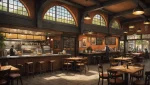



Walk into the most profitable coffee shop in your neighborhood and observe the coffee shop floor plan that guides customers. Look closely. What you’re seeing isn’t random – it’s strategic design at work. The layout that guides you to spend more, stay longer, and come back tomorrow isn’t an accident.
Coffee shop owners who understand layout psychology and foster community see up to 20% higher average tickets. Yet most café entrepreneurs focus on bean quality and menu innovation while treating their café design as an afterthought. This mistake costs thousands in lost revenue every month.
Think about your favorite coffee spot. The cozy corner table where you meet friends. The quick-service counter for morning rushes. The display case is positioned exactly where your eyes land while waiting. Every element was placed with purpose – to shape your behavior and open your wallet.
Your coffee shop layout isn’t just about aesthetics; it’s about creating an efficient layout that sells. It’s a silent salesperson working 24/7. It guides traffic, showcases products, creates emotions, and ultimately, drives sales.
In this guide, I’ll share proven layout strategies that boost profits and lead to success – from entrance positioning to counter design to seating arrangements. Whether you’re planning a new café or revamping an existing space, you’ll learn exactly how to transform your layout into a sales-generating machine.
The difference between coffee shops that thrive and those that close often comes down to one thing: smart design that sells drinks.
The U.S. Coffee Shop Industry
The U.S. coffee shop industry has over 42,700 outlets in 2024, with frequent visitors making up a large share, highlighting the importance of inviting and comfortable layouts
Metrobi drivers are rated 4.97/5
Trusted by local businesses for:
- Background-checked professionals
- Specialized in business deliveries
- Same drivers for consistency
- 4.97/5 average delivery rating
Step 1: Effective Coffee Shop Design Strategies
Strategic design increases customer dwell time and spending
Proper layout creates operational efficiency for staff
Well-planned spaces reflect your brand and attract target customers
Define Your Brand and Target Audience on Coffee Shop Layout
The foundation of any successful café design, which must support happy employees in the house, starts with a clear brand identity. Before selecting furniture or paint colors, coffee shop owners must develop a comprehensive understanding of who they are and whom they want to serve. This clarity drives every subsequent design decision.
Brand identity encompasses more than just a logo or color scheme. It includes your values, the experience you want to create, and the story you tell customers. Research from the Journal of Business Research shows that consumers spend up to 20% more in spaces that have design elements aligned with their self-image. This connection between customer identity and space design creates an environment where people feel comfortable and they belong.
Your target audience dictates practical design choices. For example, if your coffee shop targets remote workers, your layout requires more single tables, power outlets, and potentially quieter zones. If you’re focusing on social groups in your cafe, communal tables and conversation-friendly seating arrangements become essential. The design for a quick-service coffee shop differs dramatically from one focusing on third-wave coffee enthusiasts who might stay for hours.
Translating Brand Values into Physical Elements
Once you’ve defined your brand identity, you must express it through physical design elements. This process involves selecting materials, colors, lighting, and furnishings that communicate your brand values without saying a word.
A study published in the Journal of Environmental Psychology found that customers form judgments about a business within the first 90 seconds of entering, with up to 90% of that assessment based on color alone. For example, warm tones like reds and oranges stimulate appetite and conversation during morning coffee, but can increase turnover (customers leave faster). Blues and greens create a more relaxed atmosphere and great ambiance where people tend to linger longer.
Texture choices also communicate brand values. Reclaimed wood, exposed brick, and metal fixtures might signal sustainability and authenticity, while polished surfaces and minimalist designs suggest modernity and efficiency. These choices should be consistent with your overall brand strategy.
Balance Seating and Menu Offerings
The relationship between your menu and seating arrangement is often overlooked but critically important; here are some ideas to balance it. Your menu directly impacts how long customers stay, which in turn affects your seating strategy. This relationship must be carefully balanced to maximize both customer satisfaction and profit margins.
For cafés with quick-service items like grab-and-go pastries and drip coffee, a higher proportion of standing areas and bar-height tables makes sense. These arrangements facilitate faster turnover and accommodate the natural behavior of customers seeking quick service.
Adequate Space Between Tables in Coffee Bar
Adequate space between tables—typically about 24–30 inches table width plus 36 inches aisle behind chairs—is critical for customer comfort and smooth movement in coffee shops
Conversely, cafés featuring more complex menu items like pour-overs, full meals, or desserts need comfortable seating that encourages longer stays.
Calculating the Optimal Seating Mix
Determining the ideal seating mix requires analyzing your sales data alongside customer behavior. The industry standard suggests tracking your ticket sizes against dwell times to calculate revenue per available seat hour (RevPASH). This metric helps optimize seating for profitability.
For most successful coffee shops, a mix of seating types provides the greatest flexibility. Anthropologist Stefani Bardin’s research on social dining behaviors suggests that providing various seating options (solo, pairs, groups) matches natural human grouping tendencies and maximizes space utilization. A typical balanced approach might include:
40% standard tables and chairs (2-4 people)
25% bar or counter seating (singles)
20% comfortable lounge seating (longer stays)
15% communal or larger tables (groups)
This balance can be adjusted seasonally or based on your specific customer patterns. For example, many cafés find that weekday mornings require more single seating for commuters, while weekends demand more group seating for social gatherings.
Coordinate Flow and Accessibility with Coffee Shop Floor Plan
Customer flow is the invisible force that determines how people move through your café space. Poor flow creates bottlenecks, customer frustration, and reduced sales. Effective flow design starts with mapping the customer journey from entry to exit.
The primary paths in a café include the entry path, ordering path, pickup path, seating path, and exit path. These should never cross unnecessarily. When designing flow, consider that right-handed customers naturally tend to move counterclockwise through spaces. This pattern, documented in retail science studies by Paco Underhill, suggests placing your counter or ordering area to the right of the entrance when possible.
For optimal efficiency, the distance between key stations should be minimized for staff while maximizing the product exposure for customers at your location. The Specialty Coffee Association recommends that the distance between major workstations should not exceed 4-6 steps for baristas, reducing fatigue and increasing production speed.
Accessibility as a Design Priority
Accessibility isn’t just a legal requirement—it’s good business. Approximately 26% of adults in the United States have some type of disability. Designing for accessibility means creating spaces where all customers can navigate, order, and enjoy your offerings without barriers.
Beyond the basic ADA requirements of 36-inch pathways and appropriate table heights, truly accessible design considers factors like:
Clear sightlines to menus and ordering areas
Adequate space between tables for mobility devices
Accessible payment systems (height-adjustable or handheld)
Acoustic considerations for hearing-impaired customers
Acoustic Design
Acoustic design elements that reduce noise distractions improve customer experience in busy coffee shops
High-contrast signage for visually impaired customers
Minimalistic and Colorful Cafe Design
Minimalistic but colorful aesthetics are trending in 2025 coffee shop design, favoring clean, bright, and efficient layouts that appeal visually.
Implement Strategic Lighting Design
Lighting is far more than simple illumination—it’s a powerful tool that affects mood, perception of space, and even purchasing decisions; here are some tips to optimize it. Strategic lighting design combines functional needs with creative inspiration and atmospheric goals to create spaces that work for both customers and staff.
Research from the Journal of Marketing shows that lighting directly impacts how long customers stay and how much they spend, providing inspiration for strategic design. Bright lighting increases arousal and alertness, making it ideal for attracting new customers through ads during morning rushes when customers want efficiency. Dimmer, warmer lighting encourages creative relaxation and longer stays, perfect for afternoon and evening service when you want customers to order additional items.
For optimal café lighting, focus on layering three types of light: ambient (general illumination), task (functional lighting for work areas), and accent (highlighting design features or products). The Illuminating Engineering Society recommends light levels of 20-30 foot-candles for dining areas and 50-75 foot-candles for ordering and preparation areas.
Natural Light Considerations
Natural light offers both aesthetic benefits and operational savings. Studies show that spaces with natural light in your house increase customer satisfaction by up to 40% compared to artificially lit spaces. When designing your café, maximize window space where possible and consider skylights for interior areas.
However, natural light requires management. Direct sunlight can create uncomfortable glare and heat. Solutions include:
Adjustable blinds or shades for windows facing east/west
UV-filtering window films to reduce heat while maintaining light
Strategic placement of plants or decorative screens to diffuse harsh light
Seating arrangements that avoid direct sun exposure during peak hours
The balance between natural and artificial lighting should shift throughout the day, with systems that can adapt to changing conditions and service needs.
Select Materials for Durability and Acoustics
Material selection in coffee shop design must balance quality, aesthetic appeal, with practical performance. Coffee shops experience heavy traffic and exposure to liquids, making durability paramount. The wrong materials can lead to rapid deterioration, ongoing maintenance costs, and poor customer experience.
Commercial-grade materials designed for hospitality settings generally offer the best long-term value despite higher initial costs. For flooring, porcelain tile provides exceptional durability with minimal maintenance, while commercial-grade luxury vinyl tile (LVT) offers comfort underfoot and noise reduction. Both outlast residential alternatives by 5-10 years under café conditions.
Countertops face constant exposure to water, heat, and acidic substances. Quartz composites (like Caesarstone or Silestone) resist staining and don’t require sealing, unlike natural stone. For high-traffic serving areas, stainless steel provides unmatched durability despite its higher cost.
Acoustic Management
Acoustic management remains one of the most overlooked aspects of coffee shop design despite its significant impact on customer experience. Studies from the Acoustical Society of America show that excessive noise (above 85 decibels) reduces average customer stay times by up to 50% and decreases the likelihood of return visits.
Effective acoustic design involves both absorption and diffusion. Strategic material choices include:
Ceiling treatments: Acoustic ceiling tiles or suspended baffles can reduce noise by 30-50%
Wall treatments: Fabric-wrapped acoustic panels absorb sound while adding design elements
Flooring: Cork, rubber, or carpet tiles in select areas reduce impact noise
Furniture: Upholstered seating absorbs sound rather than reflecting it
The layout also affects acoustics. Creating zones with different noise levels near the coffee bar allows customers to choose their preferred environment. Barriers like bookcases, plant walls, or decorative screens can separate louder and quieter areas without building permanent walls.
For the most accurate acoustic design, consider working with an acoustician during the planning phase, especially for spaces larger than 1,500 square feet or in buildings with challenging architectural features like high ceilings or hard surfaces.
Step 2: Maximizing Retail Space Utilization
Strategic space planning can increase customer spending by up to 40%
Well-designed coffee shops see 15-25% higher sales per square foot
Right furniture and vertical storage solutions maximize limited space
Assess the Space You Have
The first step in maximizing your coffee shop’s retail space is conducting a thorough assessment of customer walks and what you’re working with. This means taking precise measurements of your entire floor plan, including ceiling height, window placements, wall space, and existing fixtures. Record these measurements in a detailed floor plan that you can reference throughout your design process.
When assessing your space, pay special attention to traffic flow patterns. Watch how customers and staff currently move through your space, noting areas where congestion occurs or where people naturally gather. This observation will help you identify prime selling zones versus dead areas that need improvement.
Zoning Your Coffee Shop
Divide your floor plan into functional zones based on specific activities:
Customer service zone: Where ordering and payment happen
Production zone: Where drinks and food are prepared
Consumption zone: Where customers enjoy their purchases
Retail zone: Where additional products are displayed and sold
Staff zone: Areas for employee storage, breaks, and administrative tasks
Each zone should be allocated appropriate space based on its importance to your business model, ensuring there is more space for customer movement. For example, if to-go orders represent 70% of your business, your service counter and waiting area should be proportionally sized. Measure foot traffic during different times of day to understand how space requirements change throughout your operating hours.
Flexible Furniture Options
Selecting the right furniture is crucial for maximizing your coffee shop’s space. The key is flexibility and convenience – furniture that can be easily moved, reconfigured, or repurposed as your needs change throughout the day.
Consider tables with folding or removable leaves that can accommodate different group sizes. Round tables are particularly space-efficient as they eliminate corners and allow for easier movement. Tables on castors can be quickly rearranged for events or busy periods. Look for chairs that stack or nest when not in use, allowing you to adjust seating capacity without cluttering storage areas.
Multi-Purpose Solutions
Invest in furniture that serves multiple functions to maximize utility:
Bench seating with built-in storage underneath
Bar counters that double as workspaces during off-peak hours
Modular display units that can be reconfigured for different products
Ottoman seating that can function as tables when topped with trays
Wall-mounted tables that fold down only when needed
Consider the visual weight of your furniture as well. Pieces with open bases and lighter colors create a sense of spaciousness even in tight quarters. Glass or acrylic elements can make small spaces feel less cramped by allowing light to pass through.
Layout Flexibility Planning
Create at least three different layout configurations that your staff can implement quickly:
Standard daily operation layout
High-capacity layout for peak hours
Event layout for special occasions
Document these layouts with photographs or diagrams so staff can execute changes efficiently. Conduct regular tests to ensure furniture can be reconfigured within 10-15 minutes.
Incorporate Vertical Space
Many coffee shop owners focus exclusively on floor space while neglecting the ideal layout that includes valuable real estate on their walls and above eye level for support. Vertical space utilization is essential when working with limited square footage, especially with retail rents rising 1.9%-3.2% in 2025.
Wall-mounted shelving serves multiple purposes: it provides storage, creates display opportunities for retail products, and contributes to your overall aesthetic. Install adjustable shelving systems that can display local art and be reconfigured as your needs change. For structural stability, ensure shelves are properly anchored to wall studs and respect weight limitations.
Strategic Vertical Displays
When planning vertical displays, follow these principles:
Place high-margin items at eye level (typically 4-5 feet from the floor)
Use lower shelves for heavier, bulkier items
Reserve top shelves for visually appealing but less frequently accessed items
Install proper lighting to highlight vertical displays
Ensure all displayed items are easily accessible to staff
Consider wall-mounted menu boards, digital displays, or artwork that can be changed seasonally. These elements use vertical space for coffee displays while reinforcing your brand and creating visual interest. In seating areas, wall-mounted coat hooks save customers from draping jackets over chairs, which keeps pathways clear and creates a tidier appearance.
Create Illusions of Space
Beyond physical space optimization, you can employ design techniques that create the perception of more space. These psychological approaches complement your practical space-saving measures.
Mirrors are particularly effective at making spaces appear larger. Place large mirrors on walls opposite windows to reflect natural light and create the illusion of depth. Strategic mirror placement can visually double your space while brightening dark corners.
Color choices significantly impact spatial perception. Light colors like whites, creams, and soft pastels make walls appear to recede, creating an airy feeling. Consider painting your ceiling a slightly lighter shade than your walls to create the impression of height. Monochromatic color schemes (using varying shades of the same color) create a cohesive look that makes spaces feel larger and more organized.
Visual Continuity Techniques
Maintain visual continuity throughout your space with these strategies:
Use consistent flooring throughout (or complementary materials that flow together)
Align shelving and fixtures at standard heights
Create sightlines that draw the eye through the space
Minimize visual barriers between zones where possible
Use transparency (glass, open shelving) to maintain openness
Lighting plays a crucial role in space perception. Avoid harsh overhead lighting that creates shadows and makes spaces feel smaller. Instead, layer lighting with ambient, task, and accent sources to create depth and highlight important areas.
Optimize Circulation Paths
Efficient customer flow is essential for maximizing both space utilization and sales potential. Well-designed circulation paths guide customers through your space in ways that expose them to more products while preventing congestion.
You can start by mapping the primary pathway from the entrance to the service counter to the seating areas. This main circulation route should be at least 4 feet wide to accommodate two-way traffic and comply with accessibility standards. Secondary pathways connecting different zones can be narrower (about 3 feet) but should still allow for comfortable movement.
Traffic Flow Analysis
Analyze customer movement patterns by:
Observing and timing how long customers spend in different areas
Noting where people naturally pause or gather
Identifying points of congestion during peak hours
Mapping the customer journey from entry to exit
It is better to use this data to place high-margin impulse purchase items at decision points and waiting areas, similar to how effective ads draw attention. Position your retail displays where customers naturally slow down or wait. Consider creating a one-way flow during peak times to reduce congestion, with clear signage directing customers.
Implement Space-Saving Storage Solutions
Efficient back-of-house storage is critical for maintaining an uncluttered customer area in your coffee business. Even with limited space, smart storage solutions can keep your operation running smoothly.
You can start by conducting a storage audit: list everything that needs to be stored, how frequently it’s accessed, and its size. Categorize items as daily use, weekly use, or occasional use. Items used daily should be stored at accessible heights (between waist and eye level), while less frequently used items can go higher or lower.
Creative Storage Implementations
Consider these space-efficient storage solutions:
Under-counter refrigeration units instead of stand-alone refrigerators
Pegboard systems for hanging tools and small equipment
Magnetic strips for metal utensils and tools
Stackable, clear containers with labels for dry goods
Vertical file organizers for paperwork and menus
Over-door organizers for cleaning supplies
Leverage Technology for Space Efficiency
Modern technology offers numerous tools that can help you maximize your coffee shop’s physical space while improving operational efficiency.
Point-of-sale systems with small footprints or tablet-based solutions require minimal counter space compared to traditional cash registers. Cloud-based inventory management systems reduce the need for physical paperwork and filing cabinets. Digital menu boards eliminate the need for large physical menus and allow for easy updates.
Mobile ordering applications can reduce counter congestion by allowing customers to order ahead and simply pick up their items. This technology enables you to serve more customers without expanding your physical space. Some systems can even help manage customer flow by assigning pickup times during peak periods.
High-Tech Ordering Solutions in the Coffee Business
High-tech ordering solutions (like digital menus and POS integration) designed into the space reduce wait times and streamline service flow
Space-Saving Tech Integration
When implementing technology, consider these space-saving principles:
Mount screens and digital displays on walls rather than counters
Use wireless equipment where possible to reduce cable clutter
Integrate charging stations into furniture to eliminate separate stations
Select equipment with multiple functions (printer/scanner combinations)
Choose compact equipment designed specifically for small spaces
Remember that technology should enhance rather than detract from your café’s atmosphere. Hide routers, cables, and other technical equipment to maintain your aesthetic while benefiting from technological efficiency.
Flexible Seating Coffee Shop Layout
Flexible seating and layout adaptability are essential to accommodate both solo customers (laptop users) and groups, requiring varied spatial configurations
By methodically assessing your space, selecting flexible furniture, incorporating vertical storage, creating spatial illusions, optimizing circulation, implementing smart storage, and leveraging technology, you can maximize every square foot of your coffee shop. These strategies not only make your space more functional but also enhance the customer experience, making it a place where friends can potentially lead to longer visits and increased spending.
Coffee Shop Designs and Layouts

A well-designed coffee shop layout is an investment that pays daily returns. By creating spaces that guide customers naturally from entrance to counter, offering varied seating that encourages both quick visits and longer stays, and streamlining your workflow, you’re building a business that works even when you don’t. The science is clear: thoughtful layouts increase average ticket sizes and bring customers back.
Remember that your space tells a story about your brand. Every corner, counter, and chair should reinforce who you are and whom you serve. You can start small—improve one area at a time. Perhaps begin with your counter flow or rearrange seating to create better customer pathways.
The most successful coffee shops aren’t just selling drinks—they’re selling experiences that customers value enough to pay more for and return to consistently. By applying these layout principles to your coffee shop, you’re not just changing your floor plan—you’re reshaping your business future.
Your perfect coffee shop layout is waiting to be built. The only question is: which improvement will you make first? Another emerging trend that coffee shop owners should consider is incorporating drive-thru services to capture convenience-focused customers. Drive-thru setups can complement your existing layout by streamlining order flow and increasing sales during peak hours without sacrificing indoor space. Learn more about setting up an effective drive-thru with our detailed guide on how to start a successful drive-thru coffee concept. This approach not only expands your customer base but also integrates smoothly with your overall shop design strategy.