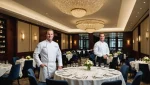



Are you a chef dreaming of being a Michelin-star chef?
With over 15,000 restaurants worldwide and only 3,500 holding Michelin stars, it’s no easy feat.
But it’s not impossible.
In this ultimate guide on “How to Get a Michelin Star,” we’ll walk you through the essential criteria, step-by-step process, and challenges of earning and maintaining a Michelin star in 2024.
From mastering exceptional food quality to delivering impeccable service, you’ll learn what it takes to join the ranks of culinary greats like Alain Ducasse and Gordon Ramsay.
Ready to embark on your Michelin star journey? Let’s get started.
Michelin Star Ratings:
One star: "a very good restaurant".
Two stars: "excellent cooking that is worth a detour".
Three stars: "exceptional cuisine that is worth a special journey"
Save 80% of delivery management time
We handle everything:
- Dedicated operations manager
- Real-time tracking dashboard
- Automated customer notifications
- Urgent issue resolution
Michelin Star Requirements: The Essential Criteria for Earning the Coveted Award
Exceptional food quality, impeccable service, and a unique dining experience are crucial for earning a Michelin star
Consistency, creativity, and attention to detail are key factors in the evaluation process
Restaurants must demonstrate sustainable practices and a commitment to excellence in all aspects of their operations
Earning a Michelin star is the ultimate goal for many chefs and restaurateurs around the world. The prestigious award is a recognition of exceptional culinary excellence, setting the standard for fine dining. To achieve this coveted accolade, restaurants must meet a set of rigorous criteria that go beyond just serving delicious food. Explore the elusive criteria for gaining a Michelin star rating and understand the unparalleled commitment required to reach the zenith of gastronomical achievements.
Exceptional Food Quality and Consistency
At the heart of every Michelin-starred restaurant is an unwavering commitment to exceptional food quality. Chefs must use the finest, freshest ingredients to create innovative and flavorful dishes that showcase their culinary expertise. Consistency is paramount; every dish must be executed to perfection, ensuring that guests receive the same high-quality experience each time they visit.
Sourcing the Best Ingredients
Michelin-starred restaurants often work closely with local farmers, fishermen, and suppliers to procure the best possible ingredients. This dedication to sourcing top-quality produce, meats, and seafood is evident in the vibrant flavors and textures of each dish.
Culinary Creativity and Innovation
To stand out in the competitive world of fine dining, chefs must continually push the boundaries of culinary creativity. Michelin inspectors look for restaurants that offer unique and innovative dishes, showcasing the chef’s ability to combine flavors, textures, and presentations in new and exciting ways.
Impeccable Service and Dining Experience
Exceptional food is only one part of the equation when it comes to earning a Michelin star. The dining experience as a whole must be impeccable, with attentive, knowledgeable, and professional service from start to finish. Michelin inspectors assess the level of hospitality, ensuring that guests feel welcome and well-cared for throughout their meal.
Attention to Detail
Every aspect of the dining experience, from the table settings to the lighting and ambiance, must be carefully considered and executed to the highest standards for the Michelin star rating system. Michelin-starred restaurants pay meticulous attention to detail, ensuring that every element contributes to a memorable and enjoyable experience for guests.
Restaurant Operations and Management
Behind the scenes, Michelin-star status restaurants must demonstrate excellence in all aspects of their operations. This includes efficient kitchen management, effective staff training, and a commitment to sustainability and ethical practices.
Kitchen Organization and Efficiency
A well-organized and efficient kitchen is essential for maintaining the high standards required for a Michelin star. Chefs must lead their teams effectively, ensuring that every dish is prepared and plated to perfection, even during busy service periods since sometimes they review restaurants anonymously.
Staff Training and Development
Michelin-starred restaurants invest heavily in staff training and development, ensuring that every team member, from the servers to the sommeliers, has the knowledge and skills necessary to provide exceptional service. Regular training sessions and workshops help to maintain the highest standards of professionalism and expertise.
Sustainability and Ethical Practices
In recent years, Michelin has placed increasing emphasis on sustainability and ethical practices in the restaurant industry. Michelin-starred restaurants are expected to demonstrate a commitment to minimizing their environmental impact, reducing waste, and supporting local communities.
Eco-Friendly Initiatives
Many Michelin-starred restaurants have embraced eco-friendly initiatives, such as using renewable energy sources, reducing food waste, and recycling. These efforts not only contribute to a more sustainable future but also demonstrate the restaurant’s dedication to responsible business practices.
Consistency and Continuous Improvement
Earning a Michelin star is not a one-time achievement; restaurants must continuously strive for excellence and maintain the highest standards year after year. Michelin inspectors visit establishments regularly to ensure that the quality of food, service, and overall experience remains consistent over time.
Adapting to Changing Trends and Customer Preferences
To retain their Michelin star, restaurants must be able to adapt to changing trends and customer preferences without compromising their core values and quality standards. This requires a delicate balance of innovation and consistency, ensuring that guests always receive an exceptional dining experience.
In conclusion, earning a Michelin star is a testament to a restaurant’s unwavering commitment to excellence in all aspects of their operations. From exceptional food quality and impeccable service to sustainable practices and continuous improvement, Michelin-starred restaurants set the standard for fine dining around the world. By understanding and meeting these rigorous criteria, chefs and restaurateurs can work towards achieving this prestigious accolade and cementing their place among the culinary elite.
Metrobi is transforming catering deliveries
Specialized solutions for catering businesses:
- Catering-trained drivers
- Proper handling equipment
- Peak day delivery support
- 23% average cost reduction
Step-by-Step Guide: How to Get a MICHELIN Star
Step 1: Develop a Unique Culinary Vision
To earn a Michelin star, you must first create a distinctive concept and menu that sets your restaurant apart from others. Focus on a specific cuisine or culinary style and excel in its execution. This means developing signature dishes that showcase your creativity and mastery of techniques.
Continuously refine and improve your dishes based on feedback from guests and your own inspiration. Stay true to your vision while also being open to new ideas and influences. Remember that earning a Michelin star is not about following trends, but rather about creating a unique and memorable dining experience.
Step 2: Assemble a Talented and Dedicated Team
No chef can earn a Michelin star alone. It takes a team of skilled and dedicated professionals to create and maintain the level of excellence required. Hire chefs, sous chefs, and kitchen staff who share your vision and passion for culinary excellence.
Provide ongoing training and development opportunities to keep your staff motivated and engaged. Encourage them to contribute ideas and take ownership of their work. Foster a collaborative and creative work environment that encourages innovation and pushes everyone to be their best.
Step 3: Invest in Quality Ingredients and Equipment
To create Michelin-worthy dishes, you need the best ingredients and equipment. Source ingredients from reliable suppliers who share your commitment to quality. Build relationships with local farmers and producers to ensure you have access to the freshest and most flavorful ingredients.
Invest in state-of-the-art kitchen equipment and technology to optimize your operations. This includes everything from high-performance ovens and stoves to precision tools for plating and presentation. Regularly maintain and upgrade your kitchen facilities to ensure they meet the highest standards of hygiene and efficiency.
Quality Ingredients:
Use of high-quality, locally sourced ingredients that reflect the restaurant's mission and geographical location.
Ingredients do not necessarily have to be expensive or flashy; focus on simple, fresh ingredients.
Step 4: Deliver Exceptional Service and Ambiance
While the food is the star of any Michelin-starred restaurant, service and ambiance play a crucial role in the overall dining experience. Train your front-of-house staff to provide attentive, knowledgeable, and personalized service. They should be able to answer questions about the menu, make thoughtful recommendations, and anticipate guests’ needs.
Create a welcoming and comfortable dining room that enhances the overall experience. Pay attention to every detail, from the table settings and lighting to the music and artwork. The goal is to create a cohesive and immersive atmosphere that complements the food and makes guests feel special.
Value for Money:
The overall dining experience should be worth the cost, considering the quality of food, service, and ambiance.
Step 5: Seek Feedback and Continuously Improve
Earning a Michelin star is not a one-time achievement, but rather an ongoing commitment to excellence. Encourage guest feedback and use it to identify areas for improvement. Regularly assess your menu, service, and operations to ensure they continue to meet the highest standards.
Stay updated on industry trends and incorporate new techniques and ideas as appropriate. Attend culinary conferences and workshops to learn from other top chefs and stay inspired. Continuously push yourself and your team to be better and never rest on your laurels.
Consistency:
Consistency is key; inspectors visit restaurants multiple times to ensure excellence is maintained
How long does it take to get a Michelin star?
The time it takes to earn a Michelin star varies depending on the restaurant and its team. Some restaurants have earned a star within their first year of opening, while others have taken several years to reach that level. On average, it takes about 3-5 years of consistent excellence to catch the attention of Michelin inspectors and earn a star.
How hard is it to get one Michelin star?
Earning a Michelin star is incredibly difficult and requires a level of dedication and consistency that few restaurants can achieve. Michelin inspectors have high standards and look for exceptional quality in every aspect of the dining experience, from the food and service to the ambiance and decor. According to Michael Ellis, International Director of Michelin Guides, “Making the simple sublime will get our attention” when it comes to the quality of ingredients and techniques used.
With hard work, talent, and a commitment to excellence, earning a Michelin star is achievable for chefs and restaurants that are willing to put in the time and effort. By following these steps and staying focused on your goals, you can join the ranks of the world’s best chefs and restaurants.
Michelin Star Criteria: Understanding the Evaluation Process
Michelin stars are awarded based on strict criteria and anonymous inspections
Five key factors are considered: quality of ingredients, mastery of cooking techniques, chef’s personality, value for money, and consistency
Maintaining a Michelin star requires ongoing dedication and excellence in all aspects of the restaurant
The Role of Michelin Inspectors
Michelin inspectors play a crucial role in determining which restaurants receive the coveted Michelin stars. These anonymous reviewers are highly trained professionals with extensive culinary knowledge and experience in the restaurant industry. They visit restaurants unannounced, often multiple times, to evaluate the quality of the food, service, and overall dining experience.
Inspectors follow a strict set of guidelines and criteria when assessing restaurants for star ratings. They pay close attention to every aspect of the meal, from the presentation and flavor combinations to the consistency and execution of each dish. Inspectors also consider factors such as the ambiance, service, and wine list, but the primary focus remains on the food itself.
The Secrecy of Michelin Inspectors
One of the most intriguing aspects of the Michelin star system is the secrecy surrounding the inspectors. Michelin closely guards the identities of its inspectors to ensure impartiality and prevent any potential bias or influence from restaurant owners or chefs. Inspectors never reveal their true purpose when visiting a restaurant, and they pay for their meals to maintain anonymity.
The Five Key Criteria for Michelin Star Evaluation
Michelin inspectors evaluate restaurants based on five key criteria:
Quality of ingredients: Michelin-starred restaurants are expected to use the freshest, highest-quality ingredients available. Inspectors look for carefully sourced, seasonal ingredients that showcase the chef’s commitment to excellence.
Mastery of flavor and cooking techniques: Chefs at Michelin-starred restaurants must demonstrate exceptional skill and mastery of cooking techniques. Inspectors evaluate the balance of flavors, texture, and presentation of each dish.
Technical Mastery:
Employ a wide range of cooking techniques to highlight the innate characteristics of produce and protein.
Mastering techniques such as prompt food plating and maintaining food temperature is crucial.The personality of the chef represented in the cuisine: Michelin inspectors look for a clear expression of the chef’s unique style and creativity in the menu. The dishes should reflect the chef’s passion, background, and culinary philosophy.
Personality:
Dishes should carry the chef’s personality and unique approach to cuisine.
Chefs should be encouraged to experiment and showcase their creativity.Value for money: While Michelin-starred restaurants are often associated with high prices, inspectors also consider whether the overall dining experience justifies the cost. They evaluate the quality of the food, service, and ambiance in relation to the price point.
Consistency of quality across visits and over time: To earn and maintain a Michelin star, restaurants must demonstrate consistent excellence. Inspectors visit restaurants multiple times to ensure that the quality remains high across different dishes and over an extended period.
The Importance of Consistency
Consistency is a critical factor in the Michelin star evaluation process. Restaurants must maintain the same high standards day after day, year after year. A single off night or a dip in quality can jeopardize a restaurant’s star rating. This is why many chefs and restaurateurs consider the pressure of maintaining a Michelin star to be even greater than the challenge of earning one in the first place.
By understanding the role of Michelin inspectors and the five key criteria they use to evaluate restaurants, chefs can better align their efforts with the expectations of the Michelin guide. However, earning a Michelin star is not without its challenges, as the next section will explore in more detail.
The Challenges of Maintaining a Michelin Star
Earning a Michelin star is a remarkable achievement, but maintaining it can be even more demanding
Chefs and restaurants face constant pressure to uphold their reputation and meet the evolving expectations of inspectors and diners
Balancing innovation, consistency, and financial sustainability is a delicate act that requires unwavering dedication and adaptability
Pressure to Maintain High Standards
Michelin-starred restaurants are held to exceptionally high standards, with every aspect of the dining experience scrutinized by inspectors and discerning guests. Chefs must consistently deliver impeccable dishes that showcase their creativity, technical skill, and commitment to quality ingredients. Even the slightest inconsistency or misstep can jeopardize a restaurant’s Michelin status, as inspectors are known for their rigorous evaluations and unannounced visits.
Michelin Star Distribution:
77.5% of reviews in the Michelin Group were given to restaurants that received their first star in 2018.
18.3% were given to restaurants that received their second star.
4.2% were given to restaurants that received their third star.Number of Michelin Star Restaurants:
Total: 2,817 restaurants worldwide have Michelin status of any kind.
Three-Michelin-Star Restaurants: 137 restaurants globally.
Three-Michelin-Star Restaurants by Country (2024):
France: 30.
Japan: 20.
Spain: 15.
Italy: 13.
United States: 13.
The Constant Pursuit of Excellence
To retain their stars, chefs must continuously push themselves to innovate and refine their craft. This requires a relentless pursuit of perfection, from sourcing the finest ingredients to mastering new techniques and presenting dishes with meticulous attention to detail. The pressure to maintain such high standards can be mentally and physically taxing, as chefs strive to exceed the expectations set by their previous achievements.
Financial and Operational Demands
Earning and maintaining a Michelin star often necessitates significant financial investments. Restaurants may need to upgrade their facilities, equipment, and ingredients to meet the exacting standards of the guide. This can include investing in state-of-the-art kitchen equipment, premium tableware, and luxurious dining room decor to create an exceptional ambiance.
Furthermore, attracting and retaining talented staff is crucial to the success of a Michelin-starred restaurant. Chefs must assemble a team of skilled and dedicated professionals who share their passion for culinary excellence. Higher salaries and benefits may be necessary to attract top talent, which can put additional pressure on profit margins.
Sentiment Analysis:
Price sentiment was positively affected by the award of a Michelin Star, with a prominent increase of 68.2%.
Balancing Quality and Profitability
While earning a Michelin star can boost a restaurant’s reputation and attract more customers, it doesn’t guarantee financial success. The high costs associated with maintaining Michelin standards can strain a restaurant’s bottom line, particularly if the increased demand doesn’t translate into sufficient revenue. Chefs and restaurateurs must carefully manage their finances, optimizing operations and menu pricing to ensure the long-term viability of their establishment.
Balancing Innovation and Consistency
Michelin-starred chefs are expected to demonstrate creativity and innovation in their cuisine while maintaining a consistent level of quality. This delicate balance can be challenging, as chefs must introduce new dishes and techniques to keep their menus fresh and exciting without straying too far from the signature style that earned them their star(s).
The Risk of Change
Innovating too quickly or drastically can alienate loyal customers who have come to expect certain dishes or flavors. At the same time, failing to evolve and adapt to changing culinary trends can make a restaurant appear stagnant or outdated. Chefs must carefully consider the pace and extent of change, testing new ideas and gathering feedback from diners to ensure that any menu updates are well-received.
Signature Dishes and Customer Expectations
Many Michelin-starred restaurants are known for their signature dishes – iconic creations that have become synonymous with the chef’s style and the restaurant’s identity. While these dishes are often beloved by customers and critics alike, they can also become a burden for chefs who feel pressured to keep them on the menu indefinitely. Striking the right balance between preserving signature items and introducing new creations is an ongoing challenge for Michelin-starred chefs.
The Psychological Toll
The intense pressure to maintain Michelin standards can take a significant psychological toll on chefs and their teams. The constant scrutiny, long hours, and high-stakes environment can lead to stress, burnout, and even mental health issues.
Psychology
A study conducted by the University of California, Berkeley, found that 73% of chefs surveyed reported experiencing multiple mental health conditions, including depression, anxiety, and substance abuse.
To cope with these challenges, chefs must prioritize self-care, seek support from colleagues and loved ones, and create a healthy work-life balance. Some Michelin-starred restaurants have begun to address these issues by implementing better working conditions, offering mental health resources, and fostering a more supportive kitchen culture.
The Ever-Evolving Michelin Standards
The Michelin Guide’s criteria for awarding stars are not set in stone; they evolve over time to reflect changing culinary trends, consumer preferences, and societal values. This means that what may have earned a restaurant a star in the past might not be sufficient to maintain that status in the future.
For example, in recent years, the Michelin Guide has placed greater emphasis on sustainability, ethical sourcing, and environmental responsibility. Chefs must now consider these factors when designing their menus and sourcing ingredients, adding another layer of complexity to the already demanding task of maintaining a Michelin star.
To stay ahead of the curve, chefs must stay informed about the latest developments in the culinary world, attend workshops and conferences, and engage with their peers to share ideas and best practices. They must also be willing to adapt their approach as necessary, whether that means incorporating more plant-based options, reducing food waste, or supporting local producers.
The Importance of a Strong Team
While the head chef is often the face of a Michelin-starred restaurant, maintaining that status is a team effort. Every member of the staff, from the sous chefs and line cooks to the servers and dishwashers, plays a crucial role in upholding the restaurant’s standards and creating an exceptional dining experience.
Building and managing a strong, cohesive team is essential to the long-term success of a Michelin-starred restaurant. Chefs must be effective leaders, communicators, and mentors, fostering a culture of excellence, collaboration, and continuous learning. They must also be prepared to handle the inevitable turnover that comes with the high-pressure environment, ensuring that new staff members are properly trained and integrated into the team.
Cultivating Talent and Succession Planning
To ensure the longevity of their Michelin-starred restaurants, chefs must also think about succession planning and cultivating the next generation of culinary talent. This involves identifying and nurturing promising young chefs, providing them with opportunities to grow and develop their skills, and creating a clear path for advancement within the organization.
Some Michelin-starred chefs have established mentorship programs or partnerships with culinary schools to help foster the next generation of talent. By investing in the future of the industry, they not only secure the legacy of their own restaurants but also contribute to the ongoing evolution and vitality of the culinary world.
What is a Michelin Star?
Michelin stars are the most prestigious awards in the culinary world
Restaurants can earn one, two, or three stars based on their cuisine and service
Earning a Michelin star can significantly impact a restaurant’s success and reputation
The History and Significance of Michelin Stars
The Michelin Guide, first published in 1900 by the Michelin tire company, initially served as a resource for motorists, providing information on restaurants, hotels, and other travel-related services. Over time, the guide’s restaurant rating system evolved, becoming the most influential and respected in the world.
Michelin stars are awarded based on anonymous visits by experienced inspectors who assess the quality of the cuisine, the consistency of the food, the mastery of cooking techniques, the personality of good restaurant and the chef expressed through the dishes, and the overall dining experience. The inspectors do not consider the restaurant’s decor, table setting, or service quality when awarding stars. Explore how a restaurant can earn a coveted Michelin star, reflecting its exceptional standards in culinary excellence and establishing it as a top-tier dining destination.
The Michelin Guide’s impact on the restaurant industry is profound. Earning a Michelin star can dramatically increase a restaurant’s visibility, customer base, and revenue. Chefs who receive Michelin stars are often catapulted to celebrity status within the culinary world, leading to increased media attention, book deals, and other opportunities.
The Three Michelin Star Levels and Their Meaning
One Michelin Star
A restaurant awarded one Michelin star is considered a very good restaurant in its category, offering cuisine prepared to a consistently high standard. These restaurants often feature skilled chefs who create dishes using high-quality ingredients and well-executed techniques.
Earning one Michelin star is a significant achievement, as it recognizes the restaurant’s commitment to culinary excellence. Many one-starred restaurants are popular among locals and food enthusiasts, offering a memorable dining experience that showcases the chef’s talent and creativity.
Two Michelin Stars
Restaurants that receive two Michelin stars are considered excellent, worth a detour. These establishments offer outstanding cuisine crafted with exceptional skill and quality ingredients. Two-starred restaurants often feature innovative dishes, unique flavor combinations, excellent cooking and impeccable presentation.
Chefs who lead two-starred restaurants are highly respected within the culinary community, often known for their distinctive cooking styles and ability to push the boundaries of traditional cuisine. Dining at a two-starred restaurant is often a destination experience, attracting food lovers from around the world.
Three Michelin Stars
Three Michelin stars represent the pinnacle of culinary achievement, awarded to restaurants that offer exceptional cuisine worth a special journey. These establishments are rare, with only around 130 three-starred restaurants worldwide as of 2021. Uncover the elite list of restaurants awarded three Michelin stars and immerse yourself in the finest dining experiences across the globe.
Restaurants that earn three Michelin stars are known for their uncompromising dedication to quality, innovation, and consistency. The chefs at these establishments are often considered visionaries in the culinary world, pushing the boundaries of what is possible with food and creating truly unforgettable dining experiences.
Earning three Michelin stars is an extraordinary accomplishment that requires years of hard work, creativity, and an unwavering commitment to excellence. Chefs who achieve this level of recognition are celebrated as masters of their craft, and their restaurants become global destinations for food enthusiasts.
The Impact of Michelin Stars on the Restaurant Industry
Michelin stars have a profound impact on the restaurants that earn them, as well as the broader culinary landscape. When a restaurant is awarded one or more Michelin stars, it experiences a surge in popularity, often leading to fully booked reservations months in advance and increased media attention.
The financial benefits of earning a Michelin star can be significant. According to a study by the University of California, Berkeley, restaurants that receive a Michelin star can expect to see a 15-25% increase in revenue. This boost in income can help restaurants invest in better equipment, hire additional staff, and continue to innovate and improve their offerings.
Average Cost:
Two-starred restaurants: The full tasting menu costs approximately $252 (215 euros) per person.
Three-starred restaurants: The full tasting menu costs around $357 (304 euros) per person, which is an additional $100 compared to two-starred restaurants.Price Difference:
The average difference in cost between one and two-starred restaurants is around €93.
The leap from one to three stars can set you back an additional €184.
However, the pressure to maintain Michelin stars can also be intense. Chefs and restaurant owners may feel compelled to work longer hours, invest in higher-quality ingredients, and constantly innovate to keep their stars. Some chefs, such as Marco Pierre White and Joël Robuchon, have even “returned” their Michelin stars, citing the stress and pressure associated with maintaining the rating.
Despite the challenges, the Michelin Guide remains the most influential restaurant rating system in the world, shaping the careers of countless chefs and defining the global culinary landscape. Earning a Michelin star is a testament to a restaurant’s commitment to excellence and a badge of honor that can elevate an establishment to the highest echelons of the food world.
Famous Michelin-Starred Chefs and Restaurants
Prominent Chefs with Multiple Michelin Stars
The world of haute cuisine is graced by numerous talented chefs who have earned multiple Michelin stars throughout their careers. These chefs are known for their exceptional culinary skills, innovative culinary techniques used, and ability to create unforgettable dining experiences.
Alain Ducasse
Alain Ducasse, a French chef, has been awarded an impressive 21 Michelin stars across his global restaurant empire. His flagship restaurant, Alain Ducasse at The Dorchester in London, has held three Michelin stars since 2010. Ducasse is known for his refined and sophisticated cuisine, which often showcases the best of French gastronomy while incorporating international influences.
Joel Robuchon
The late Joel Robuchon, another French chef, held the record for the most Michelin stars during his lifetime. At one point, he had accumulated 32 stars across his various restaurants. Robuchon was renowned for his mastery of French cuisine, particularly his signature dish, pommes purée, a silky-smooth potato purée that became a staple in his restaurants.
Gordon Ramsay
British chef and television personality Gordon Ramsay has earned a total of 7 Michelin stars across his restaurants. His flagship establishment, Restaurant Gordon Ramsay in London, has held three Michelin stars since 2001. Ramsay is known for his modern French-inspired cuisine, as well as his fiery temper and no-nonsense approach to kitchen management, as seen on his popular television shows like “Hell’s Kitchen” and “MasterChef”.
Iconic Michelin-Starred Restaurants Around the World
In addition to the chefs themselves, certain restaurants have become synonymous with Michelin-starred fine dining establishment. These establishments are known for their exceptional cuisine, impeccable service, and unique dining experiences.
Noma (Copenhagen, Denmark)
Noma, a three-Michelin-starred restaurant in Copenhagen, Denmark, has been at the forefront of the New Nordic cuisine movement. Under the leadership of chef René Redzepi, Noma has focused on using local, seasonal ingredients to create innovative and often surprising dishes. The restaurant has been named the World’s Best Restaurant four times by Restaurant magazine, specifically in 2010, 2011, 2012, and 2014.
Osteria Francescana (Modena, Italy)
Osteria Francescana, located in Modena, Italy, is a three-Michelin-starred restaurant known for its modern interpretation of Italian cuisine. Chef Massimo Bottura’s creative dishes often draw inspiration from art, music, and his childhood memories. The restaurant’s most famous dish, “Five Ages of Parmigiano Reggiano,” features the iconic Italian cheese in five different textures and temperatures.
Eleven Madison Park (New York City, USA)
Eleven Madison Park, a three-Michelin-starred restaurant in New York City, is renowned for its contemporary American cuisine and exceptional service. Under the leadership of chef Daniel Humm, the restaurant has embraced a plant-based menu, showcasing the potential of vegetables and sustainability in high-end dining. The restaurant’s multi-course tasting menu is an immersive experience that highlights the best of seasonal ingredients and innovative cooking techniques. As of 2022, Eleven Madison Park continues to offer a plant-based menu, emphasizing sustainability and creative uses of vegetables.
Global Comparison:
Hong Kong holds the title of the most expensive Michelin dining destination globally, with a median price of €248 for a Michelin dining experience.
Vietnam is the most affordable Michelin dining destination globally, with an average cost of just €121 for a Michelin meal.Geography:
Geography plays a significant role in pricing. For example, Denmark is the most expensive place to dine at a Michelin-starred restaurant, with an average cost of €295 for a premium tasting menu.
These chefs and restaurants represent just a small sample of the incredible talent and creativity found in the world of Michelin-starred dining. By studying their journeys, culinary philosophies, and signature dishes, aspiring chefs can gain valuable insights into what it takes to achieve the highest levels of excellence in the culinary arts.
Your Michelin Star Journey Begins Today
Earning a Michelin star is a challenging but rewarding journey that requires exceptional culinary skills, unwavering dedication, and a commitment to excellence. By focusing on the essential criteria, following the step-by-step guide, and understanding the evaluation process, you can set your restaurant on the path to Michelin star success.
Remember, the pressure to maintain high standards and balance innovation with consistency will be an ongoing challenge. However, with the right team, ingredients, and passion for your own cooking involves craftsmanship, you can overcome these obstacles and join the ranks of the world’s most celebrated chefs and restaurants. To ensure timely and efficient delivery of your gourmet creations, partnering with reliable delivery services is essential. Metrobi offers dedicated Washington DC couriers who specialize in handling delicate and high-value food items, ensuring your Michelin-star-worthy dishes reach your customers in perfect condition. Discover how professional Washington DC courier services can enhance your restaurant’s reputation by providing seamless delivery experiences.
Are you ready to embark on your Michelin star journey and make your mark on the culinary world? Start by refining your vision, assembling your team, and delivering unforgettable dining experiences that will captivate your guests and impress the Michelin inspectors. With hard work and perseverance, you can turn your dream of earning a Michelin star into a reality.