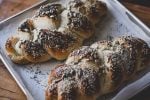


Fresh bread isn’t just a food—it’s an experience. The crackle of crust, the soft interior, the smell that makes a house feel like home. But that magic disappears when you take your baked goods home and they go stale. As a bakery owner, you know this pain. After hours of perfecting recipes and crafting delicious treats, watching them lose freshness is heartbreaking.
The packaging you choose directly affects how long your creations stay fresh. Poor packaging can turn your masterpiece into a disappointment within hours. But the right bakery boxes extend shelf life and keep your brand in customers’ minds long after they’ve left your shop.
In 2024, with 78% of consumers saying product freshness influences their bakery choices, packaging sizes aren’t just about wrapping—it’s about preserving quality and building trust.
What most bakeries don’t realize is that even small packaging changes, from a huge selection of options, can dramatically extend product life. A simple switch in materials can add days of freshness without increasing costs.
Beyond protection, your packaging tells your story. When customers see your distinct wrapping on display in someone’s kitchen or office, it’s free advertising that keeps bringing people back.
The challenge lies in balancing freshness, branding, and sustainability—all while managing costs. How do you create packaging that keeps croissants crisp, cupcakes perfect, and bread soft while providing convenience without breaking the bank or harming the environment?
The Global Bakery Packaging Market
The global bakery packaging market specifically was valued at around USD 5.08 billion in 2023 and is expected to grow to about USD 7.06 billion by 2031, with a CAGR around 4.2% over 2024-2031
Metrobi drivers are rated 4.97/5
Trusted by local businesses for:
- Background-checked professionals
- Specialized in business deliveries
- Same drivers for consistency
- 4.97/5 average delivery rating
Best Shelf Life Extension Methods for Bakery Products
Air and moisture control methods can add 1-3 weeks of freshness to baked goods.
Proper packaging prevents staling and mold growth while preserving texture
The right method depends on product type, sales volume, and distribution needs
Vacuum Sealing
Vacuum sealing removes air from packaging, including pastry bags, creating a barrier that significantly extends the shelf life of bakery products. By extracting oxygen, this method directly targets one of the main causes of spoilage: mold growth. The absence of air slows down oxidation processes that lead to staleness and rancidity, especially in high-fat baked goods like pastries and cookies.
Professional bakeries often use commercial vacuum sealers, as well as cake boxes, with adjustable pressure settings to accommodate different product types. Delicate items like croissants require gentler vacuum pressure to prevent crushing, while dense breads can withstand stronger vacuum levels. Research from food science studies shows that vacuum-sealed bread can stay fresh up to 2-3 times longer than bread stored in standard packaging, depending on the initial moisture content and recipe formulation.
For small bakeries looking to implement vacuum sealing, the initial equipment investment ranges from $500 to $3,000 for commercial-grade vacuum sealers. While this represents a significant upfront cost, the reduction in product waste often provides a return on investment within 6-12 months for businesses with moderate to high sales volume.
Modified Atmosphere Packaging (MAP)
Modified Atmosphere Packaging represents one of the most advanced shelf life extension methods available to bakeries today. This technology works by replacing the normal air inside packaging with a precisely controlled mixture of gases, typically nitrogen, carbon dioxide, or a combination of both, which is essential for your bakery supplies. The specific gas ratio depends on the bakery product being packaged, with carbon dioxide often used at higher concentrations for items prone to mold growth.
“Shelf life extension is an effort to make food safe for long periods, still keeping its original quality. Advances in bakery processing technologies and ingredients innovation have led to significant shelf life extension, making your bakery a one-stop shop for high-quality products. For example, breads and buns that traditionally lasted 6 or 10 days, now remain soft, springy, and mold-free up to 3 weeks, providing the perfect way to satisfy customers.”
The food science behind MAP is based on controlling microbial growth and oxidation rates. Carbon dioxide creates an acidic environment when dissolved in the product’s moisture, inhibiting mold and bacterial growth. Nitrogen, being an inert gas, displaces oxygen and prevents oxidative reactions that cause rancidity and staling.
Implementation Considerations for MAP
For bakeries considering MAP implementation, several factors, including the sizes of packaging, must be evaluated:
Product type and composition – High-moisture products benefit most from MAP
Expected distribution chain time – MAP adds more value for products with longer distribution periods
Capital investment capability – Commercial MAP equipment starts at $10,000-$15,000
Testing requirements – Each product needs shelf-life testing to determine optimal gas mixtures
Large industrial bakeries report 200-300% shelf life extensions using MAP technology, while maintaining product quality. However, smaller bakeries should consider whether their sales volume and distribution reach justify the investment. Some packaging suppliers now offer pre-gassed packaging materials that provide a simpler, more affordable entry point to MAP technology without requiring specialized equipment.
Airtight Containers
Airtight containers provide a straightforward yet effective method for extending bakery product shelf life while protecting your merchandise. These containers create a physical barrier that prevents external air, moisture, and contaminants from reaching the product you carry. For retail bakeries with quick product turnover, airtight containers strike an excellent balance between effectiveness and cost.
The science behind airtight storage centers on moisture control. Bakery products are in a constant state of moisture exchange with their environment. Crusty breads tend to absorb moisture from humid air, causing them to soften, while cakes and soft bread release moisture into dry air, leading to hardening. Airtight containers stabilize this moisture exchange, keeping the product’s texture closer to its intended state for longer periods.
The Bakery Packaging Machine Market
The bakery packaging machine market—critical for packaging automation—was valued at USD 3.54 billion in 2024 and is forecasted to exceed USD 6 billion by 2034, growing at a CAGR of 5.5% from 2025 to 2034
For bakeries implementing airtight storage, several options exist across price points to find the perfect solution.
Professional-grade polycarbonate containers with silicone gaskets ($15-$40 each)
Food-grade plastic containers with snap-lock lids ($5-$15 each)
Glass containers with rubber or silicone seals ($10-$30 each)
The U.S. Bakery Packaging Machine Market
The U.S. bakery packaging machine market alone was valued at around USD 890 million in 2024 and is projected to reach about USD 1.56 billion by 2034
Oxygen Absorbers and Moisture Control Packets
Oxygen absorbers and moisture control packets represent cost-effective additions to bags and packaging that can significantly extend bakery product shelf life. These small sachets contain compounds that actively remove oxygen or control humidity inside packaging, addressing two primary causes of bakery product deterioration.
Oxygen absorbers typically contain iron powder that reacts with oxygen, effectively removing it from the package environment and ensuring that bags remain intact. This process dramatically slows oxidation reactions that cause rancidity in fats and oils present in most baked goods. For products like cookies, pastries, and bread containing nuts or seeds, oxygen absorbers can extend shelf life by 3-6 weeks beyond standard packaging methods.
Moisture control packets work differently depending on the product’s needs. Some products benefit from moisture absorbers that prevent sogginess and mold growth, while others need humidity stabilizers, perhaps even tied with twine, that prevent excessive drying. The global market for these active packaging components has grown at 8% annually since 2020, reflecting their effectiveness and industry adoption.
When implementing these solutions, bakeries should consider:
Product moisture content and water activity levels
Target shelf life requirements
Package size and headspace volume
Product sensitivity to texture changes
Many small to medium bakeries find that adding these components to existing packaging offers significant shelf life benefits without requiring major equipment investments.
Natural Preservatives and Ingredient Optimization
Beyond packaging methods like natural kraft, the formulation of bakery products themselves plays a crucial role in shelf life extension. Natural preservatives and ingredient optimization represent an inside-out approach to freshness, complementing external packaging strategies.
“To increase the shelf life of baked goods, it is necessary to find ingredients that can suppress aging, degeneration, discoloration, and other shelf life concerns, all while simultaneously maintaining and improving existing food properties… our team has also utilized internal experts for improved packaging solutions.”
Traditional natural preservatives like honey, alcohol, and certain spices (cinnamon, clove) contain antimicrobial compounds that inhibit mold growth. Modern bakeries now have access to clean-label options like cultured wheat flour, fermented whey, vinegar derivatives, and plant extracts that provide preservative effects without artificial additives.
Enzyme technologies represent another frontier in shelf life extension. Products like Novamyl BestBite modify starch molecules to retain moisture and softness longer, which is a perfect way to enhance shelf life. These enzymes work during the baking process and become inactive in the finished product, addressing consumer preferences for clean labels while still extending freshness.
Research from bakery science institutes identifies several strategies for formulation optimization:
Water activity control through humectants (honey, glycerin, invert syrups)
pH adjustment to inhibit microbial growth
Encapsulated acids that release slowly over shelf life
Natural antimicrobial compounds from plant sources
Enzyme systems that delay staling
The most effective shelf life extension strategies combine multiple approaches—optimized formulations packaged with appropriate technologies. With food waste statistics showing 12 billion loaves of bread thrown away annually worldwide, these methods address both economic and sustainability concerns for the bakery industry.
Eco-Friendly Packaging Solutions That Protect Your Bakery Goods
Sustainable bakery packaging can extend shelf life while reducing environmental impact.
More than 54% of consumers prefer eco-friendly packaging options
The right sustainable materials protect products without compromising freshness
Recyclable Materials
Recyclable packaging materials offer bakeries an accessible entry point into sustainability while maintaining product freshness across a large variety of offerings. Paper-based options like paperboard boxes, cardboard trays, and kraft paper bags provide protection from physical damage and limited moisture barriers while being easy to recycle through existing waste streams.
Glass containers represent another excellent recyclable option for premium bakery items, alongside more sustainable choices like the natural kraft option. Their non-porous surface prevents absorption of flavors or odors, while their ability to be recycled indefinitely makes them truly sustainable. For bakeries selling jams, spreads, or liquid products alongside baked goods, glass jars create a premium presentation while offering practically unlimited recyclability.
Recent innovations in recyclable plastics have produced PET (polyethylene terephthalate) and RPET (recycled PET) options that provide excellent moisture barriers while being widely accepted in recycling programs. A 2025 study found that 60% of consumers specifically prefer recyclable packaging that is in stock, making this a strategic choice for bakeries looking to align with customer values. Implementing recyclable bakery packaging solutions transforms your bakery into a one-stop shop for sustainability, reducing waste and strengthening brand reputation as consumers increasingly factor environmental impact into purchasing decisions.
Sustainable and Eco-Friendly Packaging
Sustainable and eco-friendly packaging materials, including recyclable and biodegradable options, are increasing in demand across bakery packaging due to consumer environmental concerns.
Implementation Strategies for Recyclable Packaging
When transitioning to recyclable materials, bakeries should consider several key factors. First, evaluate your product line to determine which items need higher barrier protection versus which can use simpler recyclable options. Second, research local recycling capabilities to ensure the materials you select can be processed in your area. Finally, communicate clearly with customers about proper disposal through visible recycling symbols and instructions on packaging.
Compostable Packaging
Compostable packaging represents a significant advancement in sustainable bakery solutions. Unlike recyclable materials that require processing, compostable packaging breaks down naturally into non-toxic components. This category includes materials like bagasse (sugarcane fiber), PLA (polylactic acid derived from corn starch), molded fiber, and certain bioplastics.
The primary benefit of compostable packaging is its end-of-life scenario. When disposed of properly, these materials return to the earth as soil nutrients rather than persisting as waste. This aligns perfectly with bakery products’ natural origins—flour, sugar, eggs, and other ingredients from the earth returning to the earth.
For bakeries, compostable clamshells, window bags, and food service containers offer practical alternatives to traditional plastic. These materials provide adequate moisture and grease barriers while supporting a completely natural decomposition process, aligning with your bakery’s desired style. Many compostable options now feature window panels made from plant-based films, allowing customers to see products without sacrificing environmental benefits.
Choosing the Right Compostable Options
Not all compostable materials perform equally in bakery applications. PLA-lined papers work well for dry goods but may not provide sufficient grease barriers for high-fat pastries. Bagasse containers offer excellent structural integrity for heavier items like cakes and pies. When selecting compostable options, match material properties to specific product needs.
One common challenge with compostable packaging is consumer education. Many customers don’t understand the difference between home compostable (breaks down in backyard composting) and commercially compostable (requires industrial facilities). Clear labeling helps prevent confusion and improper disposal, especially when using materials tied with twine.
Premium Bakery Supplies, Pastry Bags, or Products
Premium bakery products contribute to packaging market growth as manufacturers invest in higher-quality, branded packaging to differentiate offerings
Reusable Packaging Options
Reusable packaging represents the most ambitious sustainability approach for bakeries, creating a circular system that eliminates single-use waste and enhances the value of your merchandise. This model involves designing durable containers that customers return for cleaning and refilling to store their treats, creating a continuous use cycle. Glass jars, metal tins, and sturdy plastic containers can all serve as reusable options for bakery products.
Implementing a reusable system requires significant operational changes. Bakeries must establish collection points, cleaning protocols, and customer incentives. Despite these challenges, the benefits can be substantial. Reusable systems drastically reduce packaging waste, foster customer loyalty through return visits, and create distinctive brand positioning in the market.
The reusable model works particularly well for bakeries with regular customers or subscription services. By offering discounts or loyalty points for container returns, bakeries can encourage participation while building stronger customer relationships. Some innovative bakeries have implemented deposit systems where customers pay a small fee for containers, refunded upon return, creating financial motivation for participation.
Branding in Bakery Packaging: Staying On Brand
Brand-aligned packaging creates recognition and builds customer loyalty
Strategic design elements like custom packaging and consistent colors drive sales
Effective branding through packaging tells your story and strengthens market position
Custom Designed Packaging
Custom packaging offers bakeries a powerful way to stand apart in a crowded market. The global bakery packaging market is projected to grow from $3.5 billion in 2024 to $4.9 billion by 2032, showing the increasing importance of packaging in the industry. This growth points to bakeries investing more in packaging that represents their unique brand identity.
When a bakery creates custom packaging, it builds a visual memory in customers’ minds. Think about how you can identify certain products without even seeing the name—just by their shape, pattern, or packaging structure. This kind of brand recall happens because our brains process visual information faster than text. Custom designs speak to customers before they even taste your products.
Research shows that younger generations (Gen Z and Millennials) place higher importance on branding and packaging design than older generations. For these customers, the unboxing experience becomes part of the product itself. Custom packaging creates moments of delight that customers want to share on social media, extending your brand reach without additional marketing costs.
Elements of Effective Custom Packaging
Custom packaging works best when it reflects your bakery’s unique selling points. A French patisserie might use elegant, minimalist designs with subtle gold accents, while a rustic bread bakery might choose Kraft paper with hand-drawn illustrations. The packaging becomes an extension of the product inside.
The materials you select also communicate your brand values. A bakery focused on high-end, artisanal products might choose textured paper or embossed elements that customers can feel. This tactile experience adds another dimension to your branding that competitors can’t easily copy.
When planning custom packaging, consider these practical questions:
Does the design reflect your bakery’s personality and values?
Will the packaging protect your products while showcasing them well?
Is the packaging format appropriate for your distribution methods?
Can you scale the design as your business grows?
Use of Brand Colors and Logo
Consistent color use creates instant recognition for your bakery. Research in color psychology shows that customers make judgments about products within 90 seconds of initial viewing, and up to 90% of that assessment is based on color alone. When your packaging uses your brand colors consistently, customers spot your products instantly among competitors.
Your logo placement on packaging deserves careful consideration. Studies show that eye-tracking technology can identify the most viewed areas of packaging, which is where your logo should appear. The size, style, position, and prominence of your logo should match your brand strategy—whether you’re building a premium image (often with subtle logo placement) or creating maximum visibility (with bold logo use).
Color consistency across all packaging types and shapes creates a cohesive brand experience. If you sell various products—from bread to pastries to cookies—using consistent colors ties everything together visually. This consistency extends to your physical store, website, and social media, creating a seamless brand experience that reinforces recognition.
Creating a Distinctive Color Strategy
Color selection requires strategic thinking beyond personal preference. Consider these factors when developing your packaging color scheme:
First, analyze your target audience’s preferences and expectations. Pastel colors often signal lightness and work well for French macarons or delicate pastries, while deeper tones might better represent rich, hearty bread products.
Second, study your competition’s color choices and deliberately differentiate yours. If every local bakery uses red and white, choosing a distinctive blue might help you stand out. The goal is instant recognition on shelves or in delivery bags.
Third, ensure your colors reproduce consistently across different materials. What looks perfect on glossy cardboard might appear different on kraft paper or clear film. Test your colors on actual packaging samples before committing to large production runs.
Storytelling Through Packaging
Packaging that tells your brand story creates an emotional connection with customers. People remember stories far better than facts or features. When your packaging shares why your bakery exists, the traditions behind your recipes, or your family history, it transforms a simple purchase into a meaningful experience.
Effective storytelling doesn’t require paragraphs of text. Brief origin stories, founder quotes, or even simple phrases that reflect your values can convey your brand narrative. A bakery that sources local ingredients might include “Supporting local farmers since 2010” or feature illustrations of local landmarks on its packaging.
Data shows that 61% of global consumers notice product quality in bakery products, but quality alone isn’t enough to build loyalty. The story behind your products—communicated through packaging—gives customers something to connect with and share with others. This emotional engagement drives repeat purchases and brand advocacy.
Practical Storytelling Techniques
Several practical techniques can help bakeries share their story through packaging:
Origin markers work well for bakeries with interesting beginnings or locations. A simple “Est. 2015 in a home kitchen” or “Born in Brooklyn” connects your product to a specific place and time, giving it context and authenticity.
Process highlights can showcase your craft. Brief descriptions like “48-hour fermentation” or “Stone-ground flour” educate customers about what makes your products special. These details justify premium pricing and build appreciation for your methods.
Seasonal and Limited Edition Packaging
Seasonal packaging refreshes your brand image and display throughout the year while maintaining core brand elements. This approach keeps your products feeling current without losing recognition. The bakery packaging market shows increasing investment in limited edition designs that create urgency and excitement among customers.
Limited edition packaging creates collection opportunities and FOMO (fear of missing out) among loyal customers. When customers know a design will only be available for a short time, it can drive immediate purchases. This strategy works particularly well for holiday seasons or special events relevant to your community.
The key to successful seasonal packaging is maintaining your core brand identity while incorporating seasonal elements. Your logo, brand colors, and fundamental design structure should remain consistent, with seasonal elements added as accents rather than complete redesigns. This balances freshness with familiarity.
Planning Your Seasonal Strategy
Effective seasonal packaging requires advanced planning. Most bakeries should develop their seasonal packaging calendar 6-12 months ahead. This timeline allows for design development, production lead times, and coordination with your overall marketing calendar.
You can start by identifying which seasons or events matter most to your customers and business. Major holidays are obvious choices, but also consider local festivals, back-to-school season, or summer picnic themes that might resonate with your specific audience.
Set a reasonable number of seasonal changes based on your resources. Even two or three special packaging designs per year can create excitement without overwhelming your team or budget. Many bakeries find success with four seasonal designs (spring, summer, fall, winter) plus one or two special editions for major holidays.
QR Codes and Interactive Packaging
Interactive packaging through QR codes creates digital engagement opportunities that extend beyond the physical package. When customers scan your QR code, they can access recipes for pairing with coffee, see behind-the-scenes videos of your baking process, or join loyalty programs—all of which strengthen their connection to your brand.
The technology has become increasingly accessible as most smartphones now read QR codes without special apps. This low barrier to entry means customers of all ages can engage with your interactive elements. The flexible nature of QR codes allows you to update the linked content without changing your packaging design.
From a branding perspective, QR codes signal that your bakery embraces modern technology while promoting coffee alongside serving traditional baking methods. This balance appeals to customers who value both heritage and innovation. The data gathered from QR code interactions also provides valuable insights about customer behavior and preferences.
Implementing Effective QR Strategies
Several approaches work well for bakeries implementing QR codes:
Recipe extensions allow customers to scan packaging to find serving suggestions, pairings, or recipes using your products. A bread bakery might share bruschetta recipes for their baguettes, while a cookie bakery could offer ice cream sandwich ideas.
Transparency content satisfies customer interest in your ingredients and processes. QR codes can link to videos of your baking methods, profiles of your suppliers, or detailed ingredient information that wouldn’t fit on the physical packaging.
Loyalty programs connected to QR codes encourage repeat purchases. Customers might scan packages to earn points, access special offers, or join your bakery’s community. This digital connection extends the relationship beyond the physical product.
Packaging as a Marketing Tool
Your packaging functions as a mobile billboard that travels beyond your store, helping to manage stock as it becomes recognized by customers. When customers carry your products through streets, into offices, or to family gatherings, distinctive packaging spreads awareness of your brand. This organic exposure complements your paid marketing efforts at no additional cost.
Social media sharing has made packaging even more valuable as a marketing asset. Attractive, distinctive packaging encourages customers to share photos online on their display, particularly if your design includes “Instagrammable” elements. The bakery packaging market is increasingly influenced by social media sharing potential, with brands designing packaging specifically for photographic appeal.
The extended life of packaging creates multiple marketing touchpoints. A reusable bread bag or cookie tin keeps your brand visible in customers’ homes long after the product is consumed. This continued presence maintains top-of-mind awareness and increases the likelihood of repeat purchases.
Measuring Packaging Marketing Impact
To assess how well your packaging performs as a marketing tool, track these metrics:
Social media mentions and hashtags related to your packaging provide direct evidence of customer engagement. Set up monitoring for your brand name and product names to catch when customers share images or comments about your packaging.
In-store feedback through casual conversation or formal surveys helps you understand how customers perceive your packaging. Simple questions like “What do you think about our new cookie boxes?” can yield valuable insights about customer reactions.
Sales changes following packaging updates indicate market response. When possible, change one packaging element at a time and monitor sales patterns to isolate the impact of specific design choices. This methodical approach helps you refine your packaging strategy based on real performance data.
Bakery Packing with All The Products
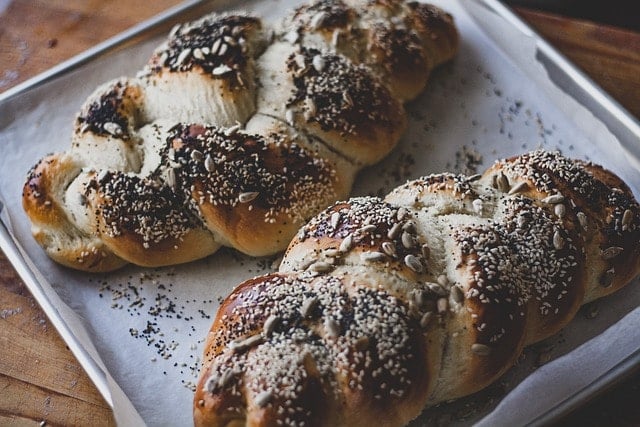
Your bakery products, including delicious donuts, tell a story through both taste and packaging. The right packaging doesn’t just keep your merchandise fresh—it speaks for your brand when words can’t. From vacuum sealing and modified atmosphere techniques to eco-friendly materials, each packaging choice reflects your commitment to quality and freshness. Smart bakery owners know that good packaging strikes a balance between the large variety of choices i protection, presentation, and cost.
Bakery Packaging Market in North America
North America holds a dominant market share of over 33% in bakery packaging due to high consumer demand for convenience foods and strong e-commerce growth.
Whether you’re a small bakery watching expenses or a growing business focused on brand recognition, these seven tips offer practical solutions for all. Temperature control packaging ensures your products arrive at your shop’s intended destination, while regular testing confirms your packaging performs as needed. Understanding industry terms helps you make informed decisions that benefit both your business and customers.
Remember that excellent packaging works silently but effectively—preserving your baked goods while telling customers who you are and what you stand for. By implementing these strategies, you’ll extend shelf life, reduce waste, strengthen your brand, and ultimately satisfy more customers. Your products, including delicious donuts, deserve packaging that’s as thoughtful as the recipes themselves.
What packaging box change will you implement first to keep your bakery goods fresh and on brand?