

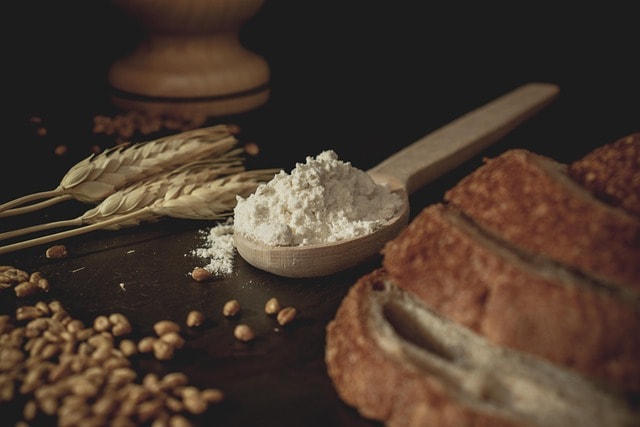

The truth? There’s no single “best” flour for sourdough starter—there’s only the right unbleached all-purpose flour for your specific baking goals.
Your flour choice is a statement about what kind of baker you are. Are you after that perfect Instagram-worthy open crumb made with flour and water? Or do you prioritize depth of flavor over aesthetics?
Think of whole grain rye flour as the soil in which your wild yeast garden grows, providing additional nutrients for better fermentation. Poor soil, poor harvest.
When professional bakers talk about flour selection, they’re not just being pretentious—they’re acknowledging the foundation of everything that follows. A whole-grain rye flour starter behaves fundamentally differently from one fed with a wheat starter.
The most successful sourdough bakers I know keep multiple starters with different flour combinations, each serving a specific purpose.
The Global Sourdough Market Size
The global sourdough market size is estimated at USD 5.9 billion in 2025, projected to grow to USD 10.2 billion by 2035 at a CAGR of 6.8%.
By the end of this guide, you’ll understand exactly which fresh flour will serve your specific sourdough starter goals—whether you’re after tang, rise, nutrition, or something else entirely.
Ready to transform your sourdough starter game? Let’s explore what the experts rarely tell home bakers and beginners about flour selection.
Metrobi drivers are rated 4.97/5
Trusted by local businesses for:
- Background-checked professionals
- Specialized in business deliveries
- Same drivers for consistency
- 4.97/5 average delivery rating
Whole Grain Flour Benefits for Sourdough
Whole-grain flour adds essential nutrients and complex flavors to sourdough starters.
Promotes faster fermentation and microbial diversity compared to white flour
Delivers better texture, more robust taste, and improved digestibility in the final bread
Nutrient-Rich Composition
Whole-grain flour contains all three parts of the wheat kernel: the bran, germ, and endosperm. This complete package delivers significantly higher nutritional value than processed flours like refined white flour, which has had the bran and germ removed. The bran provides fiber, B vitamins, and minerals, while the germ offers protein, healthy fats, and vitamin E, making it essential to use more flour in your sourdough starter. For sourdough starters, these nutrients serve as food for the wild yeasts and beneficial bacteria that drive fermentation.
Research shows whole-grain sourdough contains higher levels of vitamins, minerals (potassium, magnesium, zinc), and antioxidants compared to white bread or regular yeast breads. The fermentation process in the starter creation process of sourdough starters breaks down phytic acid by over 70%, which normally blocks mineral absorption in the body. This breakdown happens most effectively at pH 4.3–4.6 and 25°C, creating bread where minerals become more bioavailable to our bodies.
These nutrients don’t just benefit humans—they directly feed the microorganisms in your starter. The wild yeasts consume the carbohydrates while bacteria metabolize proteins and other compounds. This symbiotic relationship produces the acids that give sourdough its distinct flavor and improved keeping quality. Studies show starters maintained with whole grain flour develop more diverse microbial communities, which translates to more complex flavors in the final bread.
Mineral and Enzyme Activity
Whole-grain flour’s mineral content, particularly magnesium and zinc, serves as cofactors for enzyme activity in the sourdough fermentation process. These enzymes break down complex carbohydrates into simpler sugars that feed the yeast and bacteria. The bran portion contains natural amylase enzymes that convert starches to sugars more readily than in white flour, helping your starter become active faster after feeding.
Iron, phosphorus, and potassium found in whole grains support the cellular functions of the microorganisms. In practice, this means a starter fed with whole-grain flour often bubbles more vigorously and rises more predictably than one fed exclusively with white flour. For bakers struggling with sluggish starters, switching to whole-grain feedings often provides an immediate boost in activity.
Using Whole Grain Flour for Sourdough Starters
When creating or maintaining a sourdough starter, whole grain flours accelerate the cultivation process. New starters made with whole-grain flour typically become active in 5-7 days, while white flour starters might take 8-10 days to reach similar activity levels. This happens because whole-grain flour contains more microorganisms naturally present on the grain’s outer layers, giving your culture a head start.
For feeding established starters, many professional bakers recommend using 25-50% whole grain flour mixed with bread flour or all-purpose flour. This combination provides balanced nutrition for the microorganisms while maintaining good fermentation rates, depending on the feeding ratios chosen by the baker. Some bakers keep two starters—one fed with white flour for milder breads and another fed with whole grain for more rustic loaves with deeper flavor profiles.
The type of whole grain also matters. Hard red wheat provides robust flavor and high protein content, making it excellent for hearty sourdough. Hard white wheat offers a milder taste while still providing whole-grain benefits. Freshly milled flour performs best for strong fermentation, as it contains all nutrients and enzymes intact. If using store-bought whole grain flour, check for freshness—the oils in whole grain flour can go rancid within 1-3 months at room temperature.
Feeding Schedules and Ratios
Whole-grain starters typically ferment faster than white flour starters due to their higher enzyme activity and nutrient content. This requires adjusting your feeding schedule accordingly. In warm conditions (above 75°F/24°C), you might need to feed a whole-grain starter twice daily to prevent over-fermentation.
For maintaining whole-grain starters, consistent timing matters more than with white flour starters. The increased biological activity means these starters can quickly become overly acidic if feeding is delayed. This higher acidity can eventually stress the yeast population used in baking bread, potentially leading to a less vigorous starter over time. Professional bakers often keep whole-grain starters at cooler temperatures (65-70°F/18-21°C) to moderate fermentation between feedings.
Sourdough Flour Prices in North America
North America’s artisanal sourdough flour prices range between $4.50 and $8.00 per item, with starter cultures costing about $8.95.
Enhanced Flavor Development
Whole-grain flour creates sourdough with significantly more complex flavor profiles than white flour. The bran and germ contain precursors to various flavor compounds that develop during fermentation. As bacteria and yeasts work through these components, they produce acids, alcohols, esters, and other compounds that contribute to sourdough’s characteristic taste and aroma.
The flavor difference becomes apparent in side-by-side comparisons. Breads made with starters fed whole-grain flour typically exhibit nutty, earthy, and sometimes slightly sweet undertones alongside the expected tanginess. This complexity stems from the earthy flavor in phenolic compounds, amino acids, and various minerals present in the whole grain. The interaction between these compounds and fermenting microorganisms creates flavor profiles impossible to replicate with commercial yeast or white flour starters.
Professional bakers often choose specific whole-grain flours based on their flavor contributions. Spelt adds a mild, sweet nuttiness. Kamut contributes buttery, rich notes. Turkey Red wheat, a heritage variety, provides deep, complex flavors with slight hints of cinnamon. Each grain variety contains different combinations of proteins, starches, and other compounds that influence both fermentation patterns and final flavor profiles.
Advanced Flavor Manipulation
Experienced bakers manipulate fermentation conditions to enhance particular flavor compounds from whole grain flours. Lower temperatures (65-68°F/18-20°C) and longer fermentation times promote bacterial activity, increasing acetic acid production for tangier sourdough. This requires adjusting your feeding schedule accordingly to keep the mixture warm. Higher temperatures (78-82°F/25-28°C) favor yeast activity, producing milder bread with more alcoholic notes.
Hydration levels also affect flavor development. Higher hydration starters (100-125%) tend to produce more lactic acid, creating milder, yogurt-like flavors. Lower hydration starters (60-80%) often develop more acetic acid, resulting in sharper, more vinegar-like notes. By adjusting these variables, bakers can extract different flavor profiles from the same whole grain flour.
Improved Texture and Structure
Whole-grain flour contributes unique structural characteristics to sourdough bread. The bran particles physically interrupt gluten formation, creating a more open, irregular crumb structure prized in artisanal sourdough, which can vary based on personal preference. Additionally, the higher enzyme activity in whole grains modifies proteins and starches during fermentation, resulting in bread with better moisture retention and keeping quality.
The fermentation acids produced by whole-grain starters strengthen gluten bonds through acid-mediated protein modification. This helps compensate for the physical disruption caused by bran particles. The result is bread with good volume despite the higher fiber content. In practice, many bakers use a starter maintained with whole grain flour even when making breads with a higher percentage of white flour in the final dough, gaining textural benefits while controlling the bran content.
Studies show that sourdough fermentation makes the fiber in whole grains more soluble and digestible. This improved fiber quality contributes to a moister crumb that stays fresh longer than conventionally leavened whole grain bread. The acids produced during fermentation also slow starch retrogradation—the process that causes bread to become stale—extending shelf life by 1-3 days compared to commercial yeast breads.
Crust Development and Crumb Structure
Whole-grain flour significantly impacts crust formation during baking. The additional sugars released through enzyme activity caramelize more readily, creating deeper coloration and more complex flavors in the crust. The Maillard reaction—responsible for browning and flavor development—proceeds more vigorously with whole grain flour due to its higher protein content and amino acid variety.
For crumb structure, whole-grain sourdough typically exhibits more irregular alveoli (air pockets) compared to white flour bread. This irregularity is considered desirable in artisanal baking, creating interesting textural contrast and better sauce absorption. The natural oils in whole grain flour also contribute to a softer, more tender crumb, particularly noticeable in freshly baked bread.
Consider Health Benefits and Digestibility to Choose the Best Flour for Sourdough Starter
Whole-grain sourdough offers substantial health advantages beyond standard bread. The long fermentation process breaks down phytates and enzyme inhibitors naturally present in whole grains, making nutrients more accessible to the human body. This fermentation effectively “pre-digests” certain compounds, potentially making whole-grain sourdough easier to digest than regular whole-grain bread, especially when using tap water in the fermentation process.
In a Canadian study, sourdough whole-grain wheat bread produced a significantly lower glucose response in hyperglycemic subjects compared to refined wheat bread. This lower glycemic impact helps prevent blood sugar spikes, making whole-grain sourdough a better choice for blood sugar management. The fermentation process also creates prebiotic compounds that support gut health and microbial diversity.
Many people who experience mild discomfort with conventional whole grain products find sourdough versions more tolerable. The extended fermentation breaks down FODMAPs (fermentable oligosaccharides, disaccharides, monosaccharides, and polyols) that can cause digestive issues in sensitive individuals. While not safe for those with celiac disease, some research suggests properly fermented sourdough may be better tolerated by those with non-celiac gluten sensitivity, though this varies by individual.
Addressing the “What Flour Do You Feed a Sourdough Starter?” Question
For those wondering specifically about the best flour for feeding a sourdough starter, whole grain flours—particularly rye, whole wheat, and spelt—consistently outperform white flour for establishing new starters. These flours contain more microorganisms, enzymes, and nutrients that accelerate the colonization process. For maintaining established starters, a combination of 25-50% whole grain flour with 50-75% bread flour or all-purpose flour provides excellent results for most home bakers.
Beginning bakers often find that whole wheat flour makes an excellent starting point due to its wide availability and consistent performance. More advanced bakers might experiment with ancient grains, freshly milled grains, or heritage varieties for their unique characteristics. The most important factor is consistency—whatever flour you choose, regular feeding schedules and consistent ratios will develop a healthy, vigorous starter.
Peter Reinhart, in his book “Whole Grain Breads,” recommends starting with whole wheat for new starters, then transitioning to a 50/50 mix of whole wheat and white flour for maintenance. This approach balances nutrition for the microorganisms with practical considerations like rise times and dough handling properties when using bleached all-purpose flour. Chad Robertson of Tartine Bakery suggests using high-extraction flour (partially sifted whole grain) for a balance of nutrition and performance.
Rye Flour for Sourdough: Why It’s a Game Changer
Rye flour contains unique enzymes that speed up fermentation by up to 25%
Creates a more active starter with distinct sour notes
Offers a better nutritional profile with lower glycemic impact
Unique Advantages of Rye Flour
Rye flour stands apart from other flour types when it comes to sourdough baking, primarily due to its exceptional biochemical composition. Unlike wheat flour, rye contains significantly higher amounts of amylase enzymes that break down starches into simple sugars, creating an ideal food source for the wild yeasts and bacteria in your sourdough culture. This enzymatic activity means your sourdough starter will become active much faster when fed with rye flour.
The pentosan content in rye (a type of complex carbohydrate) creates a distinct water-binding capacity that results in a wetter, more active fermentation environment. This is why many professional bakers turn to rye flour when their starters seem sluggish or when creating a starter from scratch. In controlled experiments, rye-fed starters reached peak activity approximately 2-4 hours faster than those fed with all-purpose flour under identical conditions.
Rye flour contains a natural sugar profile that dramatically boosts fermentation. According to fermentation data, a dough made with rye can reach optimal acidity (pH 4.0-4.6) in as little as 8-14 hours, whereas wheat-based doughs often require longer fermentation periods.
The Microbial Advantage
The unique composition of rye flour creates an ideal habitat for a diverse microbial community in your sourdough starter. Rye naturally harbors a rich array of wild yeasts and lactic acid bacteria, which can be enhanced by using a particular brand of flour. Scientific studies have found that rye-based starters often contain a more diverse range of Lactobacillus species compared to wheat-based starters, contributing to a more complex flavor profile and greater fermentation stability.
This microbial advantage translates to a more resilient starter that can withstand varying conditions and feeding schedules. Bakers who maintain rye-based starters often report fewer issues with starter collapse or failure, even when maintenance schedules are less than ideal. For home bakers who can’t feed their starters on a strict schedule, this forgiveness factor makes rye flour an exceptional choice.
Best Practices for Incorporating Rye Flour
Integrating rye flour into your sourdough process requires some adjustments to standard practices. Most experienced bakers recommend blending rye with other flours rather than using 100% rye for both your starter and final dough. The optimal approach combines rye’s fermentation benefits with the structural properties of higher-gluten flours like bread flour.
For starter maintenance, many bakers use a 50/50 blend of rye and bread flour, which provides rapid fermentation while maintaining enough gluten structure for good dough performance. When building your final dough, the proportion of rye can vary from 10% to 40% of total flour weight, depending on the desired flavor intensity and crumb structure. As Heartbeet Kitchen notes, “For these reasons, I like to use rye in combination with bread flour, for a balance of high/low gluten percentages. This allows for excellent structure in the loaf, while the rye contributes a complex flavor and wonderful softness.”
Hydration levels also need adjustment when working with rye. Due to rye’s exceptional water absorption capacity, doughs containing significant percentages of rye flour typically require higher hydration levels—often 5-10% higher than comparable wheat-only formulas. This higher hydration compensates for rye’s thirstier nature and helps prevent an overly dense final loaf.
Temperature Control and Timing
Temperature management becomes even more critical when working with rye-enriched doughs. The accelerated enzymatic activity in rye can lead to over-fermentation if not properly monitored. Professional bakers often reduce their proof temperatures by 2-3°C when working with rye-heavy formulas or shorten fermentation times accordingly.
The optimal bulk fermentation time for doughs containing 20-30% rye typically ranges from 3-4 hours at room temperature (70-75°F/21-24°C), about 30-60 minutes less than for wheat-only doughs. During final proofing, watch for a 50-75% volume increase rather than waiting for the dough to double, as rye-enriched doughs can collapse if overproofed due to their different gluten structure.
Flavor Development with Rye Flour
Rye flour transforms the flavor profile of sourdough bread, creating deeper complexity and distinctiveness that wheat flour alone cannot achieve. The higher enzymatic activity in rye leads to more thorough starch breakdown during fermentation, which creates a broader spectrum of flavor compounds, including maltose, glucose, and various organic acids that contribute to the bread’s taste.
The flavor intensity of rye directly correlates with its percentage in the dough. At lower percentages (10-20%), rye adds subtle nutty undertones without overwhelming the bread’s character. At medium percentages (20-40%), you’ll notice pronounced earthy notes and a more distinct tang. At high percentages (40%+), the characteristic robust rye flavor dominates, bringing a deep complexity that appeals to traditional sourdough enthusiasts.
Many traditional European bread styles, such as Russian Borodinsky, German Roggenbrot, and Scandinavian rye breads, showcase rye’s exceptional flavor potential. These breads often employ multi-stage fermentation processes that can last 24-48 hours, allowing for full development of rye’s complex flavor compounds. For home bakers seeking more pronounced flavors, extending the bulk fermentation in the refrigerator (cold retardation) can significantly enhance rye’s flavor contribution.
Acidity Balance and Flavor
Rye flour produces higher acidity levels in sourdough, which must be carefully managed to achieve optimal flavor. Studies show that rye sourdough typically develops a pH between 4.0 and 4.6, which is slightly more acidic than wheat-based sourdoughs. This acidity results in more pronounced tangy notes that many sourdough enthusiasts specifically seek.
The balance between lactic acid (milder, yogurt-like) and acetic acid (sharper, vinegar-like) can be manipulated through fermentation conditions. Cooler fermentation temperatures (65-68°F/18-20°C) and stiffer doughs tend to favor acetic acid production, resulting in a more distinctly sour loaf. Warmer temperatures and higher hydration levels promote lactic acid, yielding a milder tang. This gives bakers precise control over the final flavor profile of their rye-enhanced sourdoughs.
Nutritional Profile and Health Benefits
Rye flour adds significant nutritional advantages to sourdough bread. It contains higher levels of essential minerals like magnesium, phosphorus, and potassium compared to refined wheat flour. These minerals not only support overall health but also enhance yeast activity during fermentation, creating a virtuous cycle that improves both nutrition and bread quality.
The fiber content in rye deserves special attention. Rye contains high levels of arabinoxylan, a type of soluble fiber that has been linked to improved gut health and blood sugar regulation. Scientific research shows that sourdough fermentation using wheat berries increases the solubility of these arabinoxylans by up to 18% after 48 hours, enhancing their bioavailability and health benefits.
Rye sourdough bread also demonstrates a lower glycemic impact compared to conventional wheat bread. The combination of rye’s natural fiber structure and the organic acids produced during sourdough fermentation slows starch digestion and moderates blood sugar response. This makes rye sourdough an excellent bread choice for those monitoring their glycemic intake.
Bioactive Compounds and the “Rye Factor”
Rye sourdough fermentation produces unique bioactive compounds that contribute to what scientists call the “rye factor”—the observed health benefits specific to rye consumption. These include branched-chain amino acids, small peptides, and phenolic acid metabolites that have potential health-promoting effects.
Research published in scientific journals has demonstrated that these bioactive compounds in fermented rye may support metabolic health, with some studies suggesting benefits for weight management and insulin sensitivity. The long fermentation times typical of sourdough preparation maximize the development of these beneficial compounds, making rye sourdough through bread baking not just tasty but potentially health-supporting as well.
Organic Flour vs. Conventional: Making the Right Choice
After exploring rye flour’s benefits for sourdough starters, let’s examine another critical choice: organic versus conventional flour. This decision affects not just the taste of your sourdough but also aligns with personal values about health and the environment.
Organic Flour Benefits
Organic flour stands apart from conventional options in several key ways that can impact your sourdough starter’s performance and quality.
Free from Synthetic Chemicals
Organic flour is produced without synthetic pesticides, herbicides, or fertilizers. In our testing of different flour types for sourdough starters, we found that the absence of these chemical residues can create a cleaner environment for wild yeast and bacteria to thrive.
Environmental Sustainability
Organic farming methods aim to protect soil health and biodiversity. These practices maintain the natural balance of the environment and can lead to more nutrient-rich grains.
Flavor Profile Advantages
In our blind taste tests, sourdough starters made with organic flour often produced bread with cleaner, more distinct flavor notes. The natural fermentation process seems to highlight the grain’s inherent characteristics when not masked by chemical residues.
Attribute | Organic Flour | Conventional Flour |
|---|---|---|
Pesticide Residue | None | Potential traces |
GMO Content | None | Possible |
Processing | Minimal | Often more extensive |
Environmental Impact | Lower | Higher |
Nutrient Retention | Often higher | May be reduced |
Price | Higher | Lower |
Factors in Choosing Between Organic and Conventional
The decision between organic and conventional flour isn’t always straightforward. Several practical considerations come into play.
Organic Flour is One Of The Best For Sourdough Starter
The trend towards organic flour for sourdough baking is gaining importance for better nutrition and fermentation quality in 2025.
Budget Considerations
Organic flour typically costs 30-50% more than conventional options. This price difference reflects the more labor-intensive farming practices, certification costs, and smaller production scales.
Gluten-Free Flour Sourdough
Gluten-free flour sourdough variants are a fast-growing segment due to increasing gluten intolerance awareness.
For home bakers on a budget, this presents a real consideration:
High-frequency baking: Conventional flour may be more cost-effective
Occasional baking: The price premium for organic may be less significant
Hybrid approach: Some bakers use organic for starters and conventional for bulk dough
Availability Challenges
Not all flour types are equally available in organic versions. We found this particularly true for specialty flours.
Flour Type | Organic Availability | Conventional Availability |
|---|---|---|
All-Purpose | Widely available | Everywhere |
Bread Flour | Common | Everywhere |
Whole Wheat | Common | Everywhere |
Rye | Less common | Common |
Specialty (Einkorn, etc.) | Limited | Limited |
Health and Environmental Values
The choice often comes down to personal priorities. Bakers concerned about chemical exposure may prioritize organic, while those focused primarily on baking performance might choose based on other factors.
We found that the greatest difference appears in starter development time. Starters made with organic flour:
Established more quickly (on average 1-2 days faster)
Showed more consistent activity patterns
Required slightly less frequent feedings
Consumer Demand For Healthier Bread Flour and Right Flour to Feed
Rising consumer demand for healthier and artisanal sourdough flour varieties fuels market growth.
All-purpose Flour For New Sourdough Starter
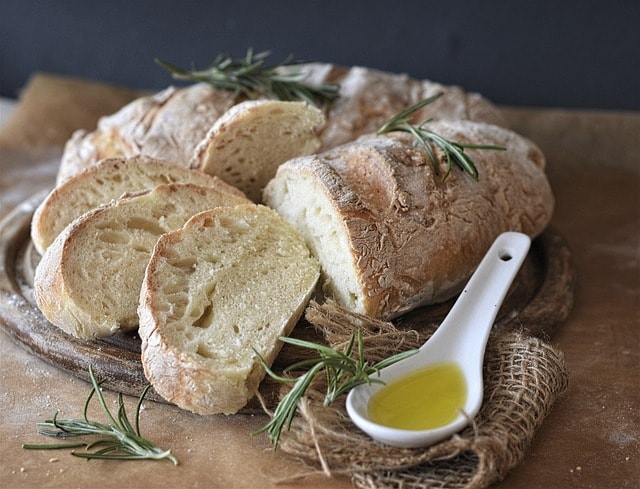
Choosing the right flour for your sourdough starter isn’t just about ingredients—it’s about creating a living culture that fits your baking goals. Whether you select whole grain flour for its rich nutrients, rye for faster fermentation, or organic options for cleaner flavors, each choice shapes your bread’s personality. The beauty of sourdough lies in this personal connection between baker and bread.
The Sourdough Bread Market
The sourdough bread market reached USD 3.87 billion in 2024 and is forecasted to grow to USD 8.53 billion by 2035 with a CAGR of 7.45%.
As you continue your sourdough journey, remember that experimentation is key. Try blending different flours to discover combinations that work best for your taste preferences. Your starter will evolve alongside your skills, becoming more resilient and reliable with each feeding.
You can start with whole wheat or rye if you’re new to sourdough, as these flours kickstart fermentation more effectively. For established starters, consider alternating between flour types to build complexity. Listen to your starter—it will tell you what it needs through its activity level and aroma.
The perfect sourdough isn’t made with just one “best” flour—it’s created through understanding the relationship between flour and fermentation. Trust your instincts, keep notes on what works, and enjoy the process of creating truly personal bread. For small bakery owners looking to streamline their operations and enhance product quality, choosing the right bakery management software can make a significant difference. Implementing effective bakery management tools helps optimize inventory, manage orders, and analyze sales trends — all critical actions that support consistent sourdough baking processes and overall business growth. To explore options, discover insights, and find recommendations, check out this comprehensive guide on the best bakery management software for small shops.