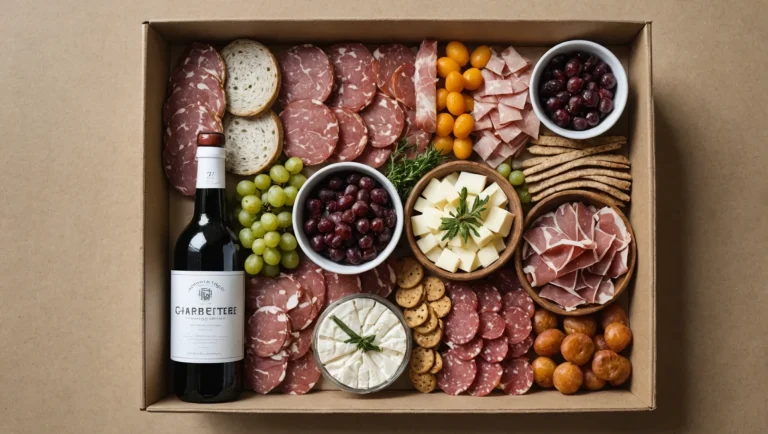

Charcuterie boxes are everywhere, and they’re all about taste and presentation. Want your charcuterie box to be the best at your next gathering? It starts with the essentials. You need a colorful mix of gourmet cheeses, artisanal meats, and perfectly paired sides. This mix isn’t just for tradition—it’s the secret to great flavor and style. Discover how to arrange these elements with a few simple tricks. Let’s get into what makes the perfect charcuterie box. Uncover the keys to designing a charcuterie board menu that not only looks impressive but satisfies your guests with every bite.
Save 80% of delivery management time
We handle everything:
- Dedicated operations manager
- Real-time tracking dashboard
- Automated customer notifications
- Urgent issue resolution
Core Components of a Charcuterie Box
Cheeses, meats, and accompaniments define the experience.
Balance of textures and flavors is key.
Learn to pair essentials wisely for a complete box.
1. Selecting Gourmet Cheese Varieties
Cheese is a cornerstone of any charcuterie box. Its importance cannot be overstated as it offers diverse textures and flavors. The cheese selection should be deliberate, balancing soft, semi-soft, hard, and aged varieties. This allows for a rich sensory experience. Elevate your charcuterie experience by choosing essential cheese varieties, a key element among charcuterie board items, to enchant your guests’ palates.
Parmesan Cheese
Parmesan cheese ranks as the second most favored cheese, appearing in 9 states.
Soft Cheeses
Soft cheeses like Brie and Camembert bring a creamy texture. Their mild flavors meld well with stronger partners like cured meats. They can be paired with fruits like figs or grapes to enhance their subtle taste.
Semi-soft and Hard Cheeses
Semi-soft cheeses such as Havarti and Fontina provide a mid-level texture. They bridge the gap between soft and hard options. Hard cheeses like aged Cheddar or Parmesan introduce a sharpness and complexity. They should be sliced thinly to avoid overpowering the fruit or other components.
Aged Cheese Varieties
Aged options, such as Gouda, prefer to offer a bold profile. The aging process intensifies their taste, adding depth to the charcuterie box. They pair well with sweet chutneys or robust nuts.
2. Artisanal Meats Selection
Meats provide the meal a savory backbone. This selection should be varied, considering cured meats, sausages, and dry-cured ham. Each choice contributes unique taste notes and textures.
Cured Meats
Cured meats like Prosciutto are soft and delicate. Their salty nature is a perfect counter to sweet fruits or mellow cheeses. They are often preferred for their thin slices and melt-in-your-mouth quality.
Most Favored Meat in the US
Capocollo is the most popular charcuterie meat, favored in 15 states across the United States.
Sausages and Dry-Cured Ham
Salami offers spice and chewiness, while Chorizo brings a smoky flavor. Both can be robust and should be sliced thinly or cubed. Dry-cured ham introduces a tender salty profile, balancing well with pickles or mustards.
Flavor Profiles and Box Symmetry
Meats contribute different flavors, so consider balance. Savory and spicy meats should complement, not compete. Experiment with combinations. The contrast enhances the whole experience.
3. Perfect Pairings for Charcuterie
Accompaniments round out the box. They bring essential textures and tastes, ensuring a comprehensive tasting palette.
Ciabatta Bread
Ciabatta bread is the preferred type of bread for charcuterie boards in 7 states.
Nuts, Dried Fruits, Olives, and Pickles
A mixture of nuts like almonds adds crunch. Dried fruits offer sweetness, pairing well with both cheese and meats. Olives and pickles bring brine and tang, contrasting with creamy cheeses. These seasonal elements provide an essential balance.
Complementing Flavors: Sweet, Savory, Tangy
A mix of sweet and savory elements maintains interest. Consider honey or dried fruit or preserves with salty cheeses. A tangy mustard pairs with sausage for depth. Think of the tasting order for guests.
Wine and Beverage Pairings
A thoughtful drink choice enhances flavors. Wines resembling cheese styles can work well—light whites with soft cheeses or bold reds with hard ones. Craft beers or non-alcoholic options can also amplify tasting notes. Use sparingly to avoid overshadowing.
Sparkling Wine Popularity
Sparkling Wine is the fastest rising ingredient for charcuterie boards, with a growth of 33.95% in popularity .
Beer Popularity
Beer has also seen a significant increase in popularity, with a rise of 26.29% as a favored pairing for charcuterie.
Metrobi is transforming charcuterie board deliveries
Specialized solutions for charcuterie board businesses:
- Charcuterie board-trained drivers
- Proper handling equipment
- Peak day delivery support
- 23% average cost reduction
Charcuterie Box Presentation Tips
Eye-catching arrangements keep guests interested.
Proper tools help make a lasting impression.
Show off colors and diversity by organizing well.
Importance of a Visually Appealing Presentation
A charcuterie box should not just taste good but also look attractive. A visually appealing gift box makes the experience special. This is key in settings like corporate events or client presentations where the details matter.
Choose a theme or color palette. This could be based on the season, event, or personal preference. A uniform look can tie everything together.
Maintain balance and symmetry. Arrange the items so that they have a flow. Avoid putting all the meats on one side and all the cheeses on the other.
Layer items for depth. Place larger items like cheese wedges or whole fruits as the base. Then, add wheels of crackers or rolled meats on top. This creates height and depth.
Using the Right Tools: Boards, Trays, or Boxes
The right tools can make or break the presentation.
Choosing the Right Board or Tray
Material Matters. Options include wood, slate, or glass. Wood provides warmth while slate looks sophisticated. The choice depends on your theme or audience.
Size and Shape Considerations. A board or tray should be large enough to hold items without overcrowding. A circle offers flow, while a rectangle is traditional.
Maintenance and Hygiene. Choose tools that are easy to clean. Always sanitize before arranging foods to maintain food safety.
When to Use Boxes
Boxed charcuterie suits portability or individual box-size servings. These are great for picnics or catered events with many guests.
Box Dimensions. Ensure each box is similar in size for consistency.
Lining Material. Use parchment or wax paper to prevent items from moving or staining the box.
Visibility. If the box has a lid, choose one with a clear top. It lets the recipient see the beautiful display without opening it.
Arranging Items to Showcase Variety and Colors
Showing variety and colors is an art.
Color Blocking. Group items by color for impact. Dark purple grapes next to yellow cheese make each pop.
Varying Textures. Mix smooth olives with rough crackers. This keeps the visual texture interesting.
Spacing and Focal Points. Avoid crowding. Leave space to highlight premium items or create a focal point with an eye-catching cheese wheel.
Repetition for Cohesion. Uses repetitive patterns, like alternating slices of red apple and green apple, to create unity.
Understanding the 3-3-3 Rule of Charcuterie
The 3-3-3 rule means using 3 cheeses, 3 meats, and 3 sides for balance.
Creates a varied and visually appealing charcuterie board.
It’s easy to customize for any occasion.
1. Breakdown of the 3-3-3 Rule
The 3-3-3 rule is a simple guide used for creating a balanced charcuterie board that combines three cheeses, three meats, and three sides. This balance helps ensure that each component is distinct and offers its unique taste and texture. By sticking to this rule, you avoid overwhelming guests with too many choices, while still providing enough variety to keep the board intriguing.
Using this rule is especially beneficial in creating a visually appealing board. It provides a sense of order which can make the selection process easier for both hosts and guests. The variety from just these nine components can create endless combinations of tastes, enhancing the food experience. The selections can be adjusted to fit different themes or dietary needs. Adding a seasonal element or playing with colors can be an exciting twist on this classic approach.
2. Benefits of This Approach for Balance and Variety
Following the 3-3-3 rule helps achieve a harmonious balance on the board. It stops any one type of food from overpowering the others and ensures that there is something for everyone. For instance, cheeses offer a creamy texture, meats bring savory and sometimes spicy notes, while sides and veggies can add crunch or sweetness.
The key advantage is the ease of maintaining variety. With the rule, you won’t need to agonize over what to include. There’s enough flexibility in selecting elements that cater to most tastes and preferences. This structured yet adaptable method leaves room for creativity. Whether you include bold and spicy cured meats or subtle and rich cheeses, there’s plenty of room to try new things while still sticking to the guidelines. Discover how diverse your offerings can be by exploring 10 top examples of charcuterie menus, ensuring your selections cater to every palate while embracing creativity.
For those wanting to refine this approach, it might be worth consulting specific guides or recipes. Books like “The Wine and Cheese Pairing Guide: Your Exciting Journey into the World of Cheese” by Laura Perry is a valuable resources for exploring these pairings further. It explores how flavors complement one another, diving into more advanced topics.
3. Tips on Customizing the Rule to Fit Different Occasions
When it comes to customization, the 3-3-3-3 rule offers a versatile foundation. The original concept can be adapted to suit different themes or dietary restrictions. For a brunch setting, you might want to choose softer, milder cheeses and lighter meats. For an evening event, consider bolder, more intense flavors. Steer clear of typical charcuterie board errors by adapting the 3-3-3-3 rule to flawlessly match your event’s theme and guest preferences.
Looking at dietary trends, making swaps for vegetarian or vegan boards is straightforward. Replace the cheeses with plant-based alternatives and opt for vegan meats like tofu-based sausages. A book that delves into vegan alternatives is “But My Family Would Never Eat Vegan!” by Kristy Turner, which provides insights into crafting flavorful vegan party dishes.
If concerns arise about potential allergens, including optional gluten-free sides or labeling each item can also ensure everything suits your guests. The adaptability makes this method viable for all sorts of scenarios, ensuring that the charcuterie board remains a key player at any gathering.
4. Addressing Common Questions About the Rule
One common question is the difference between the 3-3-3 and other variations. Often, selections also include starches or spreads. The 3-3-3 rule might expand to a 3-3-3-3 structure, accommodating more variety and tying back to the inviting quote from Broma Bakery: “Creating an abundant cheeseboard is all about variety. Pick 3 cheeses, 3 meats, 3 starches, and 3 accoutrements for best results.”
This approach recommends including three types of starches crackers, breadsticks, or crostinis. It’s essential to avoid too many snacks with similar flavors or textures. Watch for dominance by one taste or texture on the board, which can detract from the intended experience.
“The 3-3-3-3 rule is great for any grazing board beginners,” as said by Savery Grazing. This ensures a level playing field for all components, making it easier for those less experienced to craft an enjoyable board. Some pitfalls to avoid are overly spicy options that overpower other elements, or soggy items that ruin the texture.
5. Further Learning and Exploration
For those motivated to go beyond the basic 3-3-3 rule, many resources provide greater depth. Consider diving into books such as “The Art of the Cheese Plate” by Tia Keenan, which offers advanced pairing suggestions and board assembly tips. Engaging in workshops or classes can offer firsthand knowledge and the chance to practice these techniques. This continual learning helps bridge the gap between curiosity and mastery.
Alternatives to Traditional Charcuterie Components
1. Vegetarian or Vegan Options
Replacing Meats with Plant-Based Alternatives
Plant-based meats are gaining popularity and can easily replace traditional options in charcuterie. Vegan cured meats like Renegade Foods Vegan Salami and Field Roast Pepperoni offer similar flavors and textures without animal products. These substitutes can be the centerpiece for a vegan charcuterie board. Using plant-based meats makes your box inclusive for vegetarians and vegans. Flexibility allows hosts to cater to diverse dietary preferences. The variety of available substitutes means that these plant-based components can bring the same complexity and interest to your board as traditional meats do.
Selection of Vegan Cheeses
Cheese lovers have more options than ever with vegan cheeses becoming mainstream. Brands like Miyoko’s and Field Roast Chao offer plant-based varieties that match the texture and flavor of traditional cheeses. These vegan alternatives can be seamlessly integrated into charcuterie boxes without sacrificing taste. Using a mix of different types of vegan cheeses can mimic the traditional array of textures seen in classic boards. Flexibility in flavors lets hosts offer a wide array of choices for guests.
Plant-Based Spreads and Dips
The spreads and dips that accompany your charcuterie can also be plant-based. Opt for hummus, guacamole, or salsa to bring fresh and vibrant flavors. These dips enhance the board’s appeal with their rich textures and taste. Season with herbs and spices to match or contrast with the plant-based meats and cheeses you’ve chosen. Crafting these elements lets you tailor the board to specific themes or seasons.
2. Global Inspirations
Incorporating International Flavors and Ingredients
Drawing inspiration from different cuisines can significantly enhance the diversity of a charcuterie box. For instance, Korean gochujang, Spanish chorizo, or Italian mozzarella broaden the palate that the box offers. This idea taps into regional flavors, resulting in a more interesting and unique experience. Introducing these elements can make your charcuterie not only visually appealing but also a conversation starter.
Suggestions from Diverse Cuisines
Worldwide options abound. Consider using Mediterranean olives, Middle Eastern nuts, or Asian pickles. Each can offer a different texture, color, and taste profile. Reflect on how these components interact. Using them together creates a more complex, layered experience for those enjoying the charcuterie. Blending different regions adds an educational layer about global food culture.
Highlighting Global Cheese and Meat Varieties
Various international cheeses and meats can enhance your charcuterie board. Think of French Brie, Spanish Manchego, or Italian prosciutto. These options provide distinctive flavors and pair comfortably with traditional charcuterie staples. For vegan and vegetarian boards, explore cheese and meat alternatives made in these styles. This approach keeps the board authentic to different cuisines while maintaining inclusivity.
Avoiding Common Pitfalls in Charcuterie Boxes
Avoid repeating flavors to keep things interesting.
Pay attention to dietary needs for inclusivity.
Choose quality ingredients for freshness.
1. Overloading the Board with Similar Flavors
When you crowd a charcuterie board with too many similar flavors, it gets boring fast. Imagine biting into the same cheese or meat over and again. It’s like hearing the same song on replay; good once but tiring over time. This lack of variety can be a turn-off for guests and doesn’t showcase the range of your offerings.
A balanced flavor profile is key. Think about including different tastes, such as sweet, salty, and tangy. Mix soft cheeses with crunchy nuts or spicy meats with sweet fruits. Some may follow a 3-3-3 rule, aiming to have three distinct cheeses, meats, and sides, ensuring a mix of textures and flavors. This rule, still popular today, prevents any one taste from taking center stage.
Contrasting textures can amplify your board. Combining creamy cheeses with crunchy crackers or soft meats with firm fruits makes each bite dynamic. Readers interested in these textures can check out books like “The Art of the Cheese Plate” by Tia Keenan, which offers insights into pairing different textures. For deeper dives, explore courses offered by places like the Culinary Institute of America, which cover flavor profiles and pairings.
2. Ignoring Dietary Restrictions
Caterers must consider dietary restrictions when preparing charcuterie boxes for busy professionals and events. Offering vegetarian, vegan, gluten-free, and allergen-free options ensures inclusivity and safety. The rising popularity of plant-based alternatives, as noted in Tastewise’s 2020 analysis, has expanded charcuterie possibilities.
Clear labeling is crucial for guiding guests to safe choices, especially for items like nuts that may cause allergies. Providing allergen-free options, such as gluten-free crackers or nut-free spreads, can elevate your charcuterie experience without compromising on taste.
A well-crafted charcuterie box should cater to various dietary needs while maintaining a balance of flavors. Include a mix of cheeses (both dairy and plant-based), meats (traditional and vegan alternatives), fresh and dried fruits, olives, and appropriate crackers. Optional items like chocolates or honey can add a sweet touch.
3. Neglecting Freshness and Quality
Freshness is key to a superior charcuterie experience. Proper storage of perishables like meats and cheeses is crucial for both taste and safety. Invest in high-quality ingredients from trusted suppliers or artisan markets to ensure the best flavors in every bite.
Store cured meats in cool, humidity-controlled environments, and wrap cheeses in wax paper to maintain freshness. For those interested in advanced techniques, resources like “The Cheesemonger’s Seasons” by Chester Hastings offer insights into seasonal cheese preservation.
Remember, a well-crafted charcuterie box is more than just a snack or meal – it’s a culinary adventure. Whether you’re preparing a gift, planning a party, or simply treating yourself, the right combination of fresh cheeses, quality meats, dried fruits, nuts, and accompaniments like crackers and olives can create a memorable food experience.
By addressing these aspects, a charcuterie box becomes more than just an assortment of boxes of food—it’s a culinary experience that engages the senses and respects dietary needs.
Wrapping Up Your Charcuterie Adventure
The art of crafting the perfect charcuterie box has become a popular trend for both personal enjoyment and gifting. From selecting the ideal box size to curating a diverse array of goat cheese, dried fruit, nuts, olives, crackers, and salami, creating a memorable charcuterie experience requires careful consideration. Whether you’re preparing for a party or looking for a unique gift, the combination of fresh cheeses, seasonal fruits, and gourmet meats can elevate any snack or meal.
Don’t forget to include crowd-pleasers like chocolates and honey, while also considering optional additions such as cornichons and veggies for those who prefer a more varied spread. The beauty of charcuterie lies in its versatility – you can slice and arrange items to suit any occasion, from casual gatherings to formal events.
When making a purchase, keep in mind that many providers offer delivery within one business day, ensuring your charcuterie boxes arrive fresh and ready to impress. Whether you’re a food enthusiast or simply looking for a convenient and impressive snack option, the world of charcuterie offers endless possibilities to satisfy diverse tastes and dietary preferences.