

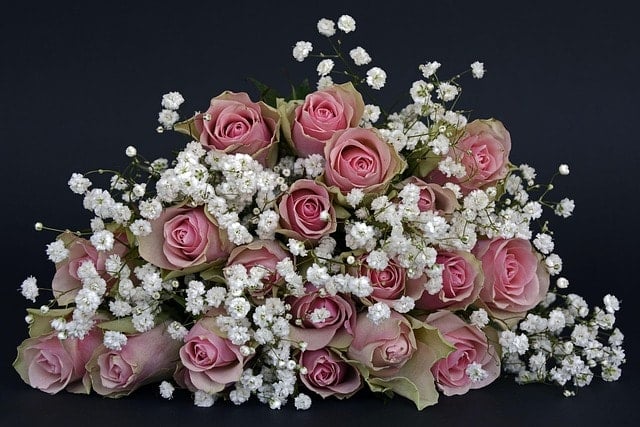

In the competitive world of event floristry, your creativity and stunning blooms might be impressive—but that alone won’t bring clients to your door. The harsh truth? Many talented florists struggle financially while less skilled competitors thrive. Why? Because standing out isn’t just about beautiful arrangements—it’s about strategic visibility.
After working with hundreds of event florists across the country, I’ve noticed a clear pattern: those who book consistently aren’t necessarily the most talented. They’re the ones who understand how to get noticed and remembered during celebrations.
The difference between a florist who books 50 events a year and one who books 5 isn’t just skill—it’s smart positioning. And contrary to popular belief, it doesn’t require a massive marketing budget or years of industry connections to make your space stand out.
What if the gap between where you are now and a fully booked calendar is smaller than you think? What if just a few targeted changes in your space could transform your business within months, not years?
This isn’t about flashy gimmicks or temporary tricks. These are proven, sustainable strategies that successful event florists use to build thriving businesses—even in crowded markets and economic downturns, all while showing love for their craft and unique blooms.
Whether you’re struggling to book your first clients for weddings or looking to scale to the next level, these five strategies will help you stand out in meaningful ways that attract your ideal clients.
Weddings and Mega Cultural Events For Event Florists
Weddings and mega cultural events account for 27.3% of total demand in the cut flower market, indicating a significant share for event florists
The best part? You can implement these approaches starting today, with resources you already have.
Ready to transform how potential clients see, remember, and choose your floral design business?
The Global Cut Flower Market
The global cut flower market, which includes event florists, is valued at approximately USD 41.54 billion in 2025
Metrobi drivers are rated 4.97/5
Trusted by local businesses for:
- Background-checked professionals
- Specialized in business deliveries
- Same drivers for consistency
- 4.97/5 average delivery rating
Floral Marketing Strategies: Stand Out to Get More Clients
Create a professional online presence with SEO-optimized content
Use social media strategically to showcase your unique floral style
Develop targeted marketing materials that highlight what makes your business special
Floriculture Stores
Floriculture stores, including event florist shops, represent 27.5% of total flower sales in 2025
Optimize Your Online Presence
The first step to attracting more clients and showcasing your blooms as a florist is to build a strong online presence, particularly for those focusing on weddings, and create an inviting space for potential clients. Most potential clients begin their search for event florists online, making your digital footprint essential to business growth.
You can start with your website. A professional, user-friendly website serves as your digital storefront. Ensure it loads quickly (under 3 seconds), works well on mobile devices, and displays your contact information on every page. Include a gallery of your best work organized by event type and order, making it easy for potential clients to see examples relevant to their needs.
Search engine optimization (SEO) helps potential clients find you when they search for florists in your area. Include location-specific keywords throughout your site, such as “wedding florist in [your city]” or “corporate event flowers in [your region].” It is better to create separate service pages for different event types you cater to, such as centerpieces, and include details about your process, pricing range, and what makes your floral designs unique for each service.
Creating Content That Converts
Blog posts about seasonal flowers, event trends, and behind-the-scenes looks at your work serve two purposes: they improve your search rankings and demonstrate your expertise. Write content answering common questions clients ask during consultations.
For example, “How far in advance should I book a wedding florist?” or “What flowers work best for summer corporate events?” This type of content brings potential clients to your site and positions you as a helpful expert, encouraging them to leave a review.
Customer reviews are powerful tools for building trust. After each successful event, ask your satisfied clients and your team to leave a review on Google, Yelp, or directly on your website for your weddings. Display these testimonials prominently, as 93% of consumers say online reviews impact their purchasing decisions. Include photos of your work alongside these reviews when possible.
Leverage Social Media Platforms
Social media offers florists a perfect visual platform to showcase their work and connect with potential clients. Unlike many businesses that struggle to create engaging content, florists have a natural advantage – flowers are inherently photogenic.
Instagram and Pinterest are particularly effective for floral businesses due to their visual nature. Post high-quality photos of your arrangements, focusing on seasonal work and highlighting different event types. You can use natural light when possible, and consider investing in a smartphone camera lens attachment to improve photo quality without expensive equipment.
Consistency matters more than frequency. It is best to set a realistic posting schedule – even if it’s just twice weekly – and maintain it. You can use a content calendar to plan posts around seasonal trends, holidays, and local events. This approach helps you prepare content in batches, including ideas for centerpieces, rather than scrambling for last-minute ideas.
Building Engagement and Community
Social media success depends on engagement, not just follower count. Respond to all comments and messages promptly. Ask questions in your captions to encourage interaction, such as “Which centerpiece style would you choose for a spring wedding?” or “What’s your favorite flower in this arrangement?”
“Digital marketing allows you to advertise your floral business online in ways that will help drive traffic to your website to increase sales,” notes WebFX, highlighting the connection between social content and actual business growth.
It is better to share the stories behind your arrangements, including the choice of blooms. – who they were for, the inspiration behind the design, or how you sourced special flowers. These narratives create emotional connections with potential clients, especially when thoughtful arrangements are delivered. It is better to show your process through time-lapse videos or Instagram Stories, giving followers a glimpse of the skill and care that goes into your work.
Cross-promote with complementary businesses. Tag venues where you’ve worked, photographers who’ve captured your arrangements, or event planners you’ve collaborated with. This expands your reach to their followers and builds valuable industry relationships, especially if you position yourself as an event florist.
Create Eye-Catching Marketing Materials
While digital marketing is essential, physical marketing materials remain valuable, especially for event florists who often meet clients in person or exhibit at wedding shows and industry events.
Design a cohesive suite of marketing materials that reflects your brand’s visual identity and overall aesthetic. This includes business cards, brochures, proposal templates, and thank-you cards. You can use consistent colors, fonts, and imagery across all materials to build brand recognition. Include your logo, contact information, website, and social media handles on everything you create.
Professional photography is worth the investment. Hire a photographer to capture your work at actual events, including stunning bridal bouquets. Rather than relying solely on styled shoots. Real-event photos show potential clients how your work looks in venues similar to theirs and demonstrate your experience.
Targeted Materials for Specific Clients
You should create separate portfolios or brochures for different event types – weddings, corporate events, centerpieces, and boutonnieres for social gatherings. This allows you to target specific market segments with relevant examples and information. Include pricing guides that outline starting points for different arrangement types while keeping flexibility for customization.
Provide visual aids during consultations. Prepare mood boards showing different color schemes, flower varieties, and arrangement styles. Physical flower samples or small demonstration pieces make a lasting impression during meetings and help clients visualize possibilities.
“If you want to build brand authority, find great clients, and create more freedom in your small business, the first step is to work with your team and add intention to your marketing,” notes Real Flower Business. This intention means creating materials with specific goals and audiences in mind rather than generic promotional content.
Consider creating a simple one-page “event checklist” that helps clients understand the floral planning process for their weddings. This valuable resource positions you as helpful and organized while subtly marketing your services. Include it as a downloadable PDF on your website to capture email addresses from potential clients.
Practical Ways to Increase Floral Sales
Beyond marketing tactics, operational strategies can significantly impact your ability to attract and retain clients. The “3:5-8 rule” often referenced in floristry provides a helpful framework for floral installation: arrange flowers at 3 different heights, use 5 different flower varieties, and include 8 stems of your focal flower. This creates visually appealing arrangements that photograph well and impress clients.
Pricing strategy directly affects profitability. Rather than competing on price, create clear tiers of service with different price points. For example, offer “essentials,” “signature,” and “luxury” packages for weddings. This gives clients options while ensuring your profit margins.
“Focus on your existing customers and build a solid customer base that you consistently exceed expectations for. Send them emails of greetings and thank you mails for buying from your shop,” advises Designhill, highlighting the importance of retention. Repeat business and referrals often cost less to acquire than new clients.
Consider offering seasonal promotions that fill your calendar with bookings for weddings. During traditionally slower occasions, ensure your business remains active throughout the year. Create special packages for less common event days (weekdays or off-season months) at slightly reduced rates to maintain a steady business flow throughout the year.
Network with venue managers, event planners, and photographers who can refer clients to you. Offer them a referral fee or reciprocal arrangement. Create a simple “preferred vendor” information packet that they can share with their clients that showcases your work, especially if you specialize in unique floral designs.
By implementing these marketing strategies consistently, you’ll build a distinctive brand presence that attracts your ideal clients and sets you apart from competitors. The key is to showcase not just beautiful floral designs, but also the unique perspective and service that only your business can provide during the installation.
The Flower Market
The flower market is expected to grow at a compound annual growth rate (CAGR) of 4.9% from 2025 to 2035
Unique Floral Design Ideas: Impress and Attract Clients
Creative floral designs help event florists stand out in a competitive market.
Incorporating trends and offering custom options attracts more clients
Distinctive style sets the foundation for business growth
Incorporate Trending Styles
The floral industry is constantly changing. Top florists know that staying current with design trends is essential for attracting new clients.
In 2025, bold color palettes are taking center stage. Clients are moving away from soft pastels and embracing bright, saturated blooms with unexpected combinations. This shift represents a significant change from the romantic, muted tones that dominated previous years. Florists who can master these vibrant palettes and create stunning bridal bouquets often catch the attention of clients looking for something different.
Sustainability has become a standard expectation rather than a special feature. Today’s clients actively seek event florists who use eco-friendly practices, aligning with their love for sustainability, especially when thoughtful arrangements are delivered. This includes foam-free arrangements and locally grown, seasonal blooms. The rise in preserved and dried flower popularity also connects to this sustainability trend, offering clients long-lasting arrangements with minimal environmental impact.
Staying Updated with Popular Floral Trends
Successful florists don’t wait for trends to reach them – they actively seek them out. This requires regular research and education. Social media platforms like Instagram and Pinterest serve as valuable resources for tracking emerging styles. Industry publications such as Florists’ Review and Floral Management also provide insights into what’s trending.
The most effective way to stay current is through hands-on learning. Attending workshops taught by master florists exposes you and your team to new techniques and approaches. Major floral design shows like the Philadelphia Flower Show or Chelsea Flower Show showcase cutting-edge work from around the world. Even virtual workshops have become valuable resources, allowing florists to learn from international experts without travel costs.
Textural compositions are gaining significant traction in 2025. Clients increasingly request designs that combine multiple textures and materials, considering the installation as an integral part of the overall experience.
This might include mixing traditional blooms with unexpected elements like grasses, pods, or even non-floral components, especially if you specialize in unique arrangements. Mastering these textural combinations helps florists create distinctive arrangements that photograph well for social media and wow event guests with their uniqueness.
Attend Workshops or Events to Learn New Techniques
Professional development is a critical investment for florists looking to stand out. Workshops offer more than just technical skills regarding flower arrangement and installation – they provide networking opportunities and creative inspiration.
Local floral associations frequently host skill-building sessions at affordable prices. These events often feature demonstrations of current trends adapted to regional markets, providing valuable insights for your team. For more intensive learning, multi-day masterclasses with renowned designers provide deep dives into specific styles or techniques.
Beyond formal education, creating a peer learning group can be invaluable. Meeting regularly with your team and other florists to share techniques and solve design challenges fosters innovation. Some florists organize skill exchanges, where each member teaches a technique they’ve mastered. This collaborative approach builds community while expanding everyone’s design repertoire.
Offer Custom Designs for Different Events
Personalization has become essential in today’s floral market. The U.S. floral gifting market alone was valued at USD 12.18 billion in 2024 and is expected to reach USD 16.81 billion by 2030, reflecting clients’ vision for more unique experiences. This growth reflects clients’ increasing desire for unique, customized floral experiences rather than standard arrangements.
Creating custom designs requires strong client communication skills. The most successful event florists develop comprehensive consultation processes that uncover clients’ preferences, event themes, and specific needs, ensuring they meet their expectations. This information gathering goes beyond basic color preferences to understand the emotional impact clients want their flowers to create.
Custom design services also allow florists to charge premium prices. When clients see arrangements specifically created for their event rather than standard templates by an experienced event florist, they recognize the added value. This customization approach helps florists increase their profit margins while delivering higher client satisfaction, especially when you specialize in unique designs.
Tailor Designs to Match Event Themes or Colors
Event themes provide rich inspiration for distinctive floral designs. Skilled florists translate these themes into cohesive arrangements that enhance the overall event experience. This requires thinking beyond flowers to consider containers, accessories, and installation methods that reinforce the theme and your overall aesthetic.
Color matching represents another crucial customization element. While exact matches aren’t always possible with natural materials, understanding color theory helps florists create harmonious floral designs that complement event palettes. This might involve selecting flowers in complementary or analogous colors rather than identical shades, keeping in mind the installation method.
Scale and proportion also play vital roles in custom event designs. Different venues and event types require appropriately sized arrangements and thoughtful installation to create the desired impact. A skilled florist considers ceiling heights, table dimensions, and viewing distances when creating custom pieces. This attention to spatial relationships ensures arrangements make the right impact in their specific setting.
Provide Personalized Options to Enhance Client Satisfaction
Beyond event-specific customization, client-centered personalization creates meaningful connections. This might include incorporating flowers with special significance to the client, such as blooms from their childhood garden or flowers that reference their heritage. These thoughtful touches demonstrate attention to detail and often result in emotional responses from clients.
Offering various service tiers allows clients to select their preferred level of customization. Some clients may want complete creative control, while others prefer to provide general guidance and trust the florist’s expertise from their team. Creating clear service packages with different levels of customization helps clients understand their options and find the right fit for their needs and budget.
Follow-up services represent another form of personalization that enhances client satisfaction. Providing care instructions for arrangements, offering preservation services for special blooms, or creating small take-home arrangements for event guests extends the floral experience beyond the event itself. These added touches create lasting positive impressions that lead to referrals and repeat business.
The 3:5-8 rule in floristry provides a helpful framework for creating balanced custom designs. This principle suggests using three different flower types, five different stems, and arranging them at eight different heights. While not a rigid formula, this approach helps florists create visually interesting arrangements with proper proportion and dimension.
Expanding your florist business requires a strategic approach to design innovation. By implementing these unique floral design ideas, you’ll not only attract more clients but also position your business as a distinctive voice in the market. The key is balancing trend awareness with personal style development, creating designs that feel both current and timeless. As you build your reputation for creative, customized work, you’ll find that word-of-mouth referrals become a significant source of new business.
Networking Tips for Florists: Building Valuable Connections
Network strategically at industry events to find new clients and partners
Build relationships with complementary vendors for mutual growth
Follow specific steps to maintain meaningful professional connections
Effective networking transforms how florists find clients and build their businesses. After developing unique design skills, connecting with the right people amplifies your reach and opens doors to new opportunities.
The Floral Job Market
The floral job market in 2025 reflects specialization in event floral design, with top event floral designers earning between $60,000 to $100,000+ annually
Attend Industry Events and Trade Shows
Industry events and trade shows serve as perfect venues for florists to connect with potential clients and fellow professionals.
You can start by identifying relevant events in your area. The American Institute of Floral Designers (AIFD) Symposium, local wedding expos, and regional floral association meetings all offer networking opportunities. Before attending, research which vendors and potential clients might be present. This preparation helps you target conversations with the right people.
When attending events, focus on quality interactions rather than quantity. Meaningful conversations with five potential partners will prove more valuable than brief exchanges with twenty. It is better to ask open-ended questions about their business challenges and listen carefully. For example, “What types of floral arrangements have been most requested at your venue recently?” shows your interest in their specific needs.
Preparing for Networking Events
Preparation makes all the difference when networking. Create business cards that showcase your unique style—consider including a small image of your best work on the card. Bring a portfolio tablet or printed lookbook with high-quality photos of your arrangements. Practice a 30-second introduction that clearly explains what makes your floral services special.
Dress professionally but with a creative touch that reflects your brand aesthetic. Arriving 15-20 minutes early gives you time to settle in and observe the room before it gets crowded. Set a goal for each event: perhaps connecting with three new potential clients and two complementary vendors.
After meeting someone, make notes on their card about what you discussed. This information becomes valuable when you follow up.
Collaborate with Other Vendors
Strategic collaborations with complementary vendors create powerful business relationships. Event planners, wedding coordinators, photographers, caterers, and venue managers all work with clients who need floral arrangements. Building relationships with these professionals creates a referral network that brings steady business.
You can start by identifying vendors whose client base aligns with your target market. If you specialize in luxury wedding arrangements, connect with wedding planners who serve high-end clients.
When approaching potential collaborators, focus on mutual benefits. Rather than immediately asking for referrals, first consider what you can offer them as an event florist. Perhaps you could provide discounted arrangements for their office or contribute to their styled photo shoots. This approach builds goodwill and demonstrates your professionalism.
Building Sustainable Vendor Relationships
Consistent communication maintains vendor relationships. Schedule quarterly coffee meetings or lunches with your most important partners to stay updated on their business and share your news—especially if you specialize in a specific event type. Send them updates when you create new signature arrangements or offer seasonal specials they can mention to their clients.
Create formal referral systems that benefit both parties. This might include a commission structure where you provide a percentage of sales that come through their referrals, or a mutual discount program where clients who book both services receive special pricing. Document these arrangements clearly to avoid misunderstandings.
Showcase your partners on your social media and website. Tag them in posts featuring collaborative work and write testimonials for their services. This cross-promotion helps both businesses reach new audiences.
Creating Valuable Networking Opportunities
Don’t wait for events to network—create your opportunities. Host small gatherings where complementary vendors can meet and share ideas. A quarterly “Vendor Appreciation Evening” with light refreshments gives everyone a chance to connect in a relaxed setting. These events position you as a community builder and strengthen your industry relationships.
Join professional organizations like local chambers of commerce or wedding vendor associations. Being an active member gives you regular access to potential partners and clients. Volunteer for committee positions to gain visibility and demonstrate your commitment to the industry.
Consider developing educational workshops for other vendors. For example, you could teach event planners about seasonal flower availability or help photographers understand how to capture floral arrangements effectively. Sharing your expertise positions you as an authority and builds trust with potential collaborators.
Remember that networking is about building relationships, not just collecting contacts. Focus on how you can help others first, and the business benefits will follow naturally. By implementing these networking strategies consistently, you’ll create a support system of industry professionals who regularly refer clients to you and help your business grow.
Client Engagement Techniques for Event Florists
Build deeper client relationships through personalized consultations and follow-up strategies.
Increase repeat business with thoughtful client communication techniques
Create memorable experiences that generate referrals and brand loyalty
Offer Free Consultations or Workshops
Free consultations serve as powerful tools for event florists looking to connect with potential clients on a deeper level. When you offer a no-obligation consultation, you create a low-pressure environment where clients can share their vision while you demonstrate your expertise.
During consultations, focus on asking detailed questions about the client’s preferences, budget constraints, and event vision rather than immediately pushing your portfolio. This approach positions you as a thoughtful professional who prioritizes client needs. Prepare a structured consultation form that covers all aspects of floral arrangements—from color preferences to flower types, allergies, and planning details for the event. This level of detail shows clients you’re thorough and attentive, qualities they’ll value when trusting you with their important events.
Hosting Effective Floral Workshops
Workshops represent another powerful engagement strategy. The Event Marketing Institute reports that 74% of consumers say engaging with branded event marketing experiences makes them more likely to purchase the promoted products. Workshops allow potential clients to experience your teaching style, expertise, and personality firsthand—often converting participants into paying clients.
When planning workshops, consider targeting specific occasions or themes. Since 77% of consumers purchase flowers because of special occasions, designing workshops around holidays, wedding seasons, or corporate event themes can attract clients actively planning these events. A seasonal workshop series (spring wedding arrangements, fall corporate centerpieces, holiday home décor) creates regular touchpoints with potential clients throughout the year.
Document these workshops through high-quality photos and videos to share on social media and your website, extending their marketing value beyond the actual event. Participants often share their creations online, providing organic marketing for your business. Consider offering workshop packages for bridal parties or corporate team-building events, opening additional revenue streams while showcasing your skills to multiple potential clients simultaneously.
Implement Follow-Up Strategies
Follow-up communication transforms one-time clients into loyal customers. After completing an event, send a personalized thank-you note within 48 hours, and kindly ask for a review to enhance your online presence. Handwritten notes make particularly strong impressions in our digital age, but even personalized emails with specific references to their event show clients you valued their business and aim to exceed their expectations.
Subscription-Based Floral Service Operators
Subscription-based floral service operators, including event floral subscriptions, earn a steady income of about $50,000+ with potential for scaling
Create a structured follow-up calendar to maintain connections without being intrusive. This might include a thank-you note immediately after the event, a check-in email with photos two weeks later, and periodic seasonal greetings thereafter. You can use a customer relationship management (CRM) system to track client preferences, important dates, and past interactions. This enables highly personalized communications—for example, “We thought of you when these peonies (which you loved at your daughter’s wedding) were delivered.”
Designing Effective Loyalty Programs
Beyond simple follow-ups, structured loyalty programs encourage repeat business. Consider a points system where clients earn credits toward future arrangements, or tier-based programs that provide increasing benefits for regular clients. For wedding clients, offer anniversary arrangement discounts—they’ll appreciate the thoughtfulness while you secure yearly recurring business.
Implement a referral program that rewards clients who recommend your services. This might include discounts on future orders, free add-ons, or small thank-you arrangements. Track these referrals carefully to identify your most valuable client advocates.
Create Client Experience Touchpoints
Client experience extends beyond the final floral product to encompass every interaction with your business. Create memorable touchpoints throughout the client journey—from the initial inquiry to post-event follow-up, emphasizing the love and care you put into each arrangement. Consider the physical environment of your studio if clients visit for consultations. Fresh flowers (naturally), comfortable seating, refreshments, and thoughtfully designed portfolios all contribute to a premium experience.
For events, add unexpected touches that wow your clients and surprise and delight their guests. This might include a small complimentary arrangement for the event planner, bride’s mother, or key decision-maker that is thoughtfully delivered. These gestures create emotional connections that statistics support—88% of Americans report feeling happier after purchasing flowers. Leveraging this emotional response through thoughtful gifting creates powerful positive associations with your brand.
Digital touchpoints matter equally. Ensure your online scheduling system, proposal documents, and invoicing reflect your brand quality. Consider creating a client portal where clients can view their event details, inspiration photos, and order invoice status. This organization demonstrates professionalism while providing the convenience clients appreciate.
Gather and Implement Feedback
Systematic feedback collection provides invaluable insights while showing clients you value their opinions. Develop a standardized post-event survey that asks specific questions about what worked well and where you could improve. Keep surveys brief (5-7 questions) to increase completion rates, and include both rating scales and open-ended questions for comprehensive feedback.
When clients provide suggestions, implement actionable changes quickly, and inform those clients of the improvements made based on their input. This “closing the feedback loop” demonstrates responsiveness and builds loyalty. For negative feedback, respond promptly with solutions rather than defensiveness. Research indicates that effectively addressing problems can increase customer loyalty beyond pre-problem levels.
Consider implementing a Net Promoter Score (NPS) system to track client satisfaction over time. This single-question metric (“How likely are you to recommend our services?”) provides a simple benchmark to monitor client sentiment trends following their order date. Track your NPS quarterly and set improvement goals based on this data.
Leverage Technology for Enhanced Client Relationships
As the floral industry evolves, with online flower merchants growing at 11.8% annually, technology offers powerful tools for client engagement. Implement a robust customer relationship management (CRM) system to track client preferences, important dates, communication history, and purchase patterns. This centralized data enables highly demonstrate your commitment to providing personalized service at scale.
Consider implementing digital proposal software that creates visual, interactive proposals clients can review on any device, aligning with their vision for the event. These tools allow clients to see design options, make comments, and approve proposals electronically—streamlining the decision process while creating a professional impression. Many systems integrate with payment processing, simplifying the financial aspects of your client relationship.
Email automation allows you to maintain contact without consuming excessive time. Develop thoughtful automated sequences for different client types—wedding clients might receive planning timelines and seasonal inspiration from your event florist services. In contrast, corporate clients could receive quarterly arrangement ideas for their reception areas. These automated touchpoints maintain connection between major orders, keeping your brand top-of-mind when new needs arise.
Seasonal Flowers or Bridal Bouquets in Event Florists

Running a successful event florist business takes more than just flower skills—it takes smart business practices. By improving your online presence, utilizing social media effectively, creating standout marketing materials, staying current with trends, and offering custom floral designs, you set yourself apart.
You shouldn’t forget the power of connections—attend industry events and work with other vendors to expand your reach. Regular client contact through consultations and follow-ups builds lasting relationships that lead to repeat business. With these five approaches, you’ll not only attract new clients but keep them coming back within their budget.
The floral market may be competitive, but your unique approach and attention to detail will make your business bloom. You can start with one tip today, then add others as you go. Your commitment to standing out will pay off in bookings, referrals, and a growing reputation as the go-to florist for special events.