
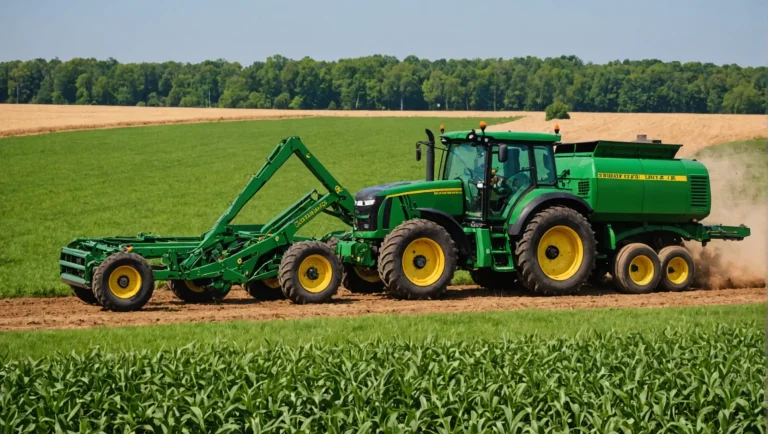

As a business owner, deciding whether a farm equipment loan is the right choice for you can be a critical decision. This blog is your guide.
You’ll learn what a farm equipment loan covers and the potential benefits it offers to family farmers.
Understand how tax advantages can boost cash flow, ways to compare financing options, and why choosing between refinancing, buying, and leasing matters.
And, find out how to qualify for such a loan and maximize its benefits.
By the end, you’ll know all the essentials to make an informed decision about financing your farm equipment.
Lower your delivery costs by 23%
How we reduce costs:
- No delivery vehicle expenses
- Optimized local routes
- Pay-per-delivery model
- Average 23% delivery cost reduction
Understanding Farm Equipment Loans
What is a Farm Equipment Loan?
Farm equipment loans help farmers buy new or used machinery. This includes tractors, plows, and harvesters. Loans cover the cost of these tools, which are vital for agricultural operations. When you get a loan, you agree to pay back the money over a set time with a fixed rate of interest. Typical terms range from 1 to 7 years. The interest rate can be fixed or both fixed and variable rates, depending on the lender. Interested in safeguarding your financed machinery against unforeseen damage? Agricultural equipment insurance offers the protection you need, ensuring your investment is secure.
Benefits of Farm Equipment Loans
Farm equipment loans offer several benefits. For starters, they allow you to spread out the cost of ag equipment over time. This means you get to keep more cash in your pocket upfront. Dive into the world of agricultural machinery and discover the top 10 most vital pieces of farming equipment necessary for maximizing farm efficiency.
Another perk is that these loans and leases may offer tax benefits. Interest paid on the loan is often tax-deductible
You’ll also benefit from predictable monthly payments, which is great for budgeting. With a loan, you can access equipment and services right away without having to save up large sums first.
Why Use Equipment Financing
Using a farm equipment loan program offers clear financial advantages:
Purpose of Equipment Loan: It primarily helps in acquiring necessary farm machinery without needing a full upfront payment.
Finance vs. Paying Cash: Financing means less initial cash outflow. This can improve cash flow and help you manage other business expenses.
Now, to understand farm equipment loans better, we will evaluate key judging criteria. These will guide you in deciding if such a farm credit loan meets your business needs:
Cost Comparison
Cash Flow Impact
Tax Benefits
Loan Terms
Interest Rates
Application Requirements
Approval Speed
Flexibility of Payment Plans
This list will help in breaking down each option, guiding you to a more informed choice.
Metrobi is transforming farm deliveries
Specialized solutions for farm businesses:
- Farm-trained drivers
- Proper handling equipment
- Peak day delivery support
- 23% average cost reduction
Step-by-Step Guide: Is a Farm Equipment Loan Right for You?
Step 1: Assess Your Financial Needs
Analyze Current Financial Standing and Equipment Requirements
You can start by reviewing your farm’s financial health. This means looking at your income, expenses, and existing debts. Knowing this will help you understand how much you can afford for new equipment or irrigation systems. It is better to make a list of the machines used equipment, or tools you need. Consider whether this is for expansion or replacement. Are there any essential pieces that would increase other farm equipment, efficiency or output?
Consider Long-term vs. Short-term Needs
You should think about how long you’ll need the equipment. Equipment that lasts 10 or more years may justify a longer loan term. Short-term needs may be better served with leasing. Project future equipment needs. Consider factors like growth plans, technology changes in farming, and climate conditions. This will help you decide how long you want to commit financially to purchasing the equipment.
Step 2: Compare Farm Equipment Financing Options
Look into Different Types of Loans: Secured, Unsecured
There are mainly two types of loans you can consider: secured and unsecured. Secured loans require collateral, often the equipment itself. They typically have lower interest rates. Unsecured loans have higher rates but don’t require collateral. You should analyze the pros and cons of each based on your financial flexibility and ability to provide collateral.
Research Lenders and Terms Available in the Market
Spend time evaluating different lenders, considering banks, local dealerships, and credit unions. Each lender offers various interest rates, repayment periods, and terms. It is better to compile a list of at least three lenders to compare their rates and terms. Consult online reviews or forums to understand each lender’s reputation. You can talk to other farmers to get recommendations. Look into the leading farm equipment manufacturers to select the most reliable machinery for your agricultural needs.
Step 3: Evaluate Farm Equipment Loan vs. Leasing
Analyze the Benefits and Drawbacks of Both Options
Loans allow you to own the equipment, which can be an asset at the end of the loan term. Leasing often has lower monthly payments and includes regular maintenance. You should determine which fits your budget better. You can look at the depreciation rate of the new or used equipment. Leasing might be better for equipment with high depreciation. It is better to consider the total cost of ownership versus lease.
Decide Based on Financial Projections and Asset Turnover
Review your cash flow projections for the next 5-10 years. High asset turnover in farming means you may benefit from leasing, especially if the equipment will require frequent updates. It is better to calculate the potential returns on investment for both scenarios. Consult your financial advisor for insights on the long-term financial impact. Considering the high turnover of assets in agriculture, weighing the decision to buy versus lease farm equipment is crucial for future financial planning.
These steps will guide you in making a well-informed decision about whether a farm equipment purchase or loan is suitable for your business.
How to Qualify for a Farm Equipment Loan
Loan Application Requirements
Credit Score Considerations and Necessary Documentation
Lenders often begin by looking at your credit score. It affects your interest rates and whether you get approved. To qualify for a farm equipment loan, aim for a score of 620 to 650. While some options exist for lower scores, a higher score can get you better terms. You should gather key records before applying:
Government ID: It confirms your identity.
Bank Statements: Show your daily financial activity.
Tax Returns: Provides proof of income and financial history.
Federal Tax ID or Social Security Number: Identifies your business or personal finances.
Meeting these requirements makes the process smoother. Keep your credit score and documentation ready to avoid surprises.
Income Requirements and Loan-to-Value Ratio
You can show lenders your ability to repay a tractor loan. They check your income and compare it to the loan size, known as the loan-to-value ratio. For farm loans, lenders generally don’t want more than 75% of the equipment’s value as a loan. This means you should manage your finances well to show income stability. The higher the income, the lower the loan amount and the risk for lenders, which boosts your approval odds. Having trouble locating parts for farm machinery? Discover three strategies to overcome farm equipment parts shortages and ensure your farming operations don’t hit a snag.
Improving Your Chances of Approval
Strategies for Building a Stronger Financial Profile
To enhance your farm credit system and your approval odds, work on your financial health. You should start by improving your business credit score. You can pay bills on time and monitor debt levels. I’d like you to please attend workshops on credit management and farming to show your commitment. Also, it is better to consider securing loans with collateral like equipment or livestock, which can improve your application.
Tips on Presenting Solid Business Plans or Projections
A well-crafted business plan catches a lender’s eye. You can detail your farm goals and strategies. Include financial forecasts that estimate future earnings and expenses. This provides confidence in your ability to pay back the loan. Strong projections can sway lenders in your favor, filling gaps where credit scores might not suffice.
Making Smart Financial Moves for Your Farm
Thinking about a farm equipment loan? It could offer tax perks and help with cash flow, but you need to know your needs. Weigh loans to buy ag equipment up against leasing and check out various equipment financing program options. Make sure you keep your credit in good shape to boost approval chances. Discover the most vital agricultural machinery and tools that elevate farm productivity, a must-know for considering your next equipment loan or lease.
Review your equipment needs carefully. You should check out different lenders to find the right fit. You shouldn’t forget to compare loans with leasing to see what works best for you. Have you considered how a used equipment dealer with loan or lease options fits into your long-term business goals?
Stay ahead of potential pitfalls like hidden fees. Consider the farmer and the current market when you’re ready to strike a deal. Your farm or operation’s productivity might just depend on the right move now.