
In 2023, a small coffee shop in Seattle lost $157,000 from payment processing errors using old POS systems. By 2024, they switched to cloud POS – their revenue and profits went up 43% in six months.
The shift to cloud POS systems isn’t just about keeping up with technology. It’s about survival in modern retail.
Cloud POS can transform how you run your business – or it can waste your money if implemented wrong. In 2025, 78% of retail businesses use cloud POS systems, according to McKinsey’s Latest Retail Tech Report. But 31% of them report they’re not using even half of their system’s features. For those in the restaurant industry, understanding the full capabilities of their POS systems is vital. A well-chosen system can streamline operations, improve customer service, and ultimately enhance profitability. If you’re looking to leverage technology to maximize efficiency, check out this comprehensive guide on what a restaurant POS system can do for your business.
Let’s be clear: Cloud POS isn’t perfect. It has limitations. It requires internet connectivity. It needs staff training. And yes, there are monthly fees instead of one-time payments. If you’re considering transitioning to a more modern system, you might also want to explore the benefits of tablet-based systems like an iPad POS. These systems can offer user-friendly interfaces and mobility that enhances customer engagement. Check out this resource to learn more about the clear signs that indicate it’s time to make the switch: iPad POS systems.
But here’s what matters: When used correctly, cloud POS systems cut operational costs by 35% and reduce inventory errors by 67%. They connect your online and offline sales channels. They give you real-time data about your business. To maximize the benefits of a cloud POS system, it is essential to leverage data effectively. By diving into detailed POS reports, businesses can uncover actionable insights that drive growth. Implementing techniques from resources like these can help you refine strategies and improve operational efficiencies.
Is cloud POS right for your business? That depends on several factors we’ll examine. We’ll look at exactly what cloud POS can and cannot do for your business in 2025. We’ll explore real cases of success and failure. Most importantly, we’ll help you decide if – and how – you should make the switch. For businesses, effective management of inventory is crucial to profitability. Improved food inventory management can lead to better margins, ensuring that every item sold contributes positively to the bottom line. By leveraging smarter inventory systems, companies can significantly reduce waste and streamline operations. For more insights on optimizing food inventory management, check out this helpful resource.
Save 80% of delivery management time
We handle everything:
- Dedicated operations manager
- Real-time tracking dashboard
- Automated customer notifications
- Urgent issue resolution
How Cloud POS Software Boosts Your Business

Access sales and inventory data from anywhere.
Lower costs with efficient updates.
Enhance security with automatic backups.
Easy Access and Flexibility
Cloud-based POS systems let you handle sales and inventory from anywhere, as long as you have internet. This flexibility is important for busy professionals who might not always be on-site. Updates are automatic, so you don’t have to worry about extra costs. This helps ensure your software is up-to-date without manual intervention. If you manage multiple locations, cloud POS supports all of them in one go. This means you can oversee inventory and sales across stores without hassle. O
Cost Efficiency
Cloud systems help cut costs in multiple ways. Firstly, the average cloud POS system has a low upfront expense compared to traditional systems which can be expensive. You pay for what you use. This model lets you scale based on your needs and reduce costs further.
Automated updates help keep maintenance costs down. This eliminates the need for constant manual checks and fixes. With these systems, you save on both time and money, allowing you to channel resources into growing your business.
Enhanced Security
Security is often a concern with any digital tool. Cloud POS systems provide secure payment processing. They follow industry standards to safeguard customer information. Unlike traditional systems, cloud POS offers regular security updates. These updates help to lower vulnerability risks. So, your data stays safe. Additionally, data backing happens consistently. Even if your local system crashes, your information remains secure and retrievable.
You might wonder about the safety of using cloud systems. These platforms typically employ advanced protections and comply with strict regulations, such as those outlined by the PCI Security Standards Council. While no solution is completely foolproof, following these guidelines makes cloud-based POS systems a solid choice for businesses that prioritize customer safety.
This section helps in understanding why switching to cloud-based POS from traditional systems can be beneficial. As businesses become more digital, transforming your POS system built up becomes more crucial.
Why Businesses Are Moving from Legacy to Cloud POS
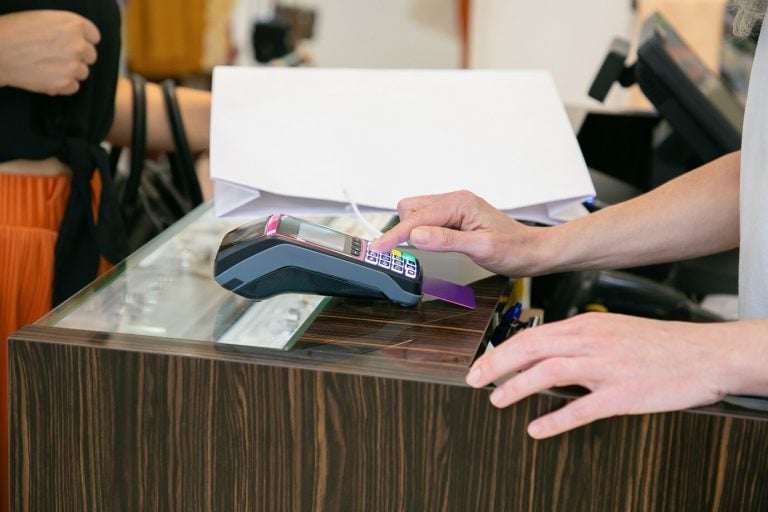
Real-time information boosts decision-making.
Easy software integration enhances business operations.
Flexible systems lower costs and improve security.
Real-time Data Access
Cloud-based Point of Sale software (POS) systems provide fast data sharing across sales locations. Legacy systems often update data at slower intervals or require manual input, making them less efficient. Businesses using cloud POS can access sales, inventory, and customer data immediately. This enables quick decision-making, vital for competitive retail environments where trends change fast. Through seamless integration with other cloud services, businesses can cross-analyze data. This boosts insights into consumer behavior and operational performance.
Real-time data access allows businesses to use analytics tools linked through cloud infrastructure. Consider using books like “Data and Goliath” by Bruce Schneier to understand the power of data in decision-making for retail businesses. As John Smith, a POS analyst, notes, “Cloud-based retail POS software can improve your business’s customer service, increase efficiency, and help you stay competitive.” Statistically, enhanced access to immediate data has been a driver for many businesses to switch to cloud systems, a trend expected to grow given that the cloud POS market is projected to reach $25.21 billion by 2033.
Versatile Integration
Cloud POS systems offer flexibility in integrating with third-party applications. For example, businesses can connect POS systems with Customer Relationship Management (CRM) tools, allowing personalized customer experiences. Legacy systems, in contrast, often require manual data exchanges, creating more work. Automated processes for accounting and stock management further reduce manual errors, improving day-to-day operations.
Cost Management
Cloud-based systems generally require lower upfront costs compared to legacy POS systems. Legacy systems often involve significant hardware costs and subsequent upgrades. Cloud systems leverage existing hardware devices, like tablets and smartphones, thus reducing initial investments. This change supports flexible and agile operations, crucial for modern retail.
Moreover, cloud systems often operate on a subscription basis, enabling businesses to scale their services as they grow without incurring substantial expenses all at once. This combination of flexibility and cost efficiency makes cloud POS an attractive option.
Enhanced Security
Security remains a pivotal concern for retailers. Cloud POS systems offer improved data protection with features like secure payment processing and frequent security updates. These measures help businesses comply with industry standards and safeguard sensitive customer information. Legacy systems, on the other hand, might lack regular security updates, making them more prone to vulnerabilities.
When contemplating cloud vs. legacy systems, security is a significant factor. The PCI Security Standards Council provides guidance on secure payment technologies, which could inform retail decisions.
Strategic Business Transformation
Adopting cloud POS is not just a technological upgrade but a strategic move. It aligns with the increasing role of digital payments and the growing demand for e-commerce and mobile transactions. Businesses can stay competitive by embracing technologies that offer these capabilities. Shifting from legacy systems should be seen as part of broader digital transformation efforts, which include utilizing real-time analytics and enhancing customer experiences.
Emerging Trends in Cloud POS: 2025
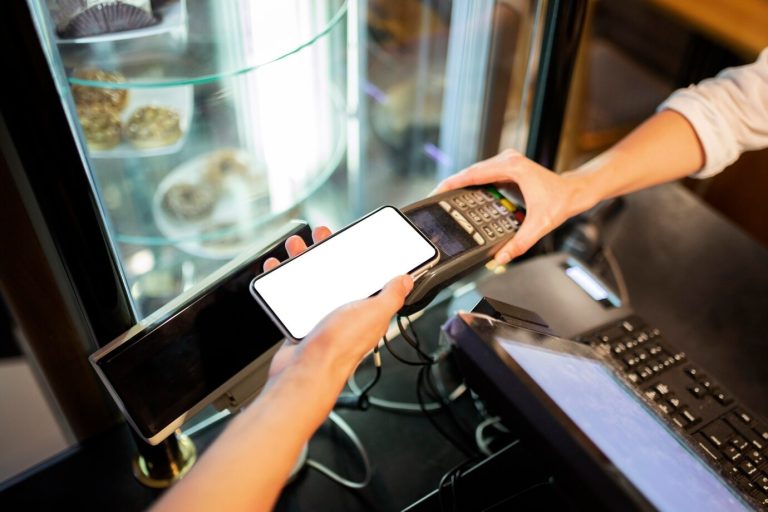
AI personalization boosts customer connections.
Mobile POS expands convenience and agility.
Automation simplifies business processes.
AI and Machine Learning Integration
Artificial intelligence (AI) and machine learning are transforming how businesses use cloud POS systems. They’re going beyond regular transactions to provide businesses with tools that predict and meet customer needs. Predictive analytics in cloud POS systems enable tailored marketing and recommendations. Businesses can know what customers want even before they do, delivering a personalized experience. This kind of forecast can increase sales by as much as 30%.
AI is also reshaping inventory management. Predictive analytics allow businesses to optimize stock levels, reducing waste and preventing stockouts. This improvement can save businesses significant costs, especially those operating with thin margins. AI-driven solutions like Retail Powerforce can provide real-time visibility into stock levels and help automate reordering processes.
Cloud POS systems feature AI-powered chatbots and virtual assistants for better customer service. They provide 24/7 support, answer questions, and even make personalized product recommendations. However, user experience can vary widely, with some businesses seeing vast improvements, while others note that the technology isn’t mature enough.
Mobile POS Growth
The use of mobile devices in sales has seen a massive increase. Tablets and smartphones are turning into flexible sales devices that allow transactions almost anywhere. This shifts the dynamics from traditional cash registers to more agile setups, creating a more efficient shopping experience for both staff and customers.
The use of mobile POS systems in restaurants allows for faster checkouts. No more waiting in long lines. Staff can complete transactions on the floor, letting them engage more personally with customers. This approach not only speeds up sales but enhances the customer experience. However, it’s crucial to remember that the success of mobile POS systems depends on robust networks and thorough employee training.
By integrating mobile POS systems, businesses can transform the role of their salesforce. With staff moving freely on the sales floor, the focus shifts from purely transactional interactions to creating stronger customer relationships.
Cloud Automation and Orchestration
Cloud-based automation tools, driven by AI, offer substantial efficiency improvements. Businesses can use cloud automation to manage virtual machines, deploy applications, and orchestrate complex processes. These systems offer dynamic workload allocation, which can be adapted based on demand. This results in better resource use and cost savings—it’s about doing more with less.
Intelligent orchestration allows businesses to manage multi-cloud environments smoothly. Companies no longer need to be tied to one cloud provider, enabling them to choose tools that best fit their needs. Automation platforms, such as Apache Cloudstack and Kubernetes, optimize these processes, though the initial setup can be complex and might require expert guidance.
Contactless and Alternative Payments
Payments are evolving with contactless methods becoming increasingly common. Offering convenient payment options like mobile wallets and QR codes can reduce transaction times and improve the customer experience. With contactless payments expected to cover 43% of all global payments by 2026, it’s clear this isn’t just a trend—it’s the future of transactions. Security remains a focus, with tokenization protecting sensitive data during transactions.
Data Analytics and Business Intelligence
Cloud POS systems are beginning to pivot toward offering extensive analytical capabilities. This shift means businesses can now access real-time insights that can drive decisions across the board. tools like Tableau and Power BI help managers interpret sales trends, customer behaviors, and more. By understanding these patterns, businesses can refine their strategies, further boost revenue and efficiency, and refine customer service processes. Yet, integrating these tools can be costly and challenging, depending on the analytical depth required.
The Future of Retail Technology and Cloud POS

Omnichannel drives 30% sales growth.
IoT makes retail smarter with automation.
Prepare now or risk falling behind tech curves.
Omnichannel Capabilities
Omnichannel setups are reshaping how businesses engage with customers. These systems allow seamless interaction across various platforms: online, physical stores, and mobile experiences. An omnichannel approach synchronizes inventory in real-time, preventing stock errors and ensuring that promises made to customers are fulfilled promptly. With consistent data accessibility, businesses can offer personalized shopping, another critical factor in customer retention. Studies show that omnichannel customers spend 10% more online and 4% more in-store compared to single-channel shoppers, making it a powerful sales driver.
Internet of Things (IoT) Influence
IoT is becoming a pillar of modern retail strategies. From capturing real-time customer data through smart devices to automating inventory processes, IoT integrates seamlessly into retail operations. Devices like smart shelves and digital signage can track customer interactions and adjust store environments using predictive insights. This real-time adaption can enhance the shopping experience, making it more personalized and efficient. Some retailers use IoT for tasks like managing inventory through automated reordering, which can drastically cut down on management time and cost.
Preparing Your Business for Technological Change
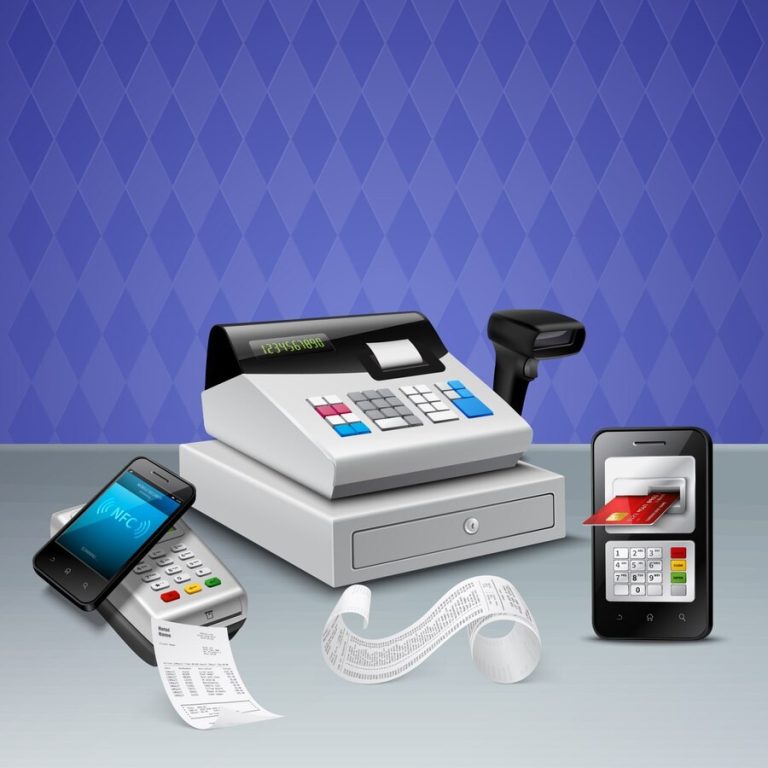
The rapid tech evolution in retail emphasizes the need for businesses to stay proactive. To future-proof operations, it’s essential to track retail tech advancements actively. This means immersion in industry news, participating in trade shows, and engaging with thought leaders. Testing new tech on a small scale allows businesses to understand and limit risks before full-scale implementation. For example, trial versions or pilot programs can gauge effectiveness without massive commitments.
Regular training programs help staff remain fluent with new technologies. This builds a responsive and adaptive workforce. Structured as ongoing professional development, these sessions can ensure businesses do not fall off tech trends.
Adapting to changes requires openness and a strategic approach. Companies must prepare for technological shifts through ongoing learning and integration of tested innovations. Getting behind could mean losing competitive ground as tech advancements continue to accelerate.
Implementing Cloud POS Sale Software Solutions for Success
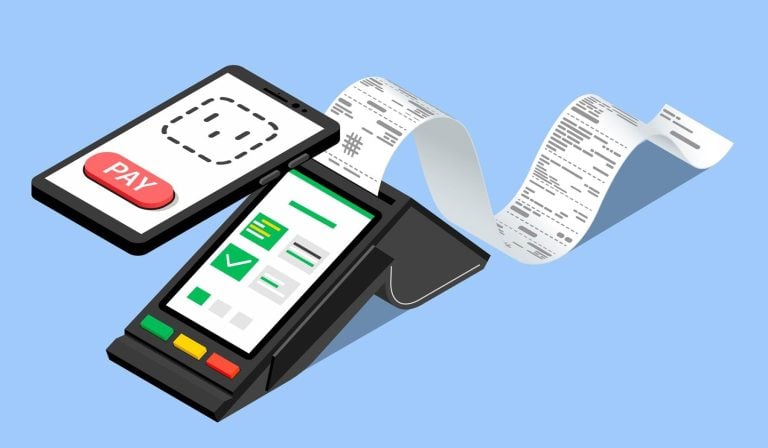
Simplify your transition with a well-defined plan.
Choose providers that match your specific needs.
Prioritize training for your team to ensure smooth daily operations.
Develop a Clear Strategy for the Transition
The first step in implementing a cloud POS system is to come up with a clear plan. This plan will guide the entire transition. Begin by assessing current systems. Understand their strengths and weaknesses. This will help identify why you need a cloud POS.
Assess Your Current Systems: Evaluate existing systems for performance, cost, and security. This will highlight areas needing improvement, helping focus your transition on the most beneficial changes.
Identify Specific Needs: Consider the unique needs of your business. For instance, large retail chains might require real-time data analytics, while small businesses might prioritize cost efficiency.
Set Clear Objectives: Outline the specific goals you aim to achieve with the cloud POS system, such as improved data security or enhanced customer engagement.
Develop a Roadmap: Create a step-by-step plan detailing how the transition will unfold, including timelines and resources required.
Ensure Alignment with Business Goals: Make sure the cloud POS strategy aligns with broader company goals, such as improving customer service or expanding into new markets.
Choose the Right Provider Based on Needs and Size
Selecting the right provider for your cloud POS system is crucial. This choice can impact both the short- and long-term success of your implementation. Follow these steps for effective provider selection:
Evaluate Provider Offerings: Compare providers based on features like security, scalability, and system integration. This helps in finding a provider that meets your technical requirements. Check their service roadmap, focusing on future tech and updates.
Assess Security and Compliance: Ensure potential providers prioritize security and compliance. With 89% of businesses prioritizing PCI DSS compliance, this is critical to prevent payment fraud risks.
Consider Reliability and Performance: Look at uptime guarantees, system responsiveness, and user reviews. Providers with a solid track record in these areas will help minimize disruptions to daily operations.
Plan for Exit Strategies: Avoid vendor lock-in by understanding the provider’s data portability and exit options, allowing for flexibility if switching providers becomes necessary.
Request Demonstrations and Trials: Use demos or trial periods to assess how well the system integrates with existing workflows and systems.
Invest in Training and Support for Smooth Adoption
Training and support are crucial for a successful cloud POS launch. Without these, even the best systems can fall short.
Budget for Training: Set aside time and funds for comprehensive staff training. This ensures everyone knows how to use the new system effectively.
Utilize Provider Resources: Many providers offer training materials or sessions as part of their service package. These are designed to ease the transition and address common issues.
Conduct Ongoing Training: Initial training is important, but keep the momentum with regular refresher courses. They are vital for keeping up with updates and newly integrated features.
Arrange 24/7 Support: Choose a provider offering round-the-clock technical help. This minimizes downtime and keeps the system running smoothly.
Allocate Internal Support Teams: Consider forming a dedicated internal team to address immediate issues and feedback, acting as a first line of support.
Cloud-Based POS System For Business
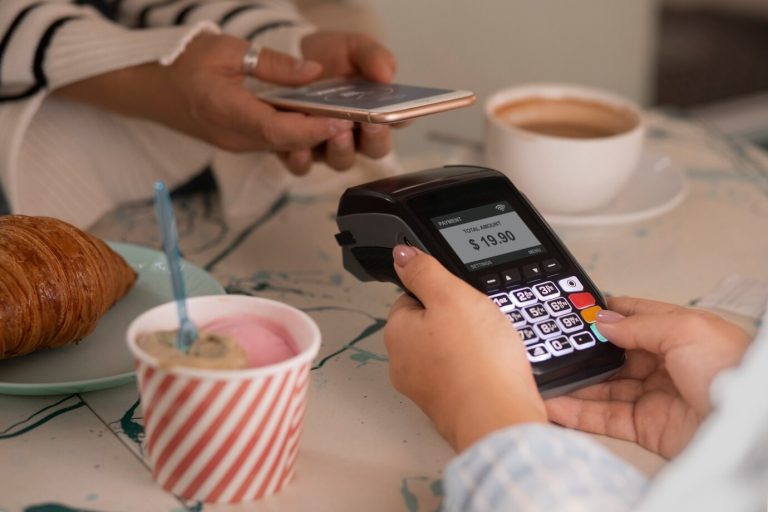
Cloud POS technology in 2025 is reshaping how businesses operate. The shift from traditional systems to cloud-based solutions brings clear benefits: lower costs, better security, and real-time data access. But the true value lies in how these systems adapt to future needs.
The combination of AI, IoT devices, and mobile technology creates a robust ecosystem for business growth. These tools work together to provide insights, automate tasks, and improve customer experiences. Small businesses can now access enterprise-level features without large investments.
Yet, success with cloud POS requires careful planning. Choose a provider sale solution that aligns with your business goals. Focus on staff training and gradual implementation. Start with core features, then expand as your team becomes comfortable with the system.
Remember: technology should serve your business needs, not complicate them. A cloud POS system is an investment in your business’s future. It provides the foundation for growth while staying current with retail technology trends.
Take time to evaluate all your data and options. You should talk to providers and test systems. Your choice of cloud POS today will influence your business operations for years to come.