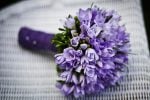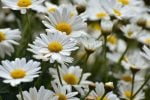

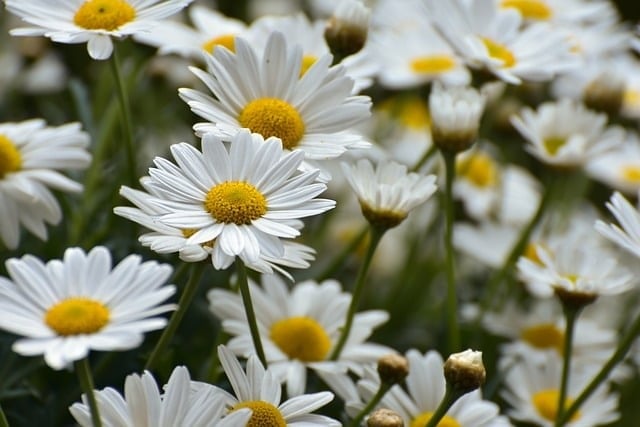

The difference between a good event and an unforgettable one often comes down to the beautiful flowers and floral arrangements, including the vibrant poinsettia plants. As a business owner in the floral industry, especially when considering seasonal flowers from both the northern and southern hemispheres, you’re not just selling arrangements—you’re selling wedding flowers, including wedding bouquet pink memories, emotions, experiences, and summer flowers, as well as year-round flowers.
July 2025 brings fresh challenges for flower businesses. Supply chains have shifted, client expectations have evolved, and sustainability is no longer optional. The good news? Seasonal flowers, particularly the vibrant summer flowers that flourish during the summer season, seasonal flowers remain your secret weapon for success, remain your secret weapon for success.
Consider this: 78% of event planners report that appropriate floral selections significantly increase client satisfaction. Yet many flower businesses still rely on outdated approaches, importing out-of-season blooms at premium prices while local seasonal options, which are in season, go unused.
The 3:5-8 rule of floristry (which we’ll explore in depth) has transformed my approach to event flowers. By following this principle, you’ll create season-specific balanced floral arrangements that maximize impact while respecting both budget and season, as these year-round flowers bloom according to their natural cycles, especially in winter.
Whether you’re decorating corporate gatherings, designing wedding arrangements, or creating memorial tributes, this guide will help you select the perfect seasonal flowers, including wedding flowers, for any occasion in 2025.
Let’s start with understanding how event type influences your floral choices—because the purple flowers that shine at a summer wedding might fall flat at a winter corporate event.
The Global Cut Flower Market
The global cut flower market, including seasonal event flowers, is valued at approximately USD 41.54 billion in 2025 and is growing steadily, supporting demand for seasonal varieties
Lower your delivery costs by 23%
How we reduce costs:
- No delivery vehicle expenses
- Optimized local routes
- Pay-per-delivery model
- Average 23% delivery cost reduction
How to Choose the Right Flowers for Any Event
Match flowers to your event type and season for best results
Local, seasonal blooms offer better value and freshness
Follow the 3:5-8 rule for balanced, professional arrangements
Know Your Event Type
Selecting flowers for an event starts with understanding the event itself. Different gatherings call for different floral styles, including the use of fragrant flowers. A wedding requires romantic and cohesive designs, while corporate events often benefit from clean, structured arrangements. The purpose of your event sets the tone for your flower choices.
Snapdragons
Snapdragons have seen a 123% rise in online search interest globally and are the No. 1 trending flower in major cities such as New York, London, and Sydney, favored for their texture and symbolic meaning of strength and resilience
The formality level directly impacts flower selection. Formal events like galas or black-tie weddings typically feature sophisticated blooms such as roses, calla lilies, or orchids arranged in structured designs. Casual events allow for wildflowers, daisies, and looser, more natural arrangements. This distinction helps create the right atmosphere from the moment guests arrive.
Venue size and layout should guide your floral decisions. Large spaces need substantial arrangements to avoid looking sparse, while intimate venues require careful placement to prevent overwhelming the space.
Seasonality Matters
Seasonal flowers offer three major benefits: freshness, cost savings, and environmental responsibility. In-season blooms travel shorter distances and require less artificial growing conditions, resulting in flowers that last longer and look better when seasonal flowers are used.
Regional flower availability, especially in the southern hemisphere, varies widely throughout the year. Spring brings tulips, daffodils, and cherry blossoms as spring flowers bloom. Summer offers sunflowers, dahlias, and zinnias. Fall features chrysanthemums, marigolds, and celosia. Winter provides amaryllis, camellias, and certain varieties of roses. Working with these natural cycles ensures you get the best quality blooms, especially during cold weather. Most professional florists can provide seasonal availability charts specific to your region, helping you plan events around what’s naturally beautiful at that time.
Popularity of Tulips
Tulip searches increased by over 127% worldwide, with blue and Jerusalem tulips notably trending in cities like New York and Los Angeles—popular spring event flowers
Local flower farms and markets have become valuable resources for event flowers. They offer unique varieties not found in standard wholesale markets and often allow you to visit and select blooms in person. This direct sourcing approach has gained popularity as couples and event planners seek more authentic, sustainable options. Local blooms also tend to be fresh flowers since they don’t require long-distance shipping, which means they’ll look better throughout your event.
Understand the 3:5-8 Rule in Floristry.
The 3:5-8 rule is a fundamental principle in floral design that creates visually balanced arrangements. The numbers represent different elements of an arrangement: 3 flower types, 5 colors, and 8 textures. This approach ensures arrangements look professional rather than random or cluttered, allowing for other flowers to be included.
Breaking Down the Components
For the first part of the rule, select three main flower types: a focal flower (large, attention-grabbing), secondary flowers (medium-sized), and filler flowers (small, abundant). For colors, include a dominant color, a complementary color, and popular flowers as accent colors, totaling five or fewer. The eight textures come from combining different flower shapes, foliage types, and elements like berries or branches.
This rule helps create balance while allowing for creativity. It’s especially useful when working with a specific color palette or theme. For example, a winter wedding might feature roses (focal), ranunculus (secondary), and baby’s breath (filler), in white, silver, cream, blush, and sage, with textures that include pink flowers from smooth petals, lacy greens, shiny berries, velvet ribbons, and crystal accents.
Blush Pink or Pale Pink Roses
Roses remain a classic choice, making up 46% of total flower sales in 2025 and appearing frequently in pink shades for event arrangements
When selecting flowers for specific occasions, consider both traditional associations and personal significance. Birthday celebrations often feature bright, cheerful flowers like gerbera daisies or sunflowers. Sympathy arrangements typically include popular flowers such as white lilies, roses, purple flowers, or chrysanthemums. For romantic occasions, roses, peonies, sweet pea, and ranunculus carry meaningful symbolism. The most important factor is understanding what the flowers mean to the recipient or host—personal connections often outweigh traditional associations.
Event-Specific Floral Design Tips for Business Owners
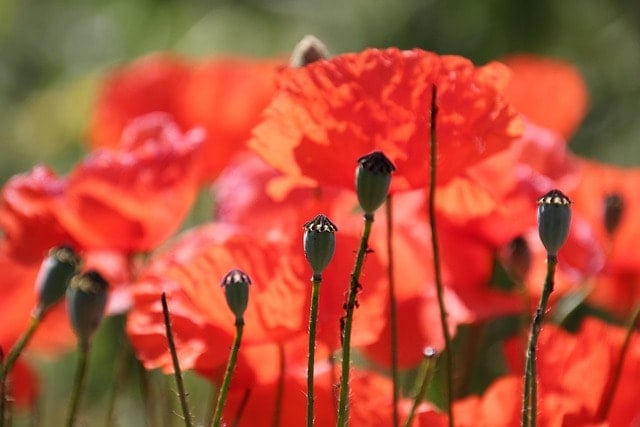
Learn practical techniques to customize flower arrangements for different events.
Discover how to use color psychology to enhance event atmosphere
Master the art of creating balanced focal points in floral designs
Tailor Designs to Client Needs
The first step in creating successful event-specific floral designs is understanding your client’s vision completely. You can start by conducting a detailed consultation where you ask targeted questions about their preferences, expectations, and the event’s purpose. It is better to prepare a questionnaire covering elements like favorite flowers, colors to avoid, and any specific themes they want to highlight. This information forms the foundation of your design process and helps prevent misunderstandings later.
Record all client preferences in a dedicated project file. Include notes about their reaction to different flower types, textures, and arrangement styles you show them during the consultation. These details might seem small, but they can make a significant difference in client satisfaction.
Creating Effective Visual Aids
Visual aids are essential tools for communicating your floral design concepts to clients. You can create a digital lookbook showing examples of your past work categorized by event type. This gives clients a clear picture of what you can offer and helps them articulate their preferences more precisely.
Develop mock-ups for each client that demonstrate how your proposed arrangements will look in their specific venue. These can be digital renderings or physical samples, depending on your resources and the client’s needs. For high-budget events, consider creating a small-scale prototype of the main arrangement to ensure perfect alignment with the client’s expectations before the event day.
Establishing Communication Systems
Set up a structured communication system that allows clients to provide feedback throughout the design process. Create a simple approval workflow with clear deadlines for design sign-offs and change requests. This prevents last-minute alterations that can strain your resources and compromise quality.
Schedule check-in points at key stages of the design process:
After initial concept development
When selecting specific flower varieties
When finalizing color schemes
One week before the event for any final adjustments
Document all communications in writing to maintain a clear record of agreements and changes. This protects both you and your clients from misunderstandings and helps track the evolution of the design.
Prioritize Color Schemes
Color selection is one of the most powerful tools in your floral design toolkit. You should begin by learning the basics of color psychology and how different hues affect mood and atmosphere. Red creates energy and passion, blue evokes calm and trust, while yellow generates feelings of happiness and optimism. It is best to match these emotional qualities to the purpose of the event—corporate events might benefit from blues and purples that suggest professionalism, while celebrations often work well with vibrant yellows and oranges.
It is best to develop a systematic approach to color selection that considers both the event type and season. You should create a color wheel reference specific to flowers available in each season, including those that bloom after April showers, to help with quick decision-making. This tool becomes particularly valuable when you need to suggest alternatives if certain flowers are unavailable.
Seasonal Color Adaptation
Each season has its distinctive color palette that feels natural and appropriate. Spring arrangements work beautifully with soft pastels and fresh greens. Summer allows for bold, saturated colors, including vivid colors that reflect the intensity of the season. That reflects the intensity of the season. Fall arrangements shine with bright orange, deep reds, golden yellows, and deep purple flowers typically seen in the fall. Winter designs often feature whites, silvers, and deep greens that echo the season’s character.
When working with clients who want colors that don’t naturally align with the season of their event, find creative ways to adapt. For example, if a client wants late summer spring colors for a winter wedding, incorporate white flowers with subtle hints of pastel and plenty of greenery to bridge the seasonal gap. This approach maintains design integrity while honoring client preferences.
Create a seasonal color guide that you can share with clients, showing:
Primary seasonal color palettes
Secondary accent colors that work well
Examples of successful arrangements in each palette
Flower varieties available in each color family by season
Incorporate Focal Points
Effective focal points are essential for creating memorable floral designs. You can start by selecting one to three statement flowers with long stems that will serve as the focal point in your arrangement. These should be larger, more distinctive blooms that naturally draw the eye. Good choices include peonies, sunflowers, proteas, or large garden roses, depending on the season and event style.
Peonies
Peonies are the top trending flower for 2025, with a 175% increase in online searches and a 75% sales increase compared to the previous year, making them highly popular for events
Position focal flowers at the center of attention in the arrangement, usually slightly off-center rather than directly in the middle for a more natural, dynamic look.
Creating Balance with Supporting Elements
Build out from your focal points with secondary flowers that complement but don’t compete with the main blooms. These supporting flowers should be slightly smaller and in harmonizing colors. Good secondary options include spray roses, lisianthus, or ranunculus that add depth without overwhelming the focal points.
Strategic Placement for Maximum Impact
Learn to identify the key visibility points for each event space and position your focal arrangements strategically. For weddings, key focal points typically include:
Ceremony altar or arch
Reception entrance
Head table or sweetheart table
Cake table
For corporate events, focus on:
Registration or welcome areas
Speaker podiums
Dining tables
Award or recognition areas
You can create a floor plan for each event, marking these high-visibility areas. Allocate more of your budget and design attention to these spots, using simpler arrangements in secondary areas. This approach maximizes visual impact while keeping costs reasonable.
When designing focal arrangements, consider the viewing angles and distances. Arrangements that will be viewed from all sides should be balanced accordingly, while those placed against walls can be designed with a “front” view in mind. For large venues, ensure focal flowers are substantial enough to make an impact from a distance.
Maximizing Floral Budget in 2025
Strategic flower sourcing can reduce costs by 30-40% compared to traditional methods.
Seasonal planning allows access to premium blooms at lower price points
Proper budget allocation between statement pieces and supporting elements maximizes visual impact
Source Cost-Effective Flowers
Finding affordable flowers, including August flowers and summer flowers, without sacrificing quality requires strategic sourcing to include summer favorites and seasonal options like pussy willow. Professional event planners who understand the flower supply chain can access premium blooms at significantly lower costs than retail prices.
Developing partnerships with local farmers represents one of the most effective cost-saving strategies in 2025. These relationships often start with simple conversations at farmers’ markets or through agricultural associations, especially for flowers with a relatively short growing season. Local growers typically offer pricing 20-30% below retail florists because they eliminate multiple middlemen in the distribution chain. Beyond cost savings, these partnerships, especially with growers in the southern hemisphere, give you first access to unique varieties that may not be available through commercial wholesalers. To maximize this approach, commit to regular purchasing schedules and consider pre-season contracts where you guarantee purchase volumes in exchange for preferred pricing.
Direct purchasing from flower auctions has become increasingly accessible to small and medium-sized event businesses. The Dutch flower auctions remain the global benchmark, but regional auction houses have emerged across North America, offering similar benefits without international shipping costs. The FloraXchange platform now connects buyers directly to auction prices without requiring physical presence.
Building Reliable Supply Networks
Creating redundancy in your flower supply chain protects against weather disruptions and market fluctuations. Professional event florists typically maintain relationships with at least three distinct supplier types: local farms, regional wholesalers, and direct importers.
Regional flower collectives have grown substantially since 2023, with over 120 now operating across North America. These cooperatives pool resources from multiple small farms, offering better selection and more consistent availability than individual growers. The Slow Flowers Society directory provides a comprehensive listing of these collectives, organized by region and specialization. When approaching these organizations, request their advance growing schedules and plan your event offerings around their peak harvest periods.
Efficient Use of Budget
Budget allocation in floral design follows a principle similar to architectural planning—investing in key visual elements while making strategic decisions about supporting components. This targeted approach yields better results than spreading resources evenly across all floral elements, including the vibrant yellow flowers that can brighten the arrangement.
The first step in efficient budget allocation is identifying the true focal points of your event. These typically include entrance displays, head table or speaker podium arrangements, and ceremony backdrops. Industry research indicates that guests form 80% of their impression of event aesthetics from these key areas. Allocate 60-70% of your vibrant colors floral budget to these impact zones, where the return on investment in pink flowers is highest in terms of visual impact and photographic opportunities is highest. For the remaining supporting elements, consider scaled-down versions of your focal arrangements or complementary designs that maintain thematic consistency without equivalent cost.
Multi-purpose flowers represent another significant budget optimization strategy that has gained traction in 2025. This approach involves designing arrangements that can be relocated during event transitions. For example, ceremony arrangements can be moved to frame the dance floor or dessert station during the reception. To execute this effectively, work with your venue to establish a floor plan that facilitates quick transitions, and design containers that can be easily transported without damaging the arrangements. This strategy typically reduces overall flower requirements by 30-40%, allowing for more investment in summer flowers or larger focal arrangements.
Smart Substitution Techniques
Understanding flower equivalencies allows budget stretching without compromising design integrity. Professional florists maintain substitution charts that match premium varieties with visually similar, lower-cost alternatives.
Garden roses offer the lush appearance of peonies at roughly half the price point. Similarly, lisianthus provides the delicate texture of ranunculus with greater durability and lower cost. These substitutions work best when incorporated strategically—using premium varieties in close-up elements like bridal bouquets while placing cost-effective alternatives in larger arrangements viewed from a distance.
Textural diversity creates perceived abundance without proportional cost increases. Research by the Flower School of New York demonstrates that arrangements incorporating varied textures appear 30% larger than mono-textural designs using the same stem count. Incorporating elements like grasses, branches, and seed pods—many of which can be foraged rather than purchased—creates dimensional complexity that enhances visual impact while few things reducing flower quantities needed.
Seasonal Purchase Strategies With The Flowers are In Season
Working with rather than against natural growing cycles represents perhaps the most significant opportunity for budget optimization in floral design, particularly in winter. Seasonal availability directly impacts both the cost and quality of blooms.
Planning purchases around seasonal peak times yields savings of 40-60% compared to off-season pricing. In North America, spring flowering branches like cherry blossoms and forsythia experience their lowest prices in March and April, while garden roses reach price minimums during June and July. Dahlias and chrysanthemums become highly cost-effective in September and October. The Wholesale Florist & Florist Supplier Association publishes quarterly price forecasts that provide valuable planning resources. By designing event aesthetics around seasonally abundant blooms, you access premium quality and fresh flowers at a fraction of off-season costs. This approach also allows for last-minute purchasing, taking advantage of market surpluses that often occur during peak harvest periods.
Early booking discounts have become standard practice among flower suppliers facing increasing market volatility. Growers seeking to secure sales volumes offer pricing incentives of 15-25% for commitments made 3-6 months in advance. To leverage these opportunities, develop standardized “design recipes” for your signature arrangements that can accommodate seasonal substitutions within a consistent aesthetic framework. This flexibility allows you to commit to purchasing volumes without specifying exact varieties, giving suppliers the ability to fulfill orders from their most abundant crops.
Seasonal Beautiful Flowers in The U.S.
Seasonal flowers aligned with local blooming calendars support event planning, with earlier-than-average spring blooms noted in many regions of the U.S. in 2025, potentially impacting flower availability and selection
Technology-Assisted Purchasing
Digital platforms have transformed floral procurement, creating opportunities for significant cost savings through improved market transparency and direct supplier connections for colorful blooms.
Wholesale marketplace apps now connect event businesses directly to growers and importers, eliminating traditional distribution markups. Platforms like BloomNation Pro and Mayesh Market provide real-time inventory visibility across multiple suppliers, allowing for price comparison and opportunity purchasing when surplus inventory becomes available. These platforms typically require business credentials for access but offer pricing 30-50% below retail channels. For maximum benefit, schedule weekly review sessions to monitor price trends and spot purchasing opportunities before they appear on competitor radar.
Inventory management software helps prevent over-ordering, a common source of budget inefficiency. Tools like Details Flowers and Curate integrate purchasing, design specifications, and profitability analysis, providing data-driven guidance on optimal stem counts and variety selection. These platforms maintain historical purchasing records that improve forecasting accuracy over time. Event businesses using these systems report average savings of 12-18% through the reduction of waste and improved purchasing precision.
Value-Based Pricing Strategies
The perception of floral value extends beyond raw material costs. Strategic design approaches can have a huge impact on maximizing perceived value without proportional budget increases.
High-impact installations focused on key photo opportunities deliver greater perceived value than evenly distributed arrangements. The rise of social media has amplified this effect—studies show that 87% of event photos shared online feature the same 3-4 locations within a venue. By concentrating resources on these high-visibility areas, you create memorable focal points that define the event experience while allowing for more modest treatments in secondary spaces.
Client education plays a crucial role in budget optimization. Most clients enter the floral planning process with limited understanding of seasonal availability, labor requirements, and material costs. Developing visual resources that illustrate the relationship between budget and fresh flowers outcomes helps set realistic expectations and directs investments toward elements with the highest impact. Creating a reference portfolio that showcases arrangements at various price points, along with explanations of the factors driving cost differences, transforms potentially difficult budget conversations into collaborative planning sessions.
Events in Season Flowers
Selecting seasonal flowers for events isn’t just about beauty—it’s about smart business. By applying the 3:5-8 rule, focusing on wedding flowers and regional availability, including popular shades like blush pink, and partnering with local farmers, you’re setting yourself up for success in 2025 and beyond by offering vibrant bloom options. Your clients will appreciate your attention to both their vision and budget concerns.
As a business owner picking seasonal flowers for events, remember that sustainability isn’t just a trend—it’s becoming essential. Clients increasingly value eco-friendly options and waste-reduction strategies. When you source locally, especially with options like pale pink flowers from both the northern and southern hemispheres, during warmer days. You’re not only reducing carbon footprints but also ensuring fresher arrangements that last longer.
The floristry landscape continues to change. From supply chain shifts to the rising popularity of dried flowers and mixed botanicals, staying informed helps you remain competitive. Social media showcases your unique designs while workshops build your expertise.
Your flower choices tell a story. They create atmospheres, evoke emotions, and transform spaces. By mastering seasonal selection, you’re not just arranging flowers—you’re crafting experiences that clients remember long after the event ends, even if you use few flowers.