


In 2025, safety and convenience drive business decisions more than ever. When a local restaurant owner in Boston switched to no-contact delivery, his sales increased by 47% in three months. His customers weren’t just buying food—they were buying peace of mind.
The success of online ordering systems, paired with customer notifications, has helped businesses streamline delivery processes and improve customer satisfaction. Whether using in-house delivery or third-party apps, the system is designed to ensure accurate deliveries directly to the customer’s address with minimal interaction.
No-contact delivery has transformed from a pandemic necessity into a preferred service standard. Customers now choose businesses that offer contactless options, even when traditional delivery is available. Many restaurants and service providers have adapted their systems to incorporate these contactless methods, recognizing that they increase customer loyalty and improve efficiency.
This shift makes sense. People value their time, health, and personal space. A mother of three can receive her groceries while attending a work call. A senior citizen can get their medications without exposure risks. A busy professional can have dinner delivered without interrupting their flow.
This guide covers everything about no-contact delivery: implementation, safety protocols, and efficiency improvements. You’ll learn how leading businesses maintain customer satisfaction while prioritizing safety and how simple technology changes can cut delivery times. Transparent communication with customers through the website, along with clear protocols for delivery personnel, ensures that customers get their orders promptly and with minimal effort.
Metrobi drivers are rated 4.97/5
Trusted by local businesses for:
- Background-checked professionals
- Specialized in business deliveries
- Same drivers for consistency
- 4.97/5 average delivery rating
What is No Contact Delivery?
No contact delivery means getting goods without needing to see the delivery person.
It became popular for safer exchanges, especially during health crises.
Common in food and retail, making buying things safer and more straightforward.
Examples of Contactless Delivery
No-contact delivery transformed how we get our food and shop. Let’s break down examples of how it works in the real world.
Food Delivery Apps: Think of your favorite food arriving on your doorstep without you meeting the rider. Apps like Uber Eats and Grubhub do this. The delivery person leaves the package at your door. Once they leave, you receive a notification, keeping everything contactless and safe.
Retail Stores and Curbside Pickup: Imagine shopping without reading a line. Several stores let you shop online and then drive by to have your purchase placed in your car’s trunk. This is curbside pickup. Physical stores blend digital ordering with in-person pickup, reducing wait times and human contact.
Types of No Contact Delivery
Now, let’s see different ways businesses offer no contact delivery, focusing on curbside pickup and doorstep delivery.
Curbside Pickup: This is when you pick up your ordered goods outside the store. After placing your order online or through an app, you drive to the store’s designated curbside pickup area. An employee places your order directly into your trunk or backseat. This approach lowers the chance of physical contact. It attracts more buyers, especially those who prefer in-store shopping.
Doorstep Delivery: This is about receiving your order directly at your doorstep without needing to meet the delivery person. It expands to various sectors, including groceries and pharmaceuticals. Delivery businesses now operate in ways ensuring minimal physical contact, relying on digital communications and GPS for seamless execution.
Understanding How Food Delivery Services Offer No Contact Options
How do companies ensure your deliveries are truly contactless? Here’s a closer look at their protocols and communication.
Protocols Businesses Implement: Businesses create simple systems to keep deliveries smooth. This includes setting drop-off points for delivery, leaving goods in secure spots, and sanitizing packaging. Regular training for staff also ensures everyone follows safety guidelines.
Communication Methods Used: Effective communication is key in no contact delivery. Many companies use apps and phone calls to let customers know about delivery timings and updates. This technology helps track deliveries and reassures customers. Modern apps provide real-time updates, ensuring transparency and timely updates on arrival times.
When a restaurant offers “no contact delivery,” it means the food will arrive without the need for face-to-face interaction. It’s typically left at a specified spot like your doorstep. Many platforms, including DoorDash, provide options to request a no contact delivery. Users can select this option directly in the app while placing their order.
These insights show that no contact delivery isn’t just about leaving packages. It’s a shift in how businesses think about safety and efficiency in deliveries. For businesses looking to further improve their delivery methods, efficient online ordering systems can play a crucial role. Adopting streamlined online ordering can significantly enhance customer experience and drive sales. To learn more about how you can boost your sales through effective online ordering systems, check out this article on how to increase sales with efficient online ordering.
Benefits of No Contact Delivery
Keeps everyone safer and healthier.
More flexible for busy people.
Quicker deliveries with fewer delays.
Safety Assurance
Reducing face-to-face interaction plays a big role in safety. No contact delivery helps lower the risk of spreading viruses. According to the Centers for Disease Control and Prevention (CDC), being close to others is how viruses often spread. By keeping a distance, delivery drivers and recipients are less likely to exchange germs. During the COVID-19 pandemic, the importance of such measures became apparent, with studies showing dramatic reductions in virus spread when contact was minimized.
Another key factor is the practice of leaving packages at the doorstep or other designated spots. This helps ensure there is no need for face-to-face interaction. Businesses often have detailed protocols to maintain this distance. Examples include scanning barcodes rather than signing physically. A number of resources, such as “The Safe Delivery” by John Smith, offer deeper insights into the development of these practices. To further maximize profits, local businesses can harness the potential of effective food delivery systems tailored to meet customers’ needs. This approach not only enhances customer satisfaction but also drives sales growth, ensuring that restaurants and cafes remain competitive in today’s delivery-driven market. For more insights on maximizing profits through food delivery, explore this article about improving your service.
Convenience for Customers
No contact delivery is not just safer but also makes life easier. In traditional delivery, waiting for the package to arrive might mean needing to stay home all day. With no contact delivery, there’s the advantage of flexible scheduling. Customers can choose windows for delivery that suit their day. This eliminates long waits and makes it affordable for those with busy routines.
Beyond mere scheduling, features like mobile alerts give customers an edge. Apps notify them when their package is nearby or once it has been dropped off. This adds convenience and ensures they are kept in the loop. For a deep dive, consider reading the book “The Effortless Experience” by Matthew Dixon, which explores this trend in detail.
Efficiency Boost
Efficiency is a core benefit of no contact delivery. By cutting down in-person interaction, deliveries can be made faster since drivers do not have to wait for someone to open the door. Packages are dropped, a picture is snapped for confirmation, and the driver moves on. This speeds up the process significantly.
From a logistics point of view, faster deliveries mean more deliveries per day. This means higher productivity without extra effort. Companies like Amazon have reported improvements in their delivery metrics since implementing these methods. An insightful read on this topic is “Supply Chain Management: Strategy, Planning, and Operation” by Sunil Chopra, which details logistics strategies that benefit from this model.
Cost-Effectiveness
There is also a financial side to consider. No contact deliveries can reduce the costs associated with traditional delivery. With fewer delays and smoother delivery operations, companies can spend less on fuel and labor. Retailers have found that this model has not only kept them competitive but also profitable during challenging times.
Moreover, the decrease in overhead cost can translate to customer savings. Discounts and loyalty programs often feature no contact as an option to attract budget-conscious buyers. For more on this, the book “Operations and Supply Management” by F. Robert Jacobs explores how lean operations have assisted scalable models like these in more detail.
Supporting Environmental Goals
No contact delivery also impacts environmental goals positively. With more deliveries completed in a shorter time, fuel consumption is reduced, lowering the carbon footprint of delivery fleets. This aligns with the increasing consumer demand for eco-friendly practices in business operations.
Companies using electric vehicles in conjunction with no contact delivery strengthen this environmental push. An illustrative example is FedEx, which has committed to making its entire fleet electric. For those interested in delving deeper into sustainable delivery systems, “Sustainable Logistics and Supply Chain Management” by David B. Grant is an invaluable resource.
All these layers create a compelling case for the widespread adoption of no contact delivery. With each benefit reinforcing another, it is evident why both businesses and customers lean heavily toward this model in today’s world.
Enhancing Efficiency for Delivery Drivers in Contactless Services
Technology aids faster processing and fewer errors.
Customer interaction improvements speed response.
Greater consistency boosts customer trust and reduces resources.
Technology Integration
The rise of contactless delivery relies heavily on technology. One essential tool is Global Positioning System (GPS) tracking. GPS ensures accurate delivery timings by optimizing routes and offering real-time data. This means delivery drivers always take the fastest, most fuel-efficient paths. As a result, companies reduce fuel consumption, cut travel time, and decrease costs. There’s a ripple effect: faster delivery times lead to increased customer satisfaction. Locate2u discusses how advanced GPS systems improve accuracy, minimizing human error. Electronic proof of delivery (PoD) is another benefit, proving items reached the right destination without touch.
The marriage of technology with delivery processes doesn’t stop at GPS. Other innovations are also being integrated. Artificial intelligence (AI) is being used for predicting delivery windows and managing unexpected changes. Some businesses even explore the use of drones and autonomous vehicles. While these technologies promise further improvements, they also bring challenges. The cost of development and cybersecurity risks are important topics to watch. Books such as “The Delivery Drones Bible” by Charles Simpson offer deeper insights into these technologies and their implications. Interested readers may explore more on AI’s role in logistics through “Artificial Intelligence in Supply Chain Management” by Yossi Sheffi.
Improved Customer Communication
Efficient customer communication plays a critical role in contactless delivery. Automated notifications keep customers in the loop at every stage, from dispatch to a safe landing at their doorstep. This constant update through text messages or app notifications ensures customers are aware of their delivery status, creating a smoother experience. Almost everyone tracks what they order, wanting real-time updates. Ensuring these updates are accurate becomes a necessity.
Incorporating feedback systems is equally vital. As consumers directly share their delivery experiences, businesses can identify service gaps and areas for improvement. These systems can be surveys sent immediately after a package is marked as delivered. Companies that actively seek and apply customer feedback can adapt faster, maintaining an edge over competitors. Research by platforms such as Trustpilot underscores the value of engaging with customer reviews to enhance service quality. The book “The Feedback Loop: How Businesses Learn from Customers” by Ethan Mitchell delves into the nuanced effects of customer feedback in an enterprise landscape.
Streamlining Operations for Faster Service
Streamlining operations goes hand in hand with technological advances. Automated systems reduce the need for manual processing. From sorting packages in warehouses to dispatching them for delivery, automation speeds up the entire cycle. This optimization fosters a faster turnover rate, increasing the number of deliveries possible within the same timeframe.
Employee training is another facet of efficient operations. Skilled workers who understand both technological tools and customer interaction improve service quality. This training aims to familiarize them not only with the use of tech tools but also with troubleshooting common issues. Literature such as “The Toyota Way” by Jeffrey Liker can provide insights into how operational efficiency and quality control can be achieved. This book outlines principles that have been successful in manufacturing and can be adapted to delivery systems.
Addressing Potential Drawbacks
With benefits come potential drawbacks. Reliability on technology might lead to issues if systems fail. GPS systems, when faulty, can misroute packages, and technology-dependent communication can falter. Over-automation might leave customers feeling excluded from the human touch they value. Balancing tech integration with personal interaction requires careful planning. Companies should have backup systems to ensure constant service, even during tech downtimes. Reading “The Myth of the Paperless Office” by Abigail Sellen warns businesses about over-reliance on digital solutions without a backup.
Additionally, the cost of implementing advanced tracking systems and automation can be high initially. Small businesses may need to weigh these costs against potential long-term gains. Investigating government subsidies or grants for technology adoption can mediate this challenge. Discussions like those in “The Digital Transformation Playbook” by David Rogers provide strategies for digital adoption in small to medium enterprises, paving a practical path forward.
Further Exploration
For professionals looking to dig deeper into enhancing delivery efficiency, “Optimizing Supply Chain Management” by John Gattorna offers an extensive look into systemic improvements. Additionally, industry workshops and online courses dealing with logistics innovations can provide hands-on learning. Engaging with industry webinars or conferences presents the opportunity to network with peers and learn about the latest advancements and solutions in the field. Academic journals like the Journal of Business Logistics publish research studies involving the integration of technology in deliveries, offering a rich source for further understanding.
Taking a broad view of the contactless delivery system is critical. As more businesses embrace this method, staying ahead with cutting-edge solutions becomes not just an option but a necessity. Understanding and applying these strategies not only enhances service efficiency but also builds a resilient customer relationship that can withstand market fluctuations.
Customer Preferences for No Contact Delivery
No-contact delivery is growing thanks to its safety and ease.
People want flexible delivery choices and safe handling.
The way we receive our goods has evolved. No contact delivery is here to stay. More than half of consumers in the U.S. prefer deliveries with no physical exchange. This ensures reduced interaction.
The attraction is clear. People want safety and convenience in one package. Plus, 60% of folks are sticking with contactless services even beyond the pandemic.
Flexible Options
Customers look for flexibility when it comes to no-contact delivery. This includes choosing times for delivery or pickup. Flexibility minimizes disruption to their routines.
Consumers value choice in how they pay. Contactless payments are ten times faster. They also cater to those who prefer not to use cash. Such ease helps businesses meet different customer needs.
Assurance of Safety
Safety in deliveries boosts customer trust. Nearly every consumer favors hygiene in handling their goods. Business practices that enhance the perception of safety can win over customers faster than promotions.
Adhering to health guidelines is vital. Contactless delivery helps lessen disease transmission. Businesses have added sanitation practices and no-contact handovers as a core part of their delivery strategies. This reassures customers and builds loyalty.
Understanding why no contact delivery matters reveals deeper insights into customer care. Deliveries don’t just drop off items; they ensure peace of mind.
Ensuring Safety in No Contact Delivery
Keep everyone safe by using proper hygiene.
Make deliveries with minimal contact between people.
Follow clear guidelines for safety.
Protocols for Deliverers
Deliverers should follow strict protocols to ensure safety. This involves frequent sanitation and the use of protective gear.
Frequent Sanitation of Vehicles and Hands
Clean Vehicles Regularly: Use approved cleaning products to wipe down high-touch surfaces in delivery vehicles daily. This includes steering wheels, door handles, and control panels.
Hand Hygiene: Deliverers must wash their hands for at least 20 seconds with soap and water. If soap isn’t available, use hand sanitizer with at least 60% alcohol. Sanitize hands before and after each delivery.
Surface Sanitization Between Deliveries: Between each delivery, use wipes or sprays with disinfectant to clean the interior of the vehicle. Ensure specific care with frequently touched surfaces again, like door handles.
Use of Personal Protective Gear
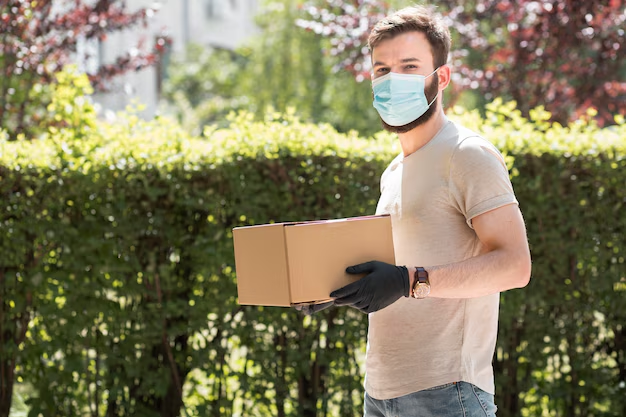
Wear Masks and Gloves: Deliverers need masks and disposable gloves. Masks should cover both nose and mouth securely. Dispose of gloves after each delivery to prevent cross-contamination.
Appropriate Wear: Use masks that fit snugly without gaps and are replaced regularly. Maintain extra masks and gloves in the vehicle as backup. This ensures there’s always protective gear on hand.
Clothing: Wear long-sleeved garments to reduce skin exposure. Change outer clothing daily or more frequently if contamination is suspected.
Customer Guidelines
Customers also play a role in ensuring safe and smooth deliveries. Follow recommended practices for minimal contact and efficiency.
Recommended Practices for Recipients
Choose a Safe Drop-off Spot: Specify a place for deliveries that’s easily accessible yet away from high-traffic areas. It might be a porch, garage, or a designated outdoor table.
Prompt Pick-Up: Collect items quickly after notification to minimize exposure to public areas. Check delivery status through apps or notifications to know expected times.
Sanitize Packages: Once collected, wipe down packages with recommended disinfectants, especially for non-porous surfaces like plastic or metal. Might be helpful.
Touch-Free Sign-offs and Payments
Digital Payments: Transition to digital payment solutions to avoid physical exchange. Use secure apps for transactions and maintain records of payments electronically.
Remote Confirmation: Use delivery apps that allow you to confirm receipt without signing physically. Most apps offer photo confirmation or notifications as proof of delivery.
Acknowledgment Without Contact: In cases where acknowledgment is required, consider messaging services or apps that can confirm receipt digitally.
This solid foundation of safety measures ensures everyone involved in no contact delivery stays healthy and operations are efficient.
How does No Contact Delivery work?
Customers place orders online or through apps.
Items are delivered without physical contact.
Great for safety and convenience.
Step #1: Order Placement
The journey of a no-contact delivery begins with placing an order. Customers use online platforms or mobile apps. These platforms are user-friendly. They guide the customer through selecting items and adding them to a virtual cart. This digital approach simplifies the process and minimizes errors. Payment is also digital, eliminating cash exchanges. This ensures the transaction is secure and hassle-free. Most platforms accept credit cards or third-party payment methods. This variety caters to different customer preferences.
Payment Collection
After the order selection, the next step is payment. Payment gateways on these platforms ensure secure transactions. Customers receive instant confirmation. This confirmation includes order details and estimated delivery times. Having a digital receipt adds another layer of trust, letting customers know their order went through successfully.
Step #2: Delivery Execution
Once the order is placed, preparation begins. This involves selecting and packaging the items. Packaging must be secure yet easy to open upon delivery. The goal is to protect items during transport. Employees handling the order should follow strict hygiene protocols to maintain safety. Hygiene practices can involve regular handwashing and using gloves during packing.
Dispatch and Delivery
Ready items are dispatched by delivery staff.
Drivers receive precise locations using GPS for accuracy.
Delivery staff leave orders at a designated spot.
Leaving Items Safely
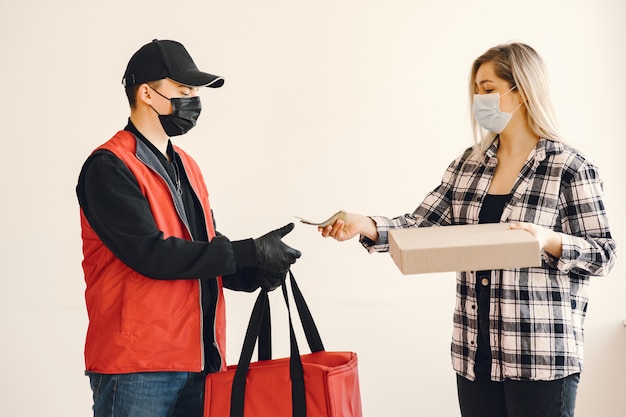
Delivery staff follow guidelines for safe drop-offs. These steps ensure minimal contact and protect both the delivery staff and the customer. Typical spots include porches, doorsteps, or a specified area in an apartment complex. Staff ring the doorbell or knock to signal the delivery’s arrival. If possible, they leave a digital note confirming the delivery location. This step enhances trust and provides proof of delivery.
Photo Confirmation
Some platforms have started using photo capture. Staff take a photo of the package at the drop-off point. This image is then sent to the customer, verifying the delivery. This step also helps resolve disputes about non-received packages.
By following these methods, no contact delivery becomes efficient and ensures safety for everyone involved. This systematic approach not only fosters customer trust but also streamlines the entire delivery process.
Conclusion
No contact delivery has changed how businesses operate in 2025. It’s not just about safety—it’s about giving customers control over their delivery experience. The combination of GPS tracking, automated notifications, and flexible scheduling has made deliveries more reliable, especially in the food delivery and takeout industries. Delivery drivers can now execute orders quickly and efficiently, ensuring customers are notified in real time. This creates a seamless experience for customers, whether it’s contact free delivery or a third-party app managing the logistics.
Business owners who implement no-contact delivery see clear benefits. Their customers feel safer and more satisfied, with less concern about human contact. Delivery personnel follow clear protocols, and when customers provide special instructions or gate codes, the delivery service ensures their packages are safely dropped off at the correct address. In-house delivery teams can communicate directly with the kitchen staff and customers, minimizing the risk of errors or delays.
Digital payment systems reduce handling cash, which not only saves time but also increases food safety and security. Delivery instructions, including contactless delivery means, allow businesses to meet the demand for social distancing, especially during times like the ongoing challenges of COVID-19.
For customers, the advantages are significant. They can receive delivery orders without scheduling conflicts, whether it’s a family member accepting the food or the person who ordered it. They know exactly when their food or package will arrive, and can pay via secure platforms, eliminating any worries about cash transactions. Most importantly, they have peace of mind about safety, knowing that their deliveries are made with minimal human contact.
The future of deliveries is contactless. Businesses that adopt these systems now position themselves ahead of customer expectations. The key is to start with basic protocols, like ensuring delivery bags are sanitized and customers are notified promptly, and gradually add technology solutions like third-party delivery apps that further enhance the user experience.
Remember: successful no-contact delivery depends on clear communication, reliable systems, and consistent safety protocols. When implemented correctly, it creates trust between businesses and customers—the foundation of any successful service relationship. By offering customers access to delivery in-house or through third-party services, businesses can ensure they are meeting customer expectations and growing their service while keeping both drivers and customers happy.