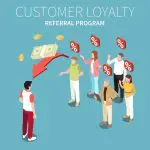
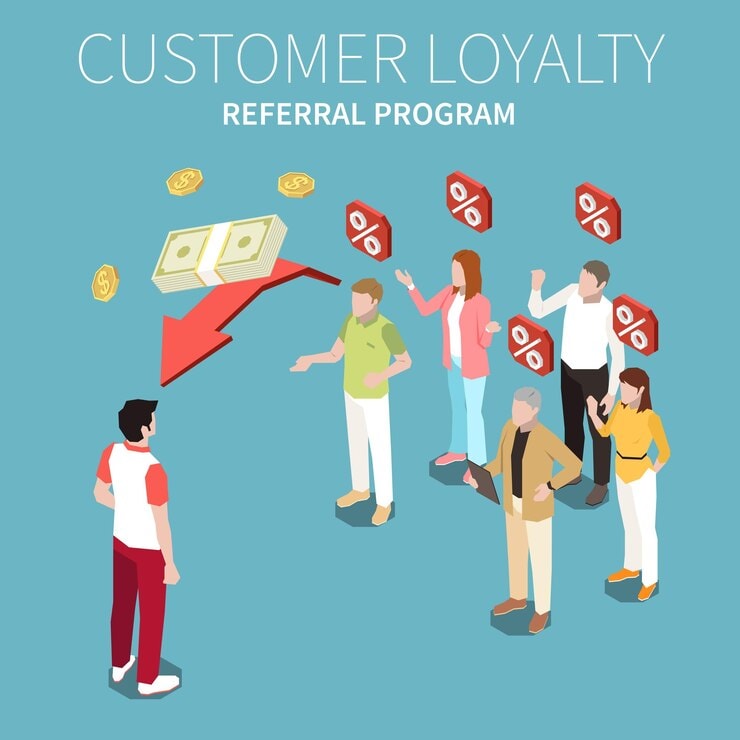

In 2025, business owners face a stark reality: acquiring a new customer costs five times more than keeping an existing one. Yet, many companies still pour resources into chasing new customers and acquired leads while neglecting their loyal base. Discover innovative customer loyalty strategies for 2025 and learn how retention marketing techniques can bolster your business by keeping your existing customers satisfied and engaged.
This approach is a ticking time bomb for your bottom line.
Picture this: You’ve built a thriving business. Sales are up, new customers are flowing in. But beneath the surface, a silent exodus is underway. Your once-loyal customers are slipping away, one by one. By the time you notice, it’s often too late.
Why does this happen? Because in the rush to retain customers and grow, we forget a fundamental truth: your existing customers are your most valuable asset.
They’re not just a source of steady revenue. They’re your brand ambassadors, brand advocates, your market researchers, and your competitive edge. When nurtured properly, they become the foundation of sustainable growth.
But here’s the problem: most customer retention strategies are outdated, ineffective, or worse – nonexistent.
That’s why we’ve compiled a list of proven customer acquisition and retention strategies that work in 2025. These aren’t just theories or best guesses. They’re battle-tested tactics used by some of the most successful companies in the world.
Whether you’re a small business owner or a corporate executive, these strategies will help you:
-
Slash your customer churn rate.
-
Boost customer lifetime value.
-
Turn satisfied customers into raving fans
Are you ready to transform your approach to customer retention? Let’s dive in and explore the customer retention strategies that will keep your customers coming back for more, year after year.
Lower your delivery costs by 23%
How we reduce costs:
- No delivery vehicle expenses
- Optimized local routes
- Pay-per-delivery model
- Average 23% delivery cost reduction
Step 1: Implement Customer Loyalty Programs 2025
-
Design loyalty programs based on customer needs.
-
Communicate clearly and adjust based on feedback.
-
Boost customer retention with strategic loyalty programs.
Assess Current and Existing Customers Needs
Understanding what your customers need is the first step. This involves identifying both their preferences and pain points. Start by gathering data through direct feedback. Surveys and feedback forms are practical tools. You want to focus specifically on customer expectations. Learn how maintaining customer loyalty can significantly enhance your business strategy by focusing on the crucial aspects of customer needs and expectations.
Identify Customer Preferences and Pain Points
Look for patterns in your customer feedback to find common themes. For example, are several customers mentioning issues with delivery times? Do they emphasize wanting more eco-friendly products? This information is essential. Make sure you categorize it in a system or database for easy access.
Gather Data Through Surveys
Using surveys, you’ve got a direct line to gather customer opinions. Design the survey to achieve specific insights. For instance, include questions about the customer experience, service satisfaction, or product quality. It is better to use tools like Google Forms or SurveyMonkey for this purpose. These tools help you compile and analyze responses easily.
Design a Tiered Loyalty Program
Once you’ve got the data, the next task is setting up a tiered loyalty program. This means offering rewards based on different levels of repeat customer spending. Short-term incentives could be small discounts. Long-term incentives might include exclusive invitations to company events.
Define Tiers and Rewards
Design tiers by categorizing your customer base. You can start with basic tiers for small spenders and move to premium ones for the more frequent customers. Assign rewards that align with each tier. A basic tier might earn points on every purchase, while a higher tier could have access to special sales.
Balance Incentives for Short and Long-Term
Short-term incentives keep customers entertained. Discounts on their next purchase or a time-limited offer are useful. Long-term incentives focus on loyalty and increase customer retention. This includes VIP experiences or early access to new products. Keep the balance to sustain customer interest and reward commitment.
Communicate the Program Effectively
Getting the word out about your new loyalty program is crucial. Customers need to know the benefits. Clear communication helps them understand what they can gain. Think about using simple and direct language.
Explain Benefits and Terms
You can create informational content that highlights how the program works. It is better to use FAQ sections or how-to guides on your website. You can cover common questions like “How do I earn points?” or “What rewards can I get?” You should aim for clarity so there’s no confusion and make this content accessible to everyone.
Use Multiple Communication Channels
Communicating through different channels increases reach. Send out emails with updates about the program. You should use social media platforms like Twitter or LinkedIn for announcements. You can even consider a short video explainer. Make sure messages are consistent across all platforms.
Monitor Engagement and Make Adjustments
Set up systems to track how customers interact with the program. You can use metrics like participation and customer retention rates. Feedback will also play a role here, so keep channels open for that. Adjust the program elements based on the insights you get.
Track Participation and Feedback
You can use analytics tools to monitor how many customers are using the program. It is better to look for spikes in participation when new features are added. This data helps assess what’s working. Be open to addressing any negative feedback.
Refine Incentives and Tiers
Use the data to make informed changes. If a tier is underperforming, adjust the rewards. Similarly, if a particular incentive is not popular, replace it. The goal is to keep the program dynamic and rewarding. This adaptability is key to long-term success.
Step 2: Use Effective Retention Techniques
-
Personalize your approach for stronger connections.
-
Quick and empathetic responses win loyalty.
-
Feedback loops turn criticism into improvements.
Personalize Customer Interactions
Tailor Communications and Recommendations
Personalization makes customers feel valued. You can dynamically use real-time data to adjust content, offers, and communications. This can be as simple as addressing your customers by their first names in emails but go further by analyzing their past purchase history and browsing patterns to suggest products and services they may like next. This approach leads to increased sales and builds stronger customer loyalty.
Leverage CRM Tools for Personalized Engagement
Customer Relationship Management (CRM) tools are crucial. They store and analyze customer information, helping businesses create highly tailored communications. It is better to use CRM software to segment customers by purchasing habits or interaction history, and tailor emails or app notifications accordingly. You should regularly update your CRM with new data to refine your segmentation strategies. Unlock the secrets to keeping your customers coming back by exploring the significance of maintaining customer relationships, alongside effective techniques and their contribution to organizational growth.
Offer Exceptional Customer Support
Ensure Quick Response Times and Resolutions
Fast response times show customers you care. A study found that many people expect a response within one hour, especially for complaints on social media. Prioritize customer inquiries and implement a ticketing system to track issues from start to finish. Consider employing chatbots for initial queries to ensure no request goes unanswered during peak times while enabling human representatives to handle complex questions with better-informed backgrounds.
Train Customer Service Staff on Empathy and Active Listening
Empathy and active listening are crucial. You should train your staff to listen to what customers say, acknowledge their concerns, and respond thoughtfully. This creates trust and satisfaction. Develop role-playing scenarios for your customer service training sessions to simulate challenging situations. Provide courses or resources on emotional intelligence, which can help staff manage their own emotions and understand customers’ feelings better.
Implement a Customer Feedback Loop
Regularly Solicit Feedback Through Surveys and NPS
Feedback helps you learn what’s working and what’s not. Net Promoter Score (NPS) surveys are a great way to gauge and improve customer satisfaction. Send out surveys regularly and keep them short to increase the response rate. Automated surveys can be triggered after a purchase or customer service interaction. Also, you can consider including open-ended questions to gain deeper insights into specific areas of improvement.
Act on Feedback to Improve Services and Address Issues
Gathering feedback is pointless if you don’t act on it. Once feedback is collected, organize it by trends and find common issues. You can create a plan to address these problems and communicate changes to your customers, showing them their opinions matter. If you fix a repeated issue, acknowledge it openly in your communications.
These strategies won’t just keep existing customers happy; they’ll help you understand and address their needs proactively. Now that you’ve honed specific customer retention programs and techniques, shifting focus to engagement will deepen those relationships even further.
Step 3: Enhance Customer Engagement
-
Customer engagement drives loyalty and retention.
-
Content and community build deeper connections.
-
User involvement boosts trust and advocacy.
Use Engaging Content and Interactions
High-quality content speaks to your audience. It needs to align with their interests and concerns. Content should be varied. Mix it up with blogs, videos, and podcasts. They catch attention differently. Think about what your audience wants to know.
Create Valuable Content
You should start with research, look at trends, and go to forums. What are your customers asking? Post content that answers these questions. You should keep it simple. You can use visuals like charts or images where necessary. It helps break down complex ideas.
Engage on Social Media
Social media is essential. Post interactive content. Polls and quizzes work well. They generate discussion. Respond to comments promptly. Quick replies show you’re listening. Real-time engagement can increase customer loyalty.
Foster a Community Around Your Brand
Building a community strengthens brand loyalty. Creating online spaces where customers can connect is key. You can use existing platforms like Facebook groups or create a forum on your website. This gives customers a place to share experiences and solutions.
Encourage Customer Interaction
Encourage conversations. Ask open-ended questions. Promote the sharing of tips and experiences. Highlight insightful or helpful comments. Celebrate these contributions publicly. Community members feel valued when they’re recognized.
Host Events and Webinars
Events and webinars offer more direct engagement. They can be educational or simply for networking. Choose topics that resonate with your audience. Invite industry experts. Offer sessions for Q&A. Real-time answers instill trust and authority.
Leverage User-Generated Content
User-generated content (UGC) builds authenticity. It’s when customers create content about your brand. Think reviews, photos, or testimonials. This content is powerful. Customers trust other customers more than ads.
Encourage Sharing
Ask customers to share their stories. Run contests for the best photos or reviews. Provide incentives like discounts or features on your site. This encourages more users to contribute.
Feature UGC on Your Platforms
Showcase user-generated content. Highlight it on your website or social media. This validates your customers. Make them part of your brand story.
Advanced Tips for Reducing Churn Rates
-
Identify why customers leave with regular analysis.
-
Tailor offers to keep at-risk customers.
-
Use proactive strategies to boost retention.
Analyze Churn Reasons Regularly
Understanding why customers leave is the cornerstone of reducing churn. Businesses must systematically analyze their churn data. This helps unearth patterns that could be linked to customer loss. It’s vital to segment churn reasons into categories like pricing issues, customer service dissatisfaction, or unmet product expectations. Doing so enables targeted interventions. Techniques such as using machine learning algorithms can highlight trends that might otherwise go unnoticed.
Utilize Data Analytics
Data analytics tools serve as the backbone for churn analysis. Without the right tools, insights remain obscured. Tools like Tableau or Power BI are invaluable for their visualization capabilities. They help transform large datasets into comprehensible insights. Companies adept at leveraging analytics gain a distinct competitive edge, as seen in many tech giants. While metrics like customer retention rate, lifetime value (CLV), and net promoter score (NPS) are common, churn-specific indicators offer deeper insights. It’s also beneficial to align these findings with customer feedback, thus enhancing the accuracy of the analysis.
Develop Retention Offers
Once churn reasons are understood, developing retention offers becomes viable. Offers should be customized to address customer pain points. This means creating personalized discounts or access to exclusive features.
Personalize Customer Retention Strategies
Instead of using a one-size-fits-all approach, focus on customer personalization. Companies like Netflix excel here by using viewer data to suggest new content, which keeps subscriptions active. For B2B companies, similar personalization can involve offering premium support or consulting services tailored to the client’s industry. Tailored solutions can significantly influence a customer’s decision to stay.
Analyze and Iterate
Creation is just the start; iteration is crucial. Every offer should be closely monitored to assess its effectiveness. Conduction of A/B testing for different offers can yield useful insights. This ongoing process ensures that retention strategies remain relevant and cost-effective, adapting as customer preferences evolve.
Leverage Customer Success Teams
A proactive customer success team is vital to maintaining customer relationships and retaining customers. Their role should not be merely reactive but focused on ensuring ongoing customer satisfaction. By monitoring customer health scores and identifying potential churn risks, customer success teams can take preemptive measures. This proactive approach can drastically reduce churn rates.
Implement Health Score Metrics
A customer health score assesses customer satisfaction and engagement. It pulls from various data points including product usage, support interactions, and renewal likelihood. Precise health scoring involves advanced data aggregation and analysis techniques. By leveraging these scores, teams can prioritize interventions with at-risk accounts, nurturing relationships before issues escalate to improve customer retention.
Your Blueprint for Customer Loyalty
As we wrap up our journey through customer retention strategies for 2025, remember that keeping customers isn’t just about tactics—it’s about creating experiences that resonate. From loyalty programs that reward dedication to personalized interactions that show you care, each retention strategy also builds a stronger bond between your business and those you serve. The key? Consistency and genuine care.
Think of these strategies as seeds. Plant them carefully, nurture them daily, and watch as they grow into a forest of loyal customers who not only stay but bring others along. Your next steps are clear: choose one strategy that speaks to your business needs, implement it this week, and track its impact. Then, gradually add more.
Remember, in the world of business, it’s not just about making sales—it’s about making connections. As you move forward, let this be your guiding light: every interaction is a chance to show your customers why they made the right choice in choosing you. Now, go forth and build those unbreakable bonds.