
Restaurant Apps have become an essential part of running a modern restaurant in 2025. According to a recent study by Restaurant Industry Analytics, 78% of profitable establishments now use at least five specialized apps daily. Yet, most restaurant owners feel lost in the sea of restaurant apps and software options.
The right restaurant apps can cut operational costs by 23% and boost customer satisfaction scores by 31%. But the wrong choices can create chaos. Success in today’s restaurant business isn’t just about great food and service—it’s about choosing the restaurant apps that optimize operations. From reservation systems that reduce no-shows to inventory tools that prevent waste, software makes the difference between busy restaurant owners struggling and thriving.
A recent National Restaurant Association report shows how technology shapes the customer experience. In line with these insights, this guide covers the essential restaurant apps every owner needs in 2025:
- Point-of-sale apps that integrate seamlessly with other tools
- Staff scheduling apps for restaurants to reduce labor costs
- Inventory management apps to prevent stockouts and waste
- Delivery platforms that increase revenue
- Reservation systems that maximize table turnover
With the right restaurant apps, you’ll keep pace with changing customer expectations, streamline day-to-day tasks, and position your business for long-term success. When considering how to optimize your reservations, you’ll want to delve deeper into the specifics of what makes a great reservation system. For instance, understanding customer trends and mobility features can dramatically improve the dining experience. If you’re curious about this topic, check out more on how to select the best reservation solutions with our guide on the ideal restaurant reservation systems for success.
Additionally, integrating a cloud POS system can play a crucial role in enhancing your restaurant’s operational efficiency and revenue potential. By utilizing the capabilities of cloud technology, restaurants can access real-time data and streamline various processes, enabling more informed decision-making and improved customer service.
In addition to cloud solutions, selecting the right restaurant POS system is fundamental for streamlining transactions and managing daily operations effectively. A well-chosen POS system not only processes sales securely but also integrates seamlessly with inventory, customer management, and reporting tools. For a comprehensive overview of POS capabilities and guidance on choosing the best option tailored to your business, explore our detailed post on essential features of restaurant POS systems.
Expanding on the importance of a robust POS system, it’s crucial to understand how advanced point-of-sale solutions can transform your restaurant’s operations. Modern POS platforms offer features beyond basic transaction processing, including detailed sales analytics, customer loyalty management, and multi-location integration. For an in-depth exploration of how these capabilities can enhance efficiency and profitability, consider reading our in-depth post on the comprehensive advantages of restaurant POS systems.
Save 80% of delivery management time
We handle everything:
- Dedicated operations manager
- Real-time tracking dashboard
- Automated customer notifications
- Urgent issue resolution
Step 1: Identify Your Needs with Top Restaurant Management Software 2025
Evaluate software that fits unique business requirements.
Research and compare features, prices, and reviews.
Implement and monitor success through key metrics.
Evaluate Operational Needs
Identifying what your restaurant truly needs is the first step in choosing the right management software. Each restaurant might require different features depending on its size, type, and target audience. For instance, inventory management is critical for a restaurant focusing on reducing waste and managing costs. Smaller establishments might prioritize simple POS integration, while larger ones may require robust logistics and staffing solutions.
Key aspects to consider:
Inventory Management: Does your restaurant need a system that tracks stock levels precisely? This can reduce waste and cut costs effectively.
POS Integration: Is seamless transaction handling a priority? Look for software that integrates POS systems effortlessly across various locations.
Staff and Logistics: Consider systems that provide scheduling and workflow optimization for busy kitchens.
Research Available Software
Once you know your needs, you can start checking out the software market. The global restaurant management software market is huge. It’ll grow to about $19.41 billion by 2034. This means tech is becoming a key driver in the restaurant world.
Some top options for 2025 include:
HostBooks – FnB360: Best for both full-service and quick-service. Offers cloud-based POS and real-time analytics.
Lightspeed Restaurant: Perfect for cafes and medium-sized establishments, with management across locations.
Square for Restaurants: Great for small businesses, offering a free-to-use system and mobile payment options.
Implement and Track Success
After selecting the software, the next step is implementation. Installing it is just the beginning. For the software to work effectively, a concerted training effort for the staff is essential. They should feel comfortable with the new system to leverage its full potential. Common metrics like food cost percentage, labor cost percentage, and table turnover rate help measure success. Advanced KPIs could include customer satisfaction scores and average check sizes.
Consider examples like Square for Restaurants, where businesses saw streamlined operations and improved customer service by having features like mobile payments and intuitive dashboards. Success in the implementation of loyalty programs often hinges on regular troubleshooting and updates.
Misconceptions around restaurant management software include the belief that it’s complicated to integrate or not affordable for smaller businesses. However, many platforms now cater specifically to smaller operations with easy interfaces and competitive prices. Future trends in branded restaurant apps are leaning towards more integration, and soon, there will be even more sales and fewer barriers to entry into effective software-led management. Understanding food inventory management is vital for enhancing profitability. Improved methods not only reduce waste but also help in maintaining consistent supply levels, which can lead to better margins. For insights on optimizing your inventory practices, check out this excellent resource on effective food inventory strategies.
Step 2: Streamline Operations with Must-Have Mobile Apps for Restaurants
Cut down time wasted on schedules, stock, and tasks.
Improve efficiency with real-time tech tools.
Streamline daily operations with ease.
Scheduling Mobile Apps For Restaurants
Scheduling mobile apps is key for managing restaurant staff. They simplify tasks like shift assignments, employee scheduling, and time-off requests. Restaurants save time and reduce conflicts with automated schedule creation. These mobile apps let you create shifts and manage last-minute changes fast. Real-time push notifications keep staff updated on any schedule changes, minimizing confusion and missed shifts.
Inventory Management Mobile Apps
Managing inventory well boosts profits, and the order directly limits waste. Inventory management apps allow users to track stock levels in real-time, a feature praised by experts like Ryan Gromfin, “Mobile apps are revolutionizing how restaurants manage inventory. Real-time tracking allows owners to reduce waste, optimize ordering, and ultimately increase profits.”
Low stock alerts streamline reordering, avoiding supply shortfalls. These mobile apps for restaurants integrate with POS systems, providing seamless real-time inventory updates to more customers. They allow staff to update stock from anywhere, even in walk-in freezers or bars. Having a birds-eye view of your inventory helps avoid over-ordering and saves money.
Task Management Apps For Restaurant Owners
Task management mobile apps convert cumbersome paper checklists to easy digital formats. Features like real-time tracking and automated alerts ensure that daily procedures are followed, as Ken Burgin states, these mobile apps “ensure critical daily procedures are followed consistently.” This technology limits missed tasks and boosts accountability. These mobile apps for restaurants also generate useful reports, helping managers identify operational bottlenecks. For example, Jolt offers photo-proof and time-stamped features, ensuring complete accountability among staff.
Integrating task management apps with other systems enables a seamless workflow. It keeps all staff on the same page and ensures that no essential task goes unnoticed.
Step 3: Boost Customer Service with Innovative Food Delivery Solutions
Better delivery options mean happier customers.
Optimize delivery for faster, real-time service.
Smooth payment systems make ordering easy.
Choose Effective Delivery Platforms or an Online Ordering System
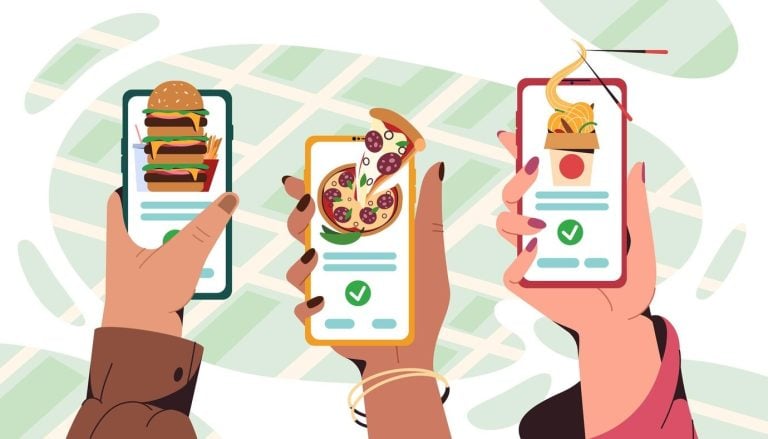
With the rise of delivery services, selecting the right platform is crucial. Weighing factors like customer reach and service fees can significantly impact your restaurant or website’s bottom line. Begin by comparing top platforms such as Uber Eats, DoorDash, and Grubhub. Assess their user base and how they align with your target audience. Knowing their customer reach helps you choose a platform that broadens your brand’s visibility.
Service fees can eat into profits. Study the fee structures of each platform. Consider if they charge flat rates or percentages per transaction. Understanding your costs upfront will help you avoid surprises. Engaging directly with platforms will also allow you to discuss potential discounts or partnerships.
When you’re clear on these aspects of the branded app, make a decision that balances cost with reach. Placing the menu items from your restaurant on the right platform expands your customer base and enhances your delivery capabilities.
Manage Orders Efficiently
Efficiency is the backbone of any delivery system. An integrated delivery management system is key to handling orders without hitches. These systems offer features like:
Real-time tracking
Automatic order updates
Real-time tracking allows both you and the customer to monitor the delivery status. Access to live updates reduces anxiety for customers, enhancing their experience. According to a quote from the Deliverect blog, on-time deliveries are crucial to customer satisfaction: “To achieve full customer engagement and satisfaction, companies should implement on-time delivery services across multiple platforms.”
Prioritize systems that sync with your restaurant’s Point of Sale (POS) system. This integration enables you to keep all orders, both in-house and delivery, in one place. Streamlining orders not only saves time but also reduces the chances of errors.
An efficient delivery management system equips you to enable customers to handle peak times and unexpected surges in orders gracefully. It’s a key investment that pays off through improved service and higher customer retention.
Enhance Customer Experience
A great experience keeps customers coming back. You can start by ensuring customers love there are diverse payment options. People feel secure when they have choices like credit cards, digital wallets, and cash on delivery. Including a menu of various payment methods caters to customer preferences and fosters a sense of security.
The user interface (UI) of your mobile ordering or platform should be seamless. If your platform interface is clunky or confusing, customers might abandon their orders. Look for platforms with an intuitive design. The order placement process should be three steps or fewer. Visual aids help here. A well-structured UI shortens the learning curve and makes the ordering process more simple and satisfying.
Customer service shines when you offer options and ease for everyone. Inclusive practices like diverse payments and seamless interfaces enhance the overall ordering journey. Embrace empathy and functionality in your service approach to build strong customer relationships.
With one dashboard of these systems in place, your restaurant’s delivery service can improve significantly. Balancing cost efficiency with technological integration while keeping customer needs at the forefront propels your delivery and food online service forward. Make your food delivery a memorable experience for all the right reasons. To further enhance your restaurant’s efficiency and growth, consider the value of analyzing your POS reports. These reports uncover vital insights about sales trends, customer preferences, and operational bottlenecks, which can guide your strategic decisions going forward. For a deeper dive into this topic, check out the article on 5 Steps to Uncover Insights & Drive Growth with POS Reports.
As you dive into enhancing your POS systems, you might also want to explore when it’s the right time to transition to more advanced solutions, like switching to an iPad POS. Understanding the clear signs that indicate such a transition can dramatically streamline operations, improve user experience, and lead to better overall efficiency. For valuable insights on identifying these indicators, you can read more on the specifics of making this shift with our guide on the importance of switching to an iPad POS.
Step 4: Enhance Reservation Systems for Seamless Bookings
Streamline bookings with easy-to-use reservation systems.
Manage customer data to improve relationships.
Optimize processes for better customer and staff experiences.
Selecting the Best Reservation Systems for Restaurants
Choosing the right reservation system is crucial. Usability and features are key to making bookings easy and error-free. For instance, systems should be intuitive enough for both staff and guests. This reduces mistakes and improves efficiency. Check for systems that offer real-time table availability and allow updates on the go.
Consider mobile compatibility. In 2025, mobile access is non-negotiable. A responsive design ensures seamless access across devices. This is crucial as a growing number of customers prefer mobile booking.
Managing Customer Data
Reservations aren’t just about getting a table; it’s about understanding guests. The right systems collect data that reveals patterns and preferences. With this, restaurants can customize experiences. For example, regular customers with repeat orders might receive special offers or rewards, while newcomers feel welcomed with personalized greetings.
Optimize Booking Processes
Waitlist management tools can reduce customer frustration. For instance, using features like SMS notifications keeps guests updated without manual entry and effort. Sonora Braun notes the efficacy of automation in streamlining operations, stating that “Simple SMS text automation can streamline your operations.”
Simplifying the booking interface benefits both staff and customers. A clean interface minimizes errors and training time. Assigning table reservations to a dedicated reservation manager during shifts or peak hours can prevent hiccups like double bookings or missed slots.
Advanced Tips for Effective Restaurant App Integration
Train staff often.
Streamline app features.
Avoid app overload.
Additional Advice for Successful Integration
Regular training is crucial. Staff need to adapt quickly to new apps. Restaurants can create monthly workshops for skill enhancement. This keeps staff updated with changes and best practices. When employees understand tech, they use it effectively, increasing productivity. It’s like maintaining a well-trained team that’s ready for any changes in tech, leading to smoother operations.
Optimizing the restaurant app builder features is equally important. Restaurants should evaluate what features are most important. This requires examining the app functionalities and identifying which ones align best with business goals. A customizable restaurant app should allow tweaks to suit specific needs. Focus on features that streamline service, like seamless payments and efficient table management. This minimizes complications and enables faster customer service.
Common Pitfalls and How to Avoid Them
Avoid installing too many apps at once. Multiplicity can create confusion and overlap. It over-complicates systems, often leading to inefficiencies. This is echoed by the fact that companies now manage an average of 976 applications, far too many for seamless integration. Each app should have a clear role within the operational framework. Select and consolidate apps that fulfill multiple purposes without complicating workflows.
Data security remains a critical concern. As integration grows, so does the risk to information security. Ensuring secure data handling across all systems is non-negotiable. This often involves working closely with IT professionals to set up strong security protocols. This is especially crucial as 85% of restaurateurs look for integration in their POS systems, pointing to a growing trend towards interconnected systems.
Leverage Metrics for Continuous Improvement
Restaurants should use app-based analytics to assess performance. Collect extensive data from integrated apps. This helps in making informed decisions. Track customer preferences, sales trends, and app usage statistics. These insights offer valuable feedback on the effectiveness of apps. Constant review can highlight areas that require modification or enhancement.
Examples like Domino’s Pizza show the power of data. With 70% of sales from digital platforms, they leverage metrics effectively. Restaurants aspiring to this level of success should emulate their data utilization strategies. Regular data analysis leads to targeted improvements and a more responsive business model.
Collaborate with Experts to Maximize Potential
Engaging with tech professionals is crucial in maximizing app potential. Collaboration with developers allows customization that meets specific needs. These experts provide insights into the evolving tech landscape. This partnership can align your restaurant’s vision with the technical capabilities of the best mobile apps around.
Consider industry conferences and workshops where experts discuss future trends. These events are fertile ground for networking. They provide platforms for knowledge exchange.
Participating in these expert-led forums can propel marketing your restaurant forward. It enhances your understanding and supports the seamless integration of apps and social media presence into daily operations. Adopting a proactive stance in tech adoption sets your business apart.
Maintain Consistent Evaluation for Long-Term Success
Constant evaluation of integrated apps is necessary for sustained success. Regularly review app performance against objectives. This ensures app relevancy and effectiveness. Your team should meet periodically to assess and refine integration strategies. Continuous update cycles keep systems responsive to evolving market demands.
Engage with staff for feedback on app usability and efficiency. Their firsthand experience offers insights that metrics alone cannot capture. Combining qualitative feedback with quantitative data provides a holistic understanding. This informs balanced decision-making.
Useful Apps For Restaurant Owners
Running a restaurant in 2025 demands smart technology choices. The right mix of apps transforms daily operations from scheduling to delivery. These tools are not just helpful – they’re essential for staying competitive in today’s market.
We’ve covered key areas where apps make a real difference: staff scheduling, inventory tracking online sales, delivery management, and reservation systems. Each solution serves a specific purpose, working together to create a smooth operation. The goal of the handy app is to reduce manual work and increase efficiency.
Remember to start small. Pick up one or two areas where you need the most help. Test the apps thoroughly before adding more. You should train your staff well and collect their feedback. This approach prevents system overload and ensures successful integration.
The restaurant industry keeps changing. New apps appear often. Stay informed about updates and new features. Join restaurant technology forums and groups. Connect with other owners who use these tools.
Your next step is simple: review your current operations. Identity is one process that needs improvement. Then, select and implement an app from our guide to address that need. You can start your digital transformation today – your customers and staff will thank you.