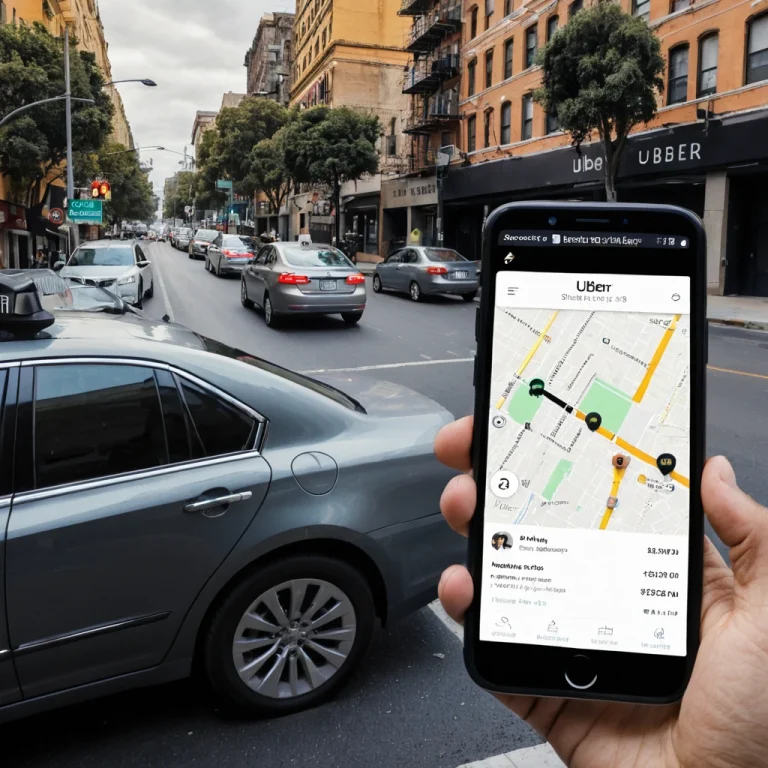

You’re running late for a crucial meeting. Traffic’s a nightmare. You open the Uber app, and there it is – surge pricing. Your stomach drops. As a business owner, you’ve seen this before, but today it feels personal.
What if I told you that surge pricing isn’t just a random inconvenience? It’s a carefully orchestrated dance of supply and demand that can make or break your bottom line.
Do you know the real cost of surge pricing to your business? Can you predict when it will hit the hardest? Are you unwittingly throwing money away every time you book a ride?
These aren’t just rhetorical questions. They’re the difference between profit and loss in a world where every penny counts.
This isn’t just another article about ride-sharing. It’s a roadmap to outsmarting a system designed to maximize profits – often at your expense.
In 2024, Uber completed over 7 billion trips worldwide. That’s roughly 900 rides every second. Each one is influenced by an algorithm that can turn a $10 ride into a $50 gamble.
Are you ready to turn the tables? To use Uber’s strategy against them? To save your business thousands while your competitors remain in the dark?
Buckle up. We’re about to take a ride through the six research-backed facts about Uber surge pricing that every savvy business owner needs to know.
Save 80% of delivery management time
We handle everything:
- Dedicated operations manager
- Real-time tracking dashboard
- Automated customer notifications
- Urgent issue resolution
Understanding How Uber Surge Pricing Really Works
Surge pricing adjusts in response to demand and supply shifts.
It can significantly hike costs for businesses relying on Uber.
Business owners offer mixed views on its fairness.
Basics of Uber Surge Pricing
Uber surge pricing works by increasing fares when there’s a spike in demand that outpaces the number of available drivers. This method, known as dynamic pricing, helps balance the scales by adjusting prices, attracting more drivers to the area, and decreasing demand among riders reluctant to pay the higher fare. Discover how price flexibility strategies like dynamic pricing can optimize earnings by adapting to supply and demand shifts in real-time.
Surge pricing is simple. It means when lots of people need rides but not enough drivers are available, prices go up. This way, more drivers get on the road, and fewer people want to pay the higher price. It’s a tool to balance the market quickly.
The system relies on real-time data. If there’s a concert or sports event, demand surges. Fewer drivers than needed lead to higher prices. Conversely, more drivers than riders bring prices down. As businesses adapt to these challenges, many are turning to reliable alternatives for their logistics needs. For instance, utilizing services like couriers in Miami can provide efficient solutions without the unpredictability of surge pricing.
Business Implications of Surge Pricing
Surge pricing can majorly affect businesses, especially those that rely on frequent travel or deliveries. Companies may face higher transportation costs during peak times, which can catch them off guard. For businesses looking to streamline their logistics, understanding options like a reliable courier service can significantly reduce costs and enhance efficiency. Metrobi offers a comprehensive San Antonio courier service tailored to meet the needs of businesses, ensuring timely deliveries even during unpredictable surge pricing periods.
During peak demands, business owners often experience sticker shock from surging prices. For instance, during last month’s unexpected snowstorm, Aaron Gross found himself paying $42 for a ride usually costing $15. Examples like these highlight the unpredictability of surge pricing, which requires businesses to build flexible budgets to absorb sudden costs.
Some business owners have criticized surge pricing, labeling it exploitative. Greg Cope White’s case, which involved being charged $196 for a ride that initially cost $86, led him to believe surge pricing feels too much like price gouging. This perspective is echoed by Colin Shaw, who notes that while surge pricing might make economic sense, it often feels unfair to consumers.
Uber Surge Pricing Strategy Explained
Surge pricing boosts driver supply during high demand.
Businesses can plan for and manage unexpected high fares.
Explore strategic insights for successful cost management.
Strategy Behind Surge Pricing
Uber’s surge pricing is a planned approach to manage demand and supply efficiently. When customer demand for rides goes up, prices increase to encourage more drivers to hit the road. This is based on the “equilibrium theory”, where price adjustments balance demand and supply. This dynamic pricing ensures customers can find rides even when it’s busy. Uber has stated, “Dynamic pricing helps us to make sure there are always enough drivers to handle all our ride requests, so you can get a ride quickly and easily – whether you and friends take the trip or sit out the surge is up to you.”
Surge periods occur during peak traffic hours, weekends, and holidays. Big events and bad weather can cause these surge periods. The ultimate goal for Uber? Maximize ride availability by signaling to drivers that now is a good time to work. Uber also supports drivers by offering a minimum guaranteed surge amount, securing a better income even if the rider’s price goes down. This way, drivers are attracted to high-demand zones, balancing the demand-supply equation. The strategy helps Uber maintain market power and efficiency despite criticism of its effectiveness.
Surge pricing increases drivers’ earnings, incentivizing them to work during peak times when they might prefer not to. For instance, New Year’s Eve is a time when many prefer partying over driving. However, surge pricing changes the cost-benefit calculation in a way that many drivers find compelling. While surge pricing’s main benefit seems to be financial for Uber by using more revenue and increasing its profits, it effectively engages drivers willing to pay to offer services when needed. Discover the advantages of implementing variable pricing strategies to ensure a balance between supply and demand, enhancing both profitability and service availability during critical times. For businesses seeking alternatives to reliance on Uber, exploring local delivery services can be advantageous. Companies like MetroBi’s Los Angeles couriers offer reliable logistics solutions that help manage transportation costs more effectively, especially during peak surge pricing periods.
In 2024, Uber completed over 7 billion trips worldwide. That’s roughly 900 rides every second. Each one is influenced by an algorithm that can turn a $10 ride into a $50 gamble. For companies in the transportation sector, such as any reputable taxi booking app development company, understanding this pricing model can be critical in creating competitive.
Uber benefits too—more driver availability at higher fares means fewer canceled trips and customer dissatisfaction. The method also supports Uber’s upfront pricing, which some riders find more straightforward despite the lack of visible multipliers. By adopting this business model, Uber can capture more rider demand by offering predictable pricing.
Managing Surge Pricing for Business
Businesses relying on Uber must strategize to handle unexpected fare hikes. First, monitor key times and events that cause these price increases. Rush hours, large local events, and severe weather are usual suspects. Set up alerts or use apps designed for surge detection. Planning staff transport around these insights can substantially cut costs. A proactive approach here pays off.
Another strategy is negotiating flat rates with Uber for frequent circuits. Many businesses have successfully established fixed-rate contracts, mitigating spike-induced budget upswings. It requires an open dialogue with Uber reps, though. High-volume users often qualify for these deals—consider the work commute, frequent client travel, or regular large-scale movement of people.
Real business examples testify to this adaptability. Some firms have managed to redirect staff during lesser-demand periods. Others have incorporated the cost into contracts with their clients, ensuring no sudden surcharge dents their bottom line.
Experts have noted, “These companies not only use real-time supply and demand data to raise and lower ticket prices in response to customer and driver volume — they also use machine learning and forward-looking data to raise fares and lower prices in response to things like inclement weather and popular scheduled events like sports and concerts.” This implies tech advances can predict surges, helping businesses prepare ahead.
Some firms have collaborated with neighboring businesses to compare notes on Uber use and surging patterns. Creating a local network can reveal hidden patterns helping cost management. Regular training sessions for office managers on these dynamics also help. They can adapt business travel plans swiftly, often opting for traditional cabs or rental services as backups.
Analyzing Uber Surge Pricing Trends
Patterns show surge peak times and locations.
Tools help track and manage surge data.
Businesses can better plan for surge pricing impacts.
Patterns in Surge Pricing
Surge pricing often kicks in at specific times. Late nights and early mornings show a rise in demand. This trend aligns with nightlife activity and early airport rushes. Events can also spike demand. Festivals, concerts, and sports games make rides pricier. During these events, ride requests outnumber available drivers. Rush hour hours compound the issue. Weekday mornings and evenings consistently push prices up. Urban centers see this the most.
City centers and major transport spots face constant surge pricing. Rider demand overshadows driver availability in these regions. Airports, train stations, and downtown regions are common hotspots. Places with scarce drivers experience surges as well. Supply falls short when rides cluster in these areas. Businesses situated here should monitor surge indicators closely. This will help them anticipate the potential cost implications of ride-hailing services.
Tools for Tracking Surge Trends
Tracking surge trends starts with the right tools. Apps like Gridwise provide real-time updates. These apps show drivers busy spots, helping them decide where to go. The Ride Share Guy details strategies to profit during surges. Overall, these tools help drivers maximize earnings by choosing peak times and locations. Uber’s driver app also highlights busy zones. For businesses, predicting when and where surges happen can cut costs.
Businesses use these tools to plan transport better. They can set travel times when prices are lower. This reduces unexpected expenses during peak rides. Collaboration offers insights too. Companies often share experiences to pinpoint cost-effective strategies. More informed decisions lead to better budget allocation. With the right data, businesses adapt their operations to avoid peak pricing situations.
Critique of Surge Pricing Algorithms
The algorithms powering Uber’s dynamic rates face criticism. While they adjust for demand variables, these algorithms seem opaque, raising transparency issues, as Senator Sherrod Brown has pointed out. The algorithms adjust prices based on rider-driver ratios and location demand, but users seldom understand why prices fluctuate. Critics argue for clarity in how rates are set per ride.
The unpredictability of surge costs test dynamic pricing can frustrate users. Some even claim these algorithms make pricing like a game of chance, complicating consumer trust. By appearing to manipulate costs based on less obvious factors, perceptions of price fairness get skewed. Users can’t predict fares, leading some to believe they’re being unfairly charged, especially during emergencies or peak demand moments.
Benefits of Understanding Surge Pricing
With deeper knowledge of surge trends, businesses can navigate costs. They integrate surge tracking data into operational decisions. This in-depth understanding helps control expenses in unpredictable markets. Firms benefit by planning travel around expected surges, and strategically shifting trips to off-peak periods. Data insights empower businesses to counteract high-fare risks effectively.
Impact of Surge Pricing on Business Costs
Surge pricing can inflate business expenses unpredictably.
Master strategies to control these excess charges.
Learn from real-life stories about innovative cost management.
Cost Control Strategies to Not Raise Prices
Keeping transportation budgets under control during surge periods is vital. One approach is predictive budget planning. Businesses are utilizing predictive analytics to forecast demand spikes. This helps set aside contingency budgets specifically for transportation. Coupling this method with collation of historical data, businesses can identify patterns that hint at potential surges. For instance, analyzing past data around major events in specific cities offers a roadmap for expecting higher costs and planning accordingly.
Another effective method of lowering prices is setting a cap on surge fares. Some firms negotiate maximum rate agreements with ride-share services, ensuring costs do not fluctuate beyond an agreed limit. This might be harder for small businesses but is feasible with a stable vendor relationship.
Using technology can be a game-changer. Businesses are embracing ride-sharing platforms capable of providing real-time tracking of sensitive customer data. Apps like FareIQ for Uber are specifically designed to track fare discrepancies and possible savings in real time. Moreover, integrating ride-tracking software into existing business ecosystems allows easier budgeting and expense tracking.
Businesses can also leverage corporate accounts with ride-sharing platforms, giving access to dashboards to view spending patterns and assist in planning. This regular tracking helps assess if and when different transport modes might be preferable.
Tips to Avoid Uber Surge Pricing
Change your ride times or areas to save on costs.
Think of other travel options during peak times.
Try ride-sharing to cut fare hikes.
Timing and Location Adjustments
Adjusting Your Ride Timing:
Avoid Peak Hours: Uber usually has surge pricing during rush hours. In most cities, these peak times are around 7-9 AM and 4-7 PM. Try using Uber outside these windows to reduce costs.
Early Birds or Night Owls: Riding early in the morning or late at night can save money. Most riders are asleep or settled at these times, meaning fewer price spikes. Check what works best in your city.
Event Timing Awareness: Large events, like concerts or sports games, cause demand surges. Plan your rides a couple of hours before or after these events. Apps like Eventbrite can help track local events.
Choosing Your Location Wisely:
Avoid Busy Areas: Downtown spots, airports, and big venues are hotspots for surge pricing. Think about walking a few blocks away or booking your ride from quieter neighborhoods to get normal rates.
Know the City Layout: Familiarize yourself with your city’s layout using maps. Suburbs and lesser-known neighborhoods likely have fewer drivers, avoiding sudden surges.
Use Loop Routes: Loop routes through cities are generally less affected by price hikes since they move through many neighborhoods. If available, pick the main roads that connect neighborhoods.
Alternative Options to Avoid Surges
Exploring Different Transport Methods
Public Transport: Buses or trains are often cheaper, especially at peak times. Check schedules on apps like Google Maps. They give exact times and routes, avoiding surges completely.
Micro-Mobility Solutions: Scooters and bikes are alternatives that work well in crowded cities. Apps like Lime or Bird offer these services, promoting flexibility and often lower costs.
Pre-Book Taxis: Try traditional taxis for shorter rides. Many companies offer fixed rates that won’t rise unexpectedly. Booking in advance helps, especially if you must travel during known surge hours.
Ride-Sharing to Split Costs
Use Uber Pool: Opt for Uber Pool to share costs with other riders headed in the same direction. This choice might slightly lengthen your ride but reduces expenses significantly.
Coordinate with Colleagues: Plan group travel with people from work when heading to the same location. Use apps like Splitwise to manage shared costs effortlessly. This approach can bring down individual expenses while keeping things organized.
Explore Other Apps: Look for ride-sharing apps that offer split options. Choices like Lyft or Via might have promotions or features that Uber does not have.
These tips and strategies should help you sidestep the pain of surge pricing, aligning more predictable transportation costs with your consumer preferences and business needs.
Insights on Managing Uber Surge Pricing for Businesses
Learn strategies for integrating Uber with ongoing business operations.
Technology aids in optimizing ride management and minimizing costs.
Businesses explore innovative partnerships to negate rising travel expenses.
Long-Term Strategies for Businesses
To effectively manage Uber’s surge pricing over the long haul, businesses can consider integrating Uber services into their operational strategies. This is not about sporadic use but regular integration. This could involve setting up a corporate account with Uber, which can help in monitoring travel expenses and even negotiating better rates over time. Also, many companies have found that partnerships with Uber could streamline their logistics and transport needs. For instance, if your business involves frequent travel or you’re in the hospitality sector, negotiating deals with Uber as a preferred transport provider for your guests or clients can offer some financial advantages.
Corporate Accounts: A corporate account does more than just centralize billing; it also offers seamless expense tracking, which is crucial for financial planning and auditing. Such accounts often come with custom business solutions which can include priority service during peak times.
Partnerships for Cost Management: Airlines and hotels have long maintained alliances with transport companies like Uber to enhance customer experience while also centralizing expenditure. Hotels that offer Uber’s promotional credits to their guests or provide concierge booking can negotiate competitive pricing, thus lowering the incremental costs that arise from high-demand periods.
Advancements in Ride Management Systems
Technology is increasingly shaping how companies manage transportation costs amid unpredictable dynamics like surge pricing. Advanced booking and ride management systems have evolved from simple ride-hailing companies or app interfaces to comprehensive travel management solutions delivery apps that blend cost-efficiency with convenience.
Booking platforms that provide real-time data are now being used to not just book rides but also monitor fare changes, predict surge times, and enable businesses to pre-plan travel. These tools compare pricing across platforms, allowing for strategic decisions such as pre-booking at optimal times or choosing alternative routes. The rise of transport management software is a game-changer for industries that rely heavily on consistent and reliable travel solutions.
Moreover shopping online, real-time platforms offer insights into transportation data, revealing patterns in surge pricing that may not be immediately visible. Solutions like Concur Travel, used in business travel, integrate directly with platforms like Uber, providing a cohesive view of travel expenses, trends, and opportunities for savings. By employing such systems, companies not only save money but also grant their employees the convenience of efficient travel arrangements, ensuring time is not wasted in transit.
Balancing Algorithmic Pricing with Business Needs
Algorithmic pricing is the backbone of Uber’s dynamic pricing strategy. It reacts to real-time supply and demand changes. For businesses, navigating this pricing model means understanding when and why these price fluctuations happen.
Algorithmic models optimize pricing based on multiple factors that can change suddenly. Businesses need to stay informed about these factors to anticipate and adjust their approach to variable pricing accordingly. A simple example is avoiding travel during known surge times like Friday evenings or concert nights.
The pricing strategy has its share of criticism, primarily around perceived fairness. As Eric Dolansky puts it, the core issue with surge pricing is not its existence but how it’s perceived by the general public. Businesses should create strategies to communicate effectively with stakeholders about why particular prices occur and the benefits they bring. Educating employees and more customers or clients about how Uber’s pricing works internally can align expectations with customer information and mitigate frustration.
To conclude, companies should focus on molding their travel strategies through partnerships, widespread adoption of tech-enabled systems, and a nuanced understanding of ride-sharing economics to turn surge pricing into a manageable business variable. Tech-enabled systems, such as electronic shelf labels, electronic shelf tags, or digital price tags, would help your business.
Mastering Uber Surge and Dynamic Pricing for Business Success
Uber surge pricing isn’t just a challenge—it’s an opportunity for savvy business owners. By understanding its patterns and impacts, you’ve gained a powerful tool for cost management and efficient operations. Remember, timing is everything. Plan trips outside peak hours, explore alternative locations and consider ride-sharing to slash expenses. Embrace technology to track surges and make data-driven decisions. Most importantly, view surge pricing as a catalyst for innovation in your transport strategies.
Your next move? Take one insight from this article and apply it to your business today. Perhaps it’s setting up surge alerts or negotiating with Uber for business rates. Whatever you choose, act now. The landscape of business transportation is changing, and you’re now equipped to lead rather than follow. Your ability to navigate surge pricing might just be the edge that sets your business apart. So, are you ready to turn this pricing challenge into your competitive advantage?