
When I used to walk into a store, I didn’t really think about what a retailer actually does. I just saw the shelves, the products, the person at the checkout. But once you start paying attention, you realize there’s a whole system at work. A retailer isn’t just selling things. They’re the bridge between businesses and everyday people, helping us get what we need while keeping the economy moving in the background.
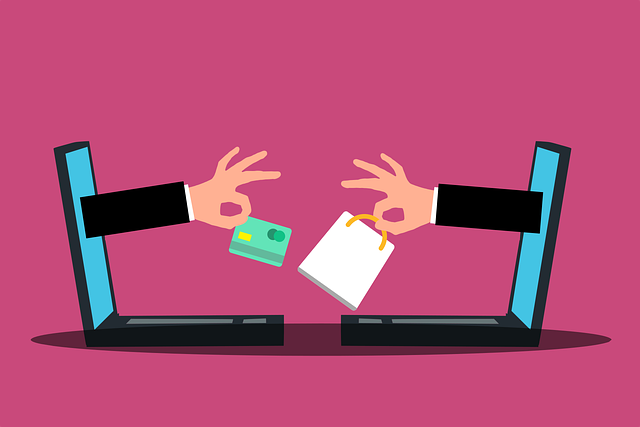
Every time you buy something—whether it’s groceries from the corner store or shoes from an online shop—you’re experiencing just the visible tip of a complex business model that connects manufacturers to end consumers.
The retail industry employs over 32 million employees in various roles, making it the nation’s largest private-sector employer. Yet most people have no idea what retailers actually do beyond the obvious transaction process, including their role in managing inventory, whether it be in small quantities or large .
Retailers aren’t simple middlemen. They’re market researchers, inventory specialists, logistics experts, and sales personnel who act as customer psychologists all rolled into one. They decide what products reach consumers, how they’re presented, and at what price points, always aiming to enhance customer satisfaction .
Have you ever wondered why Target and other retailers feel different from Walmart, despite selling many of the same products? Or why some online shops thrive while others fail?
The answers lie in understanding the true nature of retail—the strategic decisions that happen behind the scenes regarding the goods and services offered.
For business owners and entrepreneurs, grasping these retail fundamentals isn’t just interesting—it’s essential. Whether you’re starting a small boutique that sells products in small quantities to individual consumers or building an e-commerce empire catering to business customers, the same retail principles apply.
In this guide, we’ll strip away the mystery and show you what retailers do. We’ll explore different business models, the types of retailers’ marketing strategies, and the critical decisions that separate successful retailers from failed ones.
By the final section, you’ll see retail through new eyes—not just as stores selling products, but as sophisticated businesses that shape our economy and culture.
Save 80% of delivery management time
We handle everything:
- Dedicated operations manager
- Real-time tracking dashboard
- Automated customer notifications
- Urgent issue resolution
What is a Retailer?
Retailers connect products from manufacturers to consumers
They provide value through product selection, convenience, and expertise
Their business models range from physical stores to online platforms
Examples of Retailers
When you walk into a grocery store to buy food, order a book from Amazon, or purchase clothes at a department store, you’re interacting with retailers. A retailer is any business that sells products directly to consumers for their personal use. These businesses serve as the final link in the distribution chain, connecting manufacturers and wholesalers with the end customers.
Retailers come in many forms, from small independent shops to large multinational corporations. Traditional brick-and-mortar retailers, especially large retail stores that sell products in large quantities, include stores like Walmart, Target, and local boutiques where customers can physically browse and purchase products. These physical stores have been the backbone of retail for centuries, offering customers the ability to see, touch, and test products before buying them.
On the other hand, e-commerce retailers like Amazon, eBay, and Shopify-powered online stores have transformed the retail landscape. These digital platforms allow consumers to shop from anywhere at any time, often offering wider product selections than physical stores can accommodate, including options that might come from wholesalers. According to Deloitte’s 2025 US Retail Business Industry Outlook, retail executives expect the industry to grow by mid-single digits on average in 2025, with digital transformation and omnichannel capabilities being top priorities.
Types of Retailers
Retailers are categorized based on several factors, including their business models, product offerings, and selling channels. Understanding these different types of retailers helps both consumers and business owners identify their target market and navigate the retail landscape effectively.
General merchandise retailers like department stores offer a wide range of products under one roof. They provide convenience for shoppers looking to find various items in a single location, especially when those companies offer a broad range of products. Specialty retailers, in contrast, focus on specific product categories such as electronics, sporting goods, or fashion. These stores often provide deeper product knowledge and more specialized customer service.
Discount retailers, including dollar stores and off-price retailers, focus on offering products at lower prices than traditional retailers. They often achieve this through bulk purchasing, private label products, or selling excess inventory from other retailers. Luxury retailers represent the opposite end of the spectrum from discount stores, focusing on high-end products with premium pricing and exceptional service experiences.
Another important distinction is between single-channel and multi-channel retailers. Single-channel retailers focus on one selling method, such as exclusively online or in physical stores. Multi-channel retailers combine various approaches, allowing customers to interact with their brand through physical stores, websites, mobile apps, and social media platforms.
Retailer Business Models
Physical Retail Stores
Physical retail stores remain a critical part of the retail ecosystem despite the growth of e-commerce. These traditional storefronts offer immediate gratification – customers can take products home immediately after purchase. They also provide sensory experiences that online retailer shopping can’t replicate: the ability to try on clothing, test electronics, or sample food products before buying.
Many physical retailers are evolving their business models to stay competitive. They’re adding experiential elements like in-store events, product demonstrations, and interactive displays to give shoppers reasons to visit beyond just making purchases. As noted in HappyOrNot’s 2025 Retail CX Insights Report, leading retailers understand that “when customers feel valued and enjoy their time in the store, they are more willing to return and even pay a premium.”
Physical retail stores also serve as community gathering places and employment centers for local economies. They contribute to neighborhood vitality by providing face-to-face customer service for various goods and services that many consumers still value highly. For certain products and services, the personal touch of in-store shopping remains irreplaceable.
Online Retailers
Online retailers have revolutionized shopping by removing geographical limitations and time constraints. E-commerce platforms operate 24/7, allowing customers to shop for goods and services at their convenience from anywhere with internet access. This model has seen explosive growth, accelerated by technological advancements and changing consumer preferences.
The benefits of online retail are substantial. Customers gain access to virtually unlimited product selections, easy price comparison, and the convenience of home delivery. Retailers benefit from lower overhead costs, expanded market reach, and rich customer data that can inform business decisions about how consumers purchase goods. Many online retailers use sophisticated algorithms to personalize shopping experiences and recommend products that can be bought in bulk based on browsing history and purchase patterns.
Retailer Market Strategies
Retailers adopt different market strategies to position themselves in the competitive landscape and appeal to specific customer segments. These strategies influence everything from product selection and pricing to store design and marketing approaches.
Discount Retailers
Discount retailers structure their entire business model around offering products at lower prices than competitors. Companies like Walmart, Aldi, and Dollar General attract price-sensitive shoppers by maintaining tight cost controls, efficient operations, and high-volume sales. They often negotiate aggressively with suppliers to secure lower wholesale prices and develop private label products to increase profit margins while maintaining low retail prices.
The discount strategy is particularly effective during economic downturns when consumers become more price-conscious. These retailers typically invest less in store aesthetics and customer service than higher-end competitors, which often charge higher prices, focusing instead on operational efficiency and low prices. Their marketing messages emphasize value, savings, and affordability.
While discount retailers operate on thin profit margins per item, they compensate through high sales volume and rapid inventory turnover. By selling essential, everyday items at competitive prices, they build a loyal customer base that shops frequently. Many discount retailers have also begun developing more robust online presences to compete in the e-commerce space while maintaining their price advantage, offering services directly to consumers.
Specialty Stores
Specialty retailers pursue a different market strategy by focusing deeply on specific product categories or customer niches. Stores like Best Buy (electronics), REI (outdoor equipment), or Sephora (beauty products) offer comprehensive selections within their chosen categories, along with specialized expertise that general retailers cannot match.
This strategy allows these retailers to establish themselves as authorities in their field. Staff typically receive extensive product training to provide knowledgeable assistance to customers making complex or technical purchases. The shopping environment is designed to showcase the specific product category, with demonstrations, detailed product information, and interactive displays.
For small businesses, the specialty store approach offers a viable path to compete against larger retailers. By identifying underserved niches and providing exceptional knowledge and service in those areas, small specialty retailers can build loyal customer followings. They often cultivate communities around their products through events, classes, and other engagement opportunities.
Benefits of Retailers in Business
Retailers bridge crucial gaps between manufacturers and consumers
They create economic value through distribution efficiency and job creation
Retailers drive innovation in customer experience and product development
Retailers form the backbone of modern economies. They serve as the critical connection point between producers and end users, transforming how people access and experience products. The retail sector employs over 32 million people in the United States alone, making it one of the largest employment sectors in the country. Another essential aspect that supports retailers is the wholesale trade sector. Understanding the dynamics of wholesale trade can help retailers optimize their supply chains, negotiate better pricing, and ensure steady product availability. For those interested in delving deeper, exploring resources on how wholesale trade operates can provide valuable insights to enhance retail business strategies.
Retailers add value far beyond simply moving products. They curate selections, create convenient access points, and build relationships with customers that manufacturers often cannot. This intermediary role transforms raw distribution into meaningful economic and social exchanges.
From small corner stores to massive online platforms, retailers share common functions that benefit the broader business ecosystem. They reduce transaction costs for both producers and consumers. A manufacturer selling directly to millions of individual customers would face huge inefficiencies. Retailers consolidate these transactions, creating economies of scale.
Retailer Customer Engagement
Retailers create direct communication channels with consumers that manufacturers rarely achieve. This close customer relationship provides retailers with unique insights that drive business decisions. When customers interact with retail environments—whether physical or digital—they generate valuable data about preferences, behaviors, and needs.
The best retailers transform these interactions into personalized experiences. Target, for instance, famously developed algorithms that could predict customer pregnancies based on subtle changes in purchasing patterns, allowing them to send relevant promotions before competitors. This level of personalization increases satisfaction while driving sales.
Engagement extends beyond transactions. Modern retailers build communities around their brands. Sephora’s Beauty Insider program isn’t just a loyalty system—it’s a community where customers share reviews, recommendations, and experiences. This engagement creates emotional connections that transcend price considerations, leading to higher customer lifetime value.
The rise of omnichannel retail has further enhanced engagement possibilities. Customers now expect seamless experiences across physical stores, websites, apps, and social media. Retailers who excel at this integration see 30% higher lifetime customer value compared to single-channel peers, according to Harvard Business Review research.
Technology continues to transform retailer-customer relationships. AI-powered recommendation systems, virtual try-on experiences, and personalized marketing create increasingly sophisticated engagement opportunities. These technologies allow retailers to scale personalization that once required one-on-one human interaction.
Importance of Retailers in Business
Retailers drive economic growth through multiple mechanisms. Their most visible contribution comes through sales tax generation, which funds essential public services. In 2023, retail sales taxes contributed over $200 billion to state and local governments across the United States.
Job creation represents another crucial economic benefit. Retail employment spans diverse skill levels, from entry-level positions that provide first job opportunities to specialized roles requiring advanced expertise in managing small quantities of stock. The sector offers flexibility through part-time work, seasonal positions, and career advancement paths that few other industries can match.
Retailers effectively bridge production and consumption in ways that maximize efficiency. They aggregate demand, helping manufacturers achieve economies of scale that would be impossible when selling directly to consumers. This aggregation function reduces costs throughout the supply chain, ultimately benefiting consumers through lower prices.
The “last mile” problem in distribution—getting products from warehouses to individual consumers—is exceptionally challenging and expensive. Retailers solve this through sophisticated networks of physical locations and delivery systems. This infrastructure investment benefits the entire economy by reducing transaction costs and improving access to goods.
Innovation often flows from retail back to manufacturing. When retailers identify emerging customer needs through their direct engagement, they communicate these insights upstream to product developers. This feedback loop accelerates product improvement and creates market opportunities that might otherwise remain undiscovered.
Retailers also serve as crucial risk absorbers in the supply chain. They take on inventory risk, fashion risk, and market risk that manufacturers would otherwise face. By assuming these uncertainties, retailers create more stable operating environments for producers, allowing for more efficient production planning.
The retail sector also drives innovation that extends far beyond its immediate business interests. “People are always going to go shopping. A lot of our effort is just ‘how do we make the retail experience a great one?'” Notes Phillip Green, former Chairman of Arcadia Group. This constant quest for better customer experiences has led to technological advancements that benefit the broader economy, from payment processing systems to inventory management software.
Small and medium-sized retailers particularly benefit local economies through what economists call the “multiplier effect.” Studies show that money spent at local retailers recirculates in local economies at rates up to three times higher than money spent at national chains. This happens because local retailers typically source more services locally and retain profits within their communities.
For manufacturers, retailers provide valuable market validation. New products gain credibility when stocked by established retailers. This endorsement effect helps emerging brands build trust with consumers who might otherwise hesitate to try unknown products. The validation becomes a crucial step in brand development, particularly for innovative products that require consumer education.
How does a Retailer Work?
Retailers operate through a five-stage process: procurement, inventory management, merchandising, sales, and customer relationship management
This system creates value by transforming bulk products into consumer-ready goods and experiences
Each operational stage requires specific expertise and technology systems working together
The Procurement Process
Retailers serve as critical intermediaries in the supply chain by sourcing products from manufacturers, wholesalers, or distributors. The procurement process is far more strategic than simple buying. It involves careful selection of suppliers, price negotiations, and building relationships that ensure consistent product availability.
Modern retailers use sophisticated software systems to track historical sales data and predict future inventory needs. These systems help retailers optimize their purchasing decisions by identifying seasonal trends, determining optimal order quantities, and calculating reorder points. For example, large grocery chains like Kroger use predictive analytics to determine how much of each product to order for each store location based on local buying patterns.
The procurement process also involves quality control measures to ensure products meet the retailer’s standards. This might include sample testing, supplier audits, or certification requirements. These measures are especially important for retailers that build their brand reputation on product quality or sustainability, such as Whole Foods Market or Patagonia.
Supply Chain Management
Supply chain management represents a significant part of retail operations, involving coordination between manufacturers, logistics providers, warehouses, and stores. Retailers must make decisions about transportation methods, warehousing strategies, and distribution center locations to minimize costs while ensuring timely delivery.
The retail landscape has shifted dramatically in recent years, with supply chain resilience becoming a top priority following disruptions during the COVID-19 pandemic. Many retailers now implement dual-sourcing strategies and regional supply networks to mitigate risks. According to retail industry data, consumer spending is expected to grow 3.1% in 2025, putting additional pressure on supply chains to perform efficiently.
For small and medium retailers without the resources to develop comprehensive supply chain networks, third-party logistics providers (3PLs) offer solutions that provide access to sophisticated logistics infrastructure without the capital investment.
Inventory Management Systems
Once products are acquired, retailers must effectively manage their inventory—a process that can make or break profitability. Inventory management involves balancing stock levels to meet customer demand without tying up excessive capital in unsold merchandise.
Modern inventory management has evolved far beyond simple stock counts. Today’s retailers employ sophisticated inventory management systems (IMS) that track products in real-time across multiple locations. These systems provide visibility into inventory levels, turnover rates, and shrinkage (losses due to theft, damage, or administrative errors).
Effective inventory management requires:
Real-time tracking: Using barcode or RFID systems to monitor product movement
Automated reordering: Setting par levels that trigger purchase orders when stock reaches predetermined thresholds
Demand forecasting: Analyzing sales patterns to predict future inventory needs
Loss prevention: Implementing security measures and regular auditing procedures
Seasonal planning: Adjusting inventory levels to accommodate predictable fluctuations in demand
Inventory carrying costs typically represent 20-30% of inventory value annually, including warehouse space, insurance, taxes, and depreciation. This makes efficient inventory management essential for maintaining healthy profit margins.
The Art of Merchandising
Merchandising transforms inventory into sales opportunities through strategic product presentation. This process involves decisions about store layout, product placement, display techniques, and pricing strategies.
Effective merchandising begins with planograms—detailed diagrams that specify the placement of products on shelves or display areas. These layouts are designed to maximize visual appeal and sales potential. High-margin items are typically placed at eye level, while complementary products are positioned near each other to encourage additional purchases.
Visual merchandising extends beyond simple product arrangement to create immersive brand experiences. This includes considerations of lighting, color schemes, signage, and seasonal displays. Research shows that well-executed visual merchandising can increase sales by 15-30% compared to poorly organized displays.
Pricing strategy represents another critical aspect of merchandising. Retailers must establish prices that balance profitability with competitive positioning. Common pricing strategies include:
Keystone pricing: Setting retail prices at twice the wholesale cost
Loss leader pricing: Offering certain products below cost to drive store traffic
Psychological pricing: Using price points like $9.99 instead of $10.00
Bundle pricing: Offering discounts on product combinations
Dynamic pricing: Adjusting prices based on demand, competition, or time
E-commerce retailers face unique merchandising challenges, relying on high-quality product images, detailed descriptions, and user reviews instead of physical displays. Despite these differences, the core principles of effective product presentation remain consistent across channels.
Sales Execution and Payment Processing
The sales process represents the culmination of all previous operational activities. It involves not just the transaction itself but the entire customer experience surrounding the purchase.
In physical retail environments, the point of sale (POS) system serves as the technological hub for sales execution. Modern POS solutions do far more than process payments—they integrate with inventory systems, customer databases, and marketing platforms to create seamless transactions and capture valuable data.
The retail industry is experiencing a significant shift in payment processing, with the National Retail Federation projecting that e-commerce and non-store sales will grow between 7% and 9% in 2025, reaching approximately $1.57 trillion to $1.6 trillion. This growth coincides with 2025 marking an inflection point in cashless payments, with mobile and contactless options projected to grow by 12.4% annually.
Sales execution also encompasses staff training and performance management. Sales associates must understand product features, recognize customer needs, and effectively communicate value propositions. The quality of these interactions significantly impacts conversion rates and average transaction values.
For online retailers, the sales process focuses on optimizing the digital customer journey, from product discovery through checkout. This includes website navigation, product filtering, shopping cart functionality, and checkout procedures. Streamlining these elements can dramatically reduce cart abandonment rates, which average around 70% in e-commerce.
Customer Relationship Management
The retailer’s work doesn’t end when the sale is complete. Customer relationship management (CRM) represents the ongoing effort to maintain connections with customers, encourage repeat purchases, and build brand loyalty.
Effective CRM systems collect and analyze customer data to generate insights about purchasing patterns, preferences, and lifetime value. This information enables retailers to create personalized marketing communications, loyalty programs, and special offers that resonate with specific customer segments.
Loyalty programs represent one of the most visible CRM strategies. These programs reward repeat customers with points, discounts, or exclusive benefits. The most effective loyalty initiatives go beyond simple transactions to create emotional connections with the brand through personalized experiences and recognition.
Post-purchase communications—including order confirmations, shipping updates, and follow-up surveys—provide opportunities to strengthen customer relationships and gather feedback. This information helps retailers identify areas for improvement and recover potentially dissatisfied customers before negative word-of-mouth spreads.
With rising prices remaining a top concern for consumers in 2025, retailers are adapting their CRM strategies to address price sensitivity. Data shows shoppers across all income groups are switching to more affordable brands and discount retailers, seeking private label products, and focusing purchases around promotional periods. Retailers who acknowledge these concerns through their CRM communications and offers can build stronger customer relationships during challenging economic periods.
What is a Retailer and Retail Examples For Business
Retailers are more than just sellers of products through direct selling —they’re the backbone of our economy, connecting makers with buyers in ways that create value for everyone. Through this exploration of retail business models, we’ve seen how these businesses, which sells goods, shape our shopping experiences, from local boutiques to global online platforms.
The most successful retailers today understand their customers deeply, manage inventory smartly, price competitively, provide excellent service, and use technology effectively. Whether you’re running a small specialty shop or a large chain store, these core principles remain the same.
Your retail strategy should match your unique business situation. There’s no one-size-fits-all approach—what works for a small niche retailer won’t necessarily work for a large department store. The key is alignment between your business goals, customer needs, and market position.
As retail continues to change with new technologies and consumer habits, the fundamentals remain: understand your customers, deliver value, and adapt to change. Retailers who master these elements will thrive in both physical and digital spaces, continuing to serve as the vital link between products and the people who need them.