
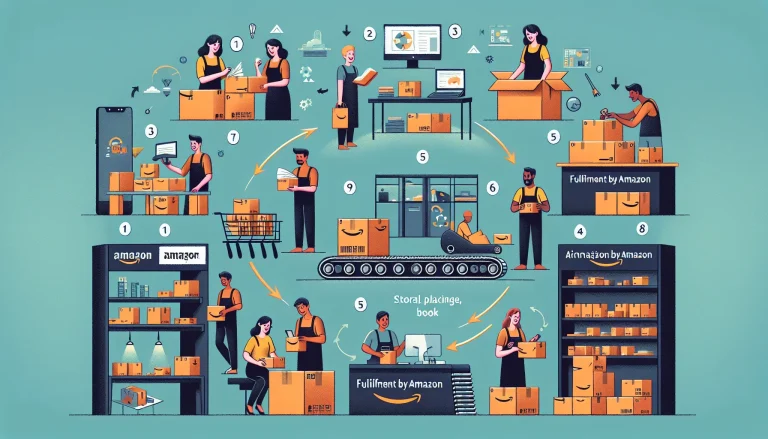

You’ve probably heard about Fulfillment by Amazon (FBA). Except it’s not your typical pick, pack, and ship ordeal.
In the maze of e-commerce logistics, FBA emerges as an unexpected kingpin, revolutionizing the way sellers operate their ecommerce businesses worldwide. Here’s why.
Each second, a staggering 4,000 items are sold through Amazon FBA. That’s like emptying an average supermarket shelf every tick of the clock.
Ready to unravel the truth behind the enigma we call FBA? Together, let’s dissect the reality behind this behemoth and debunk the common misconceptions you might hold about Fulfillment by Amazon. Buckle in. It’s quite a ride.
Save 80% of delivery management time
We handle everything:
- Dedicated operations manager
- Real-time tracking dashboard
- Automated customer notifications
- Urgent issue resolution
Fulfillment by Amazon (FBA) Explained
Amazon FBA is a paradigm shift in order fulfillment. This service allows you, as a seller, to store your products in Amazon’s fulfillment centers worldwide.
The Concept of Amazon FBA
Amazon FBA, or Fulfillment by Amazon, is a potent tool for sellers aspiring to scale quickly by reaching a vast customer base – Amazon’s enormous audience. This service eliminates your need to worry about storage, packaging, and shipping orders, and process returns, giving you ample time to focus on your business’s growth. With Amazon FBA, the e-commerce giant takes over storing your inventory in its secure facilities, packing and shipping orders, and shipping inventory, while also taking care of post-sales services such as returns and refunds. Considering diving into Amazon’s expansive market through Fulfillment by Amazon? Discover the crucial steps for efficient e-commerce order fulfillment, including how to manage inventory, and streamline the process of packing, shipping, and handling returns with Amazon FBA.
Amazon FBA Usage Rate Among Amazon Sellers Globally:
Nearly 94% of Amazon sellers use the Fulfillment by Amazon (FBA) service.
Amazon FBA Usage Rate Among Amazon Sellers in the US:
73% of Amazon sellers in the United States leverage Fulfillment by Amazon (FBA) services.
Amazon FBA is not just about order fulfillment; it also boosts your products’ visibility on the Amazon platform. As an FBA seller, you automatically gain Prime status on your products, exposing your inventory to millions of Prime members who are known for their high purchase frequency and brand loyalty. Additionally, Amazon’s reputation for fast, reliable delivery, and top-notch customer service further enhances your credibility as a seller.
Amazon Seller Profitability:
%76 percent of Amazon sellers achieve profitability, with %63 percent reaching this milestone within their first year of operation.
How Amazon FBA Works
To understand Amazon FBA, think of it as your warehousing, shipping plan and logistics partner within the Amazon ecosystem. It starts with you sending your inventory to the Amazon fulfillment center. Once it arrives there, every item is scanned and added to Amazon’s inventory system. When a customer places an order for one of your products, Amazon’s warehouse crew quickly picks, packs, and ships your product. The system then automatically updates the inventory and sends a tracking number to the customer. Dive deeper into the operations of Amazon’s distribution hubs to see how they streamline the order fulfillment process, from receiving and cataloging stock to ensuring your products reach customers efficiently.
For returns, Amazon provides customer service on your behalf, including managing packaging and processing refunds where necessary. Meanwhile, you can monitor your inventory, track sales, and manage your business in real time using Amazon’s specialized seller central dashboard. Looking to enhance your ecommerce operations? Explore top order fulfillment solutions for ecommerce to optimize your shipping and handling efficiently.
Using Amazon FBA is not without its fees, though. The FBA fee structure includes storage fees (often seasonal) and fulfillment fees based on the weight and dimensions of products. Despite the costs, many sellers find the trade-off worth the expense given the vast customer reach, warehousing, handling, and customer service that Amazon provides.
Unraveling the Benefits of Amazon Fulfillment Centers
How Amazon FBA Boosts Your Business Visibility
Fulfillment by Amazon FBA is not just about fulfillment; it’s your golden ticket to a significant online presence. Once you’re an Amazon FBA seller, your products become accessible to millions of Prime users who are laying their trust on Amazon. This increase in visibility, listing alongside well-known brands, could be game-changing for small and medium businesses. For instance, a small business selling handmade products was able to increase online sales by 80% after joining the Amazon fulfillment network. Discover how enhancing the accuracy of online orders can further elevate your business success on Amazon’s marketplace, ensuring customer satisfaction and repeat business.
Enhanced Sales Growth with Amazon FBA Program:
Upon enrolling in the Amazon FBA program, sellers typically witness a sales surge ranging from around 30% to 50%.
Being on Amazon also gives you notable benefits in search engine optimization on both Amazon and Google. It’s no secret that when consumers look for something, they generally start with Amazon. So, having your products listed here means being in the actual line of sight of the consumers.
The Convenience of Amazon’s Fulfillment Network
Imagine getting rid of storage woes and concentrating solely on your business. Amazon’s fulfillment centers are a boon to vendors as they take care of the storage, packaging, and international shipping of your products. Vendors have the luxury of storing their products in Amazon’s giant warehouses worldwide, ready for delivery with just a click.
Cost Efficiency: Amazon FBA Shipping Savings:
On average, Amazon FBA's shipping service incurs approximately 30% lower costs per unit compared to other shipping methods.
Your products get packed adhering to Amazon’s strict packaging guidelines, enhancing customer experience while unboxing. When it comes to shipping, Amazon’s considerable logistics and network of fulfillment centers ensures products reach customers at the fastest possible time, improving customer satisfaction and thereby, your rating. Amazon’s fulfillment centers are located strategically throughout the world, which enables international shipping without any hassle.
Amazon Seller Logistics: FBA Adoption and Hybrid Approaches:
In 2022, 64% of merchants relied on Fulfilment by Amazon (FBA) logistics, while 22% combined it with their own order management, including storage, shipping, and customer service.
Customer Service and Returns Handled by Amazon
Customers trust Amazon. They recognize it, value its customer service, and trust its returns policy. This is a crucial benefit of Amazon FBA. As an FBA seller, you reap the benefits of Amazon’s renowned customer service and returns. Amazon handles it all – inquiries, refunds, and returns, leaving you more time to focus on other aspects of your business. The customer service process with Amazon FBA is smooth and hassle-free.
Amazon Builds Strong Trust with Online Shoppers:
72% of shoppers place their trust in Amazon for their online shopping needs.
Remember that customer service process and satisfaction results in positive reviews and ratings. With Amazon FBA, you’re not just gaining a reliable customer service arm; you’re also substantially boosting your chances of gaining customer loyalty and stellar reviews.
89% of online shoppers express a preference for purchasing from Amazon over any other website.
Lastly, part of the appeal of Amazon FBA is its ability to manage international sales. You don’t need to worry about responding to customer inquiries in different time zones or languages. Amazon FBA handles that for you, leaving you to concentrate on growing your business.
How to Kickstart Your Journey with Amazon FBA
From understanding the advantages of the FBA program, let’s move further into the operational end of fulfillment process, setting the infrastructure for a successful selling journey on Amazon. Discover how the Shopify Fulfillment Network can streamline your fulfillment process, ensuring efficient shipping, tracking, and inventory management for your Amazon business.
Nearly Half of SMB Amazon Sellers Cross $100K Sales in 2023:
In 2023, 47% of Amazon sellers classified as small and medium-sized businesses (SMBs) achieved lifetime sales exceeding $100,000.
Step 1: Setting Up Your Amazon Seller Account
Did you know that more than half of the items sold on Amazon worldwide are from independent selling partners? They initiate the fulfillment process by one crucial step—setting up the Amazon Seller Account.
Majority of Amazon Sales are from SMBs:
Over 60% of Amazon store sales originate from independent sellers, predominantly comprising small and medium-sized enterprises.
Creating an Amazon Seller Account is your ticket into the vast Amazon marketplace. Registering is straightforward. To reap the benefits of Amazon’s fulfillment network, you need to sign up for the FBA program.
When you create your account, you’ll have to decide between a Professional or Individual selling plan. The plan you select will affect your fees and the volume you intend to sell. It’s a strategic decision grounded in your business model. Considering diving into online sales fulfillment? Discover critical insights on how to handle your ecommerce orders effectively, from processing to delivery.
Also, keep in mind to set your shipping plan return policies clearly and compliant with Amazon’s guidelines—showing you take the customer’s concerns seriously.
Step 2: Listing Your Products on Amazon
Once you have an Amazon Seller Account, the next step is to list your products effectively to take advantage of FBA fulfillment. This includes preparing your products for shipment to the Amazon fulfillment center and setting up multi-channel fulfillment to sell on other sales channels like your own website. To effectively manage your inventory, monitor your inventory storage fees and fulfillment center fees through your Seller Central account. This will help you keep track of your fulfillment center costs and identify stagnant inventory.
Average Product Range of Amazon FBA Sellers:
Approximately 25% of Amazon FBA sellers maintain product catalogs comprising more than 50 items.
Step 3: Shipping Your Products with FBA
After listing your products, it’s time to ship them to the Amazon fulfillment center. You can either use FBA services to handle the entire fulfillment process or use Amazon’s multi-channel fulfillment service to fulfill orders from other sales channels. You can also take advantage of premium and full fulfillment service options, comparable to Prime shipping to secure repeat sales. FBA products are eligible for two-day shipping and discounted shipping rates, which can boost your sales rank. When shipping your products, ensure that they meet Amazon’s shipment requirements. This includes using the right shipping boxes and attaching the correct shipping labels.
Private Label Product Sale Rates Among Amazon FBA Sellers:
Approximately 52% of the products sold by Amazon FBA sellers are private label products.
Step 4: Managing your Inventory
Managing your inventory is a critical aspect of maintaining a successful business on Amazon. Monitor your inventory performance index to optimize your inventory storage and avoid monthly inventory storage fees. For fulfillment in-house, you can use Amazon’s fulfillment providers to handle inventory storage and shipping logistics. This can help you save time and money on fulfillment costs.
Amazon FBA Usage Rate of B2C Sellers:
Amazon FBA serves as the primary order fulfillment method for 23% of B2C sellers.
Step 5: Handling Customer Inquiries and Returns
With Amazon FBA, you don’t have to worry about handling to handle customer service inquiries or processing returns. Amazon’s customer service team will take care of it for you, leaving you more time to focus on growing your business. If you do receive customer orders directly, you can use FBA fulfillment to ship orders and take advantage of Amazon’s fulfillment network.
Amazon FBA Fees Explained: What You Need to Know
Understanding Amazon’s Storage Fees
Amazon’s storage fees play a crucial role in your FBA business model. These fees depend on the amount of storage space your inventory occupies in Amazon’s warehouses. Remember, increased storage space equals higher fees.
The storage fees vary depending on the time of year. Expect to pay more between October and December due to a surge in warehousing needs during the holiday season. Make sure to manage your inventory effectively to avoid excess storage costs.
Understanding these storage fees is pivotal to making calculated decisions about inventory management. Properly gauging when and how much inventory to order can minimize storage expenses and maximize profit margins.
Ways to Minimize Amazon Storage Fees
Several strategies can minimize your storage fees, including inventory turnover rate and removing slow-selling items. Stay on top of your inventory and improve your stock’s efficiency. Discover ways to implement complimentary shipping options to entice more buyers, ensuring your revenue remains healthy.
Decoding Amazon’s Fulfillment Costs
Fulfillment fees encompass picking and packing your orders, shipping and handling, customer service, and product returns processing. These fees are charged per unit and depend on the product’s size and weight.
Just as with storage fees prime shipping costs alone, understanding fulfillment fees underpins successful pricing strategies. An incorrectly estimated fulfillment fee could degrade your profit margins.
FBA Fulfillment Costs for Small Non-Apparel Items:
For non-apparel items, the FBA fulfillment cost for small standard items weighing 2 oz or less is $3.22.
FBA Fulfillment Costs for Small Apparel Items:
For apparel items, the FBA fulfillment cost for small standard items weighing 4 oz or less is $3.43.
Deciphering the Fulfillment Fees Structure
Amazon’s fulfillment fees architecture is tiered based on item size and weight. Knowing your product specifications can assist in predicting these expenses and establishing competitive pricing.
Additional Fees You Should Be Aware Of
Don’t be caught off guard by unexpected costs. Amazon charges additional fees for long-term storage, removal, disposal, and returns processing. Keeping these additional charges in mind can prevent sinkholes in your profits.
Long-term storage fees apply to items stored in Amazon’s warehouses for more than 365 days. Similarly, if you want to remove or dispose of your inventory, you must pay removal or disposal fees.
All these additional fees can chip away at your profit margin if not adequately managed and factored into your business model.
Mitigating Extra Amazon Fees
Consider various tactics to avoid these fees, such as regular inventory health checks and clever sales strategies. By mitigating these additional costs upfront, you would stand a better chance of maintaining your profits.
In conclusion, being knowledgeable about Amazon FBA fees is vital for a successful FBA business. Awareness of these fees allows small businesses to make informed decisions, optimize operations, and maximize profits. The picture becomes clearer when these fees are not hidden costs but elements embedded in your business strategy.
Unmasking Amazon FBA: The Truth and Nothing but the Truth
The FBA program may not be the fairy-tale solution to all your logistical challenges as it comes with its own subtleties and undertaking costs. However, it can potentially be a game-changer concerning
sales volume, customer reach, and simplifying operations if employed astutely.
Here’s your power tool: knowledge. You’ve uncovered the realities of FBA, its nuances, implications, and how it’s so much more than just a shipping service. You are now equipped to make an educational decision about whether or not FBA aligns with your business model and goals.
Don’t just stop here. Use this information as a baseline and delve more into FBA – its intricacies, success stories, pitfalls, and more. Evaluate how its complexities can be tackled to turn them into opportunities. Put the newly gained insights into action!
Question to ponder: How might FBA amplify, or potentially hinder, your specific business operations and overall business growth and goals?
Remember, every business decision is a calculated risk, a path toward your unique success story. Ready to write yours?
Hint: It starts with a well-informed choice…