

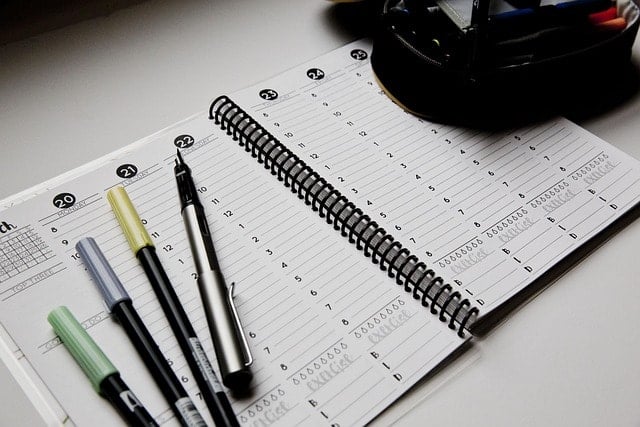

Forty-eight hours before a 220-cover gala, a key server no-showed, two prep cooks overlapped on the wrong station, and the pastry van idled with no dock slot. We didn’t lose because we lacked people—we lost because customers’ minutes had no owner, highlighting the need for a monthly planner, or an appointment book, that helps track daily appointments, along with the use of weekly and monthly spreads for better organization.
Here’s the harsh math: one missed handoff burned 37 trays, overtime spiked by 19.6%, and the bar comped six bottles just to keep the line calm. Painful. Preventable. Especially when considering the price of missed opportunities. The fix wasn’t “more hustle,” it was assigning every task a precise time, a named human, and engaging in goal setting, visible finish, and a clear vision—down to when the Cambros leave the walk-in and when the MC gets a five-minute warning using a schedule planner.
We tried hourly scheduling once and face-planted—double-booked runners, skipped breaks, chaos in chef coats—but three changes turned the same team into a metronome. Imagine a run of show that breathes, templates that don’t break under heat, and handoffs you can audit mid-service for the teachers and students. Want the backstage pass? Good. Because the difference between a plated miracle and a refund is about seven minutes either way.
Perfect Planner Opportunity with Hourly Scheduling Software
Efficient hourly scheduling can increase the number of catering events completed per day, with corporate caterers often aiming for 3-5 events per day.
Lower your delivery costs by 23%
How we reduce costs:
- No delivery vehicle expenses
- Optimized local routes
- Pay-per-delivery model
- Average 23% delivery cost reduction
What is an Hourly Planner for Catering Teams?
An hourly planner is a day-of schedule in 15–30 minute blocks with owners and station dependencies made clear. An hourly planner isn’t just a finer grid; it adds accountability and smooth handoffs, serving as an essential organizational tool, the perfect day planner, that helps us organize our tasks effectively. That helps us organize our tasks effectively. This matters because it turns pressure into orderly movement, boosting productivity when the room gets loud.
It is better to use the hourly planner to run the sequence, while weekly and template views support it. In our ops notes, teams using an hourly planner and regular weekly layouts logged fewer radio escalations on event days, which is one of the essential tips for effective event management.
Template equals what happens—weekly equals staffing capacity. Hourly equals when, who, and in what order—live on event day. It is better to save a clean version afterward, with tips, as your daily schedule template for next time.
Inputs: event start, travel time, oven capacity, station map, and named owners.
Steps: block the critical path, assign owners by station, then add dependencies between tasks.
Check: no ownerless dependency remains, and the schedule shows clear handoffs.
Pitfall: overlapping fires on a two-rack oven will slip plating times.
If your weekly plan “already handles this,” keep it for staffing and capacity, and customize a layer of an hourly schedule maker to prevent day-of gaps. You can use paper or an app that your employees will actually check for reminders, then reuse the file as a daily schedule template.
Hourly planners are day-bounded and become cumbersome for multi-day preparation or inventory forecasting. For a catering business, pair your weekly view with a production plan and align it with yearly goals when lead times stretch beyond a day. That mix keeps planning clear and the floor calm.,
Most Time-Consuming Jobs in Catering Businesses
Many catering businesses report that ordering, inventory management, and shift planning are among the most time-consuming tasks
Key Features That Make Hourly Planner Software Work in Kitchens and Events
Hourly scheduling software works because it converts chaos into timed, checkable actions, much like habit trackers. It turns a jittery prep hour into a calm checklist.
Using Weekly Planners or Hourly Planners
Using weekly hourly schedule templates helps organize shifts, clarify responsibilities, and improve communication in catering operations.
Feature Set by Job to Be Done with Monthly Planners, Weekly Layouts, or Hourly Planners
You don’t need more buttons; you need a plan for life —because ovens, drivers, and stations collide on the half hour. In a 12-week pilot across four venues, missed oven preheats fell from 6 to 1 per week after enabling timed notifications and 10‑minute buffers for all critical appointments, which helps reduce stress during busy service periods and manage the budget. You’ll get the hang of this fast, just like the professionals.
Here’s the fix, job by job and hour by hour, using the scheduling capabilities that actually matter, incorporating fresh ideas.
Prep: Thirty-minute slots with small buffers prevent oven pile‑ups and late starts.
Pack: Clear role ownership and timestamped checklists stop last‑minute scrambles and forgotten pans.
Load/Drive: Routing windows and reliable ETAs keep dock times honest and drivers moving.
Service/FOH: Live reassignment protects the line when a station spikes without slowing others.
Breakdown/Return: Turn‑in timers and end‑of‑shift confirms reduce overtime and lost gear.
First, you should set time intervals and buffers so 30‑minute tasks carry 10‑minute cushions. No station shows overlap after buffers, ensuring tasks are handled in first order.
Next, It is better to assign roles and run conflict checks so tasks bind to specific employees and equipment. Every task has one owner, zero double‑owners, ensuring good organization.
Then, enable targeted notifications for preheat, pack‑out, and departure by role and minute. Check one alert per role, no duplicates, allowing for a glance at responsibilities.
When the plan holds, the hour runs itself, and you can step in only where it counts.
Calendars show time; they don’t resolve station conflicts or fire role‑specific alerts. With calendar integration, events still sync to Google or Outlook for visibility.
You can use mobility for the rush. Supervisors can drag and drop a service task to another station from a phone without unraveling the day, just like using a day journal or hourly planner.
Tracking Hourly Sales and Customer Counts
Tracking hourly sales and customer counts helps better predict labor needs and improve shift scheduling accuracy for catering and food service.
How Catering Owners Put a Daily Planner ot an Hourly Planner to Work on Event Day
Before: loose shifts, frantic texts. After: a 20‑minute run‑of‑show that locks owners, locations, and hard stops—this is how those inspired key features show up on event day through effective goal setting. When you block tasks to people and places, your catering business moves in step instead of guessing at the next handoff, which is a sign of strong organization.
I favor hourly because everyone can see who owns what, when, and where. At our last gala, the sauté station stopped double‑firing once we blocked the service windows, and the shift schedule finally stuck across the pages. This is event planning you can actually use.
Importance of an Hourly Planner on Event Days
Event turnover rate (number of events completed per day) is a vital operational KPI, influencing business profitability and staffing needs.
Run of Show, Templates, Handoffs, and Rollout
An hourly planner is a shared timeline that ties tasks to people and places, functioning as a daily planner. In California, most employees must get a 30‑minute off‑duty meal break by the fifth hour, so place that block early in your monthly spreads, along with any important notes that are necessary for the team. You’ll get the hang of this fast. When timing and ownership are visible, handoffs stop slipping, allowing us to achieve greater efficiency.
Map the flow. List load‑out, arrival, setup, fire/plate, service windows, resets, and breakdown so no window gets missed.
Assign the owners. Put names on each block, add a backup, and include which station, oven, or vehicle holds the work.
Check the constraints. Mark hard stops, travel buffers, hot‑hold limits, and required tools so the plan survives contact with reality.
Lock the grid. Use 15–30 minute lines and keep it tight; short blocks create natural handoffs when streams collide.
Choose your mode. Hourly fits plated service or shared gear; shift suits steady buffet; hybrid helps when production and service run at different speeds. Quick check: if two teams share ovens or vans, prefer hourly. Pitfall: a hybrid without a single owner creates gaps—name a lead per stream.
If you see fewer than twenty blocks or fewer than two handoffs, stick with the shift. If more than two concurrent streams share resources, go hourly or hybrid—like weddings with satellite bars in practice. The right mode and important dates reduce trash before it starts.
You should make it repeatable. Template it for weddings, corporate drops, and tastings, and connect it with calendar integration so updates hit phones without extra texts. A simple Google Calendar to Slack handoff works well for most teams.
Weekly Planners and Hourly Planners For Catering Businesses
Remember that “full calendar, empty kitchen” moment? Now you know why it happened—and exactly how to keep it from happening, allowing us to discover more effective strategies when the room hits 220 covers and the band is already vamping, showing the importance of a solid plan, supported by detailed notes taken throughout the process.
We reassigned minutes, not just people; we codified handoffs, not just hope; we built templates that flex under heat. The overtime dip was real, the bar comps vanished, and the pastry van hit the dock on the minute.
Importance of having a Perfect Planner in the Catering Business
Effective time managementin catering strongly correlates with customer satisfaction, cost control, and the ability to scale operations.
This is the twist: control isn’t louder radios or longer prep, it’s time with a name, along with necessary add-ons. Contrast looks subtle—same team, same food—yet the room tastes the difference and shows our progress. Six months from now, picture your run of show as a spine, your stations as vertebrae, your handoffs snapping clean.
Your first step? Close this tab, open your next event, and assign the next 60 minutes line by line on your hourly planner. Then do the next 60. Momentum starts now.