
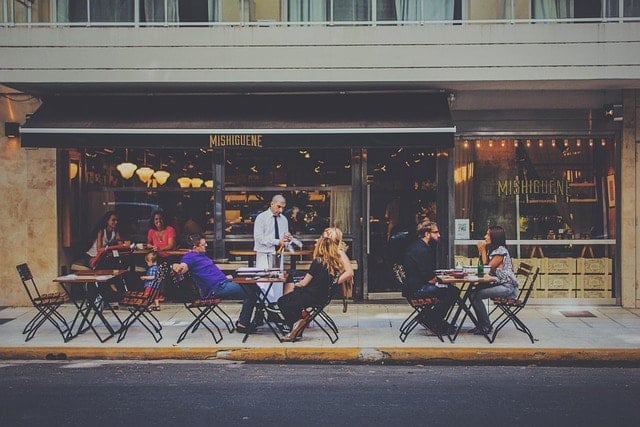

Walking past a busy restaurant on a warm summer night, you notice something interesting: every outdoor table is full, while indoor seats sit empty. This is no accident. Smart restaurant owners recognize that outdoor dining spaces can increase capacity by 30% and significantly boost revenue. However, there’s more to it than just placing tables on a sidewalk or a balcony.
The most profitable outdoor dining areas blend practical layout, comfort, variety, and atmosphere into a space customers actively seek out. When done right, these spaces don’t just accommodate overflow—they become the preferred destination.
Popularity of Outdoor Dining
Approximately 70% of respondents are willing to wait longer for outdoor seating, indicating strong demand that restaurants should accommodate with staffing and reservation systems
Let’s be honest: competition for customer attention has never been fiercer. In 2025, restaurants that create memorable outdoor experiences have a clear advantage over those that don’t. The question isn’t whether you should have outdoor dining or a product, but how to make yours stand out.
This guide walks you through creating an outdoor dining area that showcases a collection of enticing features, attracts customers, and increases sales. From space planning to glass furniture selection, atmosphere creation to seasonal promotions, you’ll learn practical steps that deliver real results.
Ready to turn your sidewalk, patio, or rooftop into a profit center that customers love? Let’s build an outdoor dining experience that brings people in and keeps them coming back.
Restaurants with Outdoor Seating
54% of diners are more likely to choose a restaurant with outdoor seating when weather permits, and this preference is especially strong among men (62%) and younger guests
Lower your delivery costs by 23%
How we reduce costs:
- No delivery vehicle expenses
- Optimized local routes
- Pay-per-delivery model
- Average 23% delivery cost reduction
Step 1: Effective Outdoor Dining Layouts
Proper layout design can increase customer spending by 6% and extend visit duration.
Strategic space planning creates comfortable pathways for both staff and guests.
Different seating arrangements accommodate various group sizes, enhancing guest satisfaction.
Assess Available Space
The first step in creating an effective outdoor dining area is to conduct a thorough assessment of your available space.
You can start by measuring your entire outdoor space precisely. It is better to use a tape measure to determine the exact dimensions, including length and width. Record these measurements and transfer them to a floor plan. A floor plan serves as a visual guide that helps you see how many tables of different shapes you can fit while maintaining proper spacing. You can create a simple floor plan using graph paper (where each square represents one square foot) or use restaurant layout software for more precise planning, including an umbrella hole for table setups.
Outdoor Dining In The Summer Season
35% of diners are more likely to book a reservation in summer when outdoor seating is available, highlighting seasonal demand spikes
When assessing your space, identify fixed elements that cannot be moved, such as:
Entry and exit points
Stairs or steps
Trees or landscaping features
Utility connections
Support columns
Property boundaries
These fixed elements will influence how you arrange your seating. Mark them clearly on your floor plan to avoid placing tables in unsuitable locations.
Planning Traffic Flow
Traffic flow is a critical consideration when assessing your outdoor dining space to ensure it remains a fun and functional environment. Staff need clear pathways to move efficiently between tables and the kitchen, while customers need comfortable access to their seats without feeling cramped.
Main pathways for servers should be at least 36 inches wide to allow for comfortable passage while carrying trays of food and drinks. Customer pathways between tables should maintain a minimum of 18 inches, though 24-30 inches is preferable for comfort.
Seating Availability in Outdoor Dining
About 60% of diners express no specific food type preference for outdoor dining, indicating that outdoor seating availability is more critical than the menu style for attracting customers
Consider creating a “heat map” on your floor plan that highlights high-traffic areas. These include:
Paths to and from the kitchen
Routes to restrooms
Entrance and exit paths
Areas near popular tables or features
You should avoid placing tables directly in these high-traffic zones. This simple planning step prevents servers from constantly apologizing for squeezing past guests and creates a more pleasant outdoor dining experience.
Arrange Tables and Seating
Once you’ve assessed your available space and planned traffic flow, it’s time to arrange your tables and seating. The arrangement of your outdoor dining area significantly impacts customer satisfaction and revenue.
You can begin by determining the types and sizes of tables that best suit your restaurant’s needs. A mix of table sizes accommodates different group sizes and maximizes space efficiency. Consider the following typical table dimensions:
Two-top tables: 24″ x 30″ or 30″ round
Four-top tables: 30″ x 48″ or 36″ square
Six-top tables: 30″ x 72″ or 48″ round
Eight-top tables: 30″ x 96″ or 60″ round
When deciding on your table mix, review your reservation data to understand your typical party sizes. If you frequently host larger groups, include more six-top and eight-top tables. If your clientele tends to be couples or small groups, focus on two-top and four-top tables.
Creating Varied Seating Options
Offering varied seating options enhances the customer experience by catering to different preferences and needs.
Consider these varied seating options for your outdoor dining area:
Standard tables and chairs for traditional dining
High-top tables and bar stools for a casual atmosphere
Lounge seating with low tables for a relaxed experience
Banquette seating along walls or railings to maximize space
Communal tables for large groups or social dining
Each seating type creates a different atmosphere and serves different customer needs. For example, high-top tables might appeal to customers looking for quick drinks and appetizers, while lounge seating might attract those planning a longer, more relaxed meal.
For maximum flexibility, invest in tables that can be easily reconfigured. Square or rectangular tables can be pushed together to accommodate larger parties when needed. This adaptability is particularly valuable for outdoor spaces where customer needs may change throughout the day or week.
Optimize Distance Between Tables
Maintaining appropriate distance between tables is crucial for both customer comfort and operational efficiency.
The standard minimum distance between occupied chairs at adjacent tables should be 18 inches. However, for a more premium experience, aim for 24-30 inches of space. This additional room creates a sense of privacy and allows servers to navigate between tables without disturbing guests.
When arranging tables, consider these spacing guidelines:
Between tables (edge to edge): Minimum 24 inches, ideally 30-36 inches
From table edge to walkway: Minimum 18 inches, ideally 24 inches
From table edge to wall or railing: Minimum 12 inches
Space per seated guest: Minimum 24 inches of linear table edge
Remember that outdoor diners may have additional items with them—shopping bags, strollers, or pets—that require extra space. Planning for this reality prevents cramped conditions and improves the outdoor dining experience.
Strategic Table Placement for Privacy and Views
Strategic table placement can enhance the outdoor dining experience by offering privacy while maximizing desirable views.
Consider these strategic placement techniques:
Position tables to face natural views like gardens, water features, or street life
Use plants, screens, or partial walls to create semi-private dining zones
Stagger table arrangements to prevent direct sight lines between tables
Create “premium” spots with enhanced views or privacy that can command higher spending
Consider table orientation relative to the sun’s position throughout the day
For premium tables with the best views or privacy, implement a reservation system that might include minimum spending requirements. This approach maximizes revenue from your most desirable seating locations.
When testing your layout, physically walk through the space. Sit in chairs, move between tables, and simulate service patterns. This practical test often reveals issues that aren’t obvious on a floor plan, allowing you to make adjustments before opening to customers.
Adapting Layouts for Different Times and Seasons
The ability to adapt your outdoor dining layout for different times of day, days of the week, and seasons is a valuable advantage.
You can create at least three different floor plans to accommodate varying needs:
Standard layout for everyday service
Event layout for special occasions or live entertainment
Weather-contingency layout for partial protection during mild inclement weather
For different times of day, consider how sunlight patterns affect your space. Tables that are pleasant in the morning might be too sunny in the afternoon. Creating a sun map that tracks shadows throughout the day helps place tables optimally or indicates where umbrellas or shade structures are needed.
Seasonal considerations should include:
Spring/Summer: Maximize open-air seating, provide sufficient shade options
Outdoor Dining In The Summer Season
35% of diners are more likely to book a reservation in summer when outdoor seating is available, highlighting seasonal demand spikes
Fall: Arrange seating to minimize wind exposure, have blankets available
Winter: Concentrate tables near heat sources, use windbreaks and overhead coverage
By having these plans prepared in advance, your staff can quickly reconfigure the space as needed, ensuring continuous operation and customer comfort regardless of conditions.
Step 2: Outdoor Dining Furniture Ideas
Choose weather-resistant furniture that enhances your brand image
Balance comfort and style to maximize customer satisfaction and dwell time
Select flexible, multipurpose pieces to adapt to changing needs
Choose Durable Materials
When selecting outdoor dining furniture, durability should be your first consideration. The furniture must withstand constant exposure to weather, heavy use, and frequent cleaning.
The Outdoor Dining Table Market
The outdoor dining table market is projected to grow from about USD 20.8 billion (2025) to USD 34.5 billion by 2035, with a CAGR of 5.2% driven by home renovation and rising hospitality sector demand
Aluminum remains one of the most practical choices for restaurant outdoor furniture. It’s lightweight, making it easy for staff to move and rearrange, yet strong enough to withstand daily use. The material doesn’t rust, requires minimal maintenance, and comes in various finishes to match your restaurant’s aesthetic. Modern aluminum furniture often features powder coating that prevents chipping and fading, even in harsh sunlight or rainy conditions.
Maintenance Schedules for Different Materials
Even the most durable outdoor furniture requires regular maintenance to maximize its lifespan. For aluminum pieces, create a monthly cleaning schedule using mild soap and water to remove dirt and environmental residue. You should check joints and connections twice per season to ensure they remain tight and secure. For wooden furniture, apply protective sealants at the beginning of your peak season and again mid-way through to prevent moisture damage.
High-density polyethylene (HDPE) furniture, often made from recycled materials, offers exceptional durability with minimal maintenance needs. These pieces resist fading, cracking, and peeling, making them ideal for restaurants in coastal areas where salt exposure accelerates wear on other materials. Create a simple maintenance calendar that staff can follow to ensure all furniture receives proper care throughout the year.
Comfort and Style
Customer comfort directly impacts dwell time and average check size. Uncomfortable wicker seating, regardless of how attractive, will drive customers away quickly. Research shows that customers who stay longer typically order more items, particularly drinks and desserts that carry higher profit margins. Therefore, investing in comfortable seating directly contributes to your bottom line.
Ergonomics should guide your chair selection. Look for designs with proper back support and seat heights proportional to your table heights (typically 17-19 inches from the ground). While metal chairs offer durability, they can become uncomfortably hot in direct sunlight. Consider adding removable cushions that can be brought inside during inclement weather or stored overnight. Water-resistant fabrics with UV protection prevent fading and minimize mildew growth.
Your furniture style makes a strong statement about your brand identity and reflects a lifestyle that resonates with your target audience. A bistro specializing in French cuisine might select wrought iron chairs with intricate details, while a modern fusion restaurant might opt for sleek, minimalist designs. Whatever your choice, ensure consistency between your indoor and outdoor aesthetics to create a cohesive brand experience. According to industry experts, 59% of households with outdoor living spaces plan to purchase new outdoor furniture or accessories in 2025, showing a strong consumer trend toward refreshed outdoor spaces that restaurants can capitalize on.
Furniture as Brand Extension
Your furniture selection represents a tangible extension of your brand values. For eco-conscious establishments, consider furniture made from recycled materials or sustainably harvested wood certified by the Forest Stewardship Council (FSC). These choices not only reduce environmental impact but also communicate your values to increasingly eco-aware customers.
Color psychology plays a significant role in dining experiences. Blues and greens create calm, relaxing atmospheres ideal for fine dining, while reds and oranges stimulate appetite and increase table turnover—perfect for quick-service restaurants. Neutral tones offer versatility and timeless appeal but may require strategic accents to avoid appearing bland. Consider how your furniture colors will appear at different times of day and under various lighting conditions.
Space-Efficient Solutions
In urban settings where outdoor space comes at a premium, maximizing every square foot becomes essential. Stackable chairs and foldable tables allow for quick storage during severe weather or when you need to reconfigure your space for events. These adaptable pieces help optimize your seating capacity based on changing demands throughout the day.
Built-in bench seating along walls or railings can increase your seating capacity while creating a more intimate outdoor dining table experience. When paired with movable tables, this arrangement offers flexibility while maintaining a fixed aesthetic anchor. For narrow sidewalk spaces, consider half-round tables that can be placed against walls to minimize pathway obstruction while still accommodating 2-3 guests.
Modular furniture systems represent a significant trend in outdoor restaurant furnishings. These customizable pieces can be reconfigured to accommodate different group sizes or event needs. While the initial investment may be higher than traditional furniture sets, the versatility these systems offer provides an excellent return on investment for restaurants with diverse service needs or frequent private events.
Weather Adaptation Features
Restaurants with year-round outdoor dining need furniture that can adapt to changing weather conditions. Tables with umbrella holes allow for shade during sunny days, while chairs with quick-dry materials recover rapidly after rain. In regions with significant seasonal temperature variations, consider furniture that doesn’t conduct heat or cold excessively.
Lightweight furniture that staff can quickly move is essential for responding to sudden weather changes. Training your team on efficient furniture handling and storage protocols ensures ease of quick responses during unexpected storms. Many restaurants are now investing in furniture with built-in weight or anchoring systems that prevent tipping in windy conditions while remaining movable when needed.
For establishments in colder climates looking to extend their outdoor dining season, explore furniture materials that don’t become uncomfortably cold in lower temperatures. Wood and certain polymers retain less cold than metal options. Some advanced outdoor furniture now incorporates heat-resistant materials in seating surfaces, making them comfortable even when placed near outdoor heating elements.
Budget Considerations and ROI
Quality outdoor furniture represents a significant investment, but calculating its return requires looking beyond initial costs. Premium furniture that lasts 5-7 years often proves more economical than budget options requiring replacement every 1-2 seasons. When evaluating options, calculate the per-year cost based on expected lifespan rather than focusing solely on purchase price.
Strategic furniture investments can also create revenue-generating opportunities. Multi-functional pieces that transform from daytime dining to evening lounge seating allow restaurants to adapt to changing customer needs throughout the day. This flexibility can increase revenue per square foot by accommodating different service styles without requiring separate furniture sets.
Many suppliers offer commercial financing options specifically for restaurant furniture. These programs typically feature better terms than general business loans and may include maintenance packages or replacement guarantees. Some manufacturers also buy back their furniture for refurbishment, offering credits toward new purchases and supporting sustainability initiatives that appeal to environmentally conscious customers.
Accessibility and Inclusive Design
Creating an inclusive outdoor dining space requires careful furniture selection that accommodates guests of all abilities. ADA guidelines recommend that at least 5% of outdoor seating should be accessible to wheelchair users. These spaces need tables with at least 27 inches of knee clearance underneath and tops between 28-34 inches high. Position these tables on level ground with clear access paths.
Beyond wheelchair accessibility, consider furniture that works for guests with other mobility challenges. Chairs with arms provide support for those who have difficulty standing without assistance, while sturdy construction ensures safety for guests of all sizes. Tables with rounded corners reduce injury risks for everyone, particularly children and elderly diners.
Inclusive design extends to your serving staff as well. It is better to select furniture that minimizes ergonomic strain during service and cleaning. Tables with balanced weight distribution prevent tipping during service, while chairs that stack efficiently reduce storage challenges and potential staff injuries. The initial training time spent teaching staff how to properly handle and maintain your furniture pays dividends in reduced replacement costs and workplace injuries.
Step 3: Outdoor Dining Ambiance Tips
Creating the right ambiance dramatically increases customer satisfaction and spending.
Proper lighting and sound management are essential for setting the perfect mood.
Smart ambiance choices can extend dining hours and create a memorable experience.
Lighting Considerations
The right lighting transforms an ordinary outdoor dining space into an experience customers want to return to. According to recent data, up to 69% of diners prefer having an outdoor dining option, and lighting plays a critical role in creating that welcoming atmosphere.
When selecting lighting for your outdoor dining area, think about its primary purpose. Are you aiming for a romantic evening setting, a bright lunch spot, or something that works for both? Effective outdoor spaces use three types of lighting: ambient (general illumination), task (functional), and accent (decorative). This layered approach ensures your space is both practical and appealing at all hours.
String lights remain one of the most cost-effective and visually pleasing options for outdoor dining. Install them in a crisscross pattern overhead or along railings to create a soft, warm glow that flatters both food and guests. For best results, choose string lights with LED bulbs that have a color temperature between 3000K and 3500K, which provides that inviting warmth without being too dim or harsh.
Strategic Placement for Different Times of Day
Morning and afternoon outdoor dining benefit from natural light and the placement of coffee tables, but you’ll need additional lighting solutions as the day progresses. Consider how your space changes throughout the day:
Morning: Position tables to take advantage of the gentle morning sun while avoiding direct glare
Midday: Provide adequate shade options, as direct sunlight can be uncomfortable
Evening: Activate layered lighting as natural light fades
Solar lanterns offer an eco-friendly option that charges during the day and automatically illuminates at dusk. Place these on tables or hang them from posts around the perimeter of your dining area. The self-charging feature reduces staff workload and cuts electricity costs.
Focused Lighting for Safety and Function
While ambient lighting creates atmosphere, don’t overlook the importance of task lighting. Spotlights serve a dual purpose: highlighting menu features while ensuring safety. Install small, adjustable spotlights to illuminate:
Walkways and steps to prevent trips and falls
Menu boards or special displays
Signature outdoor features (like a water feature or garden area)
Service stations where staff need clear visibility
Studies indicate that about 25% of diners are more likely to order healthy food in well-lit environments, while dimmer lighting encourages guests to linger and creates a more intimate experience. This knowledge lets you strategically adjust lighting based on your business goals—brighter for quick turnover during lunch rush, softer for evening diners who want to stay for dessert and drinks.
For rainy days or early evenings, consider installing adjustable brightness controls that help create a welcoming home-like atmosphere. This allows staff to respond to changing natural light conditions without disrupting the dining table experience.
Noise and Music Control
Sound management is just as important as visual elements in creating the perfect outdoor dining ambiance. Unlike indoor spaces where sound is contained, outdoor areas face unique challenges with both controlling your restaurant’s sounds and blocking external noise.
Ambient music adds significant value to the outdoor dining experience by masking unwanted noise and setting the mood for your brand. It is best to choose music that aligns with your restaurant concept and target audience. A seafood restaurant might benefit from light coastal jazz, while a Mexican cantina might feature traditional mariachi or modern Latin beats.
When setting up your outdoor sound system, consider these practical points:
Install weather-resistant speakers that blend with your decor
Position speakers at ear level rather than overhead for better sound distribution
Use multiple smaller speakers rather than a few powerful ones to create even coverage
Set volume levels that allow conversation without shouting (typically 70-80 decibels)
Create different music playlists for different times of day
Effective Sound Barrier Solutions
External noise from street traffic, nearby construction, or neighboring businesses can significantly disrupt the outdoor dining experience. Strategic sound barriers not only reduce unwanted noise but can enhance your space’s aesthetics and privacy.
Consider these effective sound barrier options:
Living walls: Plant-covered barriers provide natural sound absorption while adding greenery
Water features: The sound of flowing water creates pleasant white noise that masks traffic
Fabric panels: Weather-resistant acoustic panels can be designed to match your decor
Strategic furniture placement: Position solid booths or banquettes around the perimeter
Pergolas with sound-absorbing canopies: These provide weather protection while dampening noise
The best sound barriers serve multiple purposes. For example, a row of large planters with tall grasses or bamboo creates a visual boundary, adds natural beauty, and absorbs sound waves. Similarly, decorative lattice screens with climbing plants create an appealing backdrop while diffusing noise.
For restaurants in particularly noisy locations, consider creating a dedicated “quiet zone” within your outdoor space. This section, protected by additional sound barriers, can appeal to customers seeking a more intimate outdoor dining experience and can be marketed as premium seating.
Music volume should be adjusted throughout the day based on natural ambient noise levels. Lunch service might need slightly higher volume to overcome daytime traffic noise, while evening dining can often use lower volume as city sounds diminish and a more intimate atmosphere is desired.
Balancing Atmosphere with Customer Comfort
Finding the right balance between creating atmosphere and ensuring customer comfort requires ongoing attention. Train staff to be aware of changing conditions that might affect the ambiance:
Train servers to report when music volume needs adjustment
Establish clear guidelines for adjusting lighting as daylight changes
Create a system for responding to customer feedback about noise or lighting
Designate specific staff members responsible for ambiance management during each shift
Remember that different customer demographics may have different preferences. Older diners typically prefer quieter environments with brighter lighting, while younger customers often enjoy more energetic music and mood lighting. If your restaurant serves diverse age groups, consider creating zones with slightly different ambiance characteristics.
Outdoor dining ambiance isn’t static—it requires regular evaluation and adjustment. Schedule monthly reviews of your lighting and sound strategies, particularly as seasons change. What works in summer may need significant modification for fall dining.
Step 4: Seasonal Outdoor Dining Promotions
Seasonal promotions increase customer spending by 6% compared to regular dining.
Weather-themed menus and special events drive 55% more foot traffic
Targeted promotions transform your outdoor space into a year-round profit center
Offer Seasonal Menus
Seasonal menus create excitement and give customers new reasons to visit your restaurant to enjoy a chat throughout the year. Fresh, in-season ingredients cost less, taste better, and provide an authentic dining experience that customers value. By rotating your menu 4-6 times per year, you maintain interest while taking advantage of peak-season pricing on produce, meat, and seafood.
The financial impact is significant. According to OpenTable data, guests dining outdoors tend to stay 5% longer and spend 6% more compared to indoor diners. This increased spending happens partly because seasonal menus create a sense of urgency – customers know these items are available for a limited time only. The psychological effect is powerful: scarcity drives demand.
To implement this effectively, start by researching local growing seasons and planning 3-4 months ahead. Work with your chef to identify 5-7 seasonal stars for each menu rotation. For summer, focus on fresh berries, heirloom tomatoes, and grilled proteins. Fall menus might feature root vegetables, apples, and hearty stews. Winter calls for citrus fruits and comfort foods, while spring welcomes asparagus, peas, and lighter fare. A thoughtfully designed outdoor space paired with seasonal offerings “can turn passersby into loyal patrons and casual diners into regulars.”
Rotating Drinks and Cocktails
Beverage programs offer even greater profit margins than food, making seasonal drink menus essential for maximizing outdoor dining revenue. Craft signature cocktails that complement your food menu and reflect the weather. Summer calls for refreshing options like cucumber-mint coolers or watermelon margaritas. Fall brings opportunities for apple cider sangria and spiced bourbon drinks. Winter menus can feature hot cocktails and robust red wines, while spring welcomes floral notes and lighter spirits.
Research shows younger diners, particularly Gen Z and millennials, show strong preferences for outdoor dining experiences with unique beverage options. 62% of Gen Z prefer rooftop bars when dining outdoors. Capitalize on this by creating an Instagram-worthy presentation for your seasonal drinks – consider special glassware, garnishes, or serving methods that encourage social media sharing.
For maximum impact, train your staff thoroughly on each new menu. Servers who can confidently describe seasonal ingredients and suggest perfect pairings will drive higher check averages. Consider offering flight options that let customers sample 3-4 seasonal beverages in smaller portions, increasing both check size and customer satisfaction.
Host Special Events
Special events transform your outdoor dining space from a simple seating area into a destination, especially if you utilize a deck for activities. They create unique experiences that attract new customers and keep regulars coming back. Strategic event planning can fill traditionally slow periods and establish your restaurant as a community gathering place.
Wine tastings work particularly well in outdoor settings. Partner with local wineries or distributors to showcase seasonal varietals paired with small bites from your kitchen. Structure these as ticketed events with 4-6 pours per guest, or as more casual affairs where customers purchase tasting flights. Either approach generates immediate revenue while building relationships with wine enthusiasts who tend to spend more per visit.
Live music events draw crowds consistently, especially in warmer months. Research indicates that “about 82% of diners would like to see growth in outdoor seating options, and 75% of adults feel safer when dining outside.” Music enhances this sense of comfort and safety. You can start with acoustic solo artists or small ensembles that won’t overwhelm conversation. Schedule performances during transitional periods (late afternoon to early evening) to extend your busy hours and capture customers who might otherwise leave after happy hour.
Themed events tied to seasons or holidays provide natural marketing opportunities. Summer barbecues, harvest festivals, winter holiday markets, and spring garden parties all offer reasons to promote your outdoor space. Consider partnering with local businesses or charities for these larger events to share costs and expand your reach.
Social Media Promotion Strategies
Effective event promotion starts 2-3 weeks before the event date. It is better to create dedicated event pages on Facebook and Instagram with compelling visuals and clear details. You can use Instagram Stories’ countdown feature to build anticipation. Consider creating event-specific hashtags that attendees can use when posting.
The timing of your social media posts matters significantly. Data shows younger diners, especially millennials and Gen Z, are heavily influenced by social media when choosing dining destinations. Schedule promotional posts when your target audience is most active – typically weekdays between 11 am-1 pm and 7 pm-9 pm for restaurant content.
Video content generates 48% more engagement than static images for restaurant posts. You can create short videos (30-60 seconds) showcasing previous events or behind-the-scenes preparation. Feature staff members explaining what makes your events special. This personal touch builds connection and trust with potential attendees.
Email marketing remains powerful for event promotion, reaching a lot of potential customers. Segment your list to target customers who’ve attended similar events before. Send an announcement email 2-3 weeks out, a reminder one week before, and a final alert 24 hours prior to the event. Include clear reservation instructions and highlight any special menu items or features.
Outdoor Dining Chairs and Dining Tables
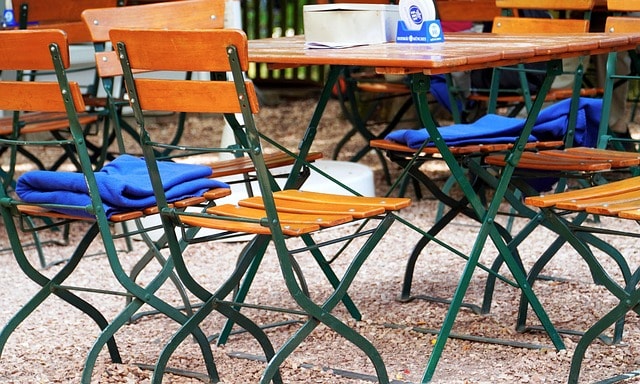
Setting up outdoor dining is a smart business move for 2025. With the right layout, durable furniture, and thoughtful ambiance, you can create a space that draws people in and keeps them coming back. Weather-resistant materials and comfortable seating ensure guests stay longer, while proper lighting and music set the perfect mood.
Seasonal menus and special events give customers new reasons to visit throughout the year. Remember to leave enough space between tables, prepare for weather changes, and maintain a clean, inviting atmosphere.
The benefits extend beyond just having extra seating. Outdoor dining spaces make your business more visible to passersby, creating interest and drawing in new customers. When people see others enjoying themselves outside your establishment, they become curious and want to experience it too.
By applying these outdoor dining strategies, you’ll increase foot traffic and boost sales while creating memorable experiences for your guests. Start with one improvement today, then build on your success. Your perfect outdoor space—and the customers it attracts—are waiting.