
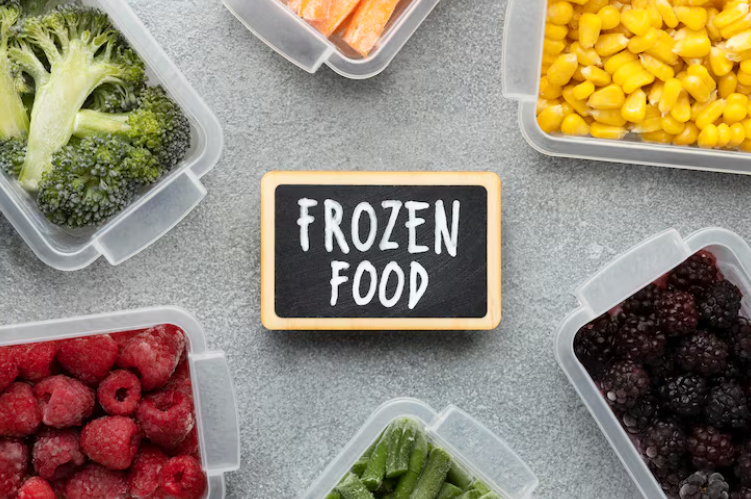

I discovered this the hard way. After running my restaurant for eight years, profits had plateaued despite positive reviews and steady customers. Then a three-month supply chain crisis forced me to pivot—we began flash-freezing our most popular dishes that customers love out of necessity.
The frozen food market has quietly transformed. It’s no longer about basic TV dinners. Today’s consumers are searching for premium frozen options that align with specific dietary needs, sustainability values, and convenience demands.
What if your signature dishes could generate income while you sleep? What if production costs could decrease while your market reach expanded?
For food businesses facing thin margins and fierce competition, frozen meals offer a practical path to higher profits. The businesses that understand this are quietly building empires, turning single locations into regional powerhouses.
The rules of the game have changed. Restaurants that once sneered at freezing their creations now build dedicated production facilities. Meal prep services that started local now ship nationwide. Food trucks expand without adding vehicles.
This guide isn’t about trends—it’s about transformation. We’ll examine exactly how frozen meals can strengthen your bottom line through proven strategies that work in today’s market. You will not need to look at any other site for this information.
Your competitors are already exploring this option. The question is: will you get there first?
Lower your delivery costs by 23%
How we reduce costs:
- No delivery vehicle expenses
- Optimized local routes
- Pay-per-delivery model
- Average 23% delivery cost reduction
Frozen Dinners Profitability Strategies: Boosting Success in 2025
Track trending meal types and adjust your offerings to meet specific dietary needs
Automate production processes to cut costs while maintaining quality
Use smart pricing models and packaging innovations to increase profits
1. Identify High-Demand Chicken Meal Types
Frozen food businesses thrive when they respond to what customers want. In 2025, successful companies use data-driven approaches to spot trends early. Food business intelligence platforms like Tastewise and SPINS provide real-time insights into consumer preferences, helping businesses make informed decisions about which meals to produce. This points to a clear opportunity for businesses willing to expand their plant-based and vegan offerings.
Plant-Based Launch Dominance: Nearly 32% of product launches in the past year were plant-based or vegetarian frozen meals.
Diet-specific meals continue to dominate the market in 2025. The key is not just producing these specialized meals but ensuring they taste good. To confirm this, many businesses rely on consumer feedback and comments.
Market Share of Plant-Based Meals: Currently, plant-based frozen ready meals make up approximately 27% of the product mix in major markets.
Regional Preferences Drive Sales
Understanding regional food preferences gives businesses a significant edge. Smart companies are creating regional production lines or adjustable recipes that can be modified to suit different markets.
2. Streamline Production Processes
Automation has transformed frozen food production. These efficiency gains directly impact the bottom line.
“Their ideal return on investment (ROI) target was 12 months, but given the severity of their labor challenges, they were willing to stretch to 18 months. In the end, the automation solution they chose came in just under their original 12-month ROI goal—making the decision an easy one once internal approvals were secured.”
Leading companies are focusing on:
Flash-freezing technology that preserves nutrient quality while increasing throughput
Robotic packaging systems that reduce waste and improve consistency
AI-powered quality control systems that catch defects before packaging
Ingredient sourcing represents another major opportunity for cost optimization. Forward-thinking companies establish direct relationships with producers, cutting out middlemen and securing better prices.
The book “Food Supply Chain Management” by Madeleine Pullman offers excellent insights into building these relationships. She argues that direct producer relationships not only cut costs but also improve quality control and reduce supply chain disruptions.
Quality Consistency Builds Customer Trust
Consistency remains the cornerstone of frozen meal success. It’s critical to verify that each batch meets your standards. Food safety issues can destroy a frozen food business overnight. Implementing Hazard Analysis Critical Control Point (HACCP) systems is no longer optional but essential.
3. Optimize Pricing Strategies
Dynamic pricing has entered the frozen food industry, with companies adjusting prices based on factors like:
Seasonal ingredient availability
Competitor pricing movements
Regional demand patterns
Time since product launch
The key is making small, frequent adjustments rather than dramatic price changes that might alienate customers. Bundled meal deals have proven particularly effective for increasing average order value. This strategy works especially well for direct-to-consumer channels where customers can pick their favorites.
Many successful companies now use tiered pricing, offering:
Budget-friendly options with simpler ingredients (entry-level)
Standard options with better ingredients and more complex recipes (mid-tier)
Premium options with restaurant-quality ingredients and chef-developed recipes (premium)
This approach allows businesses to capture different market segments without cannibalizing their core offerings.
4. Invest in Smart Packaging Solutions
Packaging innovations represent a major opportunity for frozen food businesses in 2025. Smart packaging that maintains optimal temperature longer has reduced shipping costs for companies making the switch. These advanced materials often cost more initially but pay for themselves through reduced spoilage and lower refrigeration needs during transport.
Portion control packaging has gained significant traction. This trend reflects changing household demographics and offers higher margins per ounce of food sold.
Single Household Reliance: Approximately 59% of single-person households purchase frozen ready meals as their primary meal option.
Sustainability in packaging isn’t just good ethics—it’s good business. Companies using recycled and recyclable materials report higher customer loyalty than those using conventional packaging.
QR Codes Enhance Customer Experience
Interactive packaging with QR codes linking to preparation videos, nutritional information, and recipe variations has increased customer satisfaction scores in companies that implement this technology. These digital touchpoints also provide valuable data on customer behavior and preferences.
5. Develop Direct-to-Consumer Channels
While retail partnerships remain important, direct-to-consumer (DTC) sales channels offer significantly higher margins. Subscription models for frozen meals have grown, with customers appreciating the convenience and companies benefiting from predictable demand.
Building a DTC channel requires investment in:
E-commerce infrastructure
Last-mile delivery solutions
Customer service systems
Retention marketing
The challenges of shipping frozen products directly to consumers have been largely solved through innovations in insulated packaging and route optimization software. You should notice a clear ‘buy now’ button on any successful e-commerce platform.
When addressing the question of how to increase frozen food sales, the evidence clearly points to omnichannel strategies that combine retail presence with direct consumer relationships. This balanced approach provides stability while capturing the higher margins of direct sales.
Overcoming Common Challenges in the Frozen Food Business
Every business faces obstacles, and frozen foods have their specific challenges. Energy costs represent one of the biggest expenses.
Food waste presents another significant challenge. Even with freezing, products eventually expire or suffer freezer burn.
Consumer perception remains an ongoing challenge, with some shoppers still viewing frozen foods as less healthy or lower quality than fresh options. Successful companies counter this through transparency about ingredients, flash-freezing techniques that preserve nutrients, and education about how freezing often locks in more nutrients than “fresh” foods that may have spent days in transit.
The book “Cold Chain Management” by John Ryan provides excellent strategies for addressing these challenges. It covers everything from energy optimization to transportation logistics specifically for frozen food businesses.
The frozen food industry offers substantial profit opportunities for companies willing to adapt to changing consumer preferences, invest in efficient production methods, and implement smart pricing strategies. By focusing on high-demand meal types, streamlining operations, and building direct customer relationships, businesses can achieve higher profit margins than average food industry standards.
Frozen Meal Market Trends 2025: Navigating Current Changes
The frozen meal market is experiencing major growth, with sustainability and health focus driving new developments
Technology integration is transforming production efficiency and marketing precision
Businesses face challenges in balancing cost pressures with quality and innovation demands
Embracing Sustainability
The frozen meal industry is seeing a strong shift toward sustainability in 2025. Major brands are now adopting eco-friendly packaging materials in response to growing consumer demand for environmentally responsible products. This trend is particularly strong among younger consumers who consider environmental impact when making purchasing decisions.
The packaging revolution extends beyond materials. Companies are creating innovative recycling programs for packaging waste, making it easier for consumers to participate in the circular economy. These programs not only reduce environmental impact but also build brand loyalty among environmentally conscious consumers.
Marketing campaigns now prominently highlight sustainability credentials, with transparent messaging about sourcing practices, carbon footprint, and packaging recyclability. This shift represents both an ethical choice and a business strategy as consumers increasingly make purchasing decisions based on environmental values. Companies that fail to address sustainability concerns risk losing market share to more progressive competitors.
Challenges in Sustainable Transitions
While sustainability offers clear benefits, it presents significant challenges for frozen food businesses. The primary hurdle is cost. This creates pressure on already tight profit margins. There’s also the challenge of maintaining food safety and quality with alternative packaging materials that may have different barrier properties than traditional plastic.
Some frozen food businesses have found success by phasing in sustainable practices gradually, starting with changes that offer the best balance of environmental benefit and cost efficiency.
Adapting to Health-Conscious Consumers
The health and wellness trend continues to reshape the frozen meal market in 2025. Consumers are increasingly reading nutrition labels and making choices based on health considerations rather than just convenience and taste. This shift has prompted manufacturers to reduce sodium, sugar, and preservatives in their meal ingredients without compromising flavor or shelf life.
Demand for Healthy Options: Around 28% of new launches focused on organic and low-sodium frozen meal formulations.
Packaging now prominently highlights nutritional benefits, with clear callouts for protein content, vegetable servings, and reduced sodium. Front-of-package nutrition labeling has become more detailed and transparent, going beyond legal requirements to build trust with health-conscious consumers.
Collaboration with nutritionists for meal planning has become standard practice in the industry. These partnerships add credibility to health claims and help brands develop truly nutritious options rather than just making minor tweaks to existing recipes.
Young Consumers Driving Vegan Trend: About 41% of consumers aged 18–35 actively seek vegan or vegetarian frozen alternatives.
Managing Health Claims and Regulations
The regulatory landscape for health claims on food packaging continues to evolve. Frozen food businesses must navigate increasingly strict regulations about what can be claimed on packaging. Protecting your brand trademarks is crucial when making these claims.
One significant challenge is that consumers often have their own definitions of “healthy” that may not align with regulatory frameworks. This creates a communication challenge: how to convey health benefits within regulatory boundaries while still connecting with consumer perceptions of health.
Another risk in the frozen food business relates to food safety perception. Despite evidence that freezing preserves nutrients and reduces food safety risks, some consumers still perceive frozen dinners as less healthy than fresh alternatives. Educating consumers about the benefits of flash-freezing in preserving nutrients has become an industry-wide priority.
Leveraging Technology Advances
Technology is transforming every aspect of the frozen meal business in 2025. AI-powered demand forecasting has become a competitive advantage, allowing companies to predict sales patterns with remarkable accuracy. The result is reduced waste, lower inventory costs, and fewer out-of-stock situations.
The Internet of Things (IoT) has revolutionized supply chain optimization for frozen foods. Temperature sensors throughout the cold chain monitor product conditions in real-time, alerting managers to potential problems before food quality is compromised.
Working Professionals’ Preference: Around 72% of working professionals rely on frozen ready meals at least twice a week.
Data analytics has transformed marketing efforts, enabling personalization at scale. Companies now collect and analyze customer data from multiple touchpoints, including purchase history, website interactions, and loyalty program participation. This information drives targeted marketing campaigns with messages and offers tailored to individual preferences.
Overcoming Technology Implementation Barriers
Despite clear benefits, technology adoption presents significant challenges for many frozen food businesses. The initial investment can be substantial, especially for smaller companies with limited capital.
Another common challenge is resistance to change within organizations. Successful companies approach this challenge through careful change management, involving key stakeholders in the selection process and providing comprehensive training and support.
Data privacy concerns also present challenges as companies collect more customer information. Businesses must navigate complex regulations while building trust with consumers about how their data is used. Transparent data policies and strong security measures have become essential components of customer trust.
What makes frozen food businesses profitable in 2025 is the ability to balance competing demands. Companies must meet sustainability expectations while controlling costs, improve nutritional profiles without sacrificing taste, and implement new technologies while maintaining operational stability.
The frozen food industry does face specific risks. Energy costs for freezing and cold storage remain significant. Supply chain disruptions can cause ingredient shortages or price spikes. And changing consumer perceptions require constant innovation and marketing efforts.
For businesses considering entry into the frozen meal market, the current landscape offers both opportunity and caution. The market is growing but also consolidating. Success requires either finding an underserved niche or achieving the scale necessary to compete with established brands.
Cost-Effective Frozen Meal Production: Preparing for the Future
Efficiency is key: Learn strategies to reduce production costs while maintaining quality
Smart investments pay off: Discover which equipment and processes deliver the best ROI
Optimization across operations: Understand how to streamline every aspect from ingredients to labor
With such growth potential, businesses need to focus on cost-effective production methods to maximize profits while preparing for future market demands.
Investing in Efficient Equipment
The foundation of cost-effective frozen meal production starts with the right equipment. Many food businesses operate with outdated machinery that consumes excessive energy and requires frequent repairs.
Energy consumption represents one of the largest operational expenses in frozen food production. Modern blast freezers can reduce freezing times compared to conventional freezers, cutting energy costs significantly.
The initial investment in energy-efficient equipment may seem high, but the return on investment is often favorable.
Automation Strategies for Different Business Sizes
Automation doesn’t need to be an all-or-nothing approach. Small producers can begin with semi-automated packaging systems that reduce labor needs while maintaining flexibility. Mid-sized producers should consider integrated cooking and cooling systems that maintain consistent product quality while reducing handling. Large-scale producers benefit most from fully automated production lines with robotic handling and advanced vision systems for quality control.
Preventive Maintenance as a Cost-Saving Strategy
Equipment downtime can be very costly for frozen food producers. Implementing a preventive maintenance program can reduce unexpected breakdowns.
Effective preventive maintenance involves:
Creating detailed maintenance schedules based on manufacturer recommendations
Training operators to identify early warning signs of equipment issues
Using predictive maintenance technologies like vibration analysis and thermal imaging
Maintaining an inventory of critical spare parts to minimize downtime
Documenting all maintenance activities and analyzing patterns to prevent recurring problems
Sourcing Ingredients Economically
Ingredient costs typically represent a large portion of the total production cost for frozen meals. Strategic sourcing can significantly impact profitability without compromising quality.
Building strong relationships with local suppliers offers multiple benefits beyond just cost savings. Local ingredients often require less preservation during transportation, maintaining better flavor profiles.
Cooperative Buying Strategies
Smaller producers often struggle to negotiate the volume discounts available to larger competitors. Cooperative buying groups offer a solution by combining purchasing power across multiple businesses.
Food producer cooperatives typically function in one of three ways:
Formal cooperatives with membership fees and committed buying volumes
Informal buying groups that coordinate purchases for specific ingredients
Industry association purchasing programs that offer pre-negotiated discounts
Alternative Ingredient Strategies
Ingredient substitution requires careful consideration of both cost and consumer acceptance. Successful approaches include replacing expensive proteins partially with textured vegetable proteins or legumes and using functional ingredients that maintain quality with less expensive base ingredients. It is a good idea to incorporate seasonal ingredients like corn when they’re at price lows and freezing them for year-round use.
Food scientists specializing in frozen meal development recommend creating a systematic substitution testing protocol that evaluates cost savings, nutritional impact, shelf stability, and consumer acceptance before implementing changes at scale.
Streamlining Labor Costs
Labor typically represents a significant percentage of production costs in the frozen meal industry. This growth creates both opportunities and challenges for managing labor costs effectively.
Flexible staffing models have become increasingly important as production demands fluctuate. Strategies include core-flex workforce models, cross-training employees, implementing staggered shifts, and using labor management systems to optimize scheduling.
Training as a Productivity Investment
Employee training is often viewed as an expense rather than an investment. However, well-trained employees in frozen meal production demonstrate higher productivity and create fewer quality issues.
Effective training programs for frozen food production focus on:
Food safety protocols specific to frozen products
Equipment operation optimization to maximize throughput
Quality assurance procedures that prevent costly product rejections
Problem-solving skills that reduce production line stoppages
Cross-functional knowledge that increases workforce flexibility
Technology for Inventory and Order Management
Digital transformation in inventory and order management can deliver immediate cost benefits. Keeping enough ingredients in stock is vital.
Key technologies include:
Perpetual inventory systems with barcode or RFID tracking
Demand forecasting algorithms that analyze seasonal patterns and promotional impacts
Production scheduling software that optimizes ingredient ordering and minimizes waste
Automated reordering systems that maintain optimal ingredient levels
Integration with supplier systems for streamlined ordering and delivery
Energy Efficiency and Sustainability Measures
Energy costs represent a significant portion of frozen food production expenses. With electricity prices continuing to rise, energy efficiency measures deliver direct financial benefits.
Effective energy management strategies include:
Conducting comprehensive energy audits to identify the largest consumption areas
Installing variable speed drives on motors and pumps to match energy use to actual needs
Optimizing refrigeration systems through better insulation and maintenance
Recovering waste heat from production processes to heat water or spaces
Implementing energy management systems that monitor and control usage in real-time
Sustainable Practices That Reduce Costs
Sustainability initiatives often align with cost reduction goals. Waste reduction programs typically cut disposal costs while creating opportunities for by-product revenue streams.
Practical sustainability measures include:
Converting food waste to animal feed or compost
Implementing water recycling systems in cleaning processes
Reducing packaging material thickness where possible without compromising protection
Optimizing transportation logistics to reduce fuel consumption
Installing renewable energy systems like solar panels to offset electricity costs
Future-Proofing Through Scalable Design
Planning for future growth requires careful facility and process design that allows for expansion without major disruptions.
Key scalable design principles include:
Modular production lines that can be expanded incrementally
Utility systems designed with excess capacity for future needs
Flexible spaces that can accommodate different production requirements
Strategic placement of walls and support structures to allow for expansion
Information systems that can grow with the business
Dr. Rachel Chen, author of “Scalable Food Production Systems,” notes: “The most successful frozen food producers design their facilities not for where they are now, but for where they expect to be in five years, creating paths for growth that minimize disruption.”
Marketing Frozen Meals to Boost Sales: Engaging Consumers
Strategic marketing approaches increase frozen meal sales by creating stronger customer connections
Targeted digital campaigns and loyalty programs drive repeat purchases and brand loyalty
Distribution expansion and packaging innovation address key consumer concerns
1. Harnessing Social Media
Food businesses often miss the full potential of social media for frozen meal marketing. Beyond basic posting, a strategic approach to social platforms can transform your sales numbers.
The key to social media success lies in content that highlights the quality, convenience, and versatility of frozen meals. Short-form videos showing meals being prepared in minutes, then styled and plated beautifully, break down consumer perceptions that frozen means low-quality.
Working with food influencers represents another powerful strategy. Unlike traditional advertising, influencer partnerships add a trust element that’s hard to replicate. The most successful partnerships involve sending product samples and letting influencers create authentic content rather than providing rigid scripts.
Building User-Generated Content Campaigns
User-generated content (UGC) serves as powerful social proof and can be gathered through branded hashtag campaigns or contests. When customers post their own meals made with your products, it creates authentic marketing material and builds community.
Incentivizing customers to share their meal creations through contests with prizes generates excitement and content simultaneously. Highlighting creative uses for your frozen meals—beyond basic reheating—helps consumers see expanded value in your products.
2. Implementing Loyalty Programs
Loyalty programs transform one-time buyers into repeat customers in the frozen food sector. For frozen meal companies, this represents significant revenue potential.
The most effective loyalty programs balance simplicity with meaningful rewards. Point-based systems work well, where customers earn points per purchase that can be redeemed for discounts or free products.
Referral components multiply program effectiveness. When existing customers bring in new buyers, both parties should receive benefits. This creates a powerful acquisition channel with built-in trust. The referral reward should be substantial enough to motivate action—perhaps a free meal for both parties or a significant discount on their next order sent via email.
Personalization Through Data Analytics
The most sophisticated loyalty programs use purchase data to create personalized experiences. By tracking what customers buy, companies can offer targeted rewards and suggestions that feel uniquely relevant.
Personalization extends to communication timing as well. If data shows a customer typically purchases frozen meals every two weeks, sending a reminder or special offer a day before their usual shopping time can significantly boost conversion rates.
Jeff Swystun notes: “The traditional TV dinner has been portrayed as a dirty secret consumed in isolation. This drove perceptions and created the pathetic stereotype that changed during the pandemic. Forced to eat at home, people tried different options and experienced the changes in quality and variety of frozen meals. The products are now viable options for the one, the few, and the many.”
3. Expanding Retail Distribution
Limited distribution often restricts frozen food sales growth. Even exceptional products fail without proper placement and visibility. Strategic retail partnerships create new revenue streams while building brand awareness.
Local grocery store partnerships offer an accessible entry point, especially for smaller producers. These relationships typically begin with limited SKU placement and grow based on performance.
Beyond traditional grocery, alternative retail channels present growth opportunities. Food service distributors connect producers with restaurants, catering companies, and institutional buyers. Online grocery services have transformed frozen food accessibility, with consumers showing growing comfort ordering frozen items online. Most experts agree that this trend is here to stay.
Creating Memorable In-Store Experiences
Pop-up tastings remain among the most effective retail marketing techniques for frozen foods. Sampling removes the risk barrier for consumers trying new products and addresses quality concerns directly.
In-store digital displays near freezer sections enhance visibility and engagement. QR codes on freezer doors linking to recipes, preparation videos, or discount codes create interactive experiences that engage smartphone-equipped shoppers.
4. Packaging Innovation for Consumer Appeal
Packaging serves as your most direct communication channel with consumers and significantly impacts purchasing decisions.
Transparent windows that show the actual product build trust by letting consumers see what they’re buying before purchase. This transparency addresses common concerns about frozen meal appearance versus marketing images. Resealable packaging adds value for single households or those who might not consume an entire package at once, reducing food waste concerns.
Clear nutritional information addresses health-conscious consumers’ needs. Beyond required labeling, highlighting positive attributes helps consumers make quick decisions aligned with their dietary goals.
Storytelling Through Package Design
Package storytelling builds emotional connections with consumers. Brief origin stories about your company, ingredient sourcing, or recipe development humanize your brand.
QR codes on packaging extend the consumer experience beyond the physical product. These can link to preparation videos, complementary recipes, sustainability information, or loyalty program registration.
5. Addressing Common Consumer Objections
Understanding and directly addressing consumer concerns about frozen meals removes purchase barriers. Research consistently identifies primary objections related to nutrition, ingredients, and environmental impact.
Educational marketing campaigns that highlight flash-freezing benefits can shift perceptions. Many consumers don’t realize that flash-freezing often preserves more nutrients than “fresh” produce that spends days in transit and on store shelves.
Clean label initiatives address ingredient concerns. Reformulating products to remove artificial preservatives, colors, and flavors—then prominently highlighting these changes on packaging—attracts health-conscious consumers who previously avoided frozen options.
Sustainability Communication Strategies
Environmental impact concerns require transparent sustainability communication. Detailed information about packaging recyclability, carbon footprint reduction efforts, and responsible sourcing builds trust with eco-conscious consumers.
“Frozen foods have been gaining rapid traction nowadays due to their convenience, durability and availability of healthier choices. Fast-paced lives with hectic schedules, dynamic consumer preferences and value consciousness have further intensified the need for frozen ready-to-eat solutions,” notes industry research, highlighting the importance of addressing these key consumer priorities in marketing communications.
Carbon footprint reduction stories particularly resonate with younger consumers. Highlighting how frozen meals actually reduce food waste creates positive environmental messaging.
Addressing Common Frozen Food Business Challenges
The frozen food segment faces specific challenges that marketing strategies must address. Companies that communicate transparently about any product shortages or changes build consumer trust during difficult periods.
Consumer price sensitivity presents another challenge, particularly during economic downturns. Value messaging that highlights cost-per-serving compared to restaurant meals resonates with budget-conscious consumers.
Competition from meal delivery services has intensified. Successful frozen meal companies differentiate by highlighting their advantages: immediate availability without subscription commitments, lower per-meal costs, and zero preparation time.
Public perception that frozen food lacks quality or nutrition continues to challenge the industry. Educational campaigns featuring third-party experts like nutritionists or food scientists can shift these perceptions.
By implementing these comprehensive marketing strategies, frozen meal businesses can address the key question: “How to increase frozen food sales?” The answer lies in creating authentic connections with consumers, addressing their core concerns, and delivering genuine value through both product quality and marketing engagement.
Predictions for Frozen Meals in 2025: Staying Ahead
Food businesses must adapt to coming changes in consumer preferences, regulations, and technology
Plant-based options, strict labeling, and blockchain will shape the industry
Companies that prepare now will secure market advantage in 2025
Consumer Preferences Shift
The frozen meal market is changing fast based on what customers want. Research shows health-conscious buying will keep growing through 2025. This latest news is critical for business planning.
Plant-based frozen meals will see the biggest growth. Many consumers are reducing meat intake without going fully vegetarian. This “flexitarian” approach creates huge market potential for plant-based frozen meals that appeal to mainstream eaters.
Projected Market Growth: The global plant-based frozen meals market is predicted to grow at a CAGR of 28.23% from 2024 to 2032, reaching an overall valuation of USD 283.77 billion by 2032.
Premium frozen desserts and snacks will grow faster than traditional entrees. Frozen smoothie kits and breakfast items also show strong growth potential. The key factor connecting these trends is convenience paired with perceived health benefits.
Meat Reduction Strategy: 36% of consumers favor plant-based frozen ready meals as a meat-reduction strategy.
The Local Sourcing Movement
Locally sourced ingredients will become a key selling point. Regional food producers have an advantage here, as they can highlight connections to local farms.
Beyond just “local,” consumers increasingly demand ingredient transparency. Simple, recognizable ingredient lists with minimal additives will be standard by 2025.
Regulatory Changes
Food businesses must prepare for stricter labeling requirements coming by 2025. Smart companies are redesigning packaging now rather than waiting for the enforcement date.
Health guidelines affecting food marketing will continue to evolve. Claims like “healthy,” “natural,” and “clean” face increasing scrutiny from regulators. Companies that build their marketing around specific, verifiable attributes rather than vague health claims will avoid costly rebranding.
“The rising demand for food safety is fueling the growth of the frozen food market in the future. Food safety encompasses the practices and conditions that ensure food is safe for consumption, free from contamination, and does not pose health risks,” notes a report. This consumer concern is driving regulatory change.
Traceability Requirements
Complete traceability systems will likely become mandatory for food businesses by 2025. These systems track ingredients from farm to final product, allowing for quick response during safety recalls.
The shift toward stricter traceability requirements presents an opportunity for smaller, nimble food companies. By implementing advanced systems before larger competitors, they can position themselves as industry leaders in transparency.
Technological Advancements
Blockchain technology will transform frozen food traceability by 2025. This capability allows consumers to scan a QR code and see exactly where each component originated.
Food companies should start small with blockchain implementation. Focus first on high-value ingredients or those with safety concerns.
Artificial intelligence will personalize marketing for frozen meals. AI systems analyze purchase patterns and recommend products based on individual preferences. On e-commerce platforms, adding custom filters can enhance this experience.
Vegan Segment Dominance: In 2025, frozen vegan meals hold the largest segment share at 41.5% of the vegan meals market.
Virtual Food Experiences
Virtual reality will connect distant markets to food experiences. By 2025, expect to see virtual tastings where customers sample new frozen meal lines through guided online experiences.
For small food businesses, even simple virtual experiences can be effective. Video calls with chefs explaining the inspiration behind new frozen meals build personal connections with customers.
Supply Chain Resilience
Food businesses must build more robust supply chains by 2025. Recent disruptions have exposed vulnerabilities in just-in-time inventory systems. Forward-thinking frozen food companies are diversifying suppliers and ingredients to reduce risk.
Regional production facilities will become more common as companies reduce dependency on centralized manufacturing. This approach shortens supply chains, reduces transportation costs, and allows for regional customization.
Smart inventory management using IoT (Internet of Things) sensors will become standard. These systems track inventory levels in real-time, predicting shortages before they occur.
Veganuary Growth: Veganuary participation jumped from 1.8 million people in 2024 to approximately 25.8 million people in 2025.
Climate Change Adaptation
Climate change will significantly impact ingredient availability and pricing by 2025. Smart frozen food companies are developing climate adaptation strategies now.
Forward-thinking companies view climate adaptation as both risk management and marketing opportunity. Consumers increasingly want products from companies addressing climate concerns.
Competitive Landscape Shifts
The frozen food industry will see significant consolidation by 2025. Large food corporations are actively acquiring innovative frozen food startups.
Direct-to-consumer frozen food brands will continue taking market share from traditional retail. This model allows for higher margins while maintaining competitive consumer pricing.
“Fast-paced lives with hectic schedules, dynamic consumer preferences and value consciousness have further intensified the need for frozen ready-to-eat solutions,” according to industry analysis. This market reality is reshaping how companies compete and distribute their products.
Strategic Partnerships
Strategic partnerships will become essential for frozen food growth. Complementary companies are joining forces to expand reach. For example, a frozen entree company might partner with a frozen dessert brand for co-marketing.
Cross-industry partnerships also show promise. Fitness apps partnering with frozen meal companies to suggest post-workout meals, or streaming services promoting frozen meal pairings with new shows.
Turn Frozen Food into Business Gold
As we look to the rest of 2025, frozen meals present clear paths to greater profits for food businesses of all sizes. By focusing on high-demand meal types, streamlining production, and setting smart prices, you can build a stronger bottom line. The shift toward sustainability, health-conscious options, and tech-driven operations isn’t just a trend—it’s the new standard for success.
Your frozen meal business can thrive with the right equipment investments, smart ingredient sourcing, and careful labor management. Combine these operational strengths with targeted social media marketing, customer loyalty programs, and expanded distribution to create a complete profit-boosting strategy.
The frozen food landscape is changing fast, with plant-based options growing, new regulations appearing, and technology reshaping how we connect with customers. But these changes bring opportunities for prepared business owners.
What frozen meals can do to boost your food business profits isn’t just about selling more products—it’s about building a resilient, forward-thinking operation that meets customer needs while maximizing efficiency at every step.
What will your first frozen meal profit strategy be?