
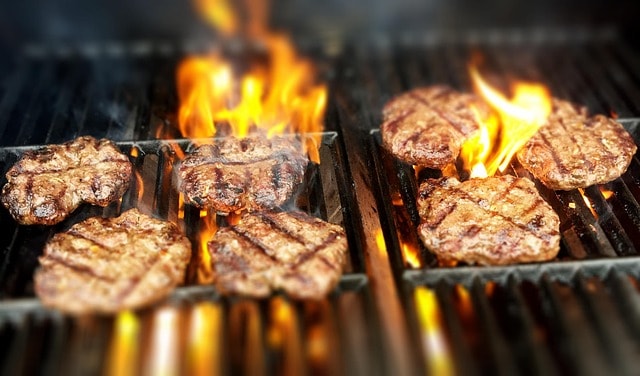

Proven Kitchen Safety Tips to Avoid Costly Kitchen Accidents in Restaurants

Learning center series

Proven Kitchen Safety Tips to Avoid Costly Kitchen Accidents in Restaurants

Kitchen Safety Tips
Keep reading related articles on Best Kitchen Knife Sets
Start delivering with Metrobi
metrobi-referral
Invite a Business, Get $1000

A line cook at Bistro Delights suffered third-degree burns when a pot handle extended into the walkway. The restaurant is now facing $45,000 in medical costs and workers’ compensation. A server slipped on a puddle caused by slippery floors that hadn’t been cleaned up, resulting in a broken wrist and potential litigation.

These aren’t rare events. Kitchen accidents cost U.S. restaurants over $300 million annually in medical expenses, lost productivity, and legal fees.

When was the last time you walked through your kitchen and looked—really looked—for potential hazards?

Most restaurant owners I talk with can’t remember. They’re too busy managing food costs, staff schedules, and customer complaints to focus on something that hasn’t happened yet.

But here’s the truth: kitchen safety tips aren’t just about avoiding accidents related to flammable materials. It’s about protecting your business from costs that could sink it.

A single serious kitchen injury can cost between $20,000 and $100,000 when you factor in medical bills, increased insurance premiums, temporary staff replacement, and potential legal expenses.

Smart restaurant owners know that kitchen safety isn’t just a legal requirement—it’s financial protection. The most successful restaurants build safety into their daily operations, turning it from an afterthought into a core business practice.

Lower your delivery costs by 23%

"Cut our delivery costs by 30% while improving service"
— Gabriel Gibson, Flamingo Estate

How we reduce costs:

  • No delivery vehicle expenses
  • Optimized local routes
  • Pay-per-delivery model
  • Average 23% delivery cost reduction

Step 1: Commercial Kitchen Safety Best Practices

  • Kitchen safety starts with proper training, layout, and maintenance

  • Consistent systems prevent the most common accidents before they happen

  • These practices directly impact your restaurant’s bottom line through reduced injuries

Implement Proper Kitchen Layout

Restaurant kitchens often operate under intense pressure. Staff rush between stations during busy service periods. A kitchen with poor traffic flow creates collision points where hot surfaces and accidents happen frequently.

The first principle of safe kitchen layout is clear separation of zones. Hot cooking areas should be separated from cold preparation areas. This prevents cross-contamination and reduces the risk of burns when staff carry items between stations. Each workstation needs at least 36 inches of clearance for staff to move without bumping into each other.

“A well-run commercial kitchen means maintaining the utmost cleanliness and safe conditions for your kitchen utensils and food preparation.” This statement from food safety experts highlights why proper kitchen layout matters. Without it, even the most careful staff will face unnecessary risks.

Equipment placement also plays a critical role in kitchen safety. Place heavy equipment at waist height to prevent back injuries from lifting. Install heat-generating equipment like ovens and grills under ventilation hoods. Keep water sources away from electrical equipment. These seemingly small details, including the use of oven mitts, prevent serious accidents in busy commercial kitchens.

Regular Equipment Maintenance

Kitchen equipment failures cause many preventable accidents. A fryer with a faulty thermostat can overheat oil to dangerous levels. A walk-in cooler with broken door seals forces staff to carry heavy items more frequently. Regular maintenance prevents these hazards.

Develop a comprehensive maintenance schedule for all equipment. Daily, weekly, monthly, and quarterly checks should be assigned to specific staff members. Simple checks include testing refrigerator temperatures, inspecting power cords for damage, and reviewing fire damage cleanup procedures. More complex quarterly maintenance might involve professional servicing of ventilation systems.

Equipment inspection checklists keep maintenance consistent. The Food Service Technology Center offers free downloadable maintenance checklists for common kitchen equipment. Using these standardized forms helps identify problems before they cause accidents. Document all maintenance activities for reference during health inspections.

Health Inspections

Over 60% of health inspection failures in restaurants result from non-compliance with updated sanitation and food handling regulations.

Enforce Personal Hygiene Standards

Personal hygiene prevents foodborne illness but also reduces physical hazards. Hair falling into food creates both contamination and potential choking hazards. Loose clothing can catch on equipment or catch fire near open flames.

Foodborne Illness

Approximately 48 million people in the U.S. experience foodborne illness each year, with restaurants responsible for nearly 60% of reported outbreaks.

You can start with clear written standards for all staff. These should include handwashing procedures, uniform requirements, and jewelry restrictions. Post visual guides at handwashing stations showing proper technique. The CDC recommends washing with soap for at least 20 seconds before rinsing.

Regular monitoring ensures compliance with hygiene standards. Assign supervisors to conduct daily hygiene checks before shifts start. This creates accountability and reinforces the importance of these practices. Address violations immediately through direct feedback and additional training if needed.

Importance of Proper Cleaning

Improper cleaning procedures are linked to nearly 60% of kitchen-related food poisoning outbreaks.

Protective Clothing Requirements

Protective clothing serves multiple safety purposes. Heat-resistant gloves prevent burns. Cut-resistant gloves reduce knife injuries. Non-slip shoes prevent falls on wet floors. Make these items mandatory, not optional.

The National Institute for Occupational Safety and Health (NIOSH) has found that restaurants with strict protective clothing policies report fewer workplace injuries. The initial investment in quality protective gear, alongside having a clear plan for contacting the fire department, pays off through reduced injury costs and fewer staff absences.

Establish Clear Safety Protocols

Written safety protocols create consistency across all staff. They provide clear guidance during normal operations and emergencies. Most importantly, they establish safety as a fundamental priority in your kitchen culture.

Your safety protocols should cover common hazards like knife handling, lifting heavy objects, and operating specific equipment. They should also address emergency responses like fire evacuation, chemical spills, and medical emergencies. Make these protocols available in multiple languages if your staff is multilingual.

Regular safety meetings reinforce these protocols. Schedule brief 10-minute meetings before shifts to discuss specific safety topics. These “toolbox talks” keep safety awareness high without disrupting operations. Record attendance to ensure all staff receive consistent information.

Invest in Proper Training Programs

Safety training is not a one-time event; It requires ongoing reinforcement and updates. New employees need comprehensive initial training. Existing staff need regular refreshers to prevent complacency.

Initial safety training should be standardized. It is better to use a combination of written materials, demonstrations, and hands-on practice. Cover all major hazards in your kitchen environment. Test comprehension through practical assessments rather than just written tests.

Cross-training improves overall kitchen safety. When staff understand multiple positions, they recognize hazards across different stations. This broadened awareness helps them work more safely in their primary roles and provides flexibility in staffing.

Training Documentation

Document all safety training thoroughly. Records should include the date, content covered, trainer name, and participants. These records protect your business during inspections or after accidents. They also help identify training gaps for individual staff members.

Many restaurant managers find value in certification programs like ServSafe and the National Restaurant Association’s Safety Certification. These standardized programs ensure thorough coverage of safety topics and provide recognized credentials for your staff.

Addressing Common Kitchen Safety Questions

Many restaurant operators want to know the most effective ways to prevent kitchen accidents. Research shows that most kitchen accidents fall into a few major categories: cuts, burns, falls, and strains. Addressing these specific risks significantly improves overall safety.

For knife safety, the five most effective prevention methods are: using sharp (not dull) knives that have sharp edges, cutting away from the body, using cutting boards with non-slip bases, keeping knives properly stored when not in use, and wearing cut-resistant gloves during preparation tasks.

The three fundamental rules that prevent most kitchen accidents are: maintain clean and organized workspaces, communicate clearly when moving through the kitchen, and never rush at the expense of safety procedures. These simple principles prevent countless injuries when consistently applied.

Preventing Falls in Commercial Kitchens

Falls cause many serious kitchen injuries. The best prevention strategies include installing non-slip flooring throughout the kitchen, requiring slip-resistant shoes for all staff, placing warning signs on wet floors, cleaning spills immediately, and keeping walkways clear of obstructions.

By implementing these commercial kitchen safety best practices, you create a foundation for accident prevention. These systems work together to identify and eliminate hazards before they cause injuries. The investment in proper layout, maintenance, hygiene standards, safety protocols, and training programs protects both your staff and your business.

Step 2: Preventing Common Kitchen Hazards

  • Prevent kitchen injuries by implementing specific hazard controls for knives, slips, and fires

  • Regular training and clear protocols reduce accidents by up to 75%

  • Addressing these common hazards helps meet safety regulations and reduces insurance costs

Proper Handling of Knives

Kitchen knives cause more injuries than any other tool in commercial kitchens. Proper handling starts with selecting the right knife for each task. A chef’s knife works for general cutting, while paring knives handle detail work, and serrated knives cut through bread and tomatoes.

Staff training should focus on the “claw technique,” where fingers curl under while cutting, keeping fingertips away from the blade. The knife should move in a rocking motion with the tip staying on the cutting board. All staff need to demonstrate proficiency before working independently in knife-heavy stations.

Importance of Staff Training

Staff training now directly impacts safety, with regular updates and documented demonstrations required to reduce violations due to human error.

Safe Knife Storage Systems

Establish a designated storage system for all knives. Magnetic strips mounted securely on walls provide visibility and quick access while keeping blades separated. Knife blocks or blade guards offer alternatives when wall space is limited. Implement a strict “never in the sink” policy – submerged knives pose serious cut hazards when washing dishes.

Store knives with blades pointing in the same direction and handles extending beyond the edge of counters to prevent accidental contact. Replace knives with damaged handles immediately, as they increase slip risks during cutting.

Managing Slip and Trip Hazards

Slips and falls account for nearly 30% of restaurant injuries. The combination of spilled liquids, food debris, and fast-paced movement creates a perfect environment for accidents. Prevention starts with appropriate flooring – commercial kitchen floors should have a coefficient of friction rating of at least 0.6 when wet.

Implement a “clean as you go” policy where staff address spills immediately. Place designated cleaning supplies at strategic locations throughout the kitchen for quick access. Non-slip mats should be placed in high-risk areas like dish pits, prep stations, and in front of cooking equipment.

Floor Maintenance Schedule

Create a comprehensive floor maintenance schedule that includes:

  • Hourly visual inspections during peak periods

  • Immediate response protocol for spills

  • End-of-shift deep cleaning with appropriate degreasers

  • Quarterly assessment of floor condition and friction level

Proper Footwear Requirements

Require slip-resistant footwear for all kitchen staff. These shoes have specialized soles with patterns designed to channel liquids away from the surface and provide better traction. The investment in proper footwear pays off through fewer injuries and workers’ compensation claims.

Establish a clear dress code policy that specifies acceptable kitchen footwear. Some restaurants provide shoe allowances or partner with suppliers for staff discounts. Regularly check staff footwear for wear patterns that might reduce slip resistance.

Addressing Fire Risks

Kitchen fires can destroy equipment, cause serious injuries, and even shut down restaurants permanently. Three primary fire types occur in commercial kitchens: grease fires, electrical fires, and combustible material fires, necessitating the need for a fire extinguisher. Each requires specific prevention and response protocols.

Preventing Burn Injuries

Burns rank among the most common kitchen injuries. Commercial kitchens contain multiple burn hazards, including stoves, ovens, steam equipment, hot oil, and heated surfaces. Prevention requires both engineering controls and safe work practices.

Staff should wear appropriate protective equipment when handling hot items. Heat-resistant gloves extend protection when working with ovens and hot pans. Long-sleeved chef coats protect arms from splatter burns and accidental contact with hot surfaces.

Hot Oil Safety Procedures

Deep fryer burns cause some of the most severe kitchen injuries. Establish strict protocols for fryer operation:

  • Never fill fryers above the maximum fill line

  • Change oil only when cool or when using specialized oil disposal systems

  • Keep ice and water away from fryer areas

  • Use proper tools for submerging and retrieving food

  • Maintain at least 16 inches of clear space around fryers

Train staff on proper food submersion techniques to prevent splashing. Items should be lowered gradually into oil, moving away from the body. Basket-shaking should happen away from other staff members.

Electrical Safety Measures

Commercial kitchens house numerous electrical appliances operating in wet, hot environments—a potentially dangerous combination. Electrical fires and shocks can cause serious injuries or equipment damage.

All electrical equipment should have ground fault circuit interrupters (GFCIs) that automatically cut power when detecting current leakage. Regular inspection of cords, plugs, and outlets helps identify damage before it causes problems.

Electrical Maintenance Protocol

Establish a monthly electrical safety check that includes:

  • Visual inspection of all cords and plugs for fraying or damage

  • Testing of GFCI outlets

  • Verification that equipment is properly grounded

  • Confirmation that cords are not creating trip hazards

  • Check for overloaded circuits or power strips

Train staff to report any electrical issues immediately and take damaged equipment out of service. Only qualified technicians should repair electrical equipment. Keep a log of electrical maintenance and repairs for each piece of equipment.

Addressing Common Kitchen Safety Questions

Many restaurant managers ask about the most critical safety rules. While comprehensive safety requires attention to many details, these five fundamental kitchen safety rules form the foundation:

  1. Clean as you go – immediately address spills, food debris, and clutter

  2. Use proper tools for each task – never improvise with the wrong equipment

  3. Communicate clearly – call out when moving with hot items or sharp tools

  4. Follow proper storage protocols – chemicals separate from food, heavy items on lower shelves

  5. Maintain proper food temperatures – keep cold foods cold and hot foods hot

Kitchen Safety Tips

About 35% of all foodborne illnesses are associated with inadequate refrigeration or improper temperature control.

For comprehensive protection, implement these ten additional safety precautions:

  • Install anti-fatigue mats to reduce slip risks and staff fatigue

  • Require cut-resistant gloves during heavy food prep

  • Post emergency contact information prominently

  • Keep first aid kits fully stocked and accessible

  • Maintain clear access to emergency exits

  • Schedule regular equipment maintenance

  • Label all chemicals properly and provide safety data sheets

  • Keep fire lanes and electrical panels unobstructed

  • Train staff on proper lifting techniques

  • Conduct monthly safety inspections with documentation

Implementing these proven hazard prevention strategies creates a safer work environment, reduces injuries, and ultimately protects your restaurant’s reputation and finances. The small investment in proper training and equipment pays significant dividends through reduced accidents, lower insurance premiums, and higher staff retention.

Step 3: Essential Restaurant Safety Equipment

  • Quality safety equipment prevents accidents and saves thousands in potential costs

  • Proper tools and protective gear create a safer workplace for all staff members

  • Regular maintenance of safety equipment is as important as having it installed

Safety equipment forms the backbone of accident prevention in busy restaurant kitchens. With over 60% of health inspection failures in the past year attributed to non-compliance with updated safety rules, proper equipment isn’t optional—it’s essential. Let’s examine the specific safety equipment your restaurant needs and how to maintain it properly.

Install Adequate Lighting

Poor visibility directly contributes to kitchen accidents. When staff can’t see clearly, the risk of cuts, burns, and falls increases significantly. Good lighting isn’t just about brightness—it’s about proper placement, consistency, and maintenance.

Kitchen lighting serves multiple purposes: it helps staff see potential hazards, improves food preparation quality, and creates a safer work environment. For food preparation areas, aim for lighting that’s bright enough to clearly see knife cuts and food coloration.

Install lighting fixtures that cover all areas without creating shadows. Pay special attention to corners, under counters, and storage areas that might otherwise remain dark. LED fixtures are particularly effective as they provide consistent lighting without excessive heat generation, which is beneficial in already-hot kitchen environments.

Use Safety Guards and Barriers

Equipment with moving parts presents significant injury risks in restaurant kitchens. Safety guards and barriers provide physical protection that prevents accidents before they happen.

Food processors, slicers, mixers, and grinders should all have manufacturer-approved guards installed. These guards prevent hands and fingers from contacting moving blades and other dangerous components. Never remove guards to speed up work—this common shortcut leads to serious injuries.

Provide Personal Protective Equipment (PPE)

Personal Protective Equipment serves as the last line of defense when other safety measures fail. The restaurant industry spends more than $2 billion annually on workplace injuries related to various appliances, with 31% of reported injuries resulting in missed work days. Proper PPE significantly reduces these numbers.

Every kitchen should maintain an adequate supply of various protective items sized appropriately for all staff members. Having the right equipment available is only effective if employees know when and how to use it properly.

Essential Kitchen PPE Items

Stock your kitchen with these basic protective items:

  • Heat-resistant gloves rated for at least 450°F for handling hot items

  • Cut-resistant gloves (steel mesh or Kevlar) for knife work and cleaning slicers

  • Non-slip, closed-toe shoes with oil-resistant soles

  • Waterproof aprons for dishwashing and cleaning tasks

  • Heat-resistant aprons for cooking stations

  • Face shields for cleaning with strong chemicals

  • Hair restraints and beard nets for food safety

For burn prevention, provide pot holders along with heat-resistant gloves at cooking stations and near ovens. These should be easily accessible so staff won’t skip using them when in a hurry. Cut-resistant gloves should be standard procedure when using slicers or performing high-volume knife work.

Install Proper Flooring and Mats

Slip and fall accidents account for a significant percentage of restaurant injuries. The right flooring and mat systems create safer movement throughout the kitchen.

Non-slip flooring with a high coefficient of friction is essential in commercial kitchens. Look for flooring certified specifically for commercial food service environments. These surfaces maintain their grip even when wet or greasy.

Strategic placement of drainage systems helps prevent water accumulation in high-traffic areas. Proper grading of floors toward drains eliminates standing water that could cause slips.

Fire Suppression and Prevention Systems

Kitchen fires can quickly become catastrophic. Modern fire suppression systems provide automatic response to fire emergencies, often activating before staff even notice the danger.

Every commercial kitchen requires a fire suppression system designed specifically for cooking equipment. These systems typically include nozzles positioned above cooking surfaces that automatically discharge fire-suppressing chemicals when triggered by excessive heat.

Regular inspection of these systems is not just good practice—it’s legally required. Schedule professional inspections every six months and maintain detailed records of all testing and maintenance.

First Aid and Emergency Response Equipment

Despite best prevention efforts, accidents can still occur. Having the right emergency response equipment readily available minimizes injury severity and demonstrates commitment to staff safety.

Every kitchen should maintain a fully stocked first aid kit located in easily accessible areas. These kits should contain supplies specifically relevant to common kitchen injuries like burns, cuts, and eye injuries. Consider wall-mounted kits with clear labeling to ensure quick access during emergencies.

For burn treatment, specialized burn care kits should be available near cooking stations. These kits typically include burn gels, sterile dressings, and cooling packs designed specifically for thermal injuries.

Temperature Monitoring Equipment

Temperature monitoring plays a crucial role in both food safety and equipment safety. Reliable monitoring tools help prevent equipment overheating that could lead to fires or burns.

Equip your kitchen with various temperature measurement devices, including:

  • Infrared thermometers for surface temperature checks

  • Probe thermometers for internal food temperatures

  • Oven thermometers to verify cooking equipment accuracy

  • Refrigeration thermometers for cold storage monitoring

  • Oil temperature gauges for fryers

Modern kitchens increasingly use automated temperature monitoring systems that alert staff when temperatures fall outside safe ranges. These systems create a continuous record of temperature data, which helps with both safety compliance and troubleshooting equipment issues.

Regular calibration of all temperature devices ensures accuracy in monitoring your appliances. Schedule monthly verification checks using ice water baths (32°F/0°C) and boiling water (212°F/100°C at sea level) to confirm thermometer readings.

Regular Temperature Checks

Regular and documented temperature checks are now a major compliance requirement in 2025, with automated monitoring systems recommended.

Step 4: Employee Kitchen Safety Training

  • Training staff reduces accidents by up to 70%

  • Consistent safety programs lower insurance costs

  • Well-trained employees make fewer costly mistakes

Conduct Regular Safety Drills

Safety drills are not optional extras in restaurant kitchens—they’re essential practices that save lives and prevent injuries. Restaurant kitchens present unique hazards that require staff to develop muscle memory for emergency responses. When real emergencies happen, people don’t rise to the occasion; they fall to their level of training.

Quarterly emergency drills should cover different scenarios: fire emergencies, gas leaks, severe cuts, burns, and evacuation procedures. Each drill should have clear objectives and performance metrics. For example, timing how long it takes for all staff to safely exit the building during a fire drill or checking if proper shut-off procedures are followed during a simulated gas leak.

Creating Effective Drill Scenarios

Develop realistic scenarios based on actual kitchen hazards. For a fire drill, designate a specific location as the “fire source” and have staff practice using the correct fire extinguisher type. For medical emergencies, use role-playing with one staff member acting as an injured person while others practice first aid response. These hands-on exercises create practical knowledge that textbook training cannot match.

After each drill, conduct a thorough debrief session. Ask questions like: “What went well?” “What could we improve?” “Did everyone understand their role?” Document feedback and use it to refine future drills. These review sessions transform mistakes into learning opportunities rather than potential disasters.

Ongoing Education and Workshops

One-time training doesn’t create lasting safety habits, especially when children are involved in the kitchen. Safety knowledge, like knife skills, requires regular practice and updates. Monthly safety workshops keep safety awareness fresh and help integrate new staff into your safety culture.

Each workshop should focus on a specific aspect of kitchen safety, rotating through topics like knife handling, fire safety, proper lifting techniques, chemical handling, and equipment operation. These focused sessions allow for deeper learning than trying to cover everything at once.

Encourage Communication

Safety problems thrive in environments where staff fear reporting issues. Creating open communication channels about safety concerns directly impacts your accident rate and kitchen culture.

An effective open-door policy means more than saying “my door is always open.” It requires active listening when concerns are raised and visible follow-through on legitimate issues. Restaurant managers should designate specific times when staff can discuss safety concerns without fear of interruption or reprisal. Some restaurants implement anonymous reporting systems where staff can submit safety concerns through a drop box or digital form.

Measuring Training Effectiveness

Safety training is an investment that should show measurable returns. Track key metrics to determine if your training program is working:

  • Accident frequency rates (before and after training)

  • Severity of incidents when they do occur

  • Number of safety violations identified during inspections

  • Staff knowledge retention (through testing)

  • Near-miss reporting frequency

Kitchen Safety Tips

Kitchen Safety Tips

Restaurant kitchen safety isn’t just about following rules—it’s about protecting your business, your staff, and your customers. By implementing proper kitchen layouts, maintaining equipment, preventing common hazards, and investing in staff training, you create a foundation for success that goes beyond safety alone.

When your kitchen runs safely, you save money on potential lawsuits, equipment repairs, and workers’ compensation claims. More importantly, you build a positive workplace where staff feel valued and protected. This leads to better retention, higher productivity, and improved food quality.

Remember that safety isn’t a one-time effort but an ongoing commitment. You can start by tackling one area at a time—perhaps begin with slip prevention or knife safety training. Document your improvements and celebrate safety milestones with your team.

The most successful restaurants don’t view safety as a burden but as a competitive advantage. By making safety part of your restaurant’s DNA, including prevention of cooking fire, you’ll not only avoid costly accidents but also build a reputation for excellence that keeps customers coming back and staff proud to be part of your team.

About the Author

Picture of Joao Almeida
Joao Almeida
Product Marketer at Metrobi. Experienced in launching products, creating clear messages, and engaging customers. Focused on helping businesses grow by understanding customer needs.
Related posts
In this article
Best Kitchen Knife Sets
Learning center articles
Other Learning Center Subjects