

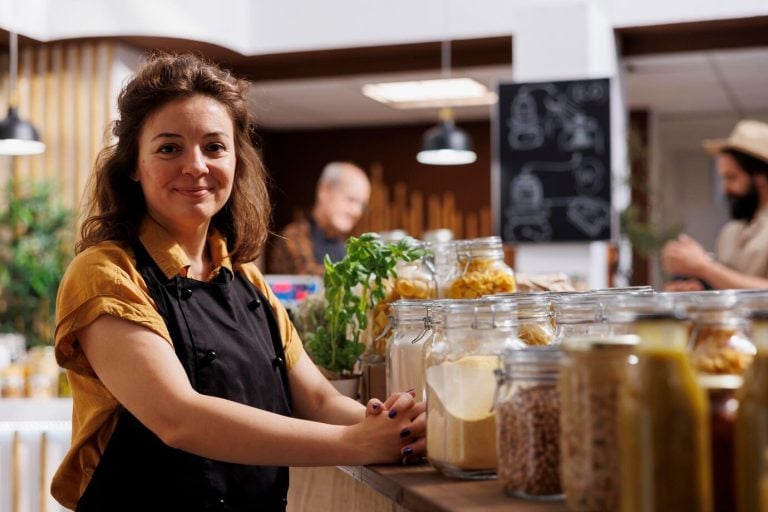

Have you ever watched someone pay $15 for a sandwich you could make at home for $3? That’s not just lunch—that’s a business waiting to happen. The gap between your cooking skills and someone’s willingness to pay for good food isn’t just an opportunity—it’s cash left on the table.
Food entrepreneurship isn’t about fancy culinary school degrees or million-dollar investments. It’s about seeing what others miss: hungry people willing to pay for solutions to their food problems.
Food businesses have one of the lowest barriers to entry in the food entrepreneurship world. Your grandmother’s cookie recipe could be funding your retirement if you take the right steps now.
The most common mistake? Waiting for perfect conditions. There aren’t any. The second biggest mistake? Thinking you need to quit your job tomorrow. You don’t.
What separates successful food entrepreneurships from dreamers isn’t talent—it’s action. Small, consistent steps toward a clear goal beats grand plans that never leave your kitchen.
In 2025, the food industry is seeing explosive growth in three specific areas we’ll cover in this guide. The market is hungry for authenticity, convenience, and experiences—all things a passionate food entrepreneurship can provide without massive capital.
Ready to transform your culinary arts knowledge and skills into actual income? Let’s break down the practical steps to get your food business generating revenue this month—not someday.
Save 80% of delivery management time
We handle everything:
- Dedicated operations manager
- Real-time tracking dashboard
- Automated customer notifications
- Urgent issue resolution
How to Turn Your Passion into a Profitable Business with Food Entrepreneurship
Identify what makes you unique in the food world.
Create a strong plan to guide your efforts.
Find funds and tools to get started.
Identify Your Niche and Offer with Culinary Arts
Finding your niche starts with identifying what makes your food product unique. Consider what inspires you about food and what you’re truly passionate about. This helps create a personal connection with both the business and your customers. Once you pinpoint your passion, you need to zoom in on specific offerings. Maybe it’s a certain cuisine, ingredient, or style of presentation.
Test your ideas on a small scale to see how they are received. Host events such as a pop-up dinner, join a local food market, or even leverage an online preview. You should collect feedback. What do people love? What needs improvement about your culinary arts? Use this input to refine your offer. This step not only builds your product but also starts building customer relationships.
Develop a Clear Business Plan by Culinary Education and Online Courses
A business plan sets the foundation. Start by mapping out your vision: What do you want to achieve in the food industry? Then, set specific goals and the strategies you’ll use to reach them. This could include marketing tactics, customer service policies, and partnership initiatives.
Detail your operations, costs, and income streams. It is better to be realistic and thorough. Estimate production costs, potential price points, and expected sales volume. Consider using a financial template or software for clearer projections.
Remember, flexibility is key. As you gain real-world experience, be prepared to pivot. Business plans are living documents and should evolve as you learn.
Financial Planning and Projections of Food Entrepreneurship
Mention the relevant points. Calculate the breakeven point—the moment when your total earnings match your spending. Having this figure offers a clear financial goal. Keep updating your plan as your business grows to maintain clarity and purpose.
Secure Initial Funding and Resources To Have a Successful Food Business
Starting with the money part, explore different funding routes. You may dip into your savings, apply for bank loans, or turn to family and friends. Another popular method is crowdfunding. Platforms like Kickstarter or Indiegogo can gain you both funds and followers. In fact, crowdfunding is often successful for food projects needing $25,000 or less.
Equipment and Permitting for Successful Food Business
List the necessary items and permits for your type of food business. Include prices and sources, if possible, to streamline procurement. Some cities may have different requirements for food labeling, so always check local regulations.
By following these basic steps above, you align your passion for food with smart business tactics. As you build your business, remember that the market holds opportunities but also challenges. With thorough planning and execution, you can be part of the vibrant, growing food industry. If you’re eager to dive deeper into the specifics of launching your venture, check out this comprehensive guide on starting a successful foodstuff business. It outlines essential strategies and tips to help you kickstart your entrepreneurial journey!
Effective Marketing Strategies for Food Entrepreneurship
Social media boosts brand trust.
Collaborations expand your reach.
Online presence drives customer decisions.
Leverage Social Media to Build Your Brand
Social media is an essential tool for food entrepreneurship to grow their brand. In today’s world, 82% of restaurants are using social media. It’s a place to share engaging content and tell your story. When your audience connects with your story, they trust you more. This can lead to stronger brand loyalty. An effective tactic is to interact directly with followers by responding to comments and messages. This personal touch helps build a community around your brand.
Targeted ads can play a significant role too. They allow you to reach potential customers beyond your existing audience. Platforms like Instagram offer higher interaction rates for restaurants, making them ideal for marketing. Instagram can offer a 2.2% per-follower interaction rate for restaurants. Consider using social media analytics tools to understand what’s working. This can help refine strategies for better results.
Collaborate with Other Small Food Businesses and Food Companies
Forming partnerships with local suppliers or fellow food entrepreneurship can help spread the word about your business. Sharing similar audiences can be mutually beneficial. Partnerships can be through joint events or promotions. A growing trend is combining efforts on social media campaigns. Corporate events are an ideal area since 48% of caterers see this as a major growth avenue. Hosting such events can introduce your products to new audiences.
One key benefit of collaboration is expanding your reach. When businesses partner, they tap into each other’s customer bases, offering exposure to new potential customers. This is especially beneficial if both brands complement each other. A classic example is coffee shops partnering with local bakers to offer a unique, combined product offering to consumers.
Utilize Local and Online Markets For Food Entrepreneurship
Engaging with local markets and fairs can be a vital step for food entrepreneurs. These venues offer face-to-face interaction with potential customers, providing a personal touch. Moreover, online presence is crucial for reaching wider audiences. Offering an easy-to-navigate online shop is essential for accessibility. Encourage feedback through reviews and testimonials, as 92% of food consumers check reviews before visiting a place.
Consider hosting pop-up shops or food trucks to take your products directly to consumers. This strategy can help validate the business concept and gather on-the-spot feedback. Testing different locations or events can offer insights into preferred customer locations and preferences.
One myth is that an online presence is secondary to physical locations. However, 32% of people check a restaurant’s website after seeing it on social media. This shows the power of a dual approach. The goal is to ensure your restaurant management brand stays consistent across all platforms.
Top Trends in Different Types of Profitable Food Business Models
Health and sustainability are key focuses. Customers want healthy and eco-friendly food.
Convenience is crucial. Offer subscription services and fast delivery.
Unique experiences attract. Emphasize authentic and diverse food adventures.
Health and Sustainability-Focused Models For Food Entrepreneurs
Adopting health and sustainability in your business is important. Many consumers are now conscious of what they eat and how it affects the earth. Implementing a menu with healthy and eco-friendly options can draw a larger crowd. According to recent studies, the health and wellness food market is on track to hit $1 trillion by 2027. This shows a growing interest in healthy dining.
Subscription-Based and Delivery Services Of Food Entrepreneurs
Subscription services and delivery in food businesses address consumer need for convenience. Over 40% of adults prefer delivery or takeout several times a month. This preference opens opportunities for subscription models. These models provide items like weekly meal kits or theme boxes. The meal kit market is anticipated to expand a lot, adding about $4.9 billion between 2024 and 2028.
Efficient logistics ensure that food remains fresh and of good quality. Investing in technology that aids quick and precise delivery can set small businesses further apart. Flexibility in subscription plans also attracts busy customers. They want ease of use, and being able to pause or customize can be appealing.
Authentic and Diverse Culinary Experiences
Creating authentic and diverse culinary experiences can captivate many. Consumers crave unique stories through food. Offering foods that feature cultural tales allows patrons to engage deeply. Ethnic flavors are in high demand, with 82% of customers ordering them eagerly. A significant portion is even willing to pay a premium for authenticity.
Engaging experiences don’t stop at the menu. Consider using pop-ups and food tours. These can provide interactive experiences and adapt to shifting trends. Ensuring adaptability in offerings is key. Understand what customers like and stay open to changes. Highlighting local cuisines can boost attractiveness. As culinary tourism surges, local dishes become what travelers desire most.
Predictions for Food Entrepreneurship in 2025
Passion drives creativity and resilience.
Technology is reshaping the food landscape.
Community focus boosts loyalty and trust.
Why Passion is Essential to Entrepreneurship
In 2025, passion for food safety remains a core driver for those entering the food industry. Passion fuels resilience. When challenges arise, having genuine interest helps food entrepreneurs push through tough times. The passion for food creation leads to innovation by inspiring new and unique offerings, setting apart businesses in a crowded market.
Over the past year, creativity has taken center stage. New dishes and dining experiences emerged rapidly. Entrepreneurs continually need to learn and adapt. Being passionate motivates researching trends, attending workshops, training and collaborating with others. This ongoing education enables them to keep up with the fast-paced market.
Increasing Role of Technology in Food Industry
Technology is reshaping every stage of the food chain. Over the past year, AI-powered logistics and automated kitchens gained traction. These tools streamline operations, cut costs, and improve efficiency. Many businesses began using data analytics to extract customer insights. This helps predict trends and personalize offerings, enhancing customer satisfaction.
While virtual and augmented reality technologies are still in their early stages, their potential is vast. They can offer immersive experiences, like virtual tours of farms or interactive cooking classes. In 2025, entrepreneurs should consider integrating these tools with business skills to attract tech-savvy customers.
To stay ahead, invest in the latest tech innovations. Automated solutions can help deliver consistent quality. Use data tools to refine marketing efforts and better understand customer needs. Embracing technology could increase productivity and drive growth.
Emphasis on Community and Local Connections
The last year highlighted the importance of community connections. Collaborations with local businesses and agriculture also became vital. Such partnerships created a credible brand image and strengthened community ties, leading to increased brand loyalty. Supporting local farmers and producers not only helped the economy but also appealed to conscious consumers seeking sustainable choices.
As Danielle Gould said, “The future of food is about connection – connecting people to where their food comes from…” Local engagement and collaborations will deepen in 2025. Entrepreneurs can host community events or join local markets. This approach fosters direct interaction, allowing feedback and building trust.
To capitalize on this trend, prioritize local sourcing and transparent messaging about product origins. Participation in community events can broaden your customer base. Consider forming partnerships with other local businesses to enhance both reach and impact. These efforts strengthen communal ties and highlight your business side commitment to local growth.
Career Paths in Food Entrepreneurship
Starting a food business is a step-by-step process that begins with your passion for food and ends with a business that brings joy to customers and income to you. By finding your unique place in the market, planning carefully, and securing the necessary resources, you lay the foundation for success. Smart marketing through social media, business partnerships, and local events helps you build a following that values what you offer.
The food business is changing, with health-focused options, subscription services, and special food experiences leading the way. Your passion will keep you going when things get hard and push you to keep learning and growing. Technology will make your work easier, while connections with your community will make your business stronger.
As you begin this food business journey, remember that each small step moves you forward. You can start with what you know, learn what you don’t, and be open to change as you grow. Your love for food can become a business that feeds both your customers and your dreams. The time to start is now.