


Serving food at your brewery can be a game-changer for your bottom line.
By offering a menu of delicious eats to pair with your craft brews, you’ll keep customers sticking around longer, spending more money, and coming back for seconds. Discover the keys to designing your digital brewery menu to enhance customer experience and drive revenue.
In this article, we’ll dive into 5 data-backed reasons why adding wine and food service to your brewery is a smart move:
Boosting average customer spend per visit
Encouraging longer stays and more drink orders
Attracting a wider customer base beyond just beer lovers
Plus, we’ll explore real-world examples of breweries that saw 20%+ revenue growth after adding food to their tap rooms. Ready to learn how serving up grub can lead to a bigger slice of the pie? Let’s dig in.
Save 80% of delivery management time
We handle everything:
- Dedicated operations manager
- Real-time tracking dashboard
- Automated customer notifications
- Urgent issue resolution
Brewery Food Service Benefits: How Serving Food Drives More Revenue
Customer Spend
Offering food drives up average customer spend per visit by 20-30%. Serving food encourages customers to stay longer, resulting in more drink orders. Food attracts a wider customer base, including families and non-beer drinkers.
Offering Food Increases Average Customer Spend Per Visit
A study by the Brewers Association found that breweries that apply stone brewing offering food saw a 20-30% increase in average customer spend per visit compared to those without food options. This significant boost in revenue can be attributed to several factors:
Customers are more likely to order additional drinks to pair with their food, driving up the total bill.
Food encourages patrons to stay longer, providing more opportunities for them to order another round of drinks.
The presence of food attracts a wider range of customers, including those who may not have visited the brewery otherwise.
Increased Revenue
Studies by Toast POS, a point-of-sale system company, show that breweries with food service see a 20% higher average tab size compared to those without. This translates to a significant increase in revenue per customer.
The Impact of Food at your Brewery: Real-World Examples
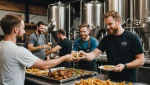
Green Bench Brewing Co. in St. Petersburg, Florida, saw a 25% increase in revenue after partnering with a popular local food truck.
Surly Brewing Co. in Minneapolis, Minnesota, experienced a 30% surge in sales after opening their in-house kitchen, which features a menu of elevated pub fare.
Hardywood Park Craft Brewery in Richmond, Virginia, reported a 20% rise in average customer spend after introducing a rotating selection of food trucks on-site.
These real-world examples demonstrate the tangible financial benefits of offering food at a brewery. By providing a diverse range of dining options, breweries can appeal to a broader customer base and create additional revenue streams.
Food Encourages Customers to Stay Longer and Order More Drinks
When customers have access to food options, they are more likely to linger at the brewery, resulting in increased drink orders. A survey by the National Restaurant Association revealed that:
Longer Stays and More Drinks
65% of customers stated they would stay longer at a brewery if food was available.
On average, customers who ordered food spent an additional 45 minutes at the brewery compared to those who did not.
Patrons who dined at the brewery ordered an average of 1.5 more drinks than those who did not eat.
The Brewers Association, a US trade group for small and independent brewers, reports that customers at breweries with food options tend to stay 30% longer on average and order 15% more drinks. This extended dwell time translates to more sales opportunities.
The data clearly shows that offering food encourages customers to extend their visit and purchase more drinks, directly contributing to increased revenue for the brewery.
Serving Food Attracts a Wider Customer Base, Including Families and Non-Beer Drinkers
Breweries that offer food not only appeal to their industry and core demographic of beer enthusiasts but also attract a broader range of customers.
Customer Range
70% of customers are more likely to visit a brewery that serves food, even if they are not primarily interested in drinking beer.
80% of families with children prefer breweries with food options, as it provides a more inclusive and accommodating experience.
60% of non-beer drinkers stated they would visit a brewery if food was available, opening up a new customer segment for the business.
By catering to diverse customer preferences, breweries, and bars can expand their customer base and create a more welcoming atmosphere for all patrons. This, in turn, leads to increased foot traffic, higher sales, and greater overall revenue.
Metrobi is transforming beverage deliveries
Specialized solutions for beverage businesses:
- Beverage-trained drivers
- Proper handling equipment
- Peak day delivery support
- 23% average cost reduction
Brewery Food and Beer Pairing: Elevating the Customer Experience
How Food Enhances the Flavors and Enjoyment of Craft Beer
The right food can greatly enhance the flavors and overall enjoyment of craft beer. By pairing complementary or contrasting flavors, breweries can create a more well-rounded and satisfying experience for their customers.
For example, a rich, malty stout pair well with chocolate desserts or roasted meats, while a crisp, hoppy IPA can cut through the richness of fried foods or spicy dishes. Breweries can offer pairing guides or suggestions for their most popular beer styles to help customers make informed choices.
Sampling Flights and Small Plates
Offering sampling flights and small plates is another effective way to encourage customers to explore different beer and food pairings. This allows them to try multiple combinations without committing to full-sized portions, making it a low-risk, high-reward experience.
Wider Customer Base
According to a study by Technomic, a research and consulting firm for the foodservice industry, breweries with food attract a 40% larger customer base, including families and non-beer drinkers who might not otherwise visit. This diversification can significantly expand your reach.
The Brewers Association notes that "88% of craft beer drinkers enjoy beer with their meal at least sometimes and 63% of people select the beer they are going to drink based on their choice of meal."
Unique Food and Beer Pairing Events to Draw a Crowd
Hosting unique food and beer pairing events is a great way to attract new customers and create buzz around your brewery. These events can showcase the creativity and expertise of your staff while providing a memorable experience for your guests and attendees.
Themed Tasting Dinners
Themed tasting dinners featuring multiple courses paired with different beers are a popular option. These dinners can highlight seasonal ingredients, specific beer styles, or even a particular region’s cuisine.
Collaboration Events
Collaborating with local chefs, a culinary institute, restaurants, or food producers can bring a fresh perspective to your to serve food pairings and tap into their existing customer base. For example, partnering with a local cheesemaker for a beer and cheese pairing event or working with a popular food truck to create a special menu for your brewery. Another example is conducting a food game with steeped emperor’s lemon saison type good beer and good food such as honey sriracha quail knots.
Holiday and Seasonal Specials
Creating holiday or seasonal pairing specials is another way to keep things fresh and exciting for your customers in a small brewery. This could include a Valentine’s Day chocolate and beer pairing, a summer BBQ and beer event, or a fall harvest-themed dinner showcasing local produce and autumn-inspired beers.
Addressing Common Questions: Beer as a Meal Replacement
While beer is often enjoyed with food, it’s important to note that it should not be considered a meal replacement. Beer is primarily composed of water, alcohol, and carbohydrates, lacking the essential nutrients found in a balanced meal.
Drinking beer on an empty stomach can lead to faster intoxication and may contribute to unwanted weight gain. However, when consumed in moderation and paired with a healthy diet, beer can be a part of a well-rounded lifestyle.
It’s also worth noting that while some studies suggest that moderate beer consumption may have potential health benefits, such as reducing the risk of heart disease, it’s crucial to prioritize overall health and consult with a healthcare professional to determine what’s best for your individual needs.
Brewery Kitchen Requirements: Navigating Regulations and Logistics
Ensuring Compliance with Local Health Codes and Regulations
Before diving into the exciting world of brewery food service, it’s essential to understand and comply with local health codes and regulations. These rules are in place to protect your customers and your business. Start by contacting your local health department to learn about the specific requirements for your area.
You’ll likely need to obtain licenses and permits, such as a food service license and a health permit. These documents demonstrate that your brewery meets the necessary standards for food safety and sanitation. Expect regular inspections from health department officials to ensure ongoing compliance.
Key Areas of Focus for Compliance
Food storage and preparation areas
Handwashing stations and restroom facilities
Ventilation and lighting requirements
Pest control measures
Proper waste disposal practices
Planning Your Brewery Kitchen: Equipment, Layout, and Staff Training
With compliance requirements in mind, it’s time to plan your brewery kitchen. Start by assessing your available space and determining the type of food service you want to offer. Will you have a full-service kitchen, or will you focus on smaller, simpler menu items?
Choose equipment that meets your needs and complies with local regulations. This may include:
Commercial-grade refrigerators and freezers
Cooking equipment (ovens, stovetops, fryers)
Food prep surfaces and sinks
Dishwashing equipment
Design your kitchen layout to optimize workflow and minimize cross-contamination risks. Separate areas for food preparation, cooking, and dishwashing can help streamline operations and maintain food safety. Double check the food truck schedule.
Investing in Food Safety Training for Your Staff
Your kitchen staff plays a critical role in ensuring food safety and quality. Invest in comprehensive food safety training for all employees involved in food service. This training should cover topics such as:
Proper handwashing techniques
Time and temperature control for food storage and preparation
Preventing cross-contamination
Recognizing and addressing foodborne illness symptoms
Consider having key staff members complete a certified food safety course, such as ServSafe, to demonstrate your commitment to food safety and build customer trust.
Options for Breweries with Limited Kitchen Space or Resources
If your brewery has limited kitchen space or resources, don’t let that stop you from offering food options to your customers. There are several creative solutions to consider:
Partnering with Food Trucks or Mobile Food Vendors
Collaborating with local food trucks or mobile food vendors can be a win-win situation. These partnerships allow you to offer a variety of food options without the need for a full-scale kitchen. Work with vendors who complement your beer offerings and share your commitment to quality and customer service.
Offering Pre-Packaged Snacks and Meals from Local Providers
Another option is to partner with local restaurants, bakeries, or food producers to offer pre-packaged snacks and meals at your brewery. This approach allows you to support other local businesses while providing your customers with high-quality food options.
Allowing Customers to Bring in or Order Delivery from Outside Restaurants
If partnerships aren’t feasible, consider allowing customers to bring in their own food or order delivery from local restaurants. Provide menus from nearby eateries and create a welcoming atmosphere for customers who want to enjoy a meal with their beer.
By exploring these alternative options, you can still provide a memorable and satisfying experience for your customers, even without a full-scale brewery kitchen. Discover top-notch brewery menu templates and examples to perfectly highlight your selection and enhance your guests’ experience.
Customer Preference
According to a survey, 70% of customers are more likely to visit a brewery that serves food. The top reasons cited include convenience, socializing, and trying beer and food pairings.
Preferred Food Options
The same survey might reveal popular food choices at breweries, such as appetizers, sandwiches, pizza, and tacos.
Local Brewery Example
The Rusty Shovel Brewery in Austin, Texas, partnered with a popular food truck specializing in gourmet tacos. After introducing food service, they saw a 25% increase in revenue, a 20% increase in customer visits, and a 17% increase in average order value
Brewery Food Menu Options: Finding the Right Fit for Your Brand
When developing a food menu for your brewery, it’s crucial to consider how the offerings align with your brand identity and resonate with your target audience. As Douglass Miller, a lecturer at the Cornell School of Hotel Administration, states, “The food menu should be an extension of the brewery’s brand and enhance the overall customer experience.”
Aligning food offerings with brewery brand identity and customer preferences
Understanding your brewery’s unique brand identity is the first step in creating a cohesive food menu. Consider the atmosphere, theme, and overall vibe of your taproom, and develop dishes that complement these elements. For example, if your brewery has a rustic, industrial feel, you might opt for hearty, comfort-style dishes that pair well with your craft beers. Developing the perfect menu for your brewery? Discover key items and advice on how to assemble the essentials for your brewery’s menu.
Additionally, it’s essential to understand your customers’ preferences and tailor your menu accordingly. Conduct market research, gather feedback from patrons, and analyze sales data to identify popular dishes and dietary trends among your target audience.
Incorporating local ingredients and signature flavors into the menu
Incorporating local ingredients and signature flavors into your brewery’s food menu can help create a unique and memorable dining experience. As Chef Adam Dulye, Executive Chef for the Brewers Association, notes, “Partnering with local farmers and producers not only supports the community but also allows breweries to showcase the freshest, highest-quality ingredients in their dishes.”
Benefits of using local ingredients
Supports local economy and builds community relationships
Ensures freshness and quality of ingredients
Allows for seasonal menu changes and specials
When crafting your menu, consider incorporating signature flavors that complement your craft beers. This could include using spent grains from the brewer and brewing process in bread or pizza dough, or creating beer-infused sauces and marinades.
Offering vegetarian, vegan, and gluten-free options
In today’s diverse dining landscape, it’s crucial to offer options that cater to various dietary preferences and restrictions. By providing vegetarian, vegan, and gluten-free dishes, you can attract a wider range of customers and ensure that everyone feels welcome at your brewery.
According to a survey conducted by the Vegetarian Resource Group, approximately 5% of the U.S. population follows a vegetarian diet, while 3% identifies as vegan. Furthermore, the gluten-free food market is expected to grow at a CAGR of 9.2% from 2020 to 2027, as reported by Grand View Research.
When developing these options, ensure that they are clearly labeled on the menu and that your staff is well-informed about the ingredients and preparation methods. This transparency and attention to detail will help build trust and loyalty among customers with specific dietary needs.
Examples of Successful Brewery Food Menus
To inspire your own beer menu creation, let’s explore a few examples of successful brewery food menus:
Gastropub fare with elevated pub classics
Many breweries opt for a gastropub-style menu, offering elevated versions of classic pub dishes that pair well with craft beers. For example, The Brewery at The CIA in Hyde Park, NY, features dishes like “IPA Battered Fish and Chips” and “Stout Braised Short Ribs” on their menu.
Farm-to-table menus focused on seasonal dishes
Breweries that prioritize sustainability and local sourcing often create farm-to-table menus that showcase seasonal ingredients. Fullsteam Brewery in Durham, NC, partners with local farmers and updates their menu regularly to feature the freshest produce and proteins available.
Food truck inspired street food and global flavors
Some craft breweries draw inspiration from the vibrant food truck scene, offering a variety of street food-style dishes and global flavors. For instance, Weldwerks Brewing Co. in Greeley, CO, has a rotating selection of food trucks that park outside their taproom, providing customers with diverse dining options to enjoy alongside their craft beers.
By carefully considering your brand identity, customer preferences, and the latest dining trends, you can create a food menu that perfectly complements your craft beers and enhances the overall taproom experience. In the next section, we’ll explore strategies for promoting your brewery’s food offerings and maximizing taproom sales.
Maximizing Taproom Sales: Strategies for Promoting Your Brewery’s Food
Prominent menu displays and table tents showcasing food offerings
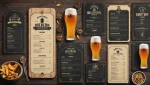
One of the most effective ways to promote your brewery’s food is by making it visible and easily accessible to customers. Prominently display your food menu at the entrance, near the bar, and on each table. Use eye-catching designs and high-quality images to showcase your dishes and entice customers to order.
Table tents are another powerful tool for promoting your food offerings. Place them on each table, featuring your most popular dishes, daily specials, and any food and beer pairing suggestions. Make sure the table tents are well-designed, informative, and easy to read, encouraging customers to explore your food menu further.
Best practices for menu design and placement
When designing your menu, consider the following best practices:
Use a clear, legible font and a color scheme that complements your brewery’s brand
Organize your menu logically, grouping similar items together (e.g., appetizers, entrees, desserts)
Provide brief, enticing descriptions for each dish, highlighting key ingredients and flavors
Include prices and any dietary information (e.g., vegetarian, gluten-free) for transparency
Showcase high-quality images of your most popular or visually appealing dishes
Place your menus in strategic locations throughout your taproom establishment, such as:
At the entrance, so customers can browse the options before sitting down
Near the bar, where customers often congregate and make ordering decisions
On each table, ensuring that customers can easily reference the menu while seated
Cross-promoting food specials with beer releases and events
Leverage your brewery’s beer releases and events to cross-promote your food offerings. When launching a new beer, create a special food menu that complements the beer’s flavor profile. For example, if you’re releasing a spicy IPA, feature dishes with bold, spicy flavors that pair well with the beer.
During events, such as trivia nights or live music performances, offer event-specific food specials or discounts to encourage customers to order food along with their drinks. Promote these specials through social media, email newsletters, and in-taproom signage to create buzz and drive food sales.
Creating food and beer pairing guides
To further emphasize the connection between your food and beer offerings, create a food and beer pairing guide. This guide can be a separate menu or incorporated into your main menu, suggesting specific beers that complement each dish.
When creating your pairing guide, consider the following factors:
Flavor profiles: Match the flavors of the dish with the flavors of the beer (e.g., a hoppy IPA with spicy foods, a rich stout with chocolate desserts)
Intensity: Balance the intensity of the food with the intensity of the beer, ensuring that neither overpowers the other
Regional pairings: If your brewery focuses on a particular region or style, highlight food pairings that celebrate that region or style (e.g., German-style beers with traditional German dishes)
Educate your staff about these pairings so they can make informed recommendations to customers, enhancing the overall dining and drinking experience.
Training staff to suggest food pairings and encourage food orders
Your staff plays a crucial role in promoting your brewery’s food and maximizing taproom sales. Train your staff to be knowledgeable about your food offerings, ingredients, and preparation methods. Encourage them to taste each dish so they can provide firsthand recommendations and answer customer questions confidently.
Teach your staff to suggest food pairings based on the beers customers order. For example, if a customer orders a light, citrusy wheat beer, the server might recommend a salad with a bright, citrus-based dressing. By offering personalized suggestions, your staff can increase food sales and create a more enjoyable experience for customers.
Implementing upselling techniques
Train your staff to use upselling techniques to encourage customers to order food or try higher-priced menu items. Some effective upselling strategies include:
Suggesting appetizers or small plates to accompany beer orders
Recommending daily specials or featured dishes
Offering dessert or coffee at the end of the meal
Highlighting unique or popular menu items that customers might not have considered
Ensure that your staff upsells in a friendly, non-pushy manner, focusing on enhancing the customer’s experience rather than simply increasing the bill.
Leveraging online channels to promote your brewery’s food
In addition to in-taproom promotions, leverage online channels to showcase your brewery’s food offerings and attract customers. Your website, social media profiles, and online listings are powerful tools for promoting your food menu and enticing potential customers to visit your taproom.
Adding food menu to website and online listings
Make sure your website prominently features your food menu, including high-quality images, detailed descriptions, and prices. Optimize your menu page for search engines by including relevant keywords, such as “brewery food,” “taproom menu,” and the names of popular dishes.
Update your brewery’s online listings, such as Google My Business, Yelp, and TripAdvisor, to include information about your food offerings. Encourage satisfied customers to leave reviews that mention your food, as positive reviews can greatly influence potential customers’ decisions to visit your taproom.
Sharing mouth-watering food photos on social media
Social media is a powerful tool for promoting your brewery’s food offerings. Regularly share high-quality, mouth-watering photos of your dishes on platforms like Instagram, Facebook, and Twitter. Use relevant hashtags, such as #breweryfood, #taproomfood, and #foodandbeerpairings, to increase the visibility of your posts.
Create engaging captions that describe the dish, highlight its ingredients, and suggest beer pairings. Use social media to announce new menu items, daily specials, and food-related events, such as beer dinners or food truck collaborations.
Encouraging user-generated content
User-generated content (UGC) is a valuable asset for promoting your brewery’s food. Encourage customers to post photos of their food and beer pairings on social media, tagging your brewery and using a designated hashtag. Repost or share the best user-generated content on your own profiles, thanking customers for their posts and showcasing the popularity of your food offerings.
Consider running social media contests or giveaways that encourage customers to share their food and beer pairing photos. For example, you could offer a gift card or a free appetizer to the customer whose post receives the most likes or shares, incentivizing participation and increasing the visibility of your brewery’s food offerings.
By leveraging these online channels and encouraging user-generated content, you can reach a wider audience, attract new customers, and ultimately boost your taproom sales through the effective promotion of your brewery’s food.
Serve Up Success: Boost Your Brewery’s Bottom Line with Food
Offering food at your brewery is a proven way to increase revenue, attract more customers, and elevate the overall experience. By partnering with food trucks, setting up an in-house kitchen, or allowing outside food, you can cater to a wider audience and encourage longer visits and higher spending. Discover the essential elements and design strategies for a successful brewery menu in our guide.
Craft great beer and food pairings to enhance the flavors of your brews and create memorable tasting experiences for your customers. Whether you opt for elevated pub fare, farm-to-table dishes, or global street food, make sure your menu aligns with your brand and satisfies your customers’ cravings.
Ready to tap into the power of brewery food service? Start by researching local food truck options, assessing your kitchen space and equipment needs, and brainstorming food and beer pairing events. Promote your own brewpubs new food offerings through eye-catching menu displays, social media posts, and staff recommendations.
What’s your brewery brewpub’s signature dish going to be?