
Want to start a brewery, but not sure where to set up shop?
Location is everything in the brewing business. The right spot can make or break your success, from foot traffic to zoning laws.
But don’t stress – finding that perfect place for your pints is easier than you think. In this guide, we’ll walk you through 7 simple steps to choosing a killer location for your new brewery.
From scoping out the competition to analyzing your target market, we’ve got you covered. So grab a cold one and let’s jump to our subject.
Ready to turn your brewing dreams into reality? Let’s get started.
Importance of Location for Breweries
80% of craft beer sales occur within 30km of the point of production
Save 80% of delivery management time
We handle everything:
- Dedicated operations manager
- Real-time tracking dashboard
- Automated customer notifications
- Urgent issue resolution
7 Key Brewery Location Factors to Consider
Assess the Size and Layout of the Space
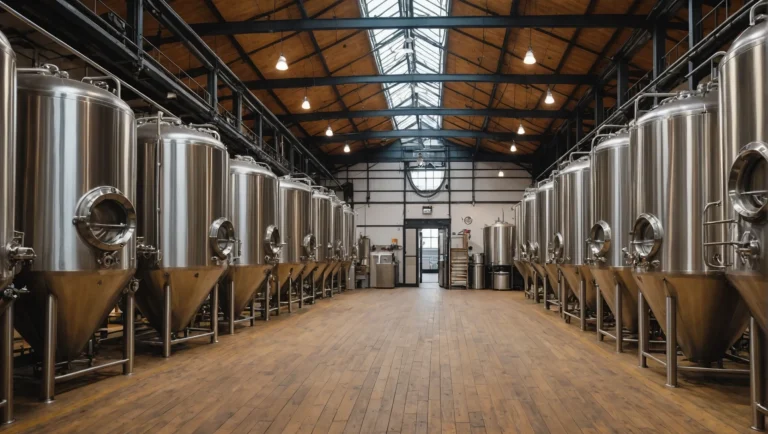
Determining the appropriate size for your brewery is crucial for meeting production goals and accommodating essential equipment. A typical microbrewery requires a minimum of 1,000 square feet, while larger craft breweries may need 5,000 square feet or more. You should consider the space needed for brewing equipment, fermentation tanks, storage, packaging, and a taproom if desired.
Evaluate the layout and flow of the space to ensure efficient brewing operations. An ideal layout should allow for a smooth progression from raw material storage to brewing, fermentation, packaging, and distribution. Adequate ceiling height is also important, as brewing equipment can be tall and may require special accommodations.
Evaluate Zoning and Regulations
Before signing a lease or purchasing a property, thoroughly research local zoning laws to ensure the location allows for a brewery. Zoning regulations vary by city and state, and some areas may have specific restrictions on alcohol production. You should engage with local officials and planning departments to understand the permitting process and any potential hurdles. Considering opening your own brewery? Learn how to initiate the process of starting a brewery and navigate the industry successfully.
Be aware of any specific regulations or permits required for the brewery site, such as health department approvals, environmental permits, and building codes. These regulations can impact construction timelines and costs, so it’s essential to factor them into your planning process.
Consider potential noise and odor issues that may impact neighboring businesses or residences. Brewing can generate noise from equipment and odors from the brewing process, so it’s important to choose a location that minimizes potential conflicts with neighbors.
Assess Accessibility and Parking
Accessibility is key for both customers and suppliers. You should choose a location that is easily accessible by major roads and highways to facilitate the delivery of raw materials and the distribution of finished products. Ample parking is also crucial for attracting customers to your taproom or brewery tours.
Evaluate the accessibility of public transportation, as this can be a significant factor in urban areas. Customers may be more likely to visit your brewery if it is easily reachable by bus, train, or ride-sharing services, especially if they plan to consume alcohol.
Consider Utility and Infrastructure Requirements
Breweries have unique utility and infrastructure needs, including access to a reliable water source, adequate electrical power, and proper drainage. Water is a primary ingredient in beer production, so it’s essential to have access to a consistent supply of high-quality water. Some locations may require additional water treatment or filtration systems.
Electrical power requirements can be substantial, especially for larger brewing operations. It is better to ensure the location has adequate electrical capacity to support your equipment and any future expansion plans. Proper drainage is also critical for handling wastewater generated during the brewing process. Some municipalities may have specific requirements for wastewater treatment and disposal.
Evaluate the Local Market and Competition
Assess the local market demand for craft beer and evaluate the level of competition in the area. While some competition can be beneficial for creating a craft beer destination, too much competition may make it challenging to stand out and attract customers.
Research the demographics of the area, including age, income, and education levels, to determine if there is a potential customer base for your craft brewery. You can consider the proximity to other local attractions, such as restaurants, entertainment venues, and outdoor recreation areas, which can help draw customers to your location.
According to data from a survey by the website VisitAnaheim, 72 percent of beer drinkers have dedicated vacation time to go to a tasting at a local brewery while on a “beercation,” indicating a strong demand for craft beer experiences.
Metrobi is transforming beverage deliveries
Specialized solutions for beverage businesses:
- Beverage-trained drivers
- Proper handling equipment
- Peak day delivery support
- 23% average cost reduction
Steps to Choosing the Perfect Craft Brewery Site
Step 1: Define Your Brewery’s Needs and Goals
Before beginning your search for the perfect brewery site, it’s crucial to have a clear understanding of your brewery’s production requirements and growth plans. Determine the amount of space you’ll need for brewing equipment, storage, and any additional areas such as a taproom or restaurant. Considering launching your own brewery? Explore the vital steps required to initiate a brewery and thrive within the sector.
Consider your target production capacity and whether you anticipate expanding in the future. This will help you narrow down your search to locations that can accommodate your current and future needs.
Establishing a budget is a critical aspect of choosing the right brewery site. Determine how much you can afford to spend on leasing or purchasing a space, taking into account any necessary renovations or build-out costs. Keep in mind that the cost of the location will have a significant impact on your brewery’s profitability, so it’s essential to find a balance between your ideal space and your financial constraints.
Step 2: Research Potential Locations
Once you have a clear understanding of your brewery’s needs and budget, start researching potential locations for birth of your business. It is better to look for areas with the appropriate zoning for a brewery, as this will save you time and money in the long run.
Identify locations with adequate space and utilities, such as water and electricity, to support your brewing operations. Consider the accessibility and visibility of the site for customers, as this can greatly impact your brewery’s success.
When evaluating potential brewery locations, pay close attention to accessibility and visibility. A site that is easy to find and access can help attract customers and increase foot traffic. Look for locations with ample parking, good signage, and proximity to public transportation.
Visibility is also essential, as a prominent location can help raise awareness of your brewery and attract passersby. You can consider locations with high visibility from major roads or in areas with a thriving craft beer scene.
Popular Locations for Breweries
California had the most craft breweries with 1,104 in 2022, followed by Texas with 633
Step 3: Analyze the Local Market and Competition
Analyzing the local market and competition is a crucial step in choosing the perfect brewery site. Research the local craft beer market to understand consumer preferences and identify any gaps or opportunities for your brewery to fill.
Assess the potential customer base and demographics in the area to ensure there is sufficient demand for your products. Identify any potential competitors in the area and evaluate their strengths and weaknesses to determine how your brewery can differentiate itself.
Step 4: Evaluate the Cost and Lease Terms
Once you have identified potential locations that meet your brewery’s needs and have a strong market potential, it’s time to evaluate the cost and lease terms. Compare lease rates and terms for each location, taking into account any necessary renovations or build-out costs.
Consider the long-term financial viability of each site, factoring in the potential revenue and profitability of your brewery. It’s essential to find a location that balances your financial constraints with your brewery’s growth potential.
Is Owning a Brewery Profitable?
The profitability of owning a brewery depends on various factors, such as the size of the brewery, the local market demand, and the efficiency of your operations. While the craft beer industry has experienced significant growth in recent years, it’s essential to have a solid business plan and the ability to carefully manage your costs to ensure long-term success.
The Global Beeer Market
The global beer market is expected to grow at a CAGR of 3.7% from 2021 to 2028
Step 5: Negotiate the Lease or Purchase Agreement
After identifying the ideal location for your brewery, it’s time to negotiate the lease or purchase agreement. Work with a commercial real estate agent or attorney to ensure that the terms of the agreement are favorable and align with your brewery’s needs and budget.
You should pay close attention to any restrictions or requirements outlined in the agreement, such as zoning regulations or build-out specifications. Ensure that the agreement allows for any necessary renovations or improvements to the space to accommodate your brewing operations.
Step 6: Obtain Necessary Permits and Licenses
Before finalizing your brewery location, research and obtain all necessary permits and licenses required to operate a brewery in the area. This may include zoning permits, building permits, health department approvals, and state and federal brewing licenses.
Work with local officials and regulatory agencies to ensure that your brewery is in compliance with all applicable laws and regulations. Failing to obtain the necessary permits and licenses can result in costly delays or even the closure of your brewery.
Step 7: Finalize Your Brewery Location
Once you have negotiated the lease or purchase agreement and obtained all necessary permits and licenses, it’s time to finalize your brewery location. Work with your team to develop a detailed plan for building out and equipping the space to meet your brewing needs.
Consider hiring a contractor or architect to help design and oversee the construction process. Ensure that the space is functional, efficient, and reflective of your brewery’s brand and aesthetic.
The Global Beer Market Size
The global beer market size was valued at USD 623.2 billion in 2020
Top Strategies for Selecting the Best Brewery Location
Prioritize Accessibility and Visibility
Choosing a location that is easy for customers to find and access is crucial for the success of your brewery. Consider the proximity to public transportation and parking options, as these factors can significantly impact the number of visitors to your establishment. A site with good visibility and signage potential can also help attract passing traffic and increase brand awareness.
When selecting a location, it is better to research the availability of public transportation options, such as bus routes or train stations, in the area. A brewery that is easily accessible by public transport can attract a wider range of customers, including those who may not have access to a personal vehicle. Additionally, ensure that there is ample parking space available for customers who prefer to drive. A lack of parking options can deter potential visitors and limit your brewery’s growth. Discover how to create a website for your brewery that draws in more visitors by offering detailed information on your location’s accessibility and parking availability.
A brewery with good visibility from the street can capture the attention of passing traffic and encourage impromptu visits. Look for locations that allow for prominent signage, which can help establish your brand presence and make it easier for customers to find your brewery. Be sure to check local zoning regulations regarding signage to ensure compliance.
Breweries in Washington D.C.
Washington D.C. had the fewest craft breweries with only 16 in 2022
Evaluate the Local Water Supply
Water is a critical component in the brewing process of beers, and the age, quality and consistency of your local water source can significantly impact the taste and quality of your beer. Before selecting a location, you should assess the local water supply to determine if any treatment or filtration will be necessary.
The mineral content and pH levels of your water can affect the flavor profile of your beer. Conduct thorough water tests to understand the composition of your local water supply. Consistency in water quality is also essential, as fluctuations can lead to inconsistencies in your final product. If the local water source is not ideal for brewing, consider the costs associated with installing water treatment or filtration systems.
Analyze the Local Business Environment
The local business environment can play a significant role in the success of your brewery. Research the local business community, potential partnerships, and the availability of suppliers and distributors in the area.
Evaluate the local business landscape to identify potential partnerships and collaborations. Neighboring businesses, such as restaurants, bars, or even other breweries, can provide opportunities for cross-promotion, events, and tap takeovers. Building strong relationships with local businesses can help create a supportive and thriving community around your brewery.
Assess the availability of suppliers and distributors in the area. Having reliable access to raw materials, such as hops, malt, and yeast, is essential for maintaining consistent production. Additionally, consider the proximity to distributors who can help expand your reach and deliver your products to a wider audience.
Evaluate Zoning Regulations and Permits
Before finalizing your brewery location, thoroughly research the local zoning regulations and permitting requirements. Zoning laws dictate how land can be used and can vary greatly from one area to another. Ensure that your chosen location is zoned for industrial or commercial use and allows for the operation of a brewery.
You should contact your local zoning office to understand the specific regulations that apply to your desired location. Some areas may have restrictions on the type of businesses allowed or may require special permits for alcohol production and sales. Be prepared to navigate the zoning approval process, which can take several months and may require public hearings or community input.
In addition to zoning approvals, you will need to obtain various permits and licenses to operate your brewery legally. These may include a federal brewing permit, state and local business licenses, and health department permits. Research the specific requirements for your location and allow ample time for the application and approval processes.
Assess Space Requirements and Expansion Potential
When choosing a brewery location, consider your current and future space requirements. Ensure that the site has sufficient square footage to accommodate your brewing equipment, fermentation tanks, and storage areas. Additionally, you should evaluate the potential for future expansion as your business grows.
You can create a detailed layout plan of your brewery, including the brewhouse, fermentation area, packaging space, and taproom (if applicable). Determine the minimum square footage required to efficiently operate your brewery and ensure that your chosen location meets these needs. You shouldn’t forget to account for storage space for raw materials, finished products, and packaging supplies.
As your brewery grows, you may need to expand your production capacity or add new features like a larger taproom or event space. When evaluating potential locations, consider the ability to expand within the existing site or the availability of adjacent properties for future growth. A location that offers flexibility for expansion can save you time and money in the long run.
TIP – Consult with brewery equipment manufacturers and industry experts to determine the ideal space requirements for your specific brewing setup and production goals.
Ready to Brew Your Dream?
Finding the perfect location for your brewery is a crucial step in turning your passion into a thriving business. By assessing the size and layout, evaluating zoning and regulations, and considering key factors like accessibility, water supply, and the local market, you’ll be well on your way to securing the ideal spot.
Remember, a well-chosen location can make all the difference in the world in attracting customers, streamlining operations, and ensuring the long-term success of your brewery.
So, what’s your vision for your dream brewery? Have you found a location that checks all the boxes to date? If not, don’t worry – armed with these tips and strategies, you’re ready to embark on the exciting journey of finding the perfect home for your craft beer creations.
Take action today and start scouting potential locations. Reach out to local real estate agents, explore online listings, and network with other brewers in your area. With persistence and a clear vision, you’ll soon be raising a glass to your new brewery in the ideal spot.
Craft Breweries in The U.S.
The United States has over 8,000 craft breweries as of 2020