
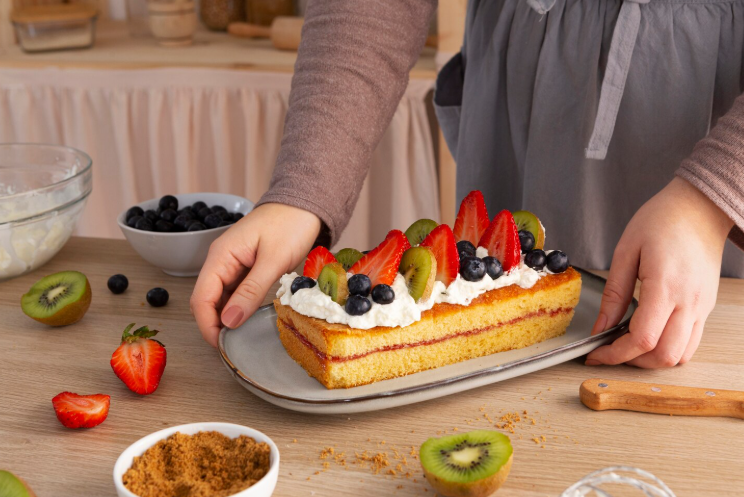

The first time I served my chocolate avocado cake at a family gathering, I watched as my uncle—a self-proclaimed “meat and potatoes guy”—took a hesitant bite. His eyes widened. He took another bite. Then he asked, “What’s in this? It’s better than regular cake.”
That moment changed how I think about vegan baking.
Most people believe vegan cakes are just sad approximations of “real” desserts—dry, dense, and somehow both tasteless and strange-tasting at the same time. For years, that stereotype was mostly true.
But things have changed.
Today’s vegan cakes aren’t just “good for being vegan.” They’re extraordinary on their own terms. The recipes I’m about to share aren’t compromises—they’re improvements on classics that are absolutely delicious.
What makes these five recipes special isn’t just that they’re plant-based. It’s that customers consistently choose them over traditional options when given both choices. From a vegan chocolate cake so rich it defies physics to a red velvet with cashew cream frosting that converts skeptics with a single bite, these delicious vegan cake recipes represent the best of what’s possible when we stop trying to imitate traditional baking and start creating something new.
These recipes don’t just replace eggs and butter—they use ingredients like avocados, matcha, and cashews because they make better cakes, not because they’re convenient substitutes.
Ready to make desserts that people will request by name—not because they’re vegan, but because they’re incredible? Happy baking!
Lower your delivery costs by 23%
How we reduce costs:
- No delivery vehicle expenses
- Optimized local routes
- Pay-per-delivery model
- Average 23% delivery cost reduction
Step 1: Exploring Customer Favorite Vegan Cakes and Recipe Ratings
Five vegan cake recipes that customers rate highest
Each recipe offers unique flavors and health benefits
Based on actual customer feedback and market trends
The vegan dessert market is growing fast, reflecting changing consumer preferences toward plant-based options. Let’s look at the five vegan cakes customers love most, based on sales data, reviews, and bakery feedback.
Global Market Growth: The global vegan dessert market was valued at USD 4.28 billion in 2024 and is projected to reach USD 8.32 billion by 2030, growing at a CAGR of 11.6 % from 2025 to 2030.
1. The Chocolate Avocado Cake Recipe
The chocolate avocado cake tops customer favorite lists for good reason. This cake replaces traditional butter and egg yolks with ripe avocados, creating a moist texture while adding healthy fats. The avocado’s neutral flavor disappears behind rich cocoa, leaving only its creaminess behind.
Most customers don’t realize they’re eating avocado at all. The fruit creates a dense, fudgy texture that many prefer to traditional chocolate cake. Professional bakers often use dark cocoa powder to intensify the chocolate flavor, which helps mask any subtle avocado notes. The natural fats in avocados create a cake that stays fresh longer than many conventional recipes, often for up to a week.
“Vegan cakes are completely different animals and need to be reworked with vegan-specific building blocks that actually buck cake tradition. Don’t tell Grandma!” This insight from vegan baking experts highlights why chocolate avocado cake works so well—it doesn’t try to mimic traditional cakes but creates something new and better.
To make this cake at home, start with two medium ripe avocados, plain flour, cocoa powder, granulated sugar, baking powder, baking soda, salt, plant milk, coffee (to enhance chocolate flavor), and vanilla extract in a large bowl. Using a stand mixer will make the process easier. The vegan chocolate frosting typically uses avocado, cocoa powder, powdered sugar, and a splash of plant milk.
2. Lemon Raspberry Cake
The lemon raspberry cake ranks second among customer favorites, particularly during spring and summer months. This cake balances tart lemon with sweet raspberries, creating a refreshing flavor profile that appeals to those seeking lighter dessert options.
The key to this cake’s popularity lies in its bright, clean flavors. Lemon zest and juice provide both aroma and acidity, while fresh strawberries or raspberries add natural sweetness and visual appeal. Most successful versions are a vegan layer cake with raspberry jam filling and topped with a lemon-infused frosting. Some bakers fold fresh or frozen raspberries directly into the cake batter for bursts of flavor throughout.
Professional bakers often enhance this cake with a touch of almond extract, which complements both the lemon and raspberry notes. The combination creates a sophisticated flavor profile that appeals to customers looking for something beyond chocolate.
To make this at home, the base requires plain flour, organic cane sugar, baking powder, salt, plant milk, lemon juice, zest from lemons, vegetable oil, and vanilla extract. For the filling, you’ll need fresh fruit like raspberries or raspberry preserves.
3. Carrot Walnut Cake
Carrot walnut cake stands as the most popular traditional option among vegan customers. This spiced cake carries nostalgic appeal while fitting perfectly into plant-based diets. Unlike many vegan adaptations, carrot cake naturally works well without eggs because the carrots themselves provide moisture and binding.
The standard version combines grated carrots, chopped walnuts, cinnamon, nutmeg, and ginger. These spices create a warm flavor profile that appeals year-round. Most bakeries report carrot cake as their most consistent seller.
What makes this cake special is its textural contrast. The soft, moist cake contrasts with crunchy walnuts, creating an interesting eating experience. Many shops pair it with coconut cream frosting rather than traditional cream cheese, adding another layer of flavor complexity.
For home bakers, this birthday cake recipe typically includes plain flour, brown sugar or coconut sugar, baking powder, baking soda, cinnamon, nutmeg, ginger, salt, grated carrots, chopped walnuts, vegetable oil, and plant milk or orange juice.
4. Red Velvet Cake with Cashew Cream
Red velvet cake with cashew cream frosting represents the perfect bridge between traditional and innovative vegan baking. This adaptation preserves the cake’s signature color and subtle cocoa flavor while replacing dairy and eggs with plant-based alternatives.
The traditional red color comes from natural sources in vegan versions—usually beet powder or puree rather than artificial dyes. The slight earthiness of beets actually enhances the chocolate notes. Most successful versions use a small amount of apple cider vinegar reacting with non-dairy milk to create the slight tanginess red velvet cake is known for.
The cashew cream frosting deserves special attention. Unlike many vegan frostings that rely on shortening, cashew cream provides richness and a slight sweetness that mimics cream cheese. Bakeries report that many non-vegan customers prefer this version, finding it less cloying than traditional buttercream or cream cheese frosting.
For home bakers, this recipe typically requires plain flour, sugar, baking powder, baking soda, salt, cocoa powder, plant milk, apple cider vinegar, vegetable oil, beet powder (or beet puree), and vanilla extract.
5. Matcha Green Tea Cake
Matcha green tea cake represents the newest entry in the top five customer favorites. This bright green cake offers a unique flavor profile that appeals to customers seeking something different from traditional options.
The cake’s distinctive taste comes from high-quality matcha powder, which provides grassy, slightly bitter notes that balance the cake’s sweetness. Most bakeries pair this with subtle vanilla undertones and sometimes white chocolate in the frosting. The natural antioxidants in matcha make this a popular choice among health-conscious customers.
What makes this cake particularly interesting is its visual appeal. The vibrant green color creates a striking presentation, especially when contrasted with white frosting or pink flowers. In the age of social media, this photogenic quality has helped drive its popularity.
For home bakers, this cake typically includes plain flour, sugar, high-quality matcha powder, baking powder, baking soda, salt, plant milk, vegetable oil, and vanilla extract. Many recipes include a small amount of almond extract to enhance the matcha flavor.
What is the Best Vegan Birthday Cake Flavor?
Global preferences show chocolate remains the most popular cake flavor overall, with vegan chocolate cakes following this trend. However, regional variations exist—lemon raspberry performs better in warmer climates, while spiced options like carrot cake lead in cooler regions. A beautiful vegan birthday cake can be made in any of these flavors.
When examining current trends, matcha has seen the fastest growth in the past year. This reflects broader food trends toward Asian-inspired flavors. Required recipe ratings from customers often praise its unique flavor. Red velvet continues strong as a special occasion cake, particularly for birthdays and Valentine’s Day celebrations, making it a contender for the best vegan birthday cake.
Step 2: Easy Vegan Dairy-free Desserts for Everyone
Discover how to use plant-based ingredients that match or exceed dairy in flavor and texture
Learn specific substitution ratios for common dairy ingredients in baking
Master techniques that make vegan cakes appealing to both vegans and non-vegans alike
Dairy-free desserts have moved from niche to mainstream. Bakeries now serve cakes that skip milk, butter, and cream but keep all the taste. These treats work for everyone—vegans, those with lactose issues, and people who simply want to try something new. The secret lies in knowing which plant-based ingredients work best and how to use them properly.
1. Understanding Dairy Alternatives
The foundation of any good vegan cake starts with selecting the right dairy alternatives. Each non-dairy option brings different properties to your baking.
Almond milk offers a light, slightly nutty flavor that works well in most cake recipes. It adds a subtle nuttiness that enhances chocolate cakes especially. The protein content differs from dairy milk, so recipes may need additional binding agents like a bit more flour or starches.
Coconut cream serves as an excellent heavy cream replacement in frostings and fillings. Its high fat content creates rich textures similar to buttercream when whipped. The distinct coconut flavor works particularly well in tropical-themed cakes but can be minimized with vanilla essence if desired.
Oat milk provides a creamy texture with a naturally sweet taste. Its higher carbohydrate content helps with browning, making it ideal for cakes that need a golden crust. Oat milk also has a neutral flavor profile that doesn’t compete with other ingredients, making it versatile across many cake types.
Soy milk remains a classic option with protein levels closest to dairy milk. This makes it one of the most reliable dairy alternatives for traditional recipes that rely on protein structures. When choosing soy milk for baking, unflavored and unsweetened varieties allow better control over the final taste. Be aware that when mixed with an acid like white wine vinegar, soy milk curdles, which is often a desired effect in recipes replicating buttermilk.
Flavor Profiles of Different Plant Milks
Each plant milk affects your cake’s flavor differently. Cashew milk brings a buttery richness without a strong nut flavor. Rice milk is the most hypoallergenic but can make batters thinner. Hemp milk adds omega fatty acids but has an earthy taste that needs balancing with stronger flavors.
Some bakeries blend multiple plant milks to achieve specific results. For example, combining oat milk’s sweetness with coconut milk’s richness creates a base that mimics whole dairy milk remarkably well. This approach addresses the common complaint that single plant milks sometimes produce one-dimensional flavor profiles.
Commercial bakeries often use proprietary blends of plant milks and stabilizers to ensure consistent results. Home bakers can achieve similar effects by understanding the basic properties of each alternative and combining them thoughtfully.
2. Role of Non-dairy Ingredients
Successful vegan cakes rely heavily on how well you substitute traditional dairy ingredients. These substitutions aren’t just replacements—they’re opportunities to enhance flavor and texture.
Plant-based butters have improved dramatically in recent years. Modern versions contain balanced fat profiles that melt, cream, and bake similarly to dairy butter. For best results, look for products specifically labeled for baking rather than table spreads.
Oils play a crucial role in vegan baking. Neutral oils like canola or refined coconut oil work in most recipes, while extra virgin olive oil adds character to citrus cakes. The general substitution ratio is 3/4 cup oil for each cup of butter, as oils are 100% fat while butter contains water and milk solids. This adjustment prevents overly greasy results.
Aquafaba—the liquid from canned chickpeas—serves as an egg white substitute in meringues and light cakes. It can be whipped to soft or stiff peaks just like egg whites. This ingredient has revolutionized vegan baking by allowing for previously impossible textures in egg-free recipes.
Acids like vinegar and lemon juice help with leavening when combined with baking soda. This creates a reaction that produces carbon dioxide, helping cakes rise without eggs. Typically, one tablespoon of vinegar or lemon juice per cake is enough to activate the baking soda without affecting flavor.
Science Behind Successful Substitutions
Understanding the chemistry behind dairy ingredients helps create better substitutes. Milk proteins provide structure through coagulation when heated. Plant proteins like those in soy milk can perform similarly but often need help from starches or gums.
Fat distribution affects texture significantly. Dairy butter contains tiny water droplets suspended in fat, creating a specific mouthfeel. Plant-based butters attempt to recreate this with emulsifiers. Homemade versions can be made by blending refined coconut oil with a small amount of lecithin and water.
The fermentation qualities of dairy are harder to replace. Traditional buttermilk’s tangy flavor comes from lactic acid bacteria. Vegan bakers can approximate this by adding 1 tablespoon of apple cider vinegar to 1 cup of plant milk and letting it sit for 5-10 minutes before using. The acid curdles the plant milk slightly, creating both flavor and functional similarities.
Step 3: Allergy-friendly Cake Options
Options for cakes free from gluten and nuts make treats accessible to more people
Simple ingredient swaps and careful kitchen practices prevent allergen exposure
These options are growing in popularity as food allergies increase worldwide
1. Gluten-free Options
Making vegan cakes suitable for people with gluten intolerance requires some specific ingredient knowledge and techniques. Baking without gluten has come a long way in recent years, with many excellent options now available for creating cakes that are both vegan and free from gluten.
The first step in creating these cakes is selecting the right flour alternatives. Single flours free of gluten often don’t work well on their own, as they lack the structure that gluten provides. Instead, most successful bakers use blends. A good starting point is a mix of rice flour, potato starch, and tapioca starch. This combination helps mimic the properties of wheat flour while keeping the cake light and fluffy. Pre-made flour blends are also widely available, with many containing xanthan gum, which helps bind ingredients together.
Binding Agents for Cake Batter Structure
When baking cakes without gluten, binding agents become especially important. Xanthan gum is the most common option, but alternatives include psyllium husk powder, ground flaxseed, or chia seeds. These ingredients help create the structure that gluten would normally provide in the cake batter.
For moisture retention, which can be challenging in this type of baking, adding ingredients like applesauce, mashed banana, or plant yogurt can make a significant difference. About ¼ cup of one of these ingredients per cake recipe helps maintain moisture and prevents the dry, crumbly texture that sometimes plagues these baked goods.
Gluten-free Baking Techniques
Batters without gluten behave differently than traditional ones. They tend to be stickier and sometimes need more liquid. When mixing, it’s important to be thorough but gentle. Overmixing can lead to dense cakes, just as with conventional baking, but proper incorporation is essential for even distribution of the binding agents.
Baking times often need adjustment for cakes free from gluten. They may require a few minutes longer than their gluten-containing counterparts. Using a slightly lower oven temperature can help prevent the outside from burning while the inside finishes cooking.
2. Nut-free Cakes
Creating nut-free vegan cakes requires careful attention to ingredients and preparation methods. The need for truly allergen-free options has never been greater.
The first step in making nut-free cakes is finding suitable replacements for common nut ingredients. Instead of almond milk, use oat milk, soy milk, or rice milk. Replace almond flour with seed flours like sunflower seed flour or coconut flour (coconut is technically a fruit, not a nut). For recipes calling for nut butters, sunflower seed butter or tahini (sesame seed paste) can provide similar textures and fat content without the allergen risk.
Cross-contamination Prevention
Cross-contamination poses the greatest risk in nut-free baking. Even trace amounts of nuts can trigger severe allergic reactions in sensitive individuals. To create truly safe nut-free cakes, follow these essential practices:
Use dedicated equipment. Have separate measuring cups, spoons, mixing bowls, and baking pans that have never come into contact with nuts. Label these clearly.
Clean thoroughly. Before starting, wash all surfaces, utensils, and hands with hot, soapy water. This includes mixer attachments, spatulas, and countertops.
Check all ingredients carefully. Many products that seem nut-free may contain warnings about being processed in facilities that also handle nuts. Look for products specifically labeled as nut-free.
Store ingredients properly. Keep nut-free ingredients in separate containers, preferably in a dedicated area of your pantry, to prevent accidental contamination.
Be mindful of hidden nut ingredients. Some unexpected items may contain nuts or nut oils, including certain chocolates, extracts, and even some vegan sprinkles or cake decorations.
Safe Substitutions and Ingredients
When baking nut-free cakes, seed-based ingredients offer excellent alternatives. Seeds provide similar nutritional benefits and textural elements while being safe for those with nut allergies. Sunflower seeds, pumpkin seeds, hemp seeds, and sesame seeds can all be used in various forms.
For decorating and frosting, avoid marzipan (almond-based) and watch for nut oils in commercial frostings. Make your own frosting using vegetable shortening or nut-free plant butter. Coconut oil can also work well in many frosting recipes, though be aware that some people with nut allergies may also react to coconut.
Advanced Tips for More Vegan Cake Recipes
Master vegan baking with expert techniques beyond basic substitutions
Learn to troubleshoot common problems and achieve professional results
Discover specialized methods for creating perfect texture and flavor
Additional Cake Recipe Advice or Alternative Methods
Plant-based baking has evolved significantly, moving beyond simple substitutions to sophisticated techniques that yield exceptional results. The foundation of successful vegan baking lies in understanding ingredient functionality at a molecular level. For instance, eggs in conventional baking serve multiple purposes: binding, leavening, moisture retention, and structure development. To replace these functions effectively, professional bakers often employ different substitutes depending on the specific role needed in a cake recipe.
Flax eggs represent just one option in a spectrum of egg replacers. To create a flax egg, combine one tablespoon of ground flaxseed with three tablespoons of water and let it sit for 15 minutes until it develops a gelatinous consistency. This works particularly well in denser cakes like carrot or banana varieties. However, for lighter cakes, aquafaba (the liquid from canned chickpeas) provides superior results due to its unique protein structure that can be whipped to create volume.
The quality of ingredients dramatically impacts the final product in plant-based baking. Fresh ingredients aren’t just about flavor—they affect chemical reactions crucial to successful outcomes. For example, baking powder loses its leavening power over time. When working with specialty ingredients like alternative flours, freshness becomes even more critical as these items can develop rancid notes more quickly than conventional ingredients. Professional bakers recommend storing nut flours and whole grain flours in the refrigerator to extend their shelf life and maintain optimal vanilla flavor profiles.
Advanced Ingredient Techniques
Temperature control of ingredients represents a subtle but crucial aspect of vegan baking that’s rarely discussed in basic recipes. Plant-based fats like coconut oil and vegan butter have different melting points compared to dairy butter, which affects how they incorporate air during the creaming process. For optimal results, vegan butter should be slightly cooler than dairy butter when creaming with sugar to create the proper structure.
Plant milks also benefit from temperature adjustment. When adding plant milk to cake batters, using it at room temperature prevents the batter from curdling when it comes in contact with fats. This is particularly important when working with soy milk, which has a higher protein content that can coagulate when temperature variations are extreme.
For advanced bakers looking to perfect their craft, precision becomes paramount. Professional bakeries achieving consistent results use kitchen scales rather than volume measurements. This precision is especially important with gluten-free and specialty flours, which can compact significantly in storage.
Common Pitfalls and How to Avoid Them
Oven temperature accuracy represents one of the most overlooked factors in baking failures. Most home ovens can be off from their displayed temperature, which is enough to completely change how a cake bakes. Professional bakers recommend purchasing an inexpensive oven thermometer to verify your oven’s actual temperature. This simple tool can help identify hot spots and temperature fluctuations that might cause uneven baking. For even more consistent results, allow your oven to preheat for at least 20 minutes before baking to stabilize the temperature throughout the cavity.
Over-mixing vegan batters poses a particular challenge because plant-based ingredients develop structure differently than conventional ingredients. Without eggs’ stabilizing proteins, vegan batters can quickly lose the air incorporated during mixing if handled excessively. The scientific explanation involves the formation of gluten networks that become too developed, resulting in tough, dense cakes rather than light, fluffy ones. The solution is to mix wet and dry ingredients just until combined, using the “fold and cut” method with a spatula rather than a whisk for final mixing stages.
Moisture balance presents another common challenge in vegan baking. Plant-based ingredients often have different water content than their conventional counterparts. Professional bakers adjust for this by either reducing the total liquid in a recipe or increasing stabilizing ingredients like starches.
Mastering Texture in Plant-based Layer Cakes
The texture of vegan cakes often presents the biggest challenge for bakers transitioning from conventional recipes. Without eggs and butter, achieving the perfect crumb requires understanding the science of structure development. Professional vegan bakers approach this challenge by carefully balancing structural ingredients (proteins and starches) with tenderizing ingredients (fats and sugars). A well-balanced vegan layer cake is a true delight.
Different flours contribute dramatically different textures to the final product. Cake flour, with its lower protein content, produces tenderer cakes but may lack structure in vegan recipes. Bread flour, with higher protein, provides more structure but can create tough cakes if not balanced with tenderizing ingredients. Professional bakers often create custom blends, such as combining all-purpose flour with a small percentage of protein-rich chickpea flour to enhance structure without compromising tenderness.
Temperature stages during baking significantly impact texture development. Most vegan cakes benefit from a higher initial oven temperature for the first 5-7 minutes of baking to promote proper rising, followed by reducing to the recommended temperature for the remainder of the baking time. This two-stage approach helps create the initial rise before the structure sets, leading to lighter cakes.
Flavor Enhancement Strategies for Chocolate Buttercream and More
Flavor development in vegan baking requires special attention because plant-based ingredients sometimes lack the complexity of conventional ingredients. One professional technique involves “blooming” spices and flavor extracts in fat before adding them to the batter. For example, warming vanilla extract or vanilla bean paste in melted coconut oil for 1-2 minutes before incorporating it into your recipe enhances the flavor compounds and helps them disperse more evenly throughout the batter. This is especially effective when making a vegan vanilla cake.
Acid balance plays a crucial role in flavor perception. Vegan cakes sometimes lack the subtle acidic notes that dairy provides in conventional recipes. Professional bakers address this by incorporating small amounts of acidic ingredients like apple cider vinegar or lemon juice, which not only brightens flavors but also reacts with leavening agents to improve rise. This technique works particularly well in chocolate cakes, where a slight acidity enhances the complexity of the chocolate flavor and complements a rich chocolate buttercream.
Salt usage represents another misunderstood aspect of flavor development. Many home bakers underestimate the importance of salt in sweet applications. Professional bakers typically use fine sea salt, even in sweet recipes. The salt doesn’t make the cake taste salty but instead enhances sweetness perception and creates flavor depth. For chocolate cakes specifically, adding a pinch of espresso powder intensifies the chocolate notes without adding coffee flavor, creating the perfect base for vegan chocolate buttercream.
Professional Finishing Techniques
The presentation of vegan cakes can elevate them from homemade to professional quality. One technique professional bakers use is the “crumb coat” method for frosting, which involves applying a thin layer of frosting, chilling the cake for 20-30 minutes, then applying the final layer. This approach creates perfectly smooth surfaces even with plant-based frostings, which can sometimes be more challenging to work with than conventional buttercream. A beautifully frosted cake looks stunning on a cake stand.
Moisture sealing represents another professional technique that improves both texture and shelf life. Before frosting, brush the cake layers with a thin layer of simple syrup (equal parts sugar and water, simmered until dissolved). This adds moisture and creates a barrier that helps prevent the cake from drying out. For flavor variations, infuse the simple syrup with ingredients like citrus zest, herbs, or a small amount of liqueur to complement the cake’s flavor profile.
Textural contrast creates more interesting eating experiences. Professional bakers often incorporate elements with different textures alongside the soft cake—think crunchy cookie crumbles, crisp caramelized nuts, or chewy dried fruits and fresh fruit as garnishes or between layers.
Scaling and Storage Solutions
For those looking to make vegan cakes in advance or in larger quantities, professional storage techniques become essential. Vegan cakes generally have a shorter shelf life than conventional cakes due to the absence of preservative-rich ingredients like eggs. Professional bakers extend freshness by ensuring cakes cool completely on a wire cooling rack before storage (typically 2-3 hours at room temperature), then wrapping them tightly in plastic wrap followed by aluminum foil before freezing. This double-wrapping method prevents freezer burn and odor absorption.
The ideal freezing window for most vegan cakes is 1-2 months, though unfrosted cakes maintain quality better than frosted ones. When thawing, keep the cake wrapped and move it from freezer to refrigerator for 24 hours, then allow it to come to room temperature for 2-3 hours before serving. This gradual temperature transition prevents condensation from forming on the cake’s surface. Make sure to line your cake pans with baking parchment or parchment paper for easy removal.
For commercial applications, understanding proper scaling techniques is crucial. Unlike conventional recipes, vegan recipes don’t always scale linearly due to the unique properties of plant-based ingredients. When doubling recipes, leavening agents typically need to be scaled carefully to prevent excessive rise followed by collapse.
Troubleshooting Common Issues
Learn how to fix dry or dense vegan cakes with simple moisture adjustments
Master techniques to prevent and repair common frosting problems
Apply professional solutions to save less-than-perfect baking attempts
Solutions to Potential Birthday Cake Problems
When baking vegan cakes, even experienced bakers face challenges. The absence of traditional binding agents like eggs and dairy can create unexpected results. Let’s address the most common issues you’ll encounter and provide practical solutions to fix them, ensuring your vegan birthday cake turns out perfect.
Plant-based baking requires understanding the science behind ingredients. When something goes wrong, there’s usually a clear reason and solution. Small adjustments in ingredient ratios, baking times, or techniques can transform a disappointing cake into a delicious creation. The key is knowing exactly what to adjust and by how much.
Fixing dense or dry cakes
Dense or dry vegan cakes often result from moisture imbalance. The first step to fixing this issue is identifying which ingredients affect moisture. In vegan baking, fats play a crucial role in texture – butter alternatives provide fluffiness while oils create softness and chewiness.
If your cake has already baked dry, you can save it with a simple syrup rescue. Mix equal parts sugar and water, heat until dissolved, then cool. Brush a few tablespoons of this syrup onto each cake layer before frosting. As expert bakers note, this will help disguise any dryness.
To prevent dryness in future bakes, adjust your liquid-to-dry ingredient ratio. This balance creates the ideal moisture content. If you’re using ingredients that absorb moisture (like coconut flour), increase liquids slightly.
Temperature control also affects cake moisture. Overbaking is a common culprit behind dry vegan cakes. Set a timer for 5 minutes less than the recipe suggests and check with a toothpick. The pick should come out with a few moist crumbs attached, not completely clean.
Advanced moisture restoration techniques
For severely dry cakes, try these professional rescue methods:
Milk soak method – Brush plant milk (almond or oat work well) on each layer. The cake absorbs this liquid, restoring moisture without adding sweetness.
Coffee or flavor infusion – For chocolate cakes, warm coffee makes an excellent moisture addition while enhancing the chocolate flavor.
Transform into trifle – Crumble the dry cake and layer with vegan custard, fruit, and whipped coconut cream to create a new dessert.
Cake pops solution – Combine crumbled cake with a small amount of frosting, roll into balls, chill, then dip in chocolate for cake pops.
The key to preventing dense cakes lies in proper leavening. Check that your baking powder and soda are fresh. Overmixing batter activates gluten, creating density. Mix dry and wet ingredients just until combined, using a folding motion rather than vigorous stirring. This gentle technique preserves air pockets that create lightness during baking.
Tips on frosting issues
Vegan frosting presents unique challenges, with splitting and thinning being the most common problems. These issues can be fixed with simple adjustments if you understand what causes them.
When frosting splits (separates into grainy or curdled-looking sections), temperature is usually the culprit. Vegan butter alternatives have different melting points than dairy butter. If your frosting splits, place the bowl in the refrigerator for 10-15 minutes, then beat again slowly. As the fats cool, they’ll recombine.
For thin frosting that doesn’t hold its shape, thickness adjustment is key. Add powdered sugar gradually, 2 tablespoons at a time, until you reach your desired consistency. For cream cheese-style frostings that tend to be softer, refrigerate for 30 minutes before applying to the cake.
Another professional trick is adding a tablespoon of corn starch to vegan frosting. This helps stabilize the structure without adding excessive sweetness. Temperature control during application matters too. Vegan frostings often perform best when both the frosting and cake are at cool room temperature. If your kitchen is warm, work in short sessions, returning both cake and frosting to the refrigerator as needed.
For frosting that won’t stick to the cake, create a crumb coat first. Apply a thin layer of frosting, refrigerate for 20 minutes, then add the final decorative layer. This seals in crumbs and provides a stable base for the final frosting.
Further Resources and Reading
Essential vegan baking resources to expand your knowledge
Books, blogs, and courses for mastering plant-based cake making
The growing importance of vegan baking skills in today’s food landscape
Related Topics and Advanced Guides
The path to mastering vegan baking continues far beyond troubleshooting basics. For those who want to push their skills further, several outstanding resources can help take your vegan cake making to professional levels.
For cookbook enthusiasts, “Vegan Cakes and Other Baked Goods” by Hannah Kaminsky stands out for its detailed explanations of the science behind plant-based baking. Kaminsky’s work includes comprehensive guides on ingredient functionality. Another essential addition to your bookshelf is “Modern Vegan Baking” by Gretchen Price, which breaks down commercial bakery techniques for home bakers.
Online resources provide constantly updated information on emerging ingredients and techniques. The blog “Loving It Vegan” offers free weekly recipe testing insights. For those who prefer video instruction, “Gretchen’s Vegan Bakery” YouTube channel features step-by-step tutorials that address specific challenges in vegan cake making, from achieving perfect rise to creating stable frostings.
Professional Development Opportunities
For those seeking hands-on education, several cooking schools now offer specialized vegan baking courses. The Natural Gourmet Institute provides a comprehensive “Vegan Baking Fundamentals” certificate program. Their instructors include former pastry chefs who transitioned to plant-based baking and bring valuable comparative experience to their teaching.
Online courses through platforms like Rouxbe offer flexibility for busy professionals looking to enhance their baking skills. Their “Plant-Based Pastry Foundations” course provides video demonstrations, instructor feedback, and testing assignments that build skills progressively.
Why This Skill Matters
The importance of mastering vegan baking extends far beyond personal dietary choices. The plant-based food market has seen significant growth, and baked goods represent one of the fastest-expanding categories.
US Market Size: The U.S. plant-based retail food market was worth USD 8.1 billion in 2024, making up 1.1 % of total retail food and beverage dollar sales.
Household Adoption: In the U.S., 59 % of households purchased plant-based foods in 2024.
This rapid expansion reflects changing consumer preferences that extend beyond those who identify as vegan. A substantial market of “flexitarians” now seek out high-quality vegan options even while continuing to consume animal products.
Campaign Growth: Participation in Veganuary soared to more than 1.8 million people in 2024, and is estimated at 25.8 million people in 2025.
Business Implications
For food businesses, the ability to create high-quality vegan cakes now represents a competitive advantage rather than simply a niche offering. Small bakeries have particularly benefited from developing expertise in vegan cake making.
Market Forecast: Another forecast estimates the global vegan dessert market will grow from USD 4.9 billion in 2025 to USD 13.9 billion by 2034, at a CAGR of 12.3 %.
Educational Resources for Different Skill Levels
Vegan baking education can be approached at different levels depending on your current expertise and goals. For beginners, “Vegan Baking 101” by Sara Kidd provides an accessible introduction with clear explanations of plant-based ingredients and their functions.
Intermediate bakers benefit from resources like “The Vegan Baker’s Handbook” by Daniela Lais and Jérôme Eckmeier, which includes troubleshooting guides and recipe variation templates that teach adaptability. This resource helps bakers move beyond following a recipe card exactly to understanding how to modify recipes.
Advanced bakers and professionals should consider “Plant-Based Patisserie” by Richard Buckley, which applies classical French pastry techniques to vegan ingredients. This technical manual includes detailed information on creating everything from puff pastry to complex mousses without animal products.
Building a Reference Library
Creating a well-rounded vegan baking resource collection helps ensure success across different types of cakes and techniques. Beyond general vegan baking books, specialized resources focusing on specific aspects of cake making prove invaluable. For perfecting vegan cake decoration, “Vegan Cake Decorating” by Danielle Konya offers techniques specifically adapted for plant-based frostings and fillings.
Those interested in the nutritional aspects of vegan baking will benefit from “Whole Food Vegan Baking” by Annie Markowitz, which focuses on using minimally processed ingredients and making refined sugar free treats. This approach bridges the gap between indulgent treats and health-conscious baking without sacrificing quality.
The scientific aspects of vegan baking are thoroughly covered in “The Science of Vegan Baking” by Christina Ross, which explains the chemical interactions between ingredients and provides formulas rather than just recipes.
Online Communities and Continuing Education
The dynamic nature of vegan baking means that staying connected to ongoing developments benefits even experienced bakers. Several online communities provide valuable support and information sharing.
The r/VeganBaking subreddit has grown to over 100,000 members who regularly share recipe testing results, product reviews, and troubleshooting advice. Facebook groups like “Professional Vegan Bakers Network” connect industry professionals who share business insights alongside technical baking information.
For ongoing education, quarterly online workshops through platforms like The Vegan Pastry School provide access to master classes taught by renowned chefs. These interactive sessions often focus on seasonal ingredients and advanced techniques.
Experimental Approaches and Innovation
The field of vegan baking continues to evolve rapidly, with new ingredients and techniques emerging regularly. Several resources focus specifically on innovation rather than traditional approaches.
“Aquafaba: Sweet and Savory Vegan Recipes Made Egg-Free” by Zsu Dever explores the remarkable properties of chickpea water as an egg replacer. This ingredient continues to reveal new applications in cake making.
Molecular gastronomy approaches to vegan baking are covered in “Modern Vegan Desserts” by Miyoko Schinner, which incorporates techniques to create unique textures without animal products. These advanced methods allow for creative presentations that challenge preconceptions about plant-based desserts.
For those interested in historical perspectives, “Global Vegan Baking Traditions” by Terry Hope Romero examines plant-based baking techniques from cultures worldwide that have created delicious cakes without animal products for centuries.
Conclusion
These five vegan cake recipes show that plant-based baking can be both simple and stunning. From the rich Chocolate Avocado Cake to the unique Matcha Green Tea creation, each recipe proves that removing animal products doesn’t mean sacrificing taste or texture.
The key to success lies in understanding proper substitutions—cashew cream for dairy frosting, flax eggs for binding, and fresh ingredients for maximum flavor. Even better, there are more vegan cake recipes that can be adapted for additional dietary needs, whether you’re avoiding gluten or nuts.
When things don’t go as planned, remember that baking is partly science and partly art. Adjust moisture levels for dry cakes and take your time with frostings to prevent splitting.
As more people embrace plant-based eating, these recipes serve an important purpose: they bring joy to the table for everyone, regardless of dietary choices. They’re not just vegan cakes—they’re excellent cakes that happen to be vegan.
Ready to surprise your family or customers with a dessert that will have them asking for seconds before mentioning it’s vegan? Your mixing bowl awaits.