
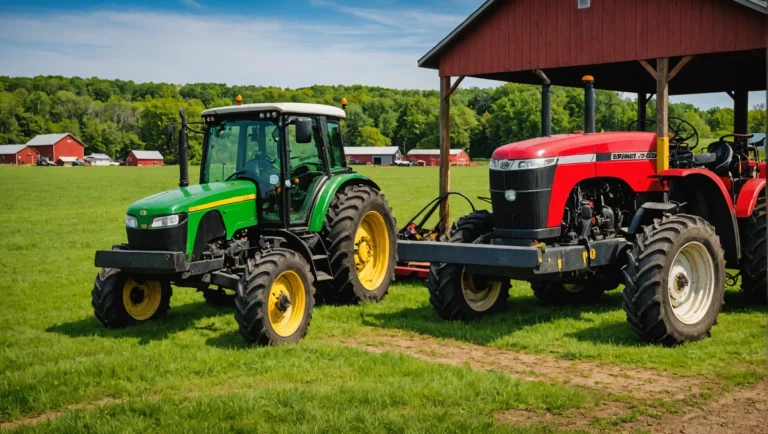

Farm equipment is a business asset that deserves careful attention.
Failing to maintain equipment can lead to costly breakdowns and lost productivity.
These ten essential farm equipment maintenance tips will help business owners keep the machinery running smoothly in 2025.
We’ll cover strategies from regular inspections to adopting new technology in repairs.
Keep reading to find practical advice that will save you time and money.
Save 80% of delivery management time
We handle everything:
- Dedicated operations manager
- Real-time tracking dashboard
- Automated customer notifications
- Urgent issue resolution
Farm Machinery Upkeep Strategies for 2025
Regular Inspection Routines
Weekly checks are a must for keeping poor farm equipment maintenance and machinery in good shape. Here are the steps to follow:
Make a checklist: Include all the machinery you use on your farm. This should cover tractors, harvesters, plows, and seed drills.
Look for wear and tear: Focus on belts and hoses. These parts often wear out quickly. For example, check if belts have cracks or if hoses have leaks.
Document findings: Keep a log. Write down any problems you find and the steps you took to fix them. This helps track recurring issues and plan for replacements.
Using a maintenance checklist and these steps, your machinery will stay in top condition. Regular checks also help you spot issues before they cause breakdowns. Wondering about the merits of leasing versus buying farm equipment in keeping your machinery operational? Discover the best choice for maintaining your farm’s efficiency and productivity.
Cleaning and Lubrication
Keeping machinery clean and well-lubricated is key. Here’s how to do it:
Cleaning:
Clean after each use: This removes dirt and debris that can damage parts. Use a pressure washer or water hose to clean large machines.
Focus on moving parts: Dirt often builds up here and can cause wear.
Dry before storing: This prevents rust.
Lubrication:
Use high-quality lubricants: These last longer and protect better. Look for lubricants designed for agricultural machinery.
Apply to all moving parts: This reduces friction and wear. Make sure to lubricate joints, gears, and bearings regularly.
Follow the manual: Each machine will have specific lubrication needs. Always check the user manual for details.
Cleaning and lubricating machinery extend its life. This means fewer repairs and less downtime during busy seasons.
Seasonal Maintenance
Prepare your equipment for the upcoming seasons. Here’s how:
Before Planting and Harvesting:
Thorough checks: Go over the entire machine to look for issues. This includes checking oil levels, tire pressure, and hydraulic systems.
Replace worn parts: Don’t wait for parts to fail. Replace them if they show signs of heavy wear. This avoids problems during critical times.
Off-Seasons:
Proper storage: Store machinery in a dry, sheltered place. This prevents weather-related damage.
Protect from rodents: Use traps or repellents. Rodents can chew through wires and hoses, causing damage.
Safety Precautions for Farmers
Keep safety at the forefront. Here’s how:
Use protective gear: Always wear gloves, goggles, and steel-toed boots when working with machinery. This protects you from injuries.
Follow manufacturer guidelines: Each machine has a user manual. Follow it closely for safe operation.
Keep first aid kits handy: In case of an accident, immediate access to first aid supplies is crucial.
Train your staff: Ensure everyone knows how to safely operate machinery and handle emergencies.
By focusing on these upkeep strategies in day-to-day operations, farmers can keep their machinery running smoothly and safely throughout the year. Regular inspections, cleaning, lubrication, and seasonal maintenance are the building blocks of a well-maintained farm setup. Considering agricultural equipment financing may be the next step to ensure your machinery remains in top condition; delve into its advantages and tailor a plan that suits your farming operation’s needs.
Metrobi is transforming farm deliveries
Specialized solutions for farm businesses:
- Farm-trained drivers
- Proper handling equipment
- Peak day delivery support
- 23% average cost reduction
Agricultural Equipment Repair Techniques Every Owner Needs
Basic Repair Skills Everyone Should Know
Learn how to change tires and belts:
Gather Tools and Safety Gear
Secure a jack, lug wrench, and the correct replacement tire or belt. Wear gloves and protective glasses.Lift the Equipment Safely
Use the jack to lift the equipment. Ensure it’s stable before removing any parts.Remove the Old Tire/Belt For tires: Loosen the lug nuts with the wrench and remove the tire. For belts: Release tension from the belt’s mechanism and remove it.
Install the New Tire/Belt
For tires: Place the new tire on the hub, tighten the lug nuts, and lower the equipment. For belts: Route the new belt according to the equipment’s manual and reapply the tension.Check Work Verify everything is secure and properly aligned. Test the equipment in a safe environment before putting it back to regular use.
Understand basic engine troubleshooting:
Check the Battery
Ensure the battery terminals are clean and connected tightly. Use a multimeter to measure voltage.Inspect Fuel System
Confirm there is fuel in the tank. Check for clogged fuel lines or a dirty fuel filter.Verify Spark Plugs
Remove spark plugs. Clean or replace them if they appear worn or dirty. Ensure they are properly gapped.Look for Fluid Leaks
Spot any fluid leaks around the engine. This includes oil, coolant, and hydraulic fluid.Evaluate Air Filters
Check air filters for dirt and debris. Clean or replace them as necessary.By mastering these skills, you can keep your equipment running smoothly, reducing downtime and repair costs.
Keep a toolkit with essential repair tools:
Assemble Core Tools
Have a set of wrenches, screwdrivers, socket sets, pliers, and a hammer.Include Diagnostic Tools
Keep a multimeter, pressure gauge, and code reader for more advanced diagnostics.Add Specialty Items
Include specific tools like tire irons, belt tension gauges, and replacement parts like fuses and bulbs.Organize and Maintain
Store tools in a portable, durable toolbox. Regularly clean and inspect tools, replacing any that are worn or damaged.
Partnering with Qualified Technicians
Build relationships with local repair shops:
Identify Local Shops
Look for repair shops with good reviews and specialties in agricultural equipment.Establish Trust
Meet with the technicians, discuss your needs, and understand their capabilities.Agree on Service Terms
Formalize agreements for regular repairs and emergency services. Ensure clarity on costs and turnaround times.
Schedule regular professional check-ups:
Create a Service Calendar
Synchronize maintenance schedules with seasons. For instance, check-ups before planting and harvesting seasons.Monitor and Assess
Maintain logs of inspections and repairs. Use this data to make informed decisions about equipment upkeep.
Invest in training for in-house staff:
Organize Training Sessions
Schedule training from equipment manufacturers or certified training programs.Encourage Certification
Support staff in earning certifications that improve their repair and maintenance skills.Provide Resources
Offer access to manuals, online courses, and diagnostic tools.
Embracing Technology in Repairs
Use diagnostic software for early problem detection:
Choose Compatible Software
Select diagnostic software compatible with your equipment models.Install and Sync
Ensure the software is installed on relevant devices and synced with the equipment sensors.Monitor Alerts
Regularly check alerts and reports generated by the software. Address issues as they arise.
Consider telematics for real-time monitoring:
Install Telematics Devices
Equip telematics devices on your machinery for real-time data transmission.Analyze Performance Data
Use the collected data for insights into machine usage, fuel consumption, and potential wear and tear.Adjust Maintenance Plans
Modify maintenance schedules based on real-time performance data to prevent breakdowns.
Evaluate and update repair practices based on new tech:
Stay Updated
Regularly review industry publications and attend expos to learn about new repair technologies.Implement Gradually
When adopting new technologies, start with high-impact machinery and gradually implement them across all equipment.Review Efficiency
Assess the effectiveness of new technologies in improving repair times and reducing costs.
By following these detailed steps and integrating modern technologies, farm owners can ensure their equipment remains in top condition, minimizing downtime and maintaining efficient farm operations. This comprehensive approach to repair and maintenance addresses common challenges faced in farm management and helps in achieving long-term success in agricultural operations.
Tractor and Implement Maintenance – Key Tips for 2025
Routine Engine Checks of Poor Farm Equipment Maintenance
Check oil levels before and after use: Consistently monitor oil levels each time you use the tractor. Low oil levels can harm the engine. Refer to the dipstick for accurate measurements.
Change engine oil and filters according to the manual: Follow the guidance in your tractor’s user manual for oil and filter changes. Typically, this should occur every 100-200 hours of usage, but the manual will provide specific intervals. This prevents engine wear and improves efficiency.
Monitor engine performance for any irregularities: Listen for strange noises and watch for excessive smoke or higher-than-normal temperatures. These signs could indicate underlying issues.
Tires and Tracks Maintenance
Inspect and adjust tire pressure regularly: Keeping tires at the correct pressure reduces wear and increases fuel efficiency. Check the pressure weekly or before major use. Use a reliable tire pressure gauge and adjust according to the pressure guidelines in the manual.
Look for signs of wear and replace when necessary: Examine the tires for cuts, cracks, or uneven wear patterns. Replace tires if they show significant damage to avoid accidents.
Ensure tracks are properly aligned and tensioned: For tractors with tracks, make sure they are properly aligned and have the appropriate tension to prevent uneven wear and improve traction.
Hydraulics and Electrical Systems
Regularly check hydraulic fluid levels: Ensure that hydraulic oil is at the correct level. Low levels can cause hydraulic failure. Check for leaks around the hydraulic system and address them immediately.
Inspect electrical wiring for wear and corrosion: Regularly examine the electrical components. Corroded or damaged wires can lead to electrical failures. Replace damaged wiring as soon as it is detected.
Test the battery and charging systems frequently: Use a voltmeter to check the battery’s charge level. Clean the terminals to ensure a good connection. If the tractor struggles to start, it might be time to replace the battery.
Farm Vehicle Servicing Tips for Better Efficiency
Comprehensive Servicing Plans
Create a Schedule for Regular Servicing:
Identify Key Maintenance Intervals: Determine service intervals based on manufacturer recommendations. For example, oil changes, filter replacements, and brake checks.
Map Out Annual, Quarterly, and Monthly Servicing: Break down the tasks into manageable schedules. Annual checks might include major overhauls, while monthly checks could focus on fluid levels and filters.
Assign Responsibilities: Designate specific team members to handle different aspects of the maintenance tasks. Ensure they are trained adequately.
Include Checks for All Vehicle Systems:
Engine Health: Regularly check oil and coolant levels. A low level of either can cause engine damage.
Tires and Brakes: Examine tire pressure and look for signs of wear or damage. Check brake pads and discs for any issues.
Hydraulic and Electrical Systems: Regularly check hydraulic fluids, hoses, and cylinders. Inspect electrical wiring for any signs of wear or shorts.
Maintain a Servicing Log:
Log Maintenance Activities: Document all maintenance activities. Include details such as date, work performed, and who performed it.
Track Issues and Resolutions: Keep detailed records of identified problems and how they were fixed. This helps in recognizing recurring issues.
Use Digital Logs: If possible, use a Computerized Maintenance Management System (CMMS) for better organization and efficiency.
Safety Inspections
Conduct Pre-Use Safety Checks:
Daily Inspections: Make it a routine to conduct a quick inspection every day before starting the vehicle. Look for any visible issues, such as leaks, electrical problems, or loose parts.
Operational Tests: Turn on the vehicle and test all the controls and brakes to ensure they are working correctly.
Checklist Use: Create a checklist for these inspections. This ensures that nothing important is overlooked.
Ensure All Safety Guards and Shields Are in Place:
Regular Checks: Inspect all safety guards and shields regularly. Missing or damaged guards should be replaced immediately.
Train Staff: Make sure all staff are aware of the importance of these safety features. Conduct training sessions on how to check and maintain them.
Train Staff on Emergency Procedures:
Emergency Drills: Hold regular emergency drills so that staff know what to do in case of an accident or emergency. This includes fire drills, equipment failure protocols, and first aid.
First Aid Training: Provide first aid training to all staff members. Keep a well-stocked first aid kit accessible in the farm vehicle.
Safety Manuals and Posters: Distribute safety manuals and put up posters around the farm with clear instructions for emergencies.
Fuel and Fluid Management
Use Clean and High-Quality Fuel:
Purchase from Reputable Suppliers: Always buy fuel from trustworthy suppliers to ensure quality.
Additives: Consider using fuel additives to enhance performance and keep the fuel system clean.
Regular Testing: Test the fuel periodically to ensure it meets the required standards and is free from contaminants.
Monitor and Maintain Proper Fluid Levels
Daily Checks: Check engine oil, coolant, transmission fluid, and brake fluid levels daily.
Use the Right Fluids: Always use fluids that match manufacturer specifications.
Timely Replacements: Replace fluids at recommended intervals to prevent engine wear and failure.
Store Fuel in Proper Conditions to Avoid Contamination:
Proper Storage: Store fuel in clean, dry, and well-ventilated conditions. Use labeled containers to differentiate between types of fuel.
Check for Contaminants: Regularly check stored fuel for signs of contamination like water, dirt, or algae.
Use Filters: Use good quality filters at the pump and on the vehicle to ensure fuel stays clean.
Additional Farm Safety Tips
Use Personal Protective Equipment (PPE): Wear gloves, protective glasses, and sturdy boots when handling farm machinery.
Follow Manufacturer Guidelines: Always adhere to the manufacturer’s operating and maintenance instructions.
Stay Hydrated and Take Breaks: Long hours can lead to fatigue, so take regular breaks and stay hydrated.
Routine maintenance can significantly reduce machinery repair costs by 25%, according to a study that revealed an $80,000 tractor requiring $24,000 in repair costs over 5,000 hours of operation with average maintenance, compared to $18,000 with excellent service management. Avoiding contamination of fuel and maintaining proper fluid levels can keep the farm equipment breakdowns and vehicles running smoothly and efficiently.
Focus on these practices to enhance the efficiency and safety of regular farm equipment maintenance and vehicles. Regular servicing, comprehensive safety checks, and proper fuel management are critical to keeping your farm vehicles in top shape. This not only improves productivity but also ensures a safer working environment for everyone involved.
Emerging Trends and Practices in Regular Farm Equipment Maintenance
Adopting Sustainable Practices
Sustainability is becoming crucial in farm equipment maintenance. It not only helps the environment but also reduces long-term costs. Let’s dig into how this works. Curious about the role of insurance for farm equipment in sustainability? Discover its significance in safeguarding your investment while promoting eco-friendly practices.
Using bio-based lubricants is a growing trend. These lubricants are made from renewable resources and are biodegradable. They reduce the environmental footprint of farm operations. Studies have shown that bio-based lubricants can perform as well as petroleum-based ones under harsh conditions.
Energy-efficient machinery is transforming farming. These machines use less fuel and operate more efficiently. The initial cost might be higher, but savings on fuel and maintenance outweigh this over time. Discover leading manufacturers of agricultural machinery to equip your farm with energy-efficient tools today.
Recycling parts and fluids is another way to adopt sustainable practices. It involves reusing components and fluids where possible. This method reduces waste and cuts down on the costs of new supplies.
Utilizing IoT and Smart Devices
IoT and smart devices are reshaping farm equipment maintenance. They provide real-time data, which leads to better decision-making and predictive and proactive farm maintenance.
IoT sensors can be attached to various parts of the machinery to monitor performance. These sensors track metrics such as engine temperature, oil pressure, and component wear. Data gathered helps in diagnosing problems early, with maintenance software and preventing breakdowns.
Smart monitoring solutions provide real-time data on equipment performance and status. This helps farmers make informed decisions. For instance, if a tractor’s oil pressure drops, the system alerts the operator instantly.
Predictive maintenance uses data and algorithms to predict when equipment might fail. This technique ensures maintenance is performed just in time for equipment malfunctions, reducing downtime and enhancing equipment lifespan.
Training and Education
Staying up-to-date with proper maintenance practices requires ongoing training and education. This is critical to leverage new techniques and technologies.
Attend Workshops and Training Sessions
Workshops and training sessions provide hands-on learning. They update farmers on the latest maintenance techniques and technologies. These sessions are usually led by experts who can share practical insights.
Stay Updated with the Latest Maintenance Trends
Reading industry journals, attending trade shows, and participating in webinars help farmers stay informed. Trends evolve quickly, and being aware of these changes ensures that maintenance practices are effective and up-to-date.
Employ New Techniques Based on Industry Best Practice
Implementing industry best practices involves adopting tried-and-tested methods that have proven effective in similar setups. Learning from industry leaders can provide valuable insights.
To continue this exploration, the subsequent section will delve into future predictions for farm equipment maintenance, offering a forward-looking perspective on emerging technologies and practices.
Predictions for Farm Equipment Maintenance in 2025
Increasing Use of AI in Diagnostics
AI systems are becoming more common in farm equipment. They predict problems before they happen. Over the past year, usage grew month by month. In January, a few companies tested AI models. By April, several farms adopted these systems for daily checks. In July, AI moved into more regions as more case studies showed its success. It now cuts downtime and saves money.
Keeping equipment running smoothly means fewer breaks. AI can schedule maintenance only when needed. This avoids unnecessary checks and downtime. From January to December, case studies confirmed savings on labor and parts. For 2025, expect more farms to adopt AI. This will help with cost management and boost productivity.
AI systems also improve how a farm runs. Real-time data lets farmers make quick decisions. Over the past 12 months, productivity went up by 20% in farms using AI. Next year, expect more integration with other systems like GPS and IoT. This will make every part of farm management more seamless.
More Focus on Sustainability
Government Regulations
Governments are pushing for greener farming. New rules are coming. In early 2023, Europe introduced stricter emissions standards. By May, similar rules cropped up in North America. By December, more regions started drafting their laws. These changes will make sustainable practices a must in 2025.
Eco-Friendly Maintenance Practices
Green practices are on the rise. Farms now use bio-based lubricants and recycle parts. This trend picked up in mid-2023 and is set to grow. Studies show eco-friendly farms use 15% less fuel. Expect to see more farms adopting these methods. Solutions like solar-powered equipment and organic fluids will be common.
Reducing Environmental Impact
Cutting down on pollution is a key goal. Over the past year, farms began tracking their carbon footprints. In February, a software was launched that calculates emissions from different activities. By June, more farms started using it. Expect 2025 to bring more tech to reduce environmental impact. This will align with global green objectives.
Advanced Training Modules
Online Learning Continues to Grow
Training modules are evolving. Online courses cover new tech, making learning easier. In January, major agri-tech firms launched these modules. By March, thousands of farmers enrolled. Online training will expand in 2025, covering more topics and new farm equipment services.
Virtual Reality for Hands-On Training
VR changed training methods. It started in small trials early this year. By August, large-scale implementation began. VR lets farmers practice their maintenance procedures without risks. Expect more VR-based learning programs in 2025. This tech will make training safer and more effective.
Collaboration with Universities
Partnerships with universities are key. Research-based insights help farms stay updated. Over the past year, universities provided new data and methods. Expect more collaboration in 2025. New research projects will likely focus on AI and green practices. This will give farms access to the latest and best practices.
What I would do: Adopt AI for better diagnostics and cut costs. Shift to eco-friendly methods to comply with new laws and improve the farm’s green credentials. Invest in online and VR training to keep skills up-to-date.
Keep Your Farm Equipment in Top Shape
Weekly inspections, proactive maintenance, seasonal maintenance, and embracing new technologies were some key takeaways. These steps ensure your machinery remains efficient and reduces downtime. Having trouble locating parts for your agricultural machinery? Discover three effective strategies to overcome the shortage of farm equipment components and maintain your farm’s productivity.
Regular maintenance is crucial for maximizing the lifespan and performance of your farm equipment. It keeps your farming operations smooth and can save you both time and money in the long run. Discover the top 10 pieces of agricultural machinery essential for maintaining an efficient and productive farming operation.
Start with a comprehensive servicing plan. Create seasonal schedules for checks and repairs. Next, invest in learning basic repair skills and using diagnostic tools. Finally, embrace sustainable practices and new tech like IoT sensors.
How do you see emerging tech changing your maintenance practices? Remember, the more proactive you are with farm maintenance now, the more you can focus on what truly matters – a thriving farm.