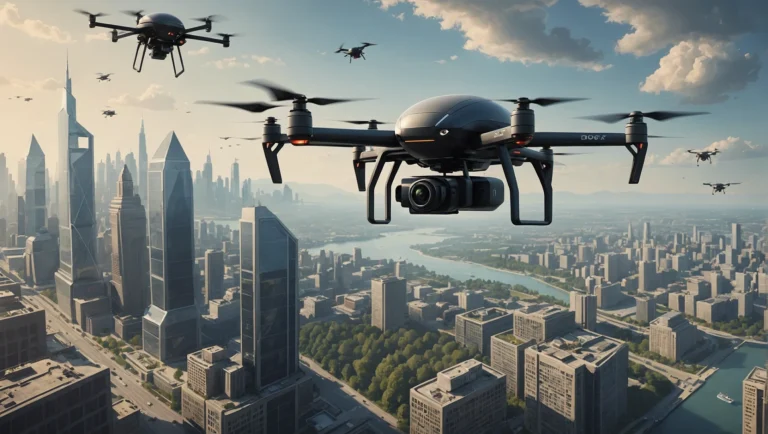

In 2024, drone delivery is no longer a futuristic concept but a reality for businesses looking to streamline operations and enhance customer satisfaction.
This comprehensive guide dives into the nitty-gritty of how drone delivery works for business owners, providing a step-by-step roadmap to integrate this innovative technology into your supply chain successfully.
From evaluating your business needs and choosing the right service provider to navigating regulations and maximizing benefits, we’ve got you covered.
Discover how drone delivery can give your business a competitive edge, reduce costs, and deliver products to your customers faster than ever before.
Ready to take your business to new heights? Let’s explore the world of drone delivery together.
Earn $1,200+/week delivering for local businesses
Driver benefits:
- Steady local business routes
- Weekly pay + tips
- Dedicated support team
- Flexible scheduling
How Drone Delivery Works: A Step-by-Step Guide for Business Owners
Step 1: Evaluate Your Business Needs and Goals
Before implementing drone delivery, it’s crucial to assess whether it aligns with your business model and target audience. Consider the types of products you offer and determine which ones are suitable for drone delivery. Factors such as product size, weight, and fragility play a significant role in determining if drone delivery is a viable option for your business. Explore how drone delivery can complement existing services like curbside pickup, offering customers another layer of convenience and innovation.
Additionally, evaluate the geographical area and distance you want to cover with the drone delivery company. This will help you understand the range and limitations of the service and ensure that it meets your business needs. Moreover, discover how no-touch shipment options can enhance safety by familiarizing yourself with how these delivery services minimize contact and why an increasing number of businesses are adopting them.
Determining Product Suitability for Drone Delivery
When assessing product suitability for drone delivery, consider the following factors:
Size: Products should fit within the dimensions of the drone’s cargo compartment
Weight: Ensure products do not exceed the maximum payload capacity of the drones
Fragility: Delicate items may require extra packaging to prevent damage during flight
Perishability: Time-sensitive products, such as food or medications, must be delivered within a specific timeframe
By carefully evaluating these factors, you can identify which products in your inventory are best suited for drone delivery.
Step 2: Choose a Reliable Drone Delivery Service Provider
Selecting the right drone delivery service provider is essential for the success of your delivery operations. Research and compare different providers to find one that meets your business requirements and offers reliable service.
When evaluating potential providers, consider their technology, including the types of drones they use, their flight range, and payload capacity. Assess their track record for reliability and customer support to ensure they can provide consistent and efficient service. Discover the benefits of drone-based no-contact delivery services and how they are revolutionizing the way we receive our goods with enhanced safety and convenience.
Additionally, ensure that the provider complies with all relevant regulations and safety standards set by aviation authorities. This will help you avoid legal issues and maintain the trust of your customers.
Step 3: Integrate Drone Delivery into Your Supply Chain
To successfully implement drone delivery, you’ll need to adapt your existing inventory management and order fulfillment processes. This may involve updating your warehouse layout to accommodate prime air drone deliveries, packaging, and loading areas, as well as adjusting your inventory tracking systems to monitor drone-delivered orders.
Train your staff on the proper handling and preparation of packages for drone delivery. This includes packaging items securely, attaching necessary labels or barcodes, and ensuring that packages meet the size and weight requirements of the drones delivering packages themselves.
Establish clear communication channels with your drone delivery service provider to ensure smooth operations. This may include integrating your order management system with their platform, setting up real-time tracking and status updates, and defining protocols for handling exceptions or customer inquiries.
Adapting Warehouse Operations for Drone Delivery
To optimize your warehouse for drone delivery, consider the following:
Designate a specific area for drone package preparation and loading
Ensure adequate space for drones to take off and land safely
Implement a system for tracking and monitoring drone-delivered orders
Train staff on proper package handling and drone loading procedures
Step 4: Inform and Educate Your Customers
Once you’ve integrated drone delivery into your business or delivery site, it’s essential to communicate the availability and benefits of this service to your customers. Highlight the convenience, speed, and efficiency of drone delivery, and provide clear instructions on how customers can receive and retrieve their packages.
Create informative content, such as blog posts, videos, or FAQs, to address common concerns and questions about drone package delivery. This may include topics such as package security, delivery timeframes, and what to do in case of a missed delivery.
Consider offering incentives or promotions to encourage customers to try drone delivery, such as discounted shipping rates or exclusive product offerings. This can help build trust and familiarity with the service, leading to increased adoption over time.
Addressing Common Customer Concerns
Be proactive in addressing potential customer concerns about drone delivery, such as:
Privacy: Reassure customers that drones will not invade their privacy or capture unauthorized footage
Safety: Explain the safety features and protocols in place to prevent accidents, drone crashes or injuries
Reliability: Provide information on the steps taken to ensure reliable and timely delivery, even in adverse weather conditions
By transparently addressing these concerns, you can build trust and confidence in your drone delivery service among your customer base.
Maximizing the Benefits of Drone Delivery for Your Business
Faster Delivery Times and Improved Customer Satisfaction
In today’s fast-paced world, customers expect quick and reliable delivery services. Drone delivery can significantly reduce delivery times compared to traditional methods, such as ground transportation. By leveraging the speed and agility of drones, businesses can deliver products to customers in a matter of minutes, rather than hours or days.
The Impact of Faster Delivery on Customer Loyalty
Faster delivery times can greatly enhance customer satisfaction and loyalty. When customers receive their orders promptly, they are more likely to have a positive experience with your brand. This can lead to repeat business, positive reviews, and word-of-mouth referrals. According to a survey by PwC, 55% of consumers intend to boost their online spending over the next six months, highlighting the importance of speedy delivery time and service in today’s market.
Addressing Customer Expectations in the Age of Instant Gratification
In the age of instant gratification, customers have grown accustomed to receiving their orders quickly. With the rise of same-day delivery and next-day delivery options offered by e-commerce giants like Amazon, businesses must adapt to meet these expectations. Drone delivery provides a solution to this challenge, enabling businesses to offer lightning-fast delivery times that cater to the modern consumer’s demands.
Cost Savings and Increased Efficiency
Implementing drone delivery can lead to significant cost savings and increased efficiency for businesses. Businesses can lower their fuel and maintenance expenses by reducing reliance on traditional transportation methods, such as trucks and vans. Additionally, drones can navigate through traffic congestion and access hard-to-reach locations, further optimizing the delivery process.
Reducing Transportation Costs with Drone Delivery
One of the primary benefits of drone delivery is the potential for cost savings in transportation. According to a report by McKinsey & Company, drone delivery could reduce delivery costs by up to 40% in urban areas and 50% in rural areas. This is because drones consume less energy and require less infrastructure compared to traditional delivery vehicles.
Streamlining Operations and Boosting Efficiency
Drone delivery can also streamline operations and boost efficiency by automating the delivery process. With drones, businesses can reduce the need for manual labor, minimizing the risk of human error and increasing the speed and accuracy of deliveries. Additionally, the use of drones in telecom enhances connectivity by providing rapid deployment for network maintenance and coverage expansion. This automation allows businesses to reallocate their resources and focus on other critical aspects of their operations, such as product development and customer service.
Competitive Advantage and Brand Differentiation
Offering drone delivery services can give your business a competitive advantage and help you stand out from the crowd. By embracing innovative technology and providing a unique delivery experience, you can attract new customers and strengthen your brand’s reputation as a forward-thinking and customer-centric organization.
Setting Your Business Apart from Competitors
In a crowded market, differentiation is key to success. By being an early adopter of drone delivery technology, your business can set itself apart from competitors who rely on traditional delivery methods. This differentiation can help you capture market share and attract customers who value innovation and convenience.
Enhancing Your Brand Image and Attracting New Customers
Implementing drone delivery can also enhance your brand image and attract new customers. By showcasing your commitment to technological advancement and environmental sustainability, you can appeal to a wide range of consumers who prioritize these values. Additionally, the novelty and excitement surrounding drone delivery can generate buzz and media attention, further increasing your brand’s visibility and attracting new customers.
Improved Access to Remote and Hard-to-Reach Areas
Drone delivery can revolutionize access and deliver packages to remote and hard-to-reach areas, enabling businesses to serve customers who were previously difficult or impossible to reach. This expanded service area can open up new markets and revenue streams for businesses.
Overcoming Geographical Barriers with Drone Technology
Traditional delivery methods and mail trucks often face challenges when it comes to accessing remote or hard-to-reach locations, such as rural areas, islands, or mountainous regions. Drones, however, can easily navigate these geographical barriers, providing a reliable and efficient means of delivering goods to customers in these areas.
Serving Underserved Communities and Expanding Your Customer Base
By leveraging drone delivery, businesses can tap into underserved communities and expand their customer base. This not only provides a valuable service to these communities but creates new opportunities for business growth. For example, a company called Zipline has been using drones to deliver medical supplies to remote areas in Africa, demonstrating the potential for drone delivery to make a positive impact while expanding a business’s reach.
Environmental Benefits and Sustainability
Drone delivery offers several environmental benefits and can contribute to a business’s sustainability efforts. By reducing reliance on traditional delivery vehicles, drones can help lower carbon emissions and minimize the environmental impact of the delivery process.
Reducing Carbon Emissions and Fuel Consumption
One of the most significant environmental benefits of drone delivery is the reduction in carbon emissions and fuel consumption. Drones are powered by electricity, which can be generated from renewable sources, making them a cleaner alternative to gas-powered delivery vehicles. According to a study by the University of Washington, the use of drones for delivery could reduce greenhouse gas emissions by up to 94% compared to truck delivery.
Contributing to Corporate Social Responsibility and Sustainability Goals
By adopting drone delivery, businesses can demonstrate their commitment to corporate social responsibility and sustainability. This can help attract environmentally conscious customers and investors, as well as improve the company’s reputation in the eyes of the public. Moreover, by setting an example and showcasing the environmental benefits of drone delivery, businesses can encourage other organizations to follow suit, contributing to a greener future.
As your business navigates the exciting world of drone delivery, it’s essential to understand and comply with the relevant regulations and guidelines. In the next section, we’ll explore the key considerations for ensuring your drone delivery operations are safe, legal, and compliant with local officials.
Navigating Drone Delivery Regulations and Compliance
Understanding Federal Aviation Administration (FAA) Rules
To operate a drone delivery service, business owners must familiarize themselves with the FAA’s Part 107 regulations. These rules govern commercial drone operations in the United States. Key requirements include:
Obtaining a Remote Pilot Certificate: Drone pilots must pass an aeronautical knowledge test at an FAA-approved testing center to receive this certification.
Operating within visual line of sight (VLOS): Pilots must maintain direct, unaided visual contact with the drone during flights.
Flying at or below 400 feet: Drones must be operated at or below 400 feet above ground level unless flying near a taller structure.
Daylight operations: Flights are restricted to daylight hours or civil twilight with appropriate anti-collision lighting.
Waivers and Exemptions
In some cases, businesses may need to seek waivers or exemptions from certain FAA rules to optimize their drone delivery operations. For example, flying beyond visual line of sight (BVLOS) or at night could significantly expand a company’s delivery capabilities. To obtain these waivers, businesses must demonstrate that their operations will maintain an equivalent level of safety.
Ensuring Safety and Privacy Compliance
Safety and privacy are paramount concerns in drone delivery. To address these issues, businesses should:
Implement robust safety protocols: Establish clear guidelines for pre-flight checks, maintenance, and emergency procedures. Train pilots to identify and mitigate potential risks.
Protect customer data: Develop policies to safeguard customer information collected during deliveries, such as addresses and package contents. Ensure compliance with relevant data protection regulations like GDPR or CCPA. Learn the nuances of doorstep delivery services to ensure the safe hand-off of packages while respecting customer privacy.
Respect privacy rights: Avoid flying over private property without permission and minimize the collection of incidental data, such as images or video captured during flights.
Liability and Insurance
Drone delivery companies should also carefully consider liability and insurance requirements. Adequate liability coverage is essential to protect against potential damages or injuries caused by drone operations. Some key insurance considerations include:
Hull insurance: Covers damage to the drone itself.
Payload insurance: Protects goods being transported by the drone.
Third-party liability: Covers damage or injury to people or property not directly involved in the drone operation.
Staying Updated on Evolving Regulations
The regulatory landscape for drone delivery is constantly evolving as the industry matures. To stay compliant, business owners must proactively monitor changes in FAA rules and local ordinances. Some strategies to stay informed include:
Subscribing to FAA email updates and newsletters.
Participating in industry associations and attending conferences.
Engaging with local authorities to understand municipal restrictions on drone operations.
Infrastructure and Cost Considerations
Establishing a drone delivery service requires significant investment in infrastructure and technology. Key components include:
Drones: Businesses must select drones with appropriate range, payload capacity, and reliability for their delivery needs.
Ground control systems: Robust software is needed to plan routes, monitor flights, and manage the drone fleet.
Maintenance and charging facilities: Dedicated spaces are required to store, maintain, and charge drones between flights.
Costs can vary widely depending on the scale of the operation, but businesses should budget for expenses such as:
Equipment acquisition and maintenance.
Pilot training and certification.
Insurance and regulatory compliance.
Software development and integration.
Planning for Profitability
To ensure the long-term viability of a drone delivery business, owners must carefully plan for profitability. Key factors to consider include:
Market demand: Assess the potential customer base and their willingness to pay for drone delivery services.
Pricing strategy: Determine a pricing model that covers costs while remaining competitive with traditional delivery methods.
Operational efficiency: Optimize routes, streamline processes, and leverage automation to minimize costs and maximize deliveries per flight.
Scalability: Plan for growth by designing systems and infrastructure that can accommodate increased demand over time.
The global drone delivery service market is expected to reach US$ 7,217.4 million by 2033, growing at a CAGR of 32.7% during the forecast period.
The Future of Drone Delivery: Opportunities and Challenges
Technological Advancements Shaping the Industry
The drone delivery industry is experiencing rapid growth, largely driven by ongoing technological advancements. Autonomous drones, equipped with advanced sensors and intelligent navigation systems, are revolutionizing the way businesses approach last-mile delivery. These cutting-edge technologies enable drones to fly longer distances, carry heavier payloads, and navigate complex environments with unprecedented precision.
One of the most significant advancements is the development of collision avoidance systems, which allow drones to detect and avoid obstacles in real time. This technology is crucial for ensuring safe operations, particularly in urban areas with tall buildings and other infrastructure. Additionally, the integration of artificial intelligence (AI) and machine learning algorithms is enabling drones to make more intelligent decisions, adapt to changing conditions, and optimize their routes for maximum efficiency.
The Impact of 5G Networks on Drone Delivery
The rollout of 5G networks is another technological advancement that is expected to have a profound impact on the drone delivery industry. With its high bandwidth, low latency, and increased connectivity, 5G will enable drones to communicate and exchange data more efficiently, leading to improved performance and reliability. This enhanced connectivity will also facilitate the deployment of large-scale drone fleets, allowing businesses to scale their operations and serve a wider customer base.
Potential Challenges and Limitations
Despite the numerous benefits and opportunities presented by drone delivery, there are still several challenges and limitations that need to be addressed. Weather conditions, such as strong winds, heavy rain, and extreme temperatures, can significantly impact the performance and safety of drones. These limitations can restrict operating hours and cause delays in delivery schedules, particularly in regions with unpredictable weather patterns.
Another challenge is the limited payload capacity of current drone models. While advancements are being made to increase the weight that drones can carry, most drones are still limited to relatively small and lightweight packages. This restriction can impact the types of products that can be delivered via drone and may require businesses to adapt their packaging and product offerings accordingly.
Range restrictions also pose a challenge for drone delivery operations. Most drones have a limited flight range due to battery constraints, which can restrict the distance they can travel from their base stations. This limitation can impact the coverage area and the ability to serve customers in remote or hard-to-reach locations. However, ongoing research and development efforts are focused on improving battery technology and exploring alternative power sources to extend the range and endurance of delivery drones.
The Growing Adoption of Drone Delivery Across Industries
Despite the challenges, the adoption of drone delivery is growing across various industries, each adapting the technology to suit their specific needs and requirements. The healthcare sector has been one of the early adopters, leveraging drones to transport medical supplies, vaccines, and even organs for transplantation. Drones have proven invaluable in delivering essential items to remote or disaster-stricken areas, where traditional transportation methods may be impractical or impossible.
The retail e-commerce industry is also embracing drone delivery as a means to enhance customer experience and streamline last-mile logistics. Major players, such as Amazon and Walmart, are actively exploring and testing drone delivery services to reduce delivery times and costs. By offering faster and more convenient delivery options, these companies aim to gain a competitive edge and meet the ever-growing demands of online shoppers.
Drone Delivery in the Food and Beverage Industry
The food and beverage industry is another sector that is beginning to explore the potential of drone delivery. Food delivery platforms and restaurants are partnering with drone companies to offer rapid and cost-efficient delivery of meals and snacks. This application of drone technology can be particularly beneficial in urban areas with high population density and traffic congestion, where traditional delivery methods can be time-consuming and unreliable. Drone delivery can bring the food in less than an hour.
The Role of Partnerships and Collaborations
As the drone delivery industry continues to evolve, partnerships and collaborations between drone manufacturers, logistics providers, and businesses will play a crucial role in driving innovation and adoption. These collaborations can foster the development of industry-specific solutions, address common challenges, and create new growth opportunities.
For example, drone manufacturers can work closely with logistics providers to design and optimize drones specifically for delivery operations, taking into account factors such as payload capacity, range, and weather resistance. Similarly, businesses can partner with drone delivery service providers to integrate drone technology into their existing supply chain and logistics processes, enabling them to offer faster and more efficient delivery options to their customers.
The Importance of Stakeholder Engagement
In addition to partnerships within the industry, engaging with external stakeholders, such as regulators, local communities, and consumer advocacy groups, is essential for the successful adoption and growth of drone delivery. By actively collaborating with these stakeholders, the industry can address concerns, develop best practices, and ensure that the benefits of drone delivery are realized while minimizing potential negative impacts.
For businesses considering implementing drone delivery, it is crucial to stay informed about the latest technological advancements, industry trends, and regulatory developments. Attending industry conferences, participating in pilot projects, and engaging with experts can provide valuable insights and help businesses make informed decisions about integrating drone technology into their operations.
As the drone delivery industry continues to evolve, businesses that embrace this technology and adapt to the changing landscape will be well-positioned to capitalize on the numerous opportunities it presents. By staying at the forefront of technological advancements, addressing challenges head-on, and collaborating with partners and stakeholders, businesses can unlock new levels of efficiency, convenience, and customer satisfaction in their delivery operations.
Is Drone Delivery Right for Your Business? A Cost-Benefit Analysis
Evaluating the Costs of Implementing Drone Delivery
Implementing drone delivery into your business operations requires a thorough understanding of the associated costs. These costs can be divided into upfront and ongoing expenses. Discover how adopting drone-based direct delivery services can revolutionize your logistics, streamline your delivery process, and enhance your overall operational efficiency.
Upfront Costs
Upfront costs include the initial investment in equipment, such as drones, charging stations, and control systems. The cost of drones varies depending on their size, range, and payload capacity. High-end delivery drones can cost several thousand dollars each. Additionally, you may need to invest in a fleet management system to monitor and control your drone operations. Looking to expedite your delivery services? Discover the advantages of rapid hot shot delivery and see why it’s the solution you’ve been searching for.
Training your staff to operate and maintain the drones is another upfront cost to consider. Depending on the complexity of your drone delivery system, you may need to hire experienced pilots or invest in comprehensive training programs for your existing employees.
Ongoing Costs
Ongoing costs include maintenance, repairs, and insurance. Drones require regular maintenance to ensure they remain in good working condition. This may involve replacing batteries, propellers, and other components. You should also factor in the cost of repairs in case of accidents or malfunctions.
Insurance is another important ongoing cost. Drone delivery operations carry risks, such as property damage or injury to bystanders. Liability insurance can help protect your business from potential legal and financial repercussions.
Assessing the Potential Benefits and ROI
While the costs of implementing drone delivery may seem daunting, it’s essential to consider the potential benefits and return on investment (ROI) for your business.
Cost Savings and Efficiency Gains
Drone delivery can help reduce transportation costs by eliminating the need for traditional delivery vehicles and drivers. This can lead to faster deliveries and significant savings on fuel, vehicle maintenance, and labor costs. Additionally, drones can navigate traffic congestion and reach remote areas more efficiently than ground-based delivery methods, resulting in faster delivery times and improved customer satisfaction.
Revenue Growth Opportunities
Offering drone delivery services can help differentiate your business from competitors and attract new customers. The novelty and convenience of drone delivery may encourage customers to choose your business over others. Moreover, faster delivery times can lead to increased customer loyalty and repeat business.
To calculate the potential ROI of drone delivery for your business, consider the following factors:
Estimated cost savings from reduced transportation and labor costs
Projected increase in sales and revenue due to improved customer satisfaction and loyalty
Competitive advantage gained by offering drone delivery services
Making an Informed Decision
Before deciding whether to invest in drone delivery for your business, it’s crucial to weigh the costs and benefits carefully. Conduct thorough research on the available technology, regulations, and best practices in your industry.
Consult with experts, such as drone manufacturers, logistics providers, and legal advisors, to gain a comprehensive understanding of the challenges and opportunities associated with drone delivery. They can help you assess the feasibility and profitability of implementing drone delivery in your specific business context. Seeking a seamless and premium shipping experience for your discerning customers? Explore the benefits of premium white-glove delivery services, tailored for safe and efficient delivery of high-value items.
Additionally, consider the scale of your operations and the potential impact on your existing infrastructure and workforce. Determine whether your business has the resources and capabilities to integrate drone delivery into its operations successfully.
Ultimately, the decision to implement drone delivery should be based on a careful analysis of your business’s unique circumstances, goals, and resources. By evaluating the costs, benefits, and potential ROI, you can make an informed decision that aligns with your business strategy and long-term objectives.
Embracing the Sky: Your Business’s Future with Drone Delivery
Drone delivery offers a groundbreaking solution for businesses looking to streamline operations, cut costs, and provide exceptional customer service. By following the steps outlined in this guide, you can effectively integrate drone delivery into your supply chain and reap the benefits of this innovative technology.
Is your business ready to take flight?
Implementing drone delivery requires careful planning and consideration. Evaluate your business needs, choose a reliable service provider, and ensure compliance with regulations. Once you’ve laid the groundwork, you can unlock the potential of faster delivery times, increased efficiency, and a competitive edge in your industry.
As drone technology continues to advance, the opportunities for businesses are limitless. By staying informed and adaptable, you can position your business at the forefront of this exciting frontier.
Take the first step today. Assess your business’s readiness for drone delivery and start exploring the possibilities. With the right strategy and partners, you can revolutionize the way you serve your customers and grow your business.
What unique logistical challenges does your business face that drone delivery could help solve?