
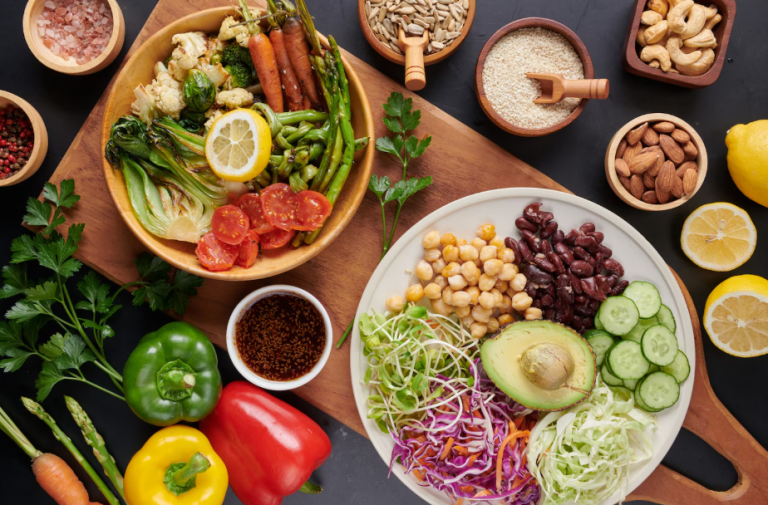

Want to know which meals in an Anti Inflammatory Meal Plan sell best? The top sellers combine scientific backing with practical preparation methods while addressing common health concerns like arthritis, gut health, and heart disease.
These meals stand out by using accessible ingredients like turmeric, ginger, and fatty fish—not exotic superfoods. Successful Anti Inflammatory Meal Plans also balance taste with health benefits, as consumers won’t buy what they won’t enjoy eating, no matter how healthy it claims to be.
Metrobi drivers are rated 4.97/5
Trusted by local businesses for:
- Background-checked professionals
- Specialized in business deliveries
- Same drivers for consistency
- 4.97/5 average delivery rating
What an Anti Inflammatory Meal Plan Looks Like to Fight Inflammation?
Anti-inflammatory meals focus on whole foods that fight chronic inflammation.
Base your plate on colorful vegetables, lean proteins, whole grains, and healthy fats.
These meals help reduce pain, improve energy, and lower disease risk.
Anti-inflammatory meals aren’t just a health trend—they’re a practical approach to eating that can help reduce chronic inflammation in your body. These meals focus on whole, unprocessed foods while limiting ingredients known to increase inflammation, which is the body’s natural response to protect itself.
Core Components of Anti-Inflammatory Meals
The foundation of any anti-inflammatory meal starts with filling about half your plate with colorful fruits and vegetables. These plant foods, including cruciferous vegetables and citrus fruits, contain powerful antioxidants and phytonutrients that help damage cells less.
Lean proteins make up another key component, with fish being particularly valuable. Fatty fish like salmon, mackerel, and sardines provide omega-3 fatty acids that actively support the immune system. Other good protein sources include skinless chicken breast, turkey, tofu, tempeh, edamame dairy and legumes like beans and lentils.
Whole grains provide complex carbohydrates in an anti-inflammatory meal. Brown rice, quinoa, oats, and products made from whole wheat flour offer fiber and nutrients that refined grains lack.
Healthy fats round out the anti-inflammatory plate. Olive oil serves as the primary fat source, with nuts, seeds, and avocados also playing important roles. These foods contain monounsaturated fats and other compounds that help reduce inflammatory markers in the body.
“The anti-inflammatory diet is much like the Mediterranean diet, emphasizing whole, unprocessed foods…promotes eating nutrient-rich foods like salmon, berries, and nuts,” explains Samantha Cassetty, MS, RD, nutrition and wellness expert.
How to Identify Anti-Inflammatory Foods
Many people wonder how to tell if a food has anti-inflammatory properties. The simplest of the dietary approaches is to focus on many foods with vibrant, natural colors. The compounds that give fruits and vegetables their bright hues—like anthocyanins in purple fruits or lycopene in cherry tomatoes and red bell peppers—often have anti-inflammatory effects.
Foods high in omega-3 fatty acids are strongly anti-inflammatory. Beyond fatty fish, walnuts, flax seeds, and chia seeds and hemp seeds contain plant-based omega-3s that help counter inflammation.
High-fiber foods support a healthy gut microbiome, which plays a key role in managing inflammation. Beans, lentils, whole grains, and most fruits and vegetables contain fiber that feeds beneficial gut bacteria.
Spices and herbs deserve special attention for their concentrated anti-inflammatory compounds. Turmeric (with its active component curcumin), ginger, cinnamon, and garlic have all shown significant anti-inflammatory effects in research studies.
What to Avoid in Anti-Inflammatory Eating
Understanding what an inflammatory diet looks like helps clarify what to avoid. Inflammatory diets typically contain:
Ultra-processed foods with long ingredient lists
Sugary foods with added cane sugar and refined carbohydrates
Fried foods and those containing trans fats and high levels of saturated fat
Processed meats like hot dogs, bacon, and deli meats
Excessive amounts of red meat
Snack foods high in omega-6 fatty acids (like some vegetable oils)
American Diet Composition: In the typical American diet, about 50% of daily calories came from carbohydrates, 15% from protein, and 35% from fat (based on 2006 data).
These foods can trigger inflammatory responses in the body, particularly when consumed regularly. Replacing them with anti-inflammatory alternatives forms the basis of an inflammation-fighting eating pattern. A diet rich in these components can be a factor in weight loss.
Excessive Consumption: Among Americans, 89% consume more sodium than recommended; 72% consume excessive oils; 71%, too much saturated fat; and 70%, excessive added sugars.
Sample Anti-Inflammatory Meals
Seeing examples helps make the concept concrete. Here are some typical anti-inflammatory meals:
Breakfast options:
Overnight oats with berries, walnuts, and a sprinkle of cinnamon
Vegetable omelet with avocado and whole-grain toast
Greek yogurt topped with fresh fruit, flaxseeds, and a drizzle of honey
Lunch ideas:
Mediterranean bowl with quinoa, chickpeas, cucumbers, tomatoes, and olive oil
Lentil soup with a side salad dressed with olive oil and lemon juice
Tuna salad (made with olive oil instead of mayonnaise) on whole-grain bread
Dinner examples:
Grilled salmon with roasted broccoli and sweet potato
Stir-fried tofu with colorful vegetables and brown rice
Chicken breast with sautéed spinach and small portion of whole grain pasta, perhaps with a glass of red wine.
Snacks:
Handful of mixed nuts
Apple slices with nut butter
Hummus with carrot and cucumber sticks
About half your plate should be fruits or vegetables in each anti-inflammatory meal. This visual guide helps ensure you’re getting adequate amounts of these protective foods, such as 1 cup of berries.
Why Do People Struggle with Chronic Inflammation and Anti-Inflammatory Meal Plans?
Most people lack a clear understanding of which foods cause inflammation.
Finding practical substitutes for inflammatory ingredients is challenging.
Time constraints and social pressures create barriers to consistent implementation.
Lack of Knowledge About Inflammatory Foods
Despite growing interest in anti-inflammatory eating, many people remain unaware of which foods trigger inflammation in their bodies. This high percentage reflects a significant knowledge gap about inflammatory foods.
Pro-Inflammatory Diet Prevalence: A study using the Dietary Inflammatory Index found that 57% of U.S. adults follow a pro-inflammatory diet.
Dietary Imbalance: The same research reported that 34% of participants had anti-inflammatory diets, with 9% having neutral inflammatory levels.
The confusion stems partly from the fact that many inflammatory foods are deeply embedded in typical Western diets. Highly processed foods, refined carbohydrates, and foods with added sugars appear in countless packaged products, making them hard to identify without careful label reading. Even foods marketed as “healthy” often contain hidden inflammatory ingredients.
Elevated Health Risks: Nearly 60% (i.e., almost 6 in 10) of Americans consume inflammatory diets, elevating their risk of heart disease and cancer.
Another knowledge barrier is the contradictory information about certain food groups. The same applies to nightshade vegetables like tomatoes and eggplants, which contain compounds that may trigger inflammation in sensitive individuals but offer anti-inflammatory benefits for others. Without understanding these nuances, people struggle to personalize their anti-inflammatory approaches. As Liz Moore, RD, from Harvard-affiliated Beth Israel Deaconess Medical Center states, “To fight inflammation, go for whole, unprocessed foods with no added sugar: fruits, vegetables, whole grains, legumes (beans, lentils), fish, poultry, nuts, seeds, a little bit of low-fat dairy, and olive oil.”
The Challenge of Identifying Hidden Inflammatory Ingredients
The food industry’s complex labeling practices create another layer of difficulty. Many inflammatory ingredients hide behind scientific or technical names on nutrition labels. For example, most consumers don’t recognize that ingredients like “hydrolyzed vegetable protein” often contain MSG (monosodium glutamate), which can trigger inflammatory responses in sensitive individuals. Similarly, various forms of added sugar—there are over 50 different names—can be scattered throughout an ingredients list, making it difficult to assess the total inflammatory load.
Consumer Confusion with Labels: A Spoon Guru survey found that 72% of consumers do not understand recommended levels of salt, fat, and sugar; just 28% felt confident deciphering nutrient values.
This identification challenge becomes particularly problematic with prepared foods and restaurant meals, where complete ingredient information may not be readily available. Without clear information, even those motivated to reduce inflammation find themselves inadvertently consuming problematic ingredients.
Label Reading Habits: According to an FDA study, 87% of U.S. adult consumers reported ever looking at a Nutrition Facts label.
Confusion Over Ingredient Substitutes
Finding suitable replacements for inflammatory ingredients presents another significant hurdle. Many people understand they should avoid certain foods but struggle to identify practical, accessible substitutes that maintain flavor and texture while reducing inflammatory potential.
Frequency of Label Use: Of those, 23% said they “always” use the Nutrition Facts label when buying, 34% said “most of the time,” and 31% said “sometimes.”
The challenge of ingredient substitution becomes particularly evident in baking and cooking staples. Refined white flour, a pro-inflammatory ingredient, forms the base of countless recipes. While alternatives like almond flour or coconut flour exist, they behave differently in recipes, requiring adjustments to liquid ratios and binding agents. Without understanding these technical cooking differences, attempts at substitution often lead to disappointing results that discourage continued efforts.
Similarly, finding alternatives for dairy products, refined sugars, and vegetable oils requires both knowledge and culinary experimentation. Plant-based milk alternatives vary widely in protein content, fat composition, and cooking stability. Sugar substitutes range from natural options like honey and maple syrup (which still affect blood sugar) to sugar alcohols and stevia (which may cause digestive issues for some). As noted by Rupa Health, “In a world full of processed and refined foods, a lack of ingredient availability can present a major challenge to an anti-inflammatory eating plan. Choose grocery stores that offer store brands and focus on clean ingredients at more reasonable prices.”
Misconceptions About Anti-Inflammatory Substitutes
A common misconception is that any plant-based alternative automatically qualifies as anti-inflammatory. This oversimplification leads many to replace inflammatory ingredients with equally problematic substitutes. For example, many commercial plant-based meat alternatives contain highly processed ingredients, inflammatory oils, and excessive sodium—potentially making them more inflammatory than moderate portions of minimally processed animal products.
Similarly, gluten-free products are often assumed to be anti-inflammatory, yet many contain refined starches, added sugars, and preservatives that can trigger inflammation. The health food marketplace capitalizes on these misconceptions, marketing products with health halos that disguise their inflammatory potential. Without a deeper understanding of what truly makes a food anti-inflammatory—factors like processing methods, fatty acid balance, and glycemic impact—consumers struggle to make effective substitutions.
Time Constraints and Preparation Challenges
Modern lifestyles present significant barriers to maintaining anti-inflammatory eating patterns. Long work hours, commuting, and family responsibilities leave limited time for the planning, shopping, and preparation that anti-inflammatory cooking requires.
Anti-inflammatory meals typically rely on fresh, whole foods that require washing, chopping, and cooking from scratch. Unlike processed convenience foods designed for minimal preparation, these ingredients demand more time in the kitchen. For instance, preparing a simple anti-inflammatory dinner of grilled fish, roasted vegetables, and quinoa might take 45 minutes from start to finish—time many busy professionals simply don’t have on weeknights.
The planning aspect presents another time-related challenge. Anti-inflammatory eating requires thoughtful meal planning to ensure nutritional balance and ingredient variety. Without advance planning, people often default to convenient but inflammatory options.
The Fresh Food Expiration Problem
The short shelf life of many anti-inflammatory foods creates additional complications. Fresh produce, seafood, and other perishable anti-inflammatory ingredients require frequent shopping trips and timely consumption before spoilage. Without proper storage knowledge or regular shopping routines, people experience food waste that becomes both financially and environmentally costly.
This problem becomes particularly acute for individuals who travel frequently or have unpredictable schedules. Unlike shelf-stable processed foods, the fresh ingredients central to anti-inflammatory eating don’t accommodate schedule disruptions well. This reality forces many to choose between wasting food or compromising their anti-inflammatory goals.
Budget Constraints and Accessibility Issues
Financial considerations create substantial barriers to anti-inflammatory eating. Many anti-inflammatory staples—wild-caught fish, organic produce, nuts, seeds, and cold-pressed oils—come with premium price tags that exceed typical grocery budgets.
Price comparisons reveal significant cost differences between inflammatory and anti-inflammatory options. These price differences add up quickly in weekly shopping, forcing budget-conscious consumers to make compromises that may increase inflammatory load.
Access to anti-inflammatory foods presents additional challenges, particularly in food deserts and rural areas. Without consistent access to fresh produce, whole grains, and quality proteins, maintaining an anti-inflammatory eating pattern becomes nearly impossible, regardless of knowledge or intention.
Seasonal and Regional Availability Challenges
The seasonal nature of many anti-inflammatory foods creates additional complexity. Fresh berries, a cornerstone anti-inflammatory food group, may be affordable and abundant in summer but prohibitively expensive in winter. Similarly, certain anti-inflammatory fish varieties may be unavailable or low-quality in inland regions.
While frozen options can help bridge seasonal gaps, they often come with higher price points than their fresh counterparts during peak season. This seasonality requires additional planning knowledge and storage solutions that many people lack, creating yet another barrier to consistent anti-inflammatory eating.
Social Pressures and Cultural Barriers
Social and cultural factors significantly impact dietary choices, often creating tension between anti-inflammatory goals and participation in social activities. Dining out, family gatherings, and workplace functions frequently center around foods with high inflammatory potential.
Restaurant menus typically feature dishes high in inflammatory ingredients like refined carbohydrates, industrial seed oils, and added sugars. Even when healthier options exist, limited information about preparation methods makes informed choices difficult. The pressure to participate in group dining experiences often forces compromises in anti-inflammatory eating goals. As Rupa Health notes, “Sticking with an anti-inflammatory eating plan comes with many challenges. From time constraints to cost considerations and specific diet obstacles to social eating pressures, recognizing and planning for these challenges can help keep you on track with your anti-inflammatory eating plan.”
Cultural food traditions present another layer of complexity. Many cultural cuisines include dishes with strong anti-inflammatory components alongside inflammatory ones. Navigating these mixed elements while honoring cultural heritage requires nuanced knowledge that many people lack.
The Challenge of Feeding Multiple Preferences
Household dining dynamics create additional barriers, particularly when family members have different dietary needs or preferences. Parents report significant challenges implementing anti-inflammatory eating when children or partners resist unfamiliar foods or preparation methods. The practical reality of preparing separate meals seems unsustainable for most busy households.
This challenge extends beyond immediate family to social circles. When friends, colleagues, or extended family members don’t share anti-inflammatory eating goals, social events become potential points of conflict or compromise. The desire to avoid appearing difficult or high-maintenance often leads people to temporarily abandon their anti-inflammatory plans in social contexts, creating a cycle of inconsistency that undermines long-term health goals.
Information Overload and Contradictory Advice
The abundance of nutrition information available today creates a paradoxical barrier: information overload. With countless books, websites, and social media accounts offering anti-inflammatory advice—often with contradictory recommendations—many people feel paralyzed by confusion.
This confusion is compounded by the evolving nature of nutrition science. Research on inflammation continues to develop, sometimes leading to revised recommendations that contradict previous advice. These contradictions erode confidence in anti-inflammatory guidelines, making consistent implementation difficult.
The scientific terminology surrounding anti-inflammatory nutrition presents another knowledge barrier. Terms like “polyphenols,” “antioxidants,” and “omega-3/omega-6 ratio” require background knowledge that most people lack. As explained in News Medical, “Polyphenols, which are found in berries, extra-virgin olive oil, dark chocolate, and red grapes, are recognized for their potent antioxidant and anti-inflammatory properties. Omega-3 fatty acids, primarily eicosapentaenoic acid and docosahexaenoic acid, are present in fatty fish, flaxseeds, and walnuts.”
For most consumers without scientific backgrounds, this terminology creates an accessibility barrier that makes it difficult to evaluate claims or understand the underlying mechanisms of anti-inflammatory nutrition. This knowledge gap leaves many vulnerable to misinformation or oversimplified advice that fails to address the complexity of individual inflammatory responses.
How to Build an Effective Anti-Inflammatory Diet Plan
Create a balanced plan with foods that fight inflammation.
Learn which foods to include and which to avoid.
Establish practical habits that fit your lifestyle.
Step 1: Identify Anti-Inflammatory Foods
The foundation of any anti-inflammatory meal plan starts with selecting the right foods. Research shows that certain foods contain compounds that help reduce inflammation in the body. These foods should form the core of your eating strategy.
Let’s start with protein sources. Fish rich in omega-3 fatty acids—like salmon, mackerel, and sardines—are excellent choices. Plant proteins like beans, lentils, and chickpeas provide protein while offering fiber that supports gut health. Lean chicken and turkey are also good options when chosen without added hormones or antibiotics.
For fruits and vegetables, focus on variety and color. Berries (blueberries, strawberries, blackberries) contain antioxidants called anthocyanins that fight inflammation. Dark leafy greens such as spinach, kale, and collard greens provide vitamins, minerals, and plant compounds that reduce inflammatory markers. Orange and yellow vegetables like sweet potatoes, carrots, and bell peppers contain carotenoids that help reduce inflammation.
Essential Anti-Inflammatory Food Groups
Healthy fats deserve special attention in your anti-inflammatory plan. Extra virgin olive oil contains oleocanthal, which has similar anti-inflammatory effects to ibuprofen. Avocados provide monounsaturated fats that help reduce inflammation. Nuts (especially walnuts) and seeds (like chia, flax, and hemp) contain alpha-linolenic acid, an omega-3 fatty acid with anti-inflammatory properties.
Whole grains should replace refined grains. Brown rice, quinoa, oats, and barley contain fiber and antioxidants that help reduce inflammation. Fermented foods like yogurt, kefir, sauerkraut, and kimchi support gut health, which is closely linked to inflammation levels.
Herbs and spices add flavor while fighting inflammation. Turmeric contains curcumin, a powerful anti-inflammatory compound. Ginger, cinnamon, and garlic all have demonstrated anti-inflammatory effects. “To fight inflammation, go for whole, unprocessed foods with no added sugar: fruits, vegetables, whole grains, legumes (beans, lentils), fish, poultry, nuts, seeds, a little bit of low-fat dairy, and olive oil. To these, many people add herbs and spices like cinnamon, ginger, and turmeric. There are a few studies that suggest modest benefits,” says Dr. Eric Rimm, professor at Harvard T.H. Chan School of Public Health.
Step 2: Create Balanced Meals
Building balanced meals ensures you get proper nutrition while maintaining anti-inflammatory benefits. Each meal should include proteins, complex carbohydrates, healthy fats, and plenty of fruits or vegetables.
Start by dividing your plate. Fill half with non-starchy vegetables and fruits. Reserve one quarter for lean proteins and the remaining quarter for whole grains or starchy vegetables. This visual approach makes meal planning more intuitive. Add a small amount of healthy fat through oils, nuts, seeds, or avocado.
Aim for variety in each food group. Eating the same foods repeatedly can create nutritional gaps and lead to boredom. Try to include at least 30 different plant foods weekly to support gut microbiome diversity, which helps regulate inflammation.
Practical Meal Construction Tips
Breakfast can be challenging for many people. Consider options like overnight oats with berries and walnuts, or a vegetable omelet with a side of whole grain toast. Greek yogurt with fruit and a sprinkle of nuts provides protein and anti-inflammatory compounds to start your day.
Lunch and dinner follow similar principles but can include more diverse ingredients. Build bowls with a base of greens or whole grains, add protein (fish, chicken, or legumes), pile on colorful vegetables, and top with healthy fats like avocado, olive oil, or nuts.
Portion control matters even with healthy foods. Use measuring cups initially until you develop an eye for proper portions. Most people underestimate how much they eat, especially with calorie-dense foods like nuts, oils, and whole grains.
“The anti-inflammatory diet is less like a diet with restrictive meal plans and more like a guide for eating nutrient-dense, unprocessed or minimally processed foods and a lot of vegetables, much like the Mediterranean diet or DASH diet,” says Dr. Mari Ricker, professor of family and community medicine at the University of Arizona. DASH stands for Dietary Approaches to Stop Hypertension.
Step 3: Avoid Foods That Trigger Inflammation
Identifying and eliminating inflammatory foods is just as important as adding anti-inflammatory ones. Some foods directly trigger inflammatory responses, while others contribute to conditions that promote inflammation, like rheumatoid arthritis.
Refined sugars top the list of foods to avoid. They cause blood sugar spikes that trigger inflammatory responses. Check ingredient lists for sugar in its many forms: high-fructose corn syrup, dextrose, maltose, and sucrose. Sodas, candies, baked goods, and many breakfast cereals contain high amounts of added sugars.
Added Sugar Consumption: Americans consume more than 13% of their daily calories as added sugars.
Excessive salt intake increases blood pressure and promotes inflammation. Processed foods typically contain much more sodium than home-cooked meals. Read labels and aim to keep sodium intake below 2,300 mg daily (about one teaspoon of salt).
Major Inflammatory Food Categories
Processed meats like bacon, sausage, hot dogs, and deli meats contain preservatives that can trigger inflammation. The World Health Organization classifies processed meats as carcinogens, partly due to their inflammatory effects. Limit these significantly or eliminate them entirely.
High-fat dairy products can promote inflammation in some people. Consider switching to plant-based alternatives or choosing low-fat options. Fermented dairy like yogurt and kefir may be better tolerated and can actually help reduce inflammation through their probiotic content.
Refined carbohydrates like white bread, pasta, and rice have been stripped of fiber and nutrients. They behave similarly to sugar in the body, causing blood sugar spikes that promote inflammation. Choose whole grain versions instead.
Trans fats and partially hydrogenated oils are among the most inflammatory food components. Found in many processed and fried foods, these fats directly trigger inflammatory responses. Check ingredient lists and avoid products containing them.
Step 4: Plan and Prep for Success
A good anti-inflammatory meal plan requires preparation. Without planning, you’ll likely default to convenient but less healthy options when hungry.
Start with a weekly meal plan. Choose simple recipes that incorporate anti-inflammatory foods. Plan for leftovers to reduce cooking frequency. Create a shopping list based on your meal plan to avoid impulse purchases of inflammatory foods.
Batch cooking saves time and ensures healthy meals are always available. Dedicate a few hours each week to preparing basics like roasted vegetables, cooked whole grains, and portioned proteins. These components can be mixed and matched for various meals throughout the week.
Time-Saving Preparation Strategies
Stock your pantry with anti-inflammatory staples. Keep canned beans, whole grains, nuts, seeds, olive oil, and spices on hand. In the freezer, store frozen berries, vegetables, and portions of cooked proteins or meals.
Use time-saving kitchen tools. A slow cooker or pressure cooker can prepare meals while you’re busy elsewhere. Food processors speed up chopping, and good storage containers keep prepped food fresh longer.
Prepare grab-and-go options for busy days. Make overnight oats, cut vegetables with hummus, or assemble mason jar salads that can be quickly grabbed from the refrigerator. Having these ready prevents choosing inflammatory convenience foods when pressed for time.
Step 5: Monitor Your Body’s Response
Not everyone responds the same way to all foods. What works well for one person might cause problems for another. Pay attention to how your body reacts to different foods.
Keep a food journal for at least two weeks when starting your anti-inflammatory plan. Record what you eat and any symptoms you experience like digestive issues, fatigue, joint pain, skin problems, or mood changes. This helps identify personal trigger foods that may not be on the standard “avoid” lists.
Consider trying an elimination diet if you suspect specific food sensitivities. Remove common inflammatory foods completely for 3-4 weeks, then reintroduce them one at a time, monitoring for reactions. “Following a temporary elimination diet removes the anti-inflammatory irritants that are damaging your health, and helps you transition to a healthier lifestyle. The 3-week elimination plan serves as a ‘reset’ for your body, allowing inflammation levels to subside and providing clarity on how different foods affect you personally.”
Tracking Progress and Making Adjustments
Measure progress beyond just how you feel. Track inflammation markers if possible through blood tests like C-reactive protein and erythrocyte sedimentation rate. Note changes in weight, energy levels, sleep quality, and any chronic symptoms you were experiencing before.
Make adjustments based on your observations. If certain foods consistently trigger symptoms, eliminate them regardless of their general reputation. If you’re not seeing benefits after 4-6 weeks, consider consulting a dietitian who specializes in anti-inflammatory diets for personalized guidance.
Remember that consistency matters more than perfection. “This meal plan is designed specifically to reduce the frequency of inflammation and improve overall gut health,” says Allen Campbell, a chef known for working with Tom Brady and Gisele Bündchen.
Step 6: Build Sustainable Habits
The most effective anti-inflammatory meal plan is one you can maintain long-term. Build habits that make healthy choices automatic rather than requiring constant willpower.
Start small rather than overhauling your entire diet at once. Choose one meal to improve first, like breakfast. Once that becomes routine, move on to lunch or dinner. Gradually phase out inflammatory foods while adding anti-inflammatory ones.
Find ways to make anti-inflammatory eating enjoyable. Experiment with herbs and spices to add flavor without salt or sugar. Try new recipes and cooking methods. Anti-inflammatory eating should feel satisfying, not like punishment.
Creating Long-Term Success Strategies
Plan for social situations and dining out. Research restaurant menus in advance and identify anti-inflammatory options. When attending social gatherings, eat something healthy beforehand to reduce temptation, or bring an anti-inflammatory dish to share.
Allow for occasional flexibility. An all-or-nothing approach often leads to abandoning the plan entirely. Consider following an 80/20 approach—stick to your anti-inflammatory plan 80% of the time, allowing for less ideal choices 20% of the time for special occasions or convenience.
Connect with others following similar eating patterns. Online communities, local groups, or even one accountability partner can provide support, recipe ideas, and motivation. Sharing successes and challenges makes the journey easier and more enjoyable.
How a Registered Dietitian Can Prevent Meal Plan Failures
Identify and fix common causes of meal plan abandonment.
Learn how to keep your anti-inflammatory meal plans sustainable long-term.
Discover strategies for creating flexible, realistic eating plans that clients stick with.
Anti-inflammatory meal plans often fail despite good intentions. Success requires more than just knowing which foods to include or avoid. It requires practical strategies to overcome real-world challenges. Let’s examine how to create meal plans that actually work long-term.
Continuous Education on Food Choices
Knowledge about anti-inflammatory foods is always growing. Research constantly brings new insights about how different foods affect inflammation levels in the body. Without ongoing education, meal plans can become outdated or less effective.
For professionals creating meal plans for clients, staying current with nutritional research is not optional—it’s essential. Subscribe to reputable nutrition journals, attend workshops, and follow trusted health organizations like Harvard Health, Mayo Clinic, or the Academy of Nutrition and Dietetics. Set aside time weekly to review new studies about anti-inflammatory foods and their effects on health conditions. This consistent learning helps you adjust recommendations based on the latest science rather than outdated information.
For individuals following their own anti-inflammatory meal plans, regular education prevents the common pattern of initial enthusiasm followed by gradual abandonment. Set up news alerts for topics like “anti-inflammatory diet research” or “inflammation and nutrition.” Join online communities focused on anti-inflammatory eating where members share new information and research findings. This ongoing learning helps maintain motivation by connecting daily food choices to health outcomes.
Implementing an Education Calendar
Create a structured approach to education by developing a learning calendar. For professionals, this might include:
Weekly review of one new research paper on inflammation and diet
Monthly attendance at a webinar or professional development session
Quarterly deep-dive into specific anti-inflammatory food categories
Annual review of your entire meal planning approach based on accumulated knowledge
For individuals, a simpler calendar works well:
Weekly reading of one article from a trusted health source
Monthly experiment with a new anti-inflammatory ingredient or recipe
Quarterly check-in with a nutrition professional to discuss progress and new information
Research shows that consistent education is crucial for long-term dietary changes. As registered dietitian Keren Reiser states: “Lack of customization is often an issue for people following a meal plan – especially in the long term. I encourage all my clients to share their recipes with me so we can discuss the overall nutritional value and make healthy substitutions and tweaks.”
Creating Educational Resources for Clients
For nutrition professionals and meal plan creators, developing educational materials for clients prevents plan abandonment. These resources should:
Explain the “why” behind food recommendations in simple terms
Provide answers to common questions about anti-inflammatory eating
Include troubleshooting guides for common challenges
Offer substitution charts for inflammatory ingredients
Education materials work best when they address specific obstacles. For example, create guides for dining out, holiday eating, travel, and busy workweeks. These situation-specific resources help clients navigate real-world challenges without abandoning their meal plans.
Consider creating a progressive education system where clients receive new information at strategic intervals rather than all at once. This prevents the overwhelm that often leads to meal plan failure. Start with basic concepts and gradually introduce more complex information as clients become comfortable with earlier material.
Customized Meal Plans
Generic meal plans often fail because they don’t account for individual differences. Effective customization requires gathering detailed information about:
Food preferences and dislikes
Cultural food traditions and dietary requirements
Cooking skills and equipment access
Time availability for food preparation
Budget constraints
Food allergies and sensitivities
Medical conditions affecting nutrition needs
Household dynamics and family preferences
This information forms the foundation for a truly personalized meal plan. Without it, even the most nutritionally perfect plan will likely fail. A meal plan that doesn’t account for someone’s actual life circumstances creates friction that eventually leads to abandonment.
Effective Customization Techniques
Start the customization process with a comprehensive assessment. For professionals working with clients, develop a detailed questionnaire covering all the factors mentioned above. For individuals creating their own plans, honestly assess your own preferences and circumstances.
Next, identify non-negotiable aspects versus areas of flexibility. Create a baseline meal plan template, then modify it according to individual needs. This approach is more efficient than creating each plan from scratch while still providing meaningful personalization.
Harvard’s Nutrition Source recommends a practical approach to customization: “Choose a specific day of the week to: 1) plan the menu… 2) food shop, 3) do meal prep… breaking up these tasks may help keep meal planning manageable.” This advice recognizes that meal plans must fit into people’s actual routines to succeed.
Incorporating Flexibility into Customized Plans
One of the main reasons meal plans fail is their rigidity. People give up when they can’t perfectly follow a prescribed plan. Building in planned flexibility prevents this outcome.
Incorporate flexibility through:
80/20 approach: 80% adherence to the plan, 20% flexibility for real-life situations
Tiered options: Provide “ideal,” “good,” and “acceptable” choices for different scenarios
Substitution lists: Create lists of equivalent swaps for key ingredients
Emergency meal options: Include quick, simple anti-inflammatory meals for hectic days
This flexibility acknowledges that real life includes unexpected events, cravings, social occasions, and varying energy levels. A meal plan that accounts for these realities has a much higher chance of long-term success.
Creating Sustainable Personalization Systems
For professionals creating meal plans for multiple clients, develop systems to efficiently customize while maintaining quality. For individuals, a simpler approach works well.
Research on nutrition interventions consistently shows that personalized approaches produce better outcomes. This matches what nutrition professionals report from field experience. The most effective meal plans evolve over time based on feedback. Set up regular check-in points to assess adherence and satisfaction. For professionals, this might be client meetings; for individuals, this could be personal reflection sessions. Use this feedback to make continuous improvements to the plan.
How This Knowledge Can Help in Meal Plan Sales for Heart Disease
Use scientific evidence to position your anti-inflammatory meals as health solutions.
Leverage multiple marketing channels to reach wider audiences.
Offer free resources to build trust and convert prospects.
Market the Health Benefits
The science behind anti-inflammatory diets provides powerful marketing material. Research shows that inflammation links to many chronic diseases, including heart disease, diabetes, and arthritis. When selling meal plans, focus on how specific ingredients directly impact health markers. This specific benefit resonates more with customers than general claims about “being healthy.”
Successful meal plan marketing connects food choices to specific health outcomes. Rather than saying a meal plan “improves health,” specify that it “may reduce joint pain” or “supports heart health by lowering inflammation markers.” This specificity helps customers visualize concrete benefits. When customers understand exactly how their purchase affects their health, conversion rates increase.
“Measure your success against your progress, not your ideals,” says Cristina Montoya, Registered Dietitian. This quote can help frame your marketing approach—emphasize gradual improvement rather than perfect health. Show before-and-after testimonials focusing on measurable health improvements. These real results build credibility and show potential customers what’s possible for them.
Using Clinical Research to Strengthen Marketing Claims
The most effective meal plan marketing relies on solid research. When marketing meal plans, cite specific studies to build trust. Many meal plan companies make vague claims, but those backed by research stand out.
Customers increasingly check the scientific validity of health claims. When you reference peer-reviewed studies in your marketing materials, you establish authority in a crowded marketplace. Meeting this demand for evidence creates a competitive advantage.
Broaden Reach Through Various Platforms
The most successful meal plan businesses use multiple channels to reach potential customers. Social media platforms provide targeted access to health-conscious audiences. Instagram and Pinterest work particularly well for food-related content, with visual posts of colorful anti-inflammatory meals generating high engagement. Building a consistent posting schedule with attractive, informative content about anti-inflammatory eating establishes your expertise.
Email marketing remains one of the most effective channels for meal plan sales. Create segmented email campaigns based on customer health goals. For example, send arthritis-focused content to subscribers who indicate joint pain as a concern. This targeted approach increases open rates compared to general health emails. Each email should include valuable information about anti-inflammatory eating, not just sales pitches.
Partnership marketing extends your reach to established audiences. Collaborate with health professionals, fitness instructors, or wellness influencers who align with anti-inflammatory eating principles. These partnerships create credibility through association and introduce your meal plans to pre-qualified audiences. Building a network of partners creates multiple pathways to reach potential customers.
Offering Free Resources as Customer Acquisition Tools
Free resources serve as powerful entry points to your paid meal plans. Create downloadable guides like “7-Day Anti-Inflammatory Starter Plan” or “Anti-Inflammatory Shopping List” that provide immediate value while introducing your approach. These resources build trust and demonstrate expertise before asking for a purchase.
Health Literacy Challenge: In a survey with 2,000 U.S. consumers, just 9% correctly identified the healthiest cereal bar using Nutri-Score, while 13% chose the least healthy.
Free consultations or sample meals convert prospects at higher rates than standard marketing. A brief 15-minute consultation allows you to understand a potential customer’s health concerns and recommend specific meal plans. Similarly, offering a sample day of meals gives customers a risk-free way to experience your food quality and flavor profiles. Both approaches remove purchase barriers by reducing perceived risk.
Educational webinars about anti-inflammatory eating attract qualified leads while establishing authority. Topics like “Understanding Food Inflammation Triggers” or “Meal Prep for Anti-Inflammatory Eating” draw audiences actively seeking solutions. These webinars should provide genuine value while naturally introducing your meal plans as a convenient solution. The interactive format allows you to address questions and concerns directly, building trust that leads to sales.
The anti-inflammatory meal plan market continues to grow as more people recognize the connection between diet and inflammation. By effectively communicating health benefits and using multiple marketing channels, you can position your meal plans as solutions to specific health concerns. The most successful businesses in this space focus on education first, building trust that naturally leads to sales.
Additional Information on Anti-Inflammatory Diets and the Mediterranean Diet
Anti-inflammatory diets can reduce chronic disease risk.
Consistency matters more than perfection – the 80/20 rule supports long-term success.
Scientific evidence shows clear links between diet choices and inflammation markers.
1. Anti-Inflammatory Diet Benefits
The benefits of anti-inflammatory diets extend far beyond simple weight management. Research consistently shows that people who follow these eating patterns experience significant reductions in biomarkers of inflammation. This reduction directly correlates with decreased risk for heart disease, diabetes, and certain cancers.
“Research shows that the anti-inflammatory diet can help improve your health and lower the risk of heart disease,” notes Samantha Cassetty, MS, RD, nutrition and wellness expert.
Beyond physical health, anti-inflammatory diets show promising effects on mental health and cognitive function. These mental health benefits likely stem from the gut-brain connection, where reduced inflammation in the digestive system sends positive signals to the brain through the vagus nerve.
Energy levels also improve significantly with anti-inflammatory eating. This happens through multiple mechanisms: better blood sugar control, improved mitochondrial function, and reduced oxidative stress.
Long-Term Health Impact Studies
Long-term studies show even more striking results. The Nurses’ Health Study, which followed over 120,000 participants for more than 30 years, found that those with the highest adherence to anti-inflammatory dietary patterns had a lower mortality risk from all causes compared to those with the most pro-inflammatory diets.
For those interested in learning more about these long-term effects, “The Inflammation Spectrum” by Dr. Will Cole provides an excellent examination of how dietary choices affect inflammatory processes over decades. Dr. Cole presents both the scientific evidence and practical applications in a way that’s easy to understand.
2. Foods to Avoid for Inflammation Control
Identifying and eliminating inflammatory foods is just as important as adding anti-inflammatory options. Refined sugars top the list of foods to avoid. These simple carbohydrates cause rapid spikes in blood glucose, triggering insulin surges that promote inflammation.
High-fat processed foods present another major concern. These foods typically contain trans fats and omega-6 fatty acids in unnaturally high ratios to omega-3s. This imbalance directly promotes pro-inflammatory pathways in the body.
Less obvious inflammatory triggers include gluten and dairy for many individuals. While not everyone shows sensitivity to these foods, those who do often experience significant reduction in joint pain, skin issues, and digestive problems when they eliminate them. A structured elimination diet, like the one outlined in “The Inflammation-Free Diet Plan” by Monica Reinagel, can help identify personal food triggers.
Hidden Sources of Inflammatory Ingredients
Many packaged foods contain hidden inflammatory ingredients under different names. For example, sugar appears on labels under more than 60 different names, including dextrose, maltose, and evaporated cane juice. Similarly, inflammatory oils hide under terms like “vegetable oil blend” or “partially hydrogenated oils.”
Interpreting Daily Values: 56% of U.S. adult consumers reported looking at the % Daily Value (%DV), with 18% looking only at %DV and 38% reviewing both %DV and gram/milligram amounts.
Food additives like carrageenan, artificial colors, and certain preservatives also promote inflammation. These ingredients appear most commonly in processed foods marketed as “diet” or “low-fat” options, where manufacturers add them to improve taste or texture after removing fat. The book “Eat Real Food” by Julie Montagu provides excellent guidance on identifying these hidden inflammatory ingredients.
Serving Size Misunderstanding: 67% of consumers believed “serving size” meant the amount people should eat, rather than a comparator metric.
3. Best Anti-Inflammatory Recipes
Incorporating anti-inflammatory principles into daily cooking doesn’t require complicated recipes or exotic ingredients. The most effective recipes combine multiple anti-inflammatory components while remaining simple to prepare. For example, a basic breakfast bowl with steel-cut oats, berries, walnuts, and a dash of cinnamon contains at least four potent anti-inflammatory ingredients yet takes less than 10 minutes to prepare.
For lunch options, Mediterranean-inspired meals show some of the strongest anti-inflammatory profiles. A simple Greek salad with leafy greens, olives, cucumbers, tomatoes, and olive oil provides polyphenols, antioxidants, and healthy fats. Adding a small portion of wild-caught salmon or sardines increases the omega-3 content significantly.
Dinner recipes benefit from the addition of turmeric, ginger, and other anti-inflammatory spices. A basic curry with vegetables and legumes creates a complete protein source while delivering curcumin (from turmeric) directly to the digestive system, where it can be absorbed and distributed throughout the body. The cookbook “Anti-Inflammatory Eating Made Easy” by Michelle Babb offers over 75 recipes that balance simplicity with nutritional power.
Batch Cooking for Anti-Inflammatory Success
Batch cooking significantly increases adherence to anti-inflammatory eating plans. Preparing large portions of base ingredients like quinoa, roasted vegetables, and bean soups on weekends makes weekday meal assembly much faster. These pre-made components can be mixed and matched throughout the week to create varied meals without starting from scratch each time.
Freezer-friendly anti-inflammatory recipes provide another practical solution. Soups, stews, and grain bowls with vegetable-based sauces freeze well and maintain their nutritional profile when reheated. This approach helps prevent the common pattern of abandoning healthy eating during busy periods.
4. The 80/20 Rule Applied to Meal Plans
The 80/20 rule represents one of the most important concepts for long-term success with anti-inflammatory eating. This approach acknowledges that perfection is neither realistic nor necessary. Instead, aiming for anti-inflammatory choices approximately 80% of the time while allowing flexibility for the remaining 20% creates sustainable patterns.
“Measure your success against your progress, not your ideals,” advises registered dietitian Cristina Montoya.
This flexibility helps prevent the psychological fatigue that often leads to complete abandonment of healthy eating plans. The 80/20 rule also acknowledges social realities. Family gatherings, work events, and travel often present situations where strict anti-inflammatory options might be limited. Rather than avoiding these important social connections, the 80/20 approach allows participation without derailing overall progress.
Implementing 80/20 in Real Life
Practical implementation of the 80/20 rule requires self-awareness and planning. One effective strategy involves designating specific meals or days for flexibility. For example, maintaining strict anti-inflammatory choices during weekday breakfasts and lunches provides structure, while allowing more flexibility for dinner or weekend meals accommodates social situations.
Another approach focuses on planning indulgences rather than giving in to impulsive choices. When people consciously decide ahead of time which non-anti-inflammatory foods they’ll include, they typically make better choices and feel more satisfied with smaller portions. This planned flexibility prevents the “forbidden fruit” effect that can lead to binge eating of restricted foods.
5. Scientific Research Behind Anti-Inflammatory Eating
The scientific basis for anti-inflammatory diets has strengthened significantly in the past decade. Multiple large-scale studies now confirm the connection between dietary choices and inflammatory markers.
“Inflammation is not always a bad thing; our bodies use inflammation as a signal for healing… However, when inflammation becomes chronic, it is linked to dangerous health conditions like certain cancers, heart disease, diabetes, and asthma. That’s where an anti-inflammatory diet comes into play,” explains Dr. Mari Ricker, MD, professor of family and community medicine at the University of Arizona.
Research also demonstrates specific mechanisms through which anti-inflammatory foods work. For example, omega-3 fatty acids from fatty fish directly influence the production of resolvin and protectin compounds that actively resolve inflammation. Similarly, polyphenols from colorful fruits and vegetables modify gene expression in ways that downregulate inflammatory pathways.
“Polyphenols, which are found in berries, extra-virgin olive oil, dark chocolate, and red grapes, are recognized for their potent antioxidant and anti-inflammatory properties. For example, polyphenols reduce inflammation by inhibiting the NF-κB pathway, which in turn lowers the levels of pro-inflammatory cytokines such as tumor necrosis factor-alpha (TNF-α) and interleukin-6 (IL-6),” reports a News Medical review of current research.
Emerging Research Areas
New research areas continue to expand our understanding of how foods affect inflammation. The gut microbiome represents one of the most active fields of study, with research showing that dietary fiber and fermented foods promote beneficial bacteria that produce short-chain fatty acids with direct anti-inflammatory effects.
Time-restricted eating, often called intermittent fasting, shows promise in reducing inflammation markers even without changing food choices. For those interested in exploring this emerging field, “The Circadian Code” by Dr. Satchin Panda provides an accessible overview of the research.
6. Implementing Anti-Inflammatory Principles in Different Diets
Anti-inflammatory principles can be adapted to fit various dietary preferences and restrictions. For those following vegetarian or vegan diets, plant-based omega-3 sources like flaxseeds, chia seeds, and algae-based supplements can replace fish oils. Plant proteins from legumes, especially lentils and chickpeas, provide protein while containing anti-inflammatory compounds.
Ketogenic diet followers can focus on the anti-inflammatory benefits of specific fats like olive oil, avocados, and moderate amounts of nuts while being careful to include low-carb vegetables for their polyphenol content. The book “Ketotarian” by Dr. Will Cole specifically addresses how to maximize anti-inflammatory benefits within a ketogenic framework.
Those following paleo or primal approaches naturally avoid many inflammatory foods like refined grains and sugars. They can enhance anti-inflammatory benefits by emphasizing omega-3 rich proteins and including maximum variety in vegetables and fruits.
For those with autoimmune conditions, the Autoimmune Protocol (AIP) takes anti-inflammatory principles even further by temporarily eliminating additional potential triggers like nightshades, eggs, and nuts. “The Autoimmune Solution Cookbook” by Dr. Amy Myers provides guidance on implementing these stricter anti-inflammatory principles for those with specific health challenges.
Cultural Adaptations of Anti-Inflammatory Eating
Anti-inflammatory principles appear in traditional diets worldwide, though the specific foods differ. Mediterranean traditions emphasize olive oil, fish, and abundant vegetables. Japanese traditional diets feature green tea, fermented foods, and sea vegetables with strong anti-inflammatory properties. Indian cuisine incorporates turmeric, ginger, and other anti-inflammatory spices.
Learning from these cultural traditions allows people to maintain cultural food connections while maximizing health benefits. The book “The Blue Zones Kitchen” by Dan Buettner explores dietary traditions from regions with exceptional longevity, many of which naturally incorporate anti-inflammatory principles.
Conclusion
Building an anti-inflammatory meal plan that sells isn’t just about knowing which foods fight inflammation—it’s about creating a system that works for real people. The key is balance: offering health benefits while keeping meals practical and enjoyable. When you understand both the science behind inflammation and your clients’ needs, you create meal plans people will actually follow.
Remember that success comes from constant learning about anti-inflammatory foods and adapting to new research. Your clients want results they can see and feel, from reduced joint pain to better energy levels. By creating personalized plans that respect individual tastes and needs, you’re not just selling meal plans—you’re offering a path to better health.
What will set your anti-inflammatory meal plans apart is the combination of solid nutritional science and genuine understanding of human behavior. The 80/20 approach gives clients freedom while maintaining the benefits of an anti-inflammatory diet.
Your next step? Take one concept from this guide and implement it in your next meal plan. Your clients—and their bodies—will thank you for it.