
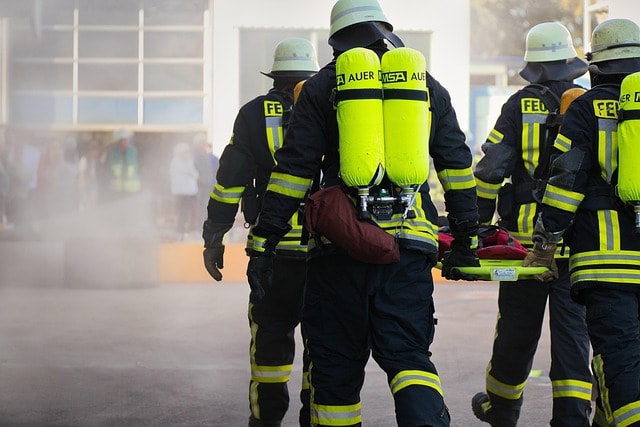

Workplace safety isn’t just about following rules—it’s about protecting your most valuable asset: your people from potential dangers. In 2025, businesses face evolving safety challenges from cybersecurity threats to workplace health concerns. This guide offers 15 practical workplace safety tips that business leaders can implement immediately to create a safe working environment for their teams. From updated emergency protocols to mental health support systems, these strategies will help you build a safety-focused culture that protects both your employees and your business interests.
Save 80% of delivery management time
We handle everything:
- Dedicated operations manager
- Real-time tracking dashboard
- Automated customer notifications
- Urgent issue resolution
Quick Answer: Top Workplace Safety Tips for a Safer Workplace
These workplace safety tips will immediately reduce workplace risks
Each tip includes a practical example for implementation
Most solutions require minimal budget but deliver maximum safety
Essential Safety Practices and Emergency Response Plans Every Business Needs
Safety in the workplace isn’t just about following rules—it’s about creating a culture of collective responsibility where it’s just the responsibility of everyone to ensure everyone goes home in the same condition they arrived. These workplace safety tips range from basic precautions to addressing workplace hazards and more advanced protocols that can be implemented right away.
Provide proper safety training – Ensure all employees receive thorough safety training before starting work. 48% of workplace injuries occur due to inadequate training. A medical device company reduced injuries by 70% after implementing mandatory monthly safety refreshers.
Keep emergency exits clear – Check daily that all emergency exits are accessible and marked. A simple morning walkthrough takes less than 5 minutes but can save lives during emergencies.
Regular equipment maintenance – Schedule weekly checks of all equipment. Small issues can become dangerous if left unattended. A manufacturing plant prevented a major accident by catching a faulty wire during a routine inspection.
Display safety signage – Place clear, visible warning signs near potential hazards. Signs should be in languages spoken by all employees. Visual cues reduce accidents by up to 20% according to safety compliance studies.
Implement proper lifting techniques – Back injuries account for 38% of work-related injuries. Teach and reinforce proper lifting methods—bend at the knees, not the waist, and ask for help with heavy loads.
Creating a Health and Safety-First Environment
The next set of tips focuses on building a workplace where safety becomes second nature rather than an afterthought, addressing various workplace hazards.
Establish a safety committee – Form a team with representatives from different departments to address safety concerns. Meet monthly to review incidents and suggest improvements. Companies with active safety committees see 23% fewer workplace accidents.
Create clear communication channels – Set up an easy system for reporting safety hazards. This could be a digital form, a dedicated email, or a physical drop box. Quick reporting leads to quick fixes.
Provide proper personal protective equipment (PPE) – Supply appropriate safety gear for all tasks and enforce consistent usage. This includes items like safety glasses, gloves, hard hats, and ear protection based on job requirements.
Install proper lighting – Poor lighting contributes to 5% of workplace accidents. Ensure all work areas, especially stairs and exits, are well-lit. Consider motion-sensor lights in less-trafficked areas.
Manage cables and cords – Keep floors clear of tripping hazards by using cord covers, cable management systems, or wireless options when possible. Trips and falls account for 26% of workplace injuries.
Advanced Safety and Health Protocols for Maximum Protection
The final set of tips takes workplace safety to the next level, addressing both physical and psychological safety needs.
Develop emergency response plans – Create and practice procedures for fires, medical emergencies, natural disasters, and workplace violence. Regular drills ensure everyone knows what to do when seconds matter.
Address workplace stress – Mental fatigue increases accident risk by 23%. Implement reasonable work hours, encourage breaks, and provide mental health resources to prevent burnout-related accidents.
Proper chemical storage – Store chemicals according to compatibility, not alphabetically. Keep detailed inventory and safety data sheets readily available. A color-coding system can help prevent dangerous mixing.
Encourage reporting of near-misses – Create a no-blame culture where employees feel comfortable reporting close calls without fear of punishment. Each near-miss is a free lesson in prevention.
Regular safety audits – Conduct monthly safety inspections using a detailed checklist. Rotate audit team members to bring fresh perspectives. Document findings and track the resolution of identified issues.
Common Safety Hazards and Quick Fixes
Workplace safety hazards, such as hazardous substances, often hide in plain sight. Here are examples of frequent problems and their solutions:
Physical Environment Issues
Cluttered walkways create immediate tripping hazards.
The fix is simple: implement a “clean as you go” policy, regularly inspect equipment, and designate storage areas. One manufacturing facility reduced slip and fall incidents by 35% after marking clear walking paths with floor tape.
Poor air quality can cause both immediate and long-term health issues.
Quick fix: ensure ventilation systems are working properly and schedule regular filter changes, alongside providing necessary safety equipment. Opening windows periodically, when possible, can also help refresh the air.
Improper ergonomics leads to repetitive strain injuries that develop slowly but cause lasting damage. Quick solution: adjust workstations to proper heights, provide ergonomic equipment, and encourage position changes throughout the day. A tech company reduced ergonomic complaints by 40% after implementing 10-minute stretch breaks every two hours.
Procedural Safety Gaps
Rushing through tasks is a major cause of workplace accidents. The solution is setting realistic deadlines and emphasizing that safety measures take priority over speed, especially when handling dangerous chemicals. One construction company implemented a “take 5” policy—taking five minutes before starting hazardous tasks to identify risks—and saw accidents decrease by 27%.
Skipping safety checks due to time pressure creates serious risks. The fix: integrate safety checks into standard operating procedures and make them mandatory steps that cannot be bypassed. Creating simple checklists makes this process faster while ensuring nothing is missed.
Inconsistent enforcement of safety rules sends a dangerous message. Solution: apply safety procedures and standards equally across all levels of the organization, from executives to new hires. When management visibly follows the same safety protocols they expect from employees, compliance rates improve significantly.
Why Do Workplace Safety Problems Occur?
Safety issues stem from systemic organizational failures, not just individual errors.
Most workplace accidents result from a combination of human factors and environmental conditions.
Addressing root causes requires both reactive and proactive approaches
Lack of Awareness and Open Communication
Safety issues often begin with knowledge gaps, particularly when employees do not know how to report hazards. In many workplaces, employees perform tasks without fully understanding the risks involved. According to the Bureau of Labor Statistics, approximately 5,250 workers died from job-related injuries in the United States in 2022, with many of these fatalities linked to a lack of safety awareness or training. This problem extends beyond frontline workers to management teams who may not recognize the importance of comprehensive safety policies and education.
The awareness gap manifests in two critical ways. First, employees might not recognize hazards in their daily tasks, assuming familiar activities are automatically safe. Second, supervisors might not understand their legal and ethical obligations regarding worker safety. Both issues create dangerous blind spots where risks remain unaddressed until an incident occurs.
Training deficiencies compound this problem. Many organizations conduct only minimal safety training during onboarding, including workplace ergonomics, with little reinforcement afterward. Research from the National Safety Council shows that companies with strong safety training programs experience up to 50% fewer workplace injuries than those without structured training. Without regular refreshers and updates on evolving safety practices, initial knowledge fades and becomes outdated.
The Psychology of Risk Perception
How we perceive risk significantly impacts workplace safety. Dr. James Reason, in his book “Human Error,” explains that people often underestimate familiar risks while overestimating unusual ones. This cognitive bias leads workers to take shortcuts with everyday tasks they’ve performed hundreds of times without incident. The false sense of security creates what safety professionals call “normalization of deviance” – the gradual acceptance of risk and minor rule violations until they become standard practice, highlighting the need for new safety ideas.
Inadequate Safety Equipment OR Personal Protective Equipment
Even with perfect awareness, safety fails when proper equipment is unavailable or insufficient. A 2024 study in the Journal of Occupational Safety and Engineering found that 37% of workplace injuries involved either missing, damaged, or outdated safety equipment. This problem extends across industries but is particularly acute in small and medium-sized businesses where heat stress and budget constraints often lead to postponed safety investments.
Equipment problems typically fall into three categories. First, organizations may provide insufficient quantities of safety gear, forcing workers to share or go without. Second, maintenance cycles may be irregular or neglected, allowing equipment to deteriorate below safety standards. Third, rapidly evolving safety technology means that even recently purchased equipment may not offer optimal protection compared to newer alternatives.
The economic factors driving these equipment shortfalls deserve attention. Many business leaders view safety equipment as a pure cost center rather than an investment with measurable returns. This perspective fails to account for the financial impact of workplace injuries, which includes direct costs like medical expenses and workers’ compensation, plus indirect costs such as lost productivity, temporary staffing, and damaged morale. OSHA estimates that employers pay almost $1 billion per week for workers’ compensation costs alone.
Poor Communication
Communication breakdowns represent a third major source of workplace safety problems, including neglecting electrical hazards. These failures occur at multiple levels: between management and workers, among team members, and between departments with shared responsibilities or work areas. Safety information must flow freely in all directions to maintain safe working conditions, including the placement of fire extinguishers.
Vertical communication problems often arise when management creates safety policies without worker input, leading to procedures that look good on paper but prove impractical in real-world conditions. Workers then face a difficult choice between following cumbersome rules or taking shortcuts to meet production goals. Meanwhile, horizontal communication gaps between teams or departments create confusion about shared responsibilities and the coordination of safety efforts.
The problem extends to incident reporting systems. Many workers hesitate to report near-misses or minor incidents, fearing blame or disciplinary action. Without this crucial feedback, organizations miss opportunities to address small problems before they cause serious injuries. Creating psychological safety—where employees feel comfortable raising concerns without fear of negative consequences—is essential for effective safety communication, especially to prevent decreased productivity.
Production Pressure vs. Safety Priorities
When deadlines loom and production targets seem at risk, workplace safety protocols often become secondary. This conflict between productivity and safety represents one of the most persistent challenges in workplace safety management, reflecting on the overall company culture. Research published in the Safety Science Journal indicates that 64% of workers report feeling pressured to prioritize speed over safety at least occasionally.
This pressure takes various forms. Explicit messages from supervisors might encourage workers to “just get it done” regardless of safety protocols. Implicit pressure emerges from tight schedules, understaffing, or performance metrics that reward speed above all else. In both cases, workers receive mixed messages: follow safety rules, but not if they slow you down.
The consequences extend beyond immediate health and safety risks. When workers repeatedly observe safety being sacrificed for production, they internalize the message that safety rules are flexible guidelines rather than non-negotiable requirements. This perception undermines the entire safety culture and makes future compliance less likely, even when production pressure is absent.
Organizational Culture and Leadership
Ultimately, many safety problems trace back to organizational culture and leadership priorities. Safety culture represents the shared attitudes, beliefs, and practices regarding safety within an organization. It determines whether safety becomes integrated into daily operations or remains a separate, occasionally inconvenient consideration.
Leaders set the tone for safety culture through their words and actions. When executives and managers visibly prioritize safety—allocating resources, participating in safety initiatives, and ensuring regular breaks while holding people accountable for safe practices—employees follow their example. Conversely, when leaders pay lip service to safety while making decisions that contradict those statements, employees quickly recognize the disconnect and adjust their behavior accordingly.
The safety culture assessment tool developed by Dr. Patrick Hudson identifies five levels of organizational safety culture, from “pathological” (safety is seen as a problem) to “generative” (safety is fully integrated into business operations). Organizations at higher levels experience significantly fewer incidents. Moving up this scale requires consistent leadership commitment to safety as a core value rather than a compliance obligation.
Organizations seeking to improve safety must recognize that problems rarely stem from a single cause. Instead, safety issues typically arise from complex interactions between awareness gaps, equipment limitations, communication failures, production pressures, and cultural factors. Addressing these root causes requires a systemic approach that goes beyond quick fixes to fundamental organizational change.
Human Factors in Safety Incidents
When we examine why safety problems occur, human factors consistently play a central role. These factors include cognitive limitations, physical capabilities, psychological tendencies, and social dynamics that influence how people interact with work environments and safety systems.
Fatigue represents one of the most common human factors in safety incidents. A study by the National Safety Council found that 69% of workers report feeling tired at work, with 13% falling asleep on the job at least once per month. Fatigue impairs judgment, slows reaction time, and reduces attention to detail—all critical safety functions. Organizations that schedule long shifts, irregular hours, or insufficient breaks between shifts create conditions where fatigue-related errors become almost inevitable.
Cognitive biases also contribute to safety problems. The “optimism bias” leads people to believe they’re less likely than others to experience negative events, including workplace accidents. This mindset makes workers more willing to take risks they would advise others against. Similarly, the “availability heuristic” causes people to judge risk based on easily recalled examples rather than statistical reality, potentially underestimating dangers they haven’t personally witnessed.
What To Do When Safety Issues Occur?
Create a clear response plan that everyone can follow when safety issues happen.
Document all incidents thoroughly to prevent similar problems in the future
Prioritize both immediate action and long-term prevention strategies.
When safety issues occur in the workplace, quick and effective action is essential. The difference between a minor incident and a major crisis often comes down to how well you respond in those first critical moments. Safety problems will happen—even in the most careful workplaces—but having a structured approach can minimize harm and prevent future incidents.
Conduct Immediate Risk Assessment
The first step when any safety issue occurs is to assess the situation quickly but thoroughly. This isn’t about paperwork—it’s about determining whether people are in immediate danger and what needs to happen right now.
You can start by identifying what went wrong and who might be affected. Is there an ongoing risk to employees? Are customers or visitors in danger? Your immediate goal is to understand the scope of the problem. For example, if someone trips on a cord in an office, check if others could trip on the same hazard and ensure that first aid kits are easily accessible. If a chemical spill occurs, determine how far it has spread and who might be exposed.
Steps for Immediate Assessment
Stop work in the affected area if necessary
Check for injured people and provide first aid
Identify the source of the hazard
Determine who else might be at risk
Evaluate if evacuation is needed
After assessing the immediate situation, implement control measures to prevent the problem from getting worse. This might mean shutting down equipment, cordoning off an area, or even evacuating the building. The goal is to contain the issue before it spreads.
For example, if you discover a gas leak, your immediate control measures would include:
Stopping all work in the area
Turning off gas sources if safe to do so
Evacuating everyone from the affected area
Preventing access to the hazardous zone
Contacting emergency services
Document the Incident
Once the immediate danger has passed, document everything about the incident while memories are fresh. This documentation serves multiple purposes:
Helps identify the root cause
Provides information for future prevention
May be required for regulatory compliance
It could be needed for insurance claims
Create a standardized incident report form that includes:
Date, time, and location of the incident
Names of people involved or witnesses
Detailed description of what happened
Immediate actions taken
Any injuries or damage that occurred
Initial thoughts on why it happened
Establish Emergency Preparedness Plan
Having a well-designed emergency preparedness plan is essential for responding effectively when safety issues occur. This plan should be in place before incidents happen, regularly updated, and known to all employees.
Your emergency preparedness plan should cover various scenarios that could affect your workplace, from medical emergencies to natural disasters. The plan needs to be specific to your business and location while remaining flexible enough to adapt to unexpected situations.
Core Components of an Emergency Plan
An effective emergency plan includes several key elements:
Emergency contact information (both internal and external)
Clear evacuation routes and assembly points
Procedures for different types of emergencies
Assignment of specific roles and responsibilities
Communication protocols during emergencies
Procedures for accounting for all personnel
It is better to develop these plans with input from employees at all levels. Those doing the actual work often have the best insight into potential hazards and practical solutions. You should make sure to consider employees with disabilities or special needs when creating evacuation procedures.
Regular drills are not optional—they’re essential. It is better to practice emergency procedures at least quarterly, varying the scenarios to prepare for different types of emergencies. These drills help everyone know their roles and build muscle memory for emergency responses.
Communication During Emergencies
Clear communication during an emergency can save lives. Your plan should include:
How emergencies will be announced (alarms, PA system, text alerts)
Who is authorized to declare an emergency
Chain of communication during the incident
How to communicate with emergency services
Methods for updating employees during extended incidents
Process for communicating with families and the public
You should test your emergency communication systems regularly to ensure they work when needed. You shouldn’t rely on a single method—power outages or other factors might make some communication channels unavailable during a real emergency.
Introduce Occupational Health Standards
Following occupational health standards isn’t just about compliance—it’s about protecting your people. When safety issues occur, these standards provide a framework for proper response and recovery.
Workplace safety standards vary by country, region, and industry. In the United States, the Occupational Safety and Health Administration (OSHA) sets and enforces standards. In the UK, the Health and Safety Executive (HSE) serves this function. Your business needs to know which standards apply to your operations.
Implementing Health Standards After Incidents
After a safety incident, review relevant health standards to ensure your response meets requirements. This includes:
Reporting requirements to regulatory agencies
Medical surveillance for affected employees
Return-to-work protocols after injuries
Equipment inspection and recertification
Updated training based on the incident
For example, if an employee is injured by machinery, OSHA may require you to report the incident, take the equipment out of service until it’s inspected, and provide additional training before resuming operations.
Data shows that approximately 1.7 million working people in the UK suffer from work-related illness, including 776,000 with work-related stress, depression, anxiety, and biological hazards. These statistics highlight why occupational health standards must address both physical and mental health concerns.
Staying Current with Standards
Occupational health standards change as new hazards emerge and research advances. Assign responsibility for tracking these changes to specific team members who will:
Subscribe to updates from regulatory agencies
Participate in industry associations
Review standards at least annually
Communicate changes to all staff
Update company procedures accordingly
When safety issues occur, these standards provide a baseline for response. However, your company should aim to exceed minimum requirements, not just meet them, by implementing effective workplace safety tips. Going beyond compliance creates a safer workplace and demonstrates your commitment to employee well-being.
Learn From Every Incident
When safety problems happen, they provide valuable learning opportunities. Every incident, even near-misses where no one was hurt, contains lessons that can prevent future problems, reinforcing the importance of work safety tips.
Conduct a thorough post-incident analysis after the immediate response is complete. This analysis should go beyond just identifying what happened to understand why it happened. Often, safety incidents have multiple contributing factors rather than a single cause.
Root Cause Analysis
Use a structured approach like the “5 Whys” technique to dig past surface-level causes:
Why did the incident occur? (First-level cause)
Why did that happen? (Deeper cause)
Why did that happen? (Deeper still)
Why did that happen? (Getting to root causes)
Why did that happen? (Fundamental issues)
For example, if someone slips on a wet floor:
Why was the floor wet? Because a pipe was leaking.
Why was the leak not fixed? Because maintenance wasn’t notified.
Why wasn’t maintenance notified? Because the reporting system is complicated.
Why is the reporting system complicated? Because it was designed without user input.
Why was it designed without input? Because the safety team works in isolation.
This process reveals that the fundamental issue isn’t just a wet floor but systemic problems in how safety concerns are reported and addressed.
Implement Corrective Actions
After identifying root causes, develop specific corrective actions:
Immediate fixes to address the specific incident
Short-term actions to prevent similar incidents
Long-term systemic changes to address root causes
Follow-up procedures to verify effectiveness
Assign each action to a specific person with a deadline and follow up to ensure completion. The most effective corrective actions address systems and processes rather than just telling people to “be more careful.”
Share lessons learned throughout your organization. This might include:
Safety briefings at team meetings
Company-wide communications about incidents and preventive measures
Updates to training materials
Revisions to standard operating procedures
When workers see that their safety concerns lead to real changes, they’re more likely to report issues in the future.
Support Affected Employees
When safety issues occur, the human impact goes beyond physical injuries, affecting work life balance and overall morale. Employees may experience psychological effects like stress, anxiety, or decreased confidence in workplace safety, impacting their overall well being .
Create a supportive environment where affected employees receive the help they need. This includes:
Immediate medical care for physical injuries
Access to mental health resources
Clear communication about what happened and what’s being done
A non-punitive approach that focuses on learning, not blame
Support during recovery and return to work
Remember that safety incidents affect more than just those directly involved. Witnesses and colleagues may also need support, especially after serious incidents.
When Everything Feels Overwhelming
Sometimes safety incidents can feel overwhelming, especially when they’re serious or when multiple issues occur at once. In these situations:
Focus on one step at a time rather than trying to solve everything at once
Delegate responsibilities to spread the workload
Bring in outside help if needed (consultants, emergency services, industry experts)
Take care of your mental health as a leader.
Remember that addressing the situation properly is more important than addressing it quickly.
The estimated cost of injuries and ill health from current working conditions in the UK is £21.6 billion. This staggering figure highlights why a proper response to critical events and safety issues isn’t just the right thing to do—it’s also financially prudent.
By following these structured approaches when safety issues occur, you can minimize harm, learn from incidents, and build a stronger safety culture that protects your most valuable asset—your people, contributing to a healthy working environment.
Workplace Safety Procedures
Workplace safety isn’t just about following rules—it’s about protecting the people who make your business thrive. By implementing these workplace safety tips, you’re not only reducing accidents but building a culture where everyone feels valued and protected. Remember that safety issues often stem from a lack of awareness, inadequate equipment, or poor communication—all problems you can now address head-on.
When safety concerns arise, your new risk assessment tools and emergency plans will guide your response. More importantly, your ongoing safety education, equipment checks, and open communication channels will help prevent most problems before they occur.
The safety principles you’ve learned extend beyond the workplace—they strengthen team collaboration, personal safety habits, and leadership skills. As you apply these strategies, your workplace becomes not just safer but also more productive and positive.
Safety isn’t a one-time project but an ongoing commitment. You can start today by implementing just one tip from this guide. Then add another next week. Small, consistent steps create lasting change.
Your team deserves to feel secure while doing their best work. Now you know how to make that happen.