
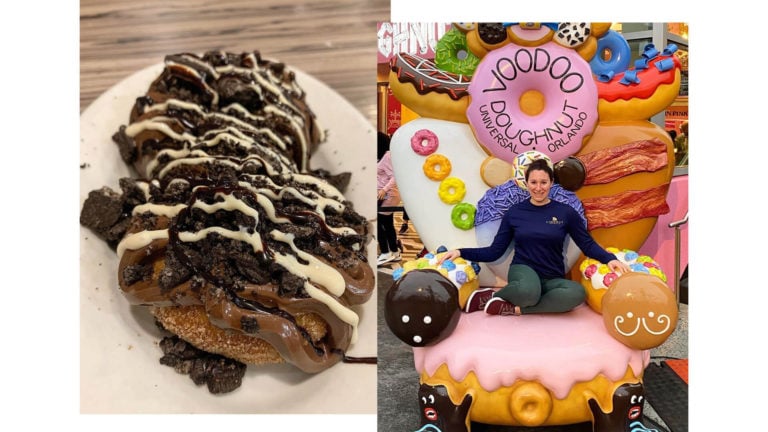

Hangry Bostonian is a city-beat account. Jess covers Boston, not New England, not the Northeast, not food in general. One market, covered densely, meal by meal.
That sounds like a limitation and it is actually the entire strategy. The accounts that matter most to a neighbourhood food business are almost never the biggest ones, and understanding why is the most commercially useful thing in our whole series of food maker and creator profiles.
Boost customer satisfaction with just a few clicks
Most-Loved Features:
- On-demand drivers
- Real-time GPS tracking
- Delivery confirmation photos
- Over 50% of customers report a smoother delivery experience
Why a smaller local account beats a bigger national one
A follower who cannot reach your shop is worth nothing to you. This is obvious stated plainly and routinely ignored in practice, because follower counts are the number everyone looks at first.
Run the arithmetic. A national food account with 200,000 followers might have two or three percent of them in Greater Boston, call it 5,000 reachable people, most of whom will not see any given post. A Boston-only account with 15,000 followers has perhaps 12,000 reachable people, and they follow the account specifically to find places to eat in the city they live in.
The second account is worth more to a Boston bakery, and it costs considerably less.
The gap widens further on intent. Someone following a national food account is being entertained. Someone following a city account is, quite often, deciding where to go this weekend. Those are different mental states, and only one of them converts.
This is the distinction that matters when comparing the accounts in this series. A regional or multi-market reach, the kind that spans several states, is worth real money if you sell wholesale across a region. It is worth much less if you run one counter and need people through the door on Saturday.
What a city-beat creator actually does
Covering one city properly is a harder editorial job than it appears, because you run out of obvious material fast.
The well-known places get covered in the first few months. After that, the account either repeats itself, drifts into travel content, or does the actual work: finding the places nobody has covered. That last option is what makes a city account valuable and it requires genuinely eating everywhere, including the places that turn out to be mediocre.
The editorial decisions that separate a good city account from a filler one:
Neighbourhood coverage, not just downtown. An account that only covers the Seaport and the North End is covering the places that need it least.
New openings, fast. Being first on a new restaurant is the single most reliable driver of reach for a city account, and it requires paying attention rather than waiting for a press invite.
The unglamorous categories. Bakeries, sandwich counters, takeaway. These are where most people actually eat and where most food media is not looking.
Repeat visits. A place that was great once and bad twice is information the audience needs, and it is the thing that separates a critic from a promoter.
What hyperlocal reach is worth to a food business
For a business with a physical location or a local delivery radius, a city-beat creator is the most efficient marketing channel available, and it is not close.
The effect is immediate and concentrated. A well-performing post from a trusted local account produces a spike that typically lands within twenty-four to forty-eight hours, sometimes the same day. People see it, they are nearby, they come.
That concentration is the opportunity and the trap. The single most common failure we see from the delivery side is a small food business getting the coverage it asked for and then being unable to serve the people who show up. A queue out the door is a good problem for a restaurant. For a maker taking orders it means product you do not have, packed by people you did not roster, delivered in a window you did not plan for.
The makers in this series have all met this in some form. L’Nando Bakery is producing frozen product for retail shelves and its own customers at the same time, which means a demand spike competes with committed wholesale volume. If you are actively courting local coverage, the capacity and routing conversation belongs before the post, not after it.
How to work with a local food creator
The approach that works is unglamorous and mostly about not behaving like a national brand.
Invite them properly. Feed them, do not rush them, and do not have a manager hover. A local creator’s honest impression is the product; managing it produces content that reads as managed.
Do not write the caption. A city account’s voice is why people follow it. Copy supplied by a brand is detectable within one sentence and it costs the creator credibility, which is the thing you are renting.
Accept a mixed verdict. A creator who will say the service was slow is a creator whose praise means something. Leslie Kiszka’s mix of candid reviews and her own home cooking works on the same principle, and so does Tea Kingley’s review-first account, the negatives are what fund the positives.
Pay them. Local creators are routinely asked to work for a free meal. Some will, early on. The ones worth working with repeatedly will not, and Christine LaPuma’s profile sets out how creator rates are actually constructed.
Match the format to the message. A city account drives footfall. If you need people to understand how to use a product, a recipe creator like Nancy of NourishByNancy does that better. If you need a nutrition claim made, you need a registered dietitian like Diana Savani and nobody else.
What to take from the city-beat model
Density beats scale when the product has a geography.
For creators, that is an argument for covering one place thoroughly rather than everywhere thinly. The audience is smaller, more loyal, and considerably more valuable to the businesses you cover.
For food businesses, it is an argument for ignoring follower counts and asking one question instead: how many of these people can actually get to me? Everything else is vanity.