
Welcome to the hidden world of meal prep businesses. A sector teeming with opportunity, yet shrouded in untapped potential.
Ever wondered what a meal prep business is?
Picture a booming industry that pedals health, convenience, and time-saving solutions, simultaneously feeding appetites while meeting the modern consumer’s need for efficiency. It’s not merely about tossing ingredients into a container. It’s a marriage of culinary skills, business acumen, and deep understanding of health trends and dietary needs. Transform your meal kit selection by integrating a diverse range of tastes, thereby ensnaring the hearts of patrons with every delivery and setting the stage for unwavering customer fidelity through your innovative approach to cuisine.
This, in essence, is the heartbeat of a meal prep business.
Prepare for the grand reveal, as we dig deeper into this niche yet growing market sector. There’s so much you don’t know yet… and that’s where the excitement begins.
🚀 Soaring Meal Kit Market Forecast!
In the US, the meal kit delivery service market is forecast to reach $19.92 billion by 2027, growing at a CAGR of 14.4% from 2022 to 2027.
Lower your delivery costs by 23%
How we reduce costs:
- No delivery vehicle expenses
- Optimized local routes
- Pay-per-delivery model
- Average 23% delivery cost reduction
What is a Meal Prep Business?
Defining a Meal Prep Business
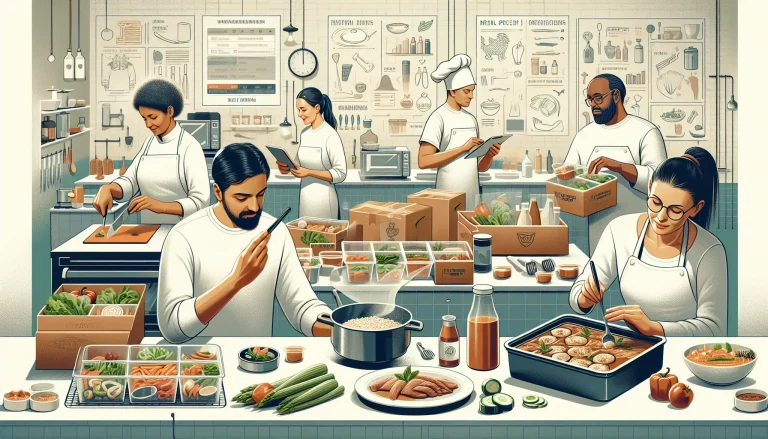
What do we mean when we say ‘Meal Prep Business’? A meal prep business takes the hassle out of meal planning and preparation by delivering properly portioned, pre-prepared meals to clients. The meals are designed to fulfill the customer’s dietary preferences and goals, whether weight loss, muscle gain, or simply pursuing a more balanced diet. A key selling point of meal prep businesses is convenience, saving consumers valuable time and energy. Discover essential guidance on launching a meal prep company, including insights on devising meal plans, setting your pricing model, attracting your target audience, and strategies for expansion.
Many meal prep services distinguish themselves by focusing on fresh, locally sourced ingredients and catering to specific dietary preferences or restrictions, such as vegan, gluten-free, or low-carb options.
Consumer Spending on Meal Preps 💸
The average monthly expenditure by customers on meal prep services amounts to 58 dollars.
The Evolution of Meal Prep Businesses
Meal prep businesses originated from the fitness world where athletes and trainers would prepare a week’s worth of meals in advance to maintain strict dietary goals. Today, a meal prep business is not just a luxury but an essential tool for individuals balancing demanding schedules and health goals. Metrobi aids these businesses by offering delivery services across more than 20 cities in the US, including a courier service in New York City.
While meal prep businesses were initially targeted towards athletes and health enthusiasts, they have evolved to cater to a broad demographic—from busy professionals looking for a convenient and healthy alternative to take-out and delivery, to elderly individuals with particular dietary requirements. This comprehensive guide encompasses all aspects necessary for running a successful meal prep business, tailored to meet the diverse needs of today’s consumers.
🍳 Cooking Up a Storm!
In 2023, 54% of consumers in the US cooked more food than before, and 22% turned more often to prepared meal kits.
The Role of Meal Prep Businesses in Today’s Society
In a society ruled by busy schedules and convenience, meal prep businesses have emerged as a key player in supporting and promoting healthier eating habits.
Customers no longer have to sacrifice nutrition for convenience. These services bridge the gap, offering a quick and effortless solution to healthy eating, clothing it in the garb of convenience and practicality. Metrobi facilitates this by offering delivery services across more than 20 cities in the US, encompassing courier services in Los Angeles among others.
Moreover, meal prep businesses contribute to reducing food waste, as meals are pre-portioned to prevent overeating and throwing away leftovers. The dietary specificity also caters to those with restrictions or preferences, ensuring inclusivity in healthy eating.
In essence, meal prep businesses are redefining the way we perceive, cook, and consume our meals, addressing the kitchen conundrum that most individuals face in today’s hurried times. This comprehensive guide has everything you need for running a meal prep business efficiently!.
💡 Illuminating Revenue Growth in Meal Kits!
The revenue for meal kit delivery services reached $10 billion in 2020, with an annual growth rate of 14.5% from 2015 to 2020.
Metrobi is transforming meal prep deliveries
Specialized solutions for meal prep businesses:
- Meal prep-trained drivers
- Proper handling equipment
- Peak day delivery support
- 23% average cost reduction
Exploring Different Meal Prep Business Models
Subscription-Based Model
The ubiquity of subscription-based services in our lives reflects the success of this business model. From streaming platforms like Netflix to software solutions like Microsoft 365, this model rules. The meal prep business isn’t immune to this trend either.
Service Commitment Mean Stable Revenue
The crux of this model lies in recurring revenue. The customers, in exchange for a monthly or yearly fee, enjoy uninterrupted service. This commitment offers businesses a steady stream of income which can be potent for planning and budgeting. Candy Japan, a Japanese candy mail-order service, had 50% of its income from subscriptions in 2015 alone, painting a clear picture of the potential inherent in this model.
Customer Retention Can be Tricky
While the subscription-based model has its perks, retaining customers can be challenging. Meal preferences can change over time or customers can simply feel the need for change, therefore subscription fatigue is a reality to consider.
On-Demand Model
Next in line is the on-demand business model, a response to the instant gratification needs of modern consumers. Unlike subscription services, this model offers meal prep services readily available at the click of a button.
Convenience Fosters Loyalty
The on-demand model’s primary strength is convenience. The ability to order a prepped meal impulsively or based on a spur-of-the-moment craving can result in loyal customers. Research by Business of Apps reveals a whopping 22.4 million consumers annually and $57.6 billion in spending in the on-demand economy.
High Operational Costs and Competitive Pricing
The biggest hurdle for on-demand services, however, is the high cost of operations. To stay competitive, businesses need to keep their pricing competitive while maintaining prompt and reliable services. Amazon Time studies indicate that a 1% increase in price can result in a 2.7% decrease in demand.
Recognizing the differences between these models can be an instrumental part of carving out your place in the meal prep industry. As these services continue to evolve amidst shifting customer demands, adaptability is key to longevity and success.
🍴 Earnings of Meal Prep Entrepreneurs!
The average annual income for meal preparation service business owners in the US is around $100,000, though individual earnings can vary.
Understanding the Profitability of a Meal Prep Business
Revenue Streams
Let’s first look at where the money comes from in a meal prep business. Primarily, the revenue streams would emanate from meal kit sales. This refers to both single meals and subscription-based meal plans. Beyond this primary source, consider ancillary streams such as branded merchandise, supplements, or sponsored content if you choose to create a blog or social media presence to complement your business. This comprehensive guide illuminates the ins and outs of running a meal prep business, detailing essential revenue streams and expansion opportunities.
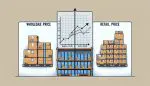
Naturally, pricing plays a significant role in these revenue streams. How you price your meal kits—considering your competitors, target audience, and your overall business strategy—directly impacts your revenue.
Meal Prep Employment Surge 📈
The meal prep industry currently supports 10,000 jobs, with projections indicating a boom to 1.5 million jobs by 2025.
Cost Factors
Shifting gears, it’s time to unravel some of the main cost factors for a meal prep business. Ingredient costs often represent your largest expense with factors like food wastage, portion control, and choice of ingredients playing crucial roles.
Further, overheads like kitchen equipment, storage, and facilities can pile up. But these aren’t the only concerns; packaging for meal kits is another significant expense due to both the material costs and the environmental implications.
Finally, delivery logistics and employee wages add to the ongoing expenditure. Are you planning to employ delivery staff or outsource? Do your employees need training? Such questions will help you estimate your cost burden. Metrobi specializes in managing logistics for meal preparation businesses, ensuring that your delivery operations are efficient and cost-effective.
In a meal prep business, understanding the broad strokes of profitability is as important as mastering your culinary talent. By recognizing key revenue streams and major cost factors, you can strategize better and navigate your venture towards fruitful outcomes. With an astute understanding of your business’s financial elements, the path towards a successful meal prep business becomes clearer.
No wrapping up. We’re just crossing off things on our list and moving forward.
Hopefully, this stirs some thought about pricing, profitability, and financial planning in your meal prep venture. So, ready to move on?
🔑 Key Investment for Start-Ups!
The average cost for a small to medium-sized meal prep delivery service for initial ingredient and supply purchase is approximately $2,000 to $5,000.
Establishing Your Meal Prep Business Foundation
In starting your own meal prep delivery business, consider the myriad aspects that contribute to its success. Choose a business structure like a limited liability company to ensure legal protection and tax benefits; this business entity can also help in managing food costs through efficient inventory systems. Metrobi specializes in providing services for the fulfillment of meal prep deliveries, streamlining operations for your business.
Open a business checking and savings account specifically for handling your meal prep company’s finances, including incoming and outgoing supplies. Utilize meal prep software to streamline meal prep orders and maintain a quality meal prep website, promoting healthy and delicious meals. Secure necessary business licenses and insurance to protect your food services business. Consulting with a business lawyer can help ensure you obtain all business licenses and adhere to food industry regulations.
Health Leads the Way in Meal Prep 🥗
Healthy meal options dominate the meal prep market, accounting for 36% of all offerings.
Expanding Your Meal Prep Operations
Explore equipment financing options for essential kitchen tools and consider the importance of packaging materials and strategies for shipping fresh food safely. Offering a range of meal kit subscriptions, from pre-cooked meals to options catering to diverse dietary preferences, can attract health-conscious customers.
Moreover, consider establishing a robust online presence for your online meal prep business, leveraging meal kit delivery models, grocery delivery websites, and personalized meal recommendations to meet consumer demand for convenience and healthy food. This approach has been a go-to market strategy for successful meal prep businesses.
Additionally, hosting meal prep workshops and sharing meal prep strategies can engage customers and position your service as a key competitor in the food delivery businesses sector. Secure business credit cards and look into small business funding options to support your growth and manage how many meals you produce.
Finally, adopt viable business models that resonate with your business ideas and ensure legal protection with the help of a business attorney. Regularly review your business lines and meal preparation processes to stay ahead of key competitors and offer a few popular options for healthy meals, thereby establishing your own business as a good business in the meal kit delivery and food industry.
Overcoming Challenges in the Meal Prep Business
These bullet points serve as easily digestible snippets, outlining what the reader can expect to glean from this section.
Food Safety and Quality Control
Understanding the Food Safety Challenge
The food industry’s cardinal rule is to never compromise on safety. Service providers in the meal prep business find themselves having to pay extra attention to food safety regulations to keep their customers safe and their reputations intact. As people become increasingly vigilant about what they consume, maintaining a high level of food safety can also offer significant commercial advantages. Prospective clients often prioritize service providers that adhere to stringent safety standards. By showcasing your commitment to food safety, you gain a significant edge over your competitors.
Quality Control: An Art and a Science
Quality control, the less talked about but equally vital aspect of the meal prep business, can make or break your brand’s reputation. Clients may judge the quality of your food based on its consistency, taste, freshness, and presentation. Therefore, it becomes crucial to establish rigorous quality control protocols from procurement to prep, right through to delivery and presentation. Your brand could significantly benefit from investing in the right practices, ensuring consistent quality, and surpassing expectations.
Global Market Expansion 🌍
From 2024 to 2032, the global prepared meals market is set to grow from 177.58 billion dollars to 305.68 billion dollars, showcasing robust growth prospects.
Logistics and Delivery
The Backbone of Meal Prep Services
For all its importance, food quality becomes redundant if your meals don’t reach customers on time, in perfect condition. Routing hot meals through traffic to multiple locations simultaneously is not a task for the faint-hearted. A robust logistics mechanism in place can ensure that your business is reliable, punctual, and efficient. Implementing effective logistics and delivery operations can simplify processes, save costs, and elevate customer satisfaction. Discover how incorporating efficient meal kit delivery services can ensure punctual, fresh meals to your clients, enhancing your business’s reputation.
Overcoming Delivery Challenges
Weather, traffic, driver errors, all come together to create the perfect storm for delivery challenges. While these hurdles are often inevitable and unpredictable, strategies can be put in place to minimize their impact on your operations. These might include route optimization, real-time tracking, emergency protocols, and efficient driver training programs. To ensure customers remain satisfied and informed, having an effective meal prep delivery service website can make a significant difference in managing expectations during these challenges.
Remember, the challenges that arise in the meal prep business can offer opportunities for growth if navigated effectively. Your brand’s ability to overcome these hurdles will, in turn, enhance its credibility and strengthen the trust your customers place in your services. This resilience can then be leveraged as a powerful component of your marketing strategy, as we will see in the following sections.
Marketing Your Meal Prep Business for Success
Surmounting the challenges within the meal prep business half the battle. The other half? Ineffective marketing. Let’s dive in.
Building a Strong Online Presence
Achieving a robust online presence is critical. It’s about fostering a space for your business to thrive in the realm of social media, blogs, directories, and review sites. Looking to attract your initial clientele for your meal prep service? This article provides all the essentials on securing your first batch of meal prep patrons.
A strong online presence can dramatically amplify your brand’s visibility, boost reputation, and increase sales. It reduces the limitations of physical location and opens up new markets globally. Furthermore, it provides an opportunity for the audience to interact directly with your brand, breeding trust and cementing customer loyalty.
Social Media Platforms
Leverage social media platforms such as Facebook, Instagram, and Twitter. They’re golden opportunities for businesses to nurture relationships with customers. Engage by responding to comments, messages, and reviews. Regular updating with captivating and relevant content is also critical.
Websites and Blogs
Second, ensure you have a stellar business website and a blog. They serve as hubs of information, offering details about your products, services, and value proposition—reason enough to outsource website development for a professional and effective online presence. A blog – filled with quality content relevant to your audience – can boost your SEO ranking and attract more visitors.
Leveraging SEO and Content Marketing
SEO (Search Engine Optimization) and content marketing are potent strategies to improve your online visibility and attract more customers.
SEO, when effectively harnessed, drives organic traffic to your website, leading to an increase in rankings on search engines like Google. Local SEO can especially rocket your visibility among local customers.
Content Marketing, on the other hand, revolves around producing and distributing valuable, relevant, and consistent content to engage and acquire a clearly defined audience.
Boosting SEO
A solid SEO strategy involves keyword research, mobile optimization, and link building. By fine-tuning your website and its content around keywords your target audience is likely to use, the better your visibility gets on search engine results.
Mastering Content Marketing
Regularly distribute high-quality content that educates your audience about the benefits of meal prepping. From text-based blog posts to video tutorials and infographics, a well-rounded content marketing strategy can solidify your brand as an authoritative voice in the meal prep industry.
Customer Retention Strategies
Acquiring new customers is expensive. Retaining existing ones? Less so. Implementing effective customer retention strategies – including loyalty programs and email marketing campaigns – can help in maintaining a healthy customer base and boosting profitability.
Soaring Meal Prep Market 🚀
In 2025, the meal prep industry is projected to reach a market value of 2.7 billion dollars, demonstrating substantial growth from its current 1.5 billion.
Frequently Asked Questions About Meal Prep Businesses
Meal prep businesses can be a daunting landscape, full of uncertainties and potential pitfalls. We’ll quell your doubts by addressing three of the most important questions.
How Much Does It Cost to Start a Meal Prep Business?
Starting a meal prep operation hinges on a multitude of factors. Location, size, ingredients, marketing, and staff all contribute to your overall budget. A small-scale operation might only require a few thousand bucks, while a full-sized commercial meal prep kitchen could hit six figures.
Deciphering Costs: A Deep Dive
Expenses can be broadly divided into one-time costs for essentials like kitchen equipment, cutlery, and lease, alongside ongoing costs like salaries, utilities, and ingredient procurement. It’s crucial to perform a thorough analysis and formulate a robust business plan to comprehend your specific expense structure.
How Can I Differentiate My Meal Prep Business from Competitors?
Competition in meal prep businesses is fierce. Standing out requires careful crafting of a unique selling proposition, focusing on the actual needs of your target group. Be it focusing on specialised diets, sourcing from local producers, or crafting highly convenient services, your strategy must resonate with your audience’s specific needs.
The Power of Branding
Remember, the way you present your business, right from the branding to the customer service, can set you apart from competitors. Building a strong brand that embellishes on your unique attributes can attract and retain customers more effectively.
What Are the Key Trends in the Meal Prep Industry?
Staying abreast of industry trends is key to sustained growth. Currently, the rise in health-oriented consumers, environmental consciousness affecting sourcing options, and increased use of technology for services are significantly shaping the industry.
Adapting to Trends: A Survival Guide
Adapting to these trends and incorporating them into your business model is essential. It could entail offering vegan-friendly options, adopting a farm-to-fork approach, or utilising apps for orders and delivery. Being responsive to industry shifts can keep your business dynamic, customer-centric, and successful.
Vegan Choices Gaining Ground 🌱
Vegan meal preparations follow closely, making up 28% of the market share in the meal prep industry.
Wrapping Up The Meal Prep Insights
Meal prep businesses are thriving on tailored services, customer demands, and sustainable practices. You learned the possibilities of differentiation, like veganism, and how growth can come from unlikely places like pandemic times.
Remember, cutting through the noise in this bustling market will take thoughtfulness – in your business model, in your dietary offerings, and your deep understanding of customer’s needs. Your business isn’t just prepackaged meals; it’s a lifestyle choice for your clients.
Now it’s time to cook up some action. Start your market research, find your unique selling point, and hatch a detailed business plan. Get curious, entrepreneurial, and add a dash of innovation.
Let’s inject a personal touch to your meal prep business. How can your life story inspire your brand identity and connect with customers?
Remember, as Julia Child said, “The secret of a good meal lies not in the ingredients, but in the love that’s served with it.”