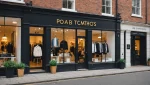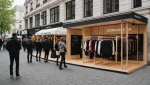
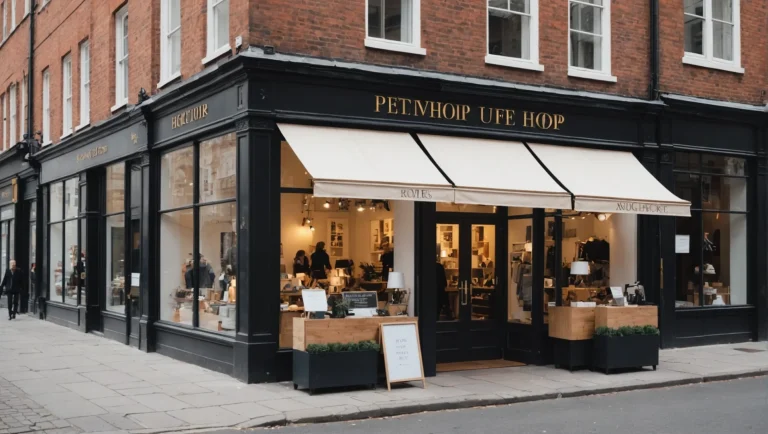

In 2024, the retail landscape is bustling with innovation, and pop-up shops are at the forefront of this exciting trend.
But what exactly is a pop-up shop?
Simply put, it’s a temporary retail space that opens for a limited time to generate buzz, test products, or capitalize on seasonal demand. These shops “pop up” and then disappear, creating a sense of urgency and exclusivity that draws in curious shoppers. Interested in setting up your own temporary retail venture? Discover the essential methods for launching a pop-up shop successfully and drawing in an eager audience with simplicity.
From major brands launching limited-edition products to online retailers testing the waters with their first brick-and-mortar experience, pop-up shops are proving to be a game-changer in the world of flash retailing.
In this comprehensive guide, we’ll dive into the various types of pop-up shops thriving in 2024, explore the remarkable benefits they offer, and do market research to uncover the latest trends shaping this dynamic industry.
Boost customer satisfaction with just a few clicks
Most-Loved Features:
- On-demand drivers
- Real-time GPS tracking
- Delivery confirmation photos
- Over 50% of customers report a smoother delivery experience
Pop Up Shop: The Ultimate Definition for 2024
A pop-up shop is a short-term retail space that opens for a limited time to create buzz, test products, or take advantage of seasonal demand.
Pop-up shops appear suddenly and then disappear, creating a sense of urgency and exclusivity for customers.
These temporary stores can be used for various purposes, such as launching new products, testing markets, or showcasing collaborations.
Real-World Examples of Successful Pop-Up Shops in 2024
In 2024, pop-up shops and temporary storefronts continue to be a popular strategy for brands looking to create memorable experiences and drive sales. One notable example is a major brand’s limited-edition product launch. By opening a temporary store in a high-traffic area, the brand generated significant buzz and attracted long lines of eager customers. The exclusivity of the pop-up shop and the scarcity of the products created a sense of urgency that drove sales and increased brand loyalty.
Pop-Up Shops Drive Brand Awareness:
66% of retailers open a pop-up shop with the goal of raising brand awareness, indicating a significant consumer interest in pop-up experiences.
Another successful pop-up shop in 2024 was an online retailer’s first brick-and-mortar experience. The e-commerce brand used the temporary store to showcase and sell its products in a physical setting, allowing customers to interact with the items before making a purchase. The pop-up shop also served as a marketing tool, attracting new customers and increasing brand awareness in the local community.
These examples demonstrate the power of pop-up shops in creating unique experiences that resonate with customers and drive business results.
Common Types of Pop-Up Stores Thriving in 2024
Pop-up shops come in various forms, each serving a specific purpose and targeting different audiences. In 2024, several types of pop-up shops are particularly thriving:
Seasonal Shops
Seasonal pop-up shops, such as holiday gift stores and Halloween costume shops, continue to be popular in 2024. These temporary stores capitalize on the increased demand for specific products during certain times of the year. By opening a pop-up shop, businesses can take advantage of the seasonal rush without committing to a long-term lease or investing in permanent inventory.
Event-Based Shops
Event-based pop-up shops, such as those tied to product launches or collaborations, are another common type in 2024. These shops create a sense of excitement and exclusivity around a particular event or partnership. By limiting the availability of products and creating a unique shopping experience, event-based pop-up shops can generate significant buzz and drive sales.
Testing Grounds for New Brands or Products
Pop up shopping experiences,-up shops also serve as testing grounds for new brands or products in 2024. Entrepreneurs and established companies alike use temporary stores to gauge customer interest, gather feedback, and refine their offerings before committing to a permanent retail presence. By testing the market through a pop-up shop, businesses can minimize risk and make data-driven decisions about their future growth.
Increased Customer Relations:
63% of retailers open a pop-up with the goal of improving customer connection.
As pop-up shops continue to evolve and adapt to changing consumer preferences in 2024, businesses that leverage these temporary retail spaces strategically can reap significant benefits, from increased brand awareness to higher sales and customer loyalty.
The Remarkable Benefits of Running a Pop-Up Store in 2024
Create Immersive Brand Experiences
Pop-up shops provide a unique opportunity to engage customers with interactive elements and personalized service. Unlike traditional retail stores, pop-ups can be tailored to create a specific atmosphere that aligns with your brand’s values and aesthetic. By carefully curating the space, from the layout to the decor, you can immerse customers in your brand’s story and leave a lasting impression.
Face-to-face interactions at pop-up shops allow you to build stronger connections with your customers. Your staff can provide personalized recommendations, answer questions, and gather real-time feedback. This level of engagement helps foster loyalty and trust, as customers feel valued and heard. In a world increasingly dominated by online shopping, the human touch offered by pop-ups can be a refreshing change.
Interactive Elements to Consider
Product demos and tutorials
Hands-on workshops or classes
Instagrammable photo opportunities
Exclusive product launches or collaborations
Test New Markets and Products with Low Risk
Pop-up shops offer a low-risk way to gauge customer interest before committing to a permanent retail space. By setting up a temporary shop in a new location, you can test the market’s response to your products without the long-term lease obligations of a traditional retail store. This flexibility allows you to experiment with different neighborhoods, cities, or even countries to find the best fit for your brand.
Percentage of Pop-Up Shops That Lead to Permanent Store Openings:
19% of pop-ups cost more than $25,000 to open, suggesting that some successful pop-ups may transition into permanent retail locations.
Pop-ups also provide an ideal platform to introduce new products and gather valuable feedback. You can observe how customers interact with your offerings, listen to their opinions, and make adjustments based on their responses. This real-world data can help you refine your product line, pricing strategy, and marketing approach before investing in a larger-scale launch.
Generate Buzz and Excitement
The temporary nature of pop-up shops creates a sense of FOMO (fear of missing out) among consumers. Limited-time offers and exclusive products can drive a sense of urgency, encouraging customers to visit your shop before it’s gone. This buzz can lead to increased foot traffic and sales during the pop-up’s run.
Social media shares and word-of-mouth marketing are powerful tools for promoting your pop-up shop. Encourage visitors to share their experiences on social media platforms using branded hashtags or by offering incentives for posts. User-generated content can expand your reach and attract new customers who may have otherwise been unaware of your brand.
Cost-Effective Alternative to Traditional Retail
Pop-up shops can be more cost-effective than traditional retail spaces, as they often come with lower overhead costs. Short-term leases, reduced utility bills, and minimal staffing requirements can help keep expenses in check. This lower financial barrier to entry makes pop-ups an attractive option for small businesses, startups, or established brands looking to expand into new markets.
Percentage of Ecommerce Business Using Pop-Ups to Test Physical Retail:
32% of pop-ups are from e-commerce businesses, indicating that online brands are leveraging pop-ups to explore physical retail.
Collaborate and Cross-Promote
Collaborating with other brands or local businesses can amplify the benefits of your pop-up shop. By partnering with complementary products or services, you can tap into a new customer base and offer a more diverse shopping experience. Cross-promotion allows you to share marketing costs and expand your reach through your partner’s network.
Consider teaming up with local artists, makers, or food vendors to create a unique and engaging pop-up experience. These collaborations can help you integrate into the local community and build relationships with potential long-term customers.
Are Pop-Up Shops More Cost-Effective Than Traditional Retail?
Pop-up shops offer lower overhead costs and flexibility compared to more traditional stores and retail
Short-term leases allow for testing different venue locations and markets
Negotiating deals with landlords can lead to significant cost savings
Pop-up shops have gained popularity in recent years due to their cost-effectiveness compared to traditional retail. By opting for short-term leases, businesses can significantly reduce their overhead costs and maintain flexibility in their operations.
Lower Overhead Costs Compared to Long-Term Leases
One of the primary advantages of pop-up shops is the lower overhead costs associated with short-term leases. Unlike traditional retail, which often requires long-term commitments and substantial upfront investments, pop-up shops allow businesses to operate on a more flexible basis.
Average Cost Savings Of Pop-Up Shops Compared To Traditional Retail Spaces:
Pop-up shops cost 44% less than $5,000 to open, compared to the average monthly rent of $24.92 per square foot for a traditional retail space and $33.82 per square foot for mall space.
Reduced Upfront Investments
In addition to lower rent, pop-up shops also require less upfront investment in terms of store design, fixtures, and inventory. Businesses can create a unique and engaging retail experience without the need for extensive renovations or permanent installations.
This reduced upfront investment allows businesses to allocate their resources more efficiently, focusing on marketing, product development, and customer engagement rather than sinking funds into a long-term retail space.
Flexibility to Test Different Locations and Markets
Pop-up shops offer businesses the flexibility to test different locations and markets without committing to a long-term lease. This flexibility is particularly valuable for businesses looking to expand their reach or gauge consumer interest in new products or services.
Percentage of Brands That Use Pop-Up Shops for Product Launches:
46% of retailers open a pop-up shop to introduce a new product.
By setting up temporary shops in various locations, businesses can gather valuable data on consumer preferences, foot traffic, and sales performance. This information can then be used to make informed decisions about future expansions or product offerings.
Minimizing Risk in New Markets
Testing new markets through pop-up shops can also help businesses minimize risk. Rather than investing heavily in a permanent retail space in an untested market, businesses can use pop-up shops to assess the viability of a location before making a long-term commitment.
This approach allows businesses to make data-driven decisions, reducing the likelihood of financial losses due to poor location choice or misaligned market demand.
Potential to Negotiate Short-Term Deals with Landlords
The temporary nature of pop-up shops can also work in favor of businesses when negotiating leases with landlords. Many property owners are willing to offer reduced rates or flexible terms for short-term tenants, as it allows them to fill vacant spaces and generate income between long-term leases.
Businesses can leverage this opportunity to secure attractive deals on prime retail locations, which may otherwise be unaffordable or unavailable for long-term leases. By negotiating favorable terms, businesses can further reduce their overhead costs and improve their overall profitability.
Case Study: Successful Negotiation of a Short-Term Deal
For example, fashion brand, H&M, successfully negotiated a short-term lease for a pop-up shop in a prime location, leveraging the temporary nature of the arrangement to secure a favorable deal.
In conclusion, pop-up shops offer a more cost-effective alternative to traditional retail by reducing overhead costs, providing flexibility in location testing, and allowing for the negotiation of favorable short-term deals with landlords. As businesses continue to adapt to changing consumer preferences and market conditions, the popularity of pop-up shops is likely to grow, offering a viable and attractive option for retailers looking to optimize their operations and bottom line.
Average ROI for Brands Investing in Pop-Up Shops:
80% of retailers that have opened a pop-up shop considered it a success, and 58% plan to open another pop-up, suggesting a positive ROI for many brands.
The Ideal Length for a Pop-Up Shop: Finding the Sweet Spot
Short-Term Pop-Ups (1 day to 1 week)
Short-term pop-ups are ideal for brands looking to create a sense of urgency and exclusivity around their products or services. These temporary retail spaces are best suited for events, product launches, or testing new concepts without committing to a long-term lease.
Examples of short-term pop-ups include flash sales, holiday markets, and festival booths. These quick, high-energy experiences can generate buzz and drive sales in a short period. However, the limited duration also means that brands must be strategic in their planning and execution to maximize the impact of their pop-up.
Average Duration of Pop-Up Shops in 2024:
The average pop-up shop is active for 3-14 days.
Pros and Cons of Short-Term Pop-Ups
Pros:
Lower costs due to shorter rental periods.
Creates a sense of urgency and exclusivity.
Allows for quick testing of new products or concepts.
Cons:
Limited time to build brand awareness and customer relationships.
Requires intensive marketing efforts to drive traffic in a short timeframe.
May not provide enough data for long-term decision making.
Medium-Term Pop-Ups (1 week to 3 months)
Medium-term pop-ups offer brands more flexibility and time to create comprehensive brand experiences and drive sales. These pop-ups are well-suited for seasonal shops, rotating artist showcases, or temporary concept stores.
With a duration of 1 week to 3 months, medium-term pop-ups allow brands to fully immerse customers in their world and build stronger connections. This timeframe also provides an opportunity to collect more data on customer preferences and behaviors, which can inform future marketing and product development strategies.
Pros and Cons of Medium-Term Pop-Ups
Pros:
More time to engage customers and build brand loyalty.
Allows for more comprehensive brand experiences and events.
Provides valuable data for long-term decision making.
Cons:
Higher costs compared to short-term pop-ups.
Requires a more significant time commitment from staff and resources.
May not be suitable for all products or services.
Long-Term Pop-Ups (3 months to 1 year)
Long-term pop-ups provide brands with a sense of stability while still maintaining the excitement and novelty of a temporary retail space. These pop-ups are ideal for ongoing brand collaborations, concept testing, or even serving as a stepping stone to a permanent brick-and-mortar retail location.
With a duration of 3 months to 1 year, long-term pop-ups allow brands to establish a stronger presence in a particular market and build a loyal customer base. This extended timeframe also enables brands to experiment with different merchandising strategies, events, and partnerships to optimize their pop-up experience.
Pros and Cons of Long-Term Pop-Ups
Pros:
Provides stability and allows for long-term planning.
Enables brands to establish a stronger presence in a market.
Offers more opportunities for experimentation and optimization.
Cons:
Higher costs associated with longer rental periods and staffing.
Requires a significant commitment of time and resources.
May lose some of the urgency and excitement of shorter-term pop-ups.
Ultimately, the ideal length for a pop-up shop depends on a brand’s specific goals, budget, and target audience. By experimenting with different durations and formats, brands can find the sweet spot that maximizes the impact of their first pop up shop location take-up while minimizing costs and risks.
Emerging Pop-Up Shop Trends to Watch in 2024
Revenue Generated by The Pop-Up Shop Industry Globally:
The high-end estimate for annual revenue from pop-up shops is $80 billion, with projections indicating the market value will exceed $95 billion by 2025.
Immersive Experiences Blending Retail with Entertainment
Over the past year, pop-up shops have increasingly focused on creating immersive experiences that blend retail with entertainment. This trend has gained momentum as businesses seek to differentiate themselves and attract customers in a highly competitive market.
Interactive displays and product demonstrations have become more common, allowing customers to engage with products in new and exciting ways. For example, a pop-up shop for a new line of kitchen appliances might feature live cooking demonstrations, showcasing how the products can be used to create delicious meals. Similarly, a pop-up for a fashion brand might include a runway show or styling sessions, giving customers a chance to see the clothes in action and get personalized advice from experts.
Partnerships with Artists, Musicians, and Influencers
Collaborations with artists, musicians, and influencers have also become more prevalent in pop-up shops. These partnerships can help businesses tap into new audiences and create a buzz around their products or services. For instance, one day, a pop-up shop for a new line of sneakers might feature a live performance by a popular musician, drawing in fans and creating a memorable experience.
Successful examples of such partnerships include the collaboration between Nike and Drake, which generated significant buzz and attracted a new audience to the brand.
Sustainable and Ethical Pop-Ups Gaining Traction
Sustainability and ethical practices have become increasingly important to consumers, and pop-up shops are responding to this trend. Many businesses are now focusing on showcasing eco-friendly products and practices in their pop-ups, appealing to customers who prioritize environmental and social responsibility.
For example, a pop-up shop for a skincare brand might highlight its use of organic, locally-sourced ingredients and sustainable packaging. Similarly, a pop-up for a clothing brand might showcase its commitment to fair labor practices and ethical manufacturing processes.
Showcasing Brands with Strong Social and Environmental Values
Pop-up shops are also being used as a platform to showcase brands with strong social and environmental values. By highlighting these values, businesses can attract customers who share similar beliefs and build a loyal following.
According to a study by Nielsen, 81% of global consumers feel strongly that companies should help improve the environment, and 73% of millennials are willing to pay more for sustainable products. This growing demand for eco-friendly and socially responsible products is driving the trend towards sustainable and ethical pop-ups.
Tech-Enhanced Pop-Ups Integrating Online and Offline
Technology has become an integral part of the pop-up shop experience, with businesses using various tools to enhance the customer experience and streamline operations. This trend has accelerated over the past year as businesses adapt to changing consumer expectations and the challenges posed by the COVID-19 pandemic.
Seamless digital experiences, such as QR codes and AR/VR try-ons, are becoming more common in pop-up shops. These technologies allow customers to access additional product information, virtually try on products, and make purchases without the need for physical contact. For example, a pop-up shop for a furniture brand might use AR technology to allow customers to visualize how different pieces would look in their homes.
Personalized Recommendations and Mobile Checkout Options
Personalized recommendations and mobile checkout options are also being integrated into pop-up shops to create a more convenient and tailored experience for customers. By using data on customer preferences and past purchases, businesses can offer targeted product suggestions and streamline the checkout process.
For instance, IKEA’s AR app allows customers to virtually place furniture in their homes, enhancing the shopping experience and reducing the need for physical product demonstrations.
Looking ahead to the next 12 months, we can expect these trends to continue evolving and shaping the pop-up shop landscape. As businesses seek to stand out in a crowded market and adapt to changing consumer preferences, immersive experiences, sustainable practices, and technological integration will likely become even more prevalent. By staying attuned to these trends and incorporating them into their own pop up shop venues take-up strategies, brands can create memorable experiences that resonate with customers and drive long-term success.
Unleashing the Power of Pop-Up Shops for Your Brand in 2024
Pop-up shops offer a unique opportunity to engage with customers in a memorable way. By creating immersive experiences tailored to your target audience, you can build brand awareness and drive sales. Here’s a step-by-step guide to making the most of pop-up shops in 2024.
Growth Rate of The Pop-Up Retail Market:
The pop-up retail market is projected to grow over the next five years, according to industry analysis.
Evaluate your goals and target audience
Before launching a first pop up model make-up shop, clearly define your objectives. Are you looking to generate buzz for a new product, test a new market, or boost sales during a specific season? Understanding your goals will guide your decisions throughout the planning process.
Next, identify your top target customers and audience. Who are your ideal customers, and what do they value? Consider their demographics, interests, and shopping preferences. This information will help you tailor your pop-up experience to resonate with them.
According to a study by the Harvard Business Review, defining a full target market or audience is crucial for successful marketing strategies, as it allows businesses to tailor their messaging and experiences to specific needs and preferences.
Choose the right location, duration, and experiences
The success of your pop-up shop largely depends on its location and timing. Look for high-traffic areas that align with your target audience’s habits. For example, if you’re targeting young professionals, consider setting up near office buildings or trendy neighborhoods. Uncover top locations for pop-up shops that not only draw in your ideal customers but also maximize visibility and increase sales.
Percentage of Millennials Who Prefer Experiential Retail Like Pop-Ups:
In-person shopping remains attractive to most consumers, with 73% of global consumers turning to physical stores when buying goods, indicating strong demand for experiential retail like pop-ups.
Determine the optimal duration for your pop-up based on your goals and budget. Shorter pop-ups can create a sense of urgency, while longer ones allow more time to engage with potential customers. Typically, pop-ups range from a few days to several weeks.
Design experiences that showcase your brand’s unique value proposition. Create interactive displays, host workshops, or offer exclusive products to draw in customers. The more memorable the experience, the more likely customers are to share it with others.
Case study: Glossier’s successful pop-up strategy
Beauty brand Glossier has mastered the art of pop-up shops. They often choose Instagram-worthy locations and create immersive experiences that encourage social media sharing. By offering exclusive products and personalized consultations, Glossier has built a loyal following through their pop-ups. According to a report by Retail Dive, Glossier’s pop-up strategy has contributed significantly to their brand growth, with a 25% increase in sales following a successful pop-up event.
Promote heavily through social media and local partnerships
To drive traffic to your pop-up, leverage the power of social media. Create a buzz by teasing the pop-up in advance and sharing behind-the-scenes content. Use hashtags and geotags to make your posts discoverable, and consider partnering with influencers to expand your reach.
Don’t underestimate the value of local partnerships. Collaborate with complementary local brands or community organizations to cross-promote your pop-up. You can also reach out to local media outlets to secure coverage and generate more interest.
Gather insights to inform future business decisions
Pop-up shops provide valuable opportunities to gather customer insights. Engage with shoppers to learn about their preferences, feedback, and pain points. Use this information to refine your product offerings, marketing strategies, and customer experience.
Track key metrics such as foot traffic, sales, and customer engagement to measure the success of your pop-up. Compare these insights to your goals to determine areas for improvement and guide future business decisions.
Tools for tracking pop-up shop performance
Point-of-sale (POS) systems like Square or Shopify: Track sales data and customer purchases.
Foot traffic counters like Countertop or PeopleCount: Monitor the number of visitors to your pop-up.
Surveys and feedback forms like Google Forms or SurveyMonkey: Gather qualitative insights from customers.
Social media analytics tools like Hootsuite or Sprout Social: Measure engagement and reach of your promotional efforts.
By following these steps and continuously refining your approach, you can harness the power of pop-up shops to drive brand awareness, engage customers, and boost sales in 2024 and beyond.
Your Pop-Up Shop Roadmap for 2024
Pop-up shops are a powerful tool for brands looking to create buzz, test new markets, and connect with customers in 2024. From short-term product launches to longer-term concept testing, pop-ups offer flexibility and cost-effectiveness compared to traditional retail. Seeking inspiration for your next venture? Explore top pop-up shop ideas to captivate and engage your audience, ensuring your temporary retail space is unforgettable.
As you plan your pop-up strategy, consider the emerging trends shaping the industry. Immersive experiences, sustainable practices, and tech-enhanced touchpoints are key to engaging modern consumers.
To maximize your pop-up’s impact, start by defining your goals and target audience. Choose a location and duration that aligns with your objectives, and create experiences that showcase your brand’s unique value. Promote heavily through social media and local partnerships to drive foot traffic and buzz.
Most importantly, use your pop-up as a learning opportunity. Gather customer feedback, test new products, and refine your approach based on real-world insights. With the right strategy and execution, your pop-up shop can be a launchpad for long-term success.
Ready to bring your pop-up vision to life? What’s the first step you’ll take to make it happen in 2024?