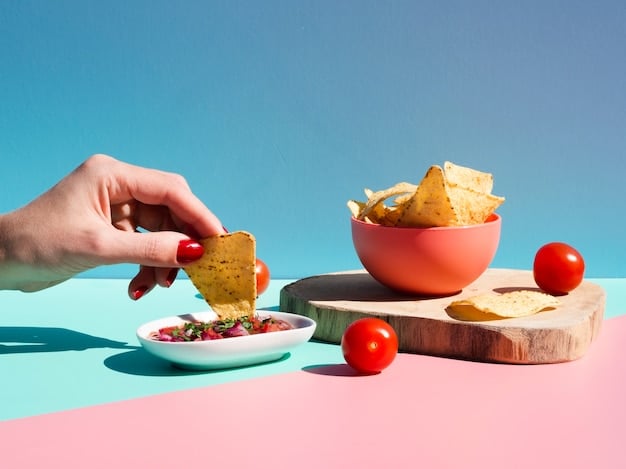

A free appetizer is the cheapest gift in the building that still feels like a real gift. A $9 starter at 28% food cost costs you about $2.52 in product. The guest receives something they would have paid $9 for. No other giveaway on your menu has that spread between perceived value and actual cost, which is why the offer shows up on nearly every chain’s loyalty sign-up screen.
It also loses money faster than almost anything else you can run, for one reason: the giveaway is free to the guest who was already ordering. Unattached, a free appetizer is a discount handed to your existing traffic. Attached to a minimum spend or a qualifying purchase, it is a lever on check size. The structure is the whole difference, and it takes about ten minutes of arithmetic to get right.
This is the item-level cost case. The decision about whether to run a rewards program at all, and which structure fits your visit frequency, sits in the wider guide to restaurant loyalty programs and repeat business. And if you are comparing giveaways by margin, the other strong candidate is a drink from the rail, which is covered in what well drinks cost and why they protect your margins.
Lower your delivery costs by 23%
How we reduce costs:
- No delivery vehicle expenses
- Optimized local routes
- Pay-per-delivery model
- Average 23% delivery cost reduction
The Bottom Line
- A free appetizer costs you food cost, not menu price. Budget $2 to $4 per redemption and ignore the $9 on the menu.
- Never run the offer unattached. A qualifying purchase or a minimum spend is what turns it from a discount into a check-size lever.
- The break-even is about incremental orders, not total redemptions. If three out of four redemptions would have happened anyway, the offer has to pull real new traffic to survive.
- Promotional traffic fades. An AlixPartners review of national promotions found most lifts were temporary and modest, so plan the offer as a sign-up or off-peak tool rather than a demand engine.
- Pick an appetizer the kitchen can produce at speed with existing stations and ingredients. A giveaway that adds a prep task adds labor cost you did not price.
What a free appetizer actually costs
Three costs, in order of size.
Product. Most starters run a lower food cost percentage than entrées because they lean on dough, dairy, fried items and vegetables rather than premium protein. With industry food cost generally in the 28% to 35% band and full-service clustered in the low thirties (KitchenSync, retrieved 2026-11-13), a $9 appetizer is realistically $2.25 to $3.15 in product.
Labor. This is the cost operators skip. An appetizer that comes off the fry station during service is close to free in labor terms. One that needs a separate plate-up, a garnish station or a cook pulled off the line during a rush costs real minutes, and at volume those minutes are the difference between a promotion that works and one that slows your ticket times.
Packaging, for anything leaving the building. A container, a lid and a label is $0.30 to $0.80 on an item you are already giving away, and it pushes a $2.52 product cost toward $3.30.
So the planning number for a free appetizer is $2 to $4 all-in, per redemption. Multiply by the redemptions you expect and that is your promotional budget. If that figure makes you flinch, the problem is not the appetizer. It is that you were about to run the offer without a minimum.
Why appetizer promotions lift the check, and when they don’t
The mechanism is simple. A guest who sets out to spend $30 and is told that $35 earns a free starter will usually find the extra $5, because the reward is worth more than the spend that unlocks it. You bought $5 of revenue for $2.52 of product, and the $5 arrived at a much better margin than the average item on your menu.
That only works when the offer has a gate. Without one, the same promotion goes to every table that walks in, including the ones already ordering two entrées and a bottle of wine, and the entire cost lands on your margin with nothing bought in return.
The demand side deserves honesty too. An AlixPartners analysis of more than 50 national restaurant promotions found that 60% produced a temporary traffic increase, typically around five percentage points above baseline, with traffic generally settling back once the offer ended (The Restaurant HQ, retrieved 2026-11-13). Discount appetite among guests is high right now: in the National Restaurant Association’s September 2026 consumer survey, 40% of consumers said they were using discounts and value promotions more often than usual, up from 35% the previous quarter. Appetite for a deal is not the same as new demand.
Read together, those two findings point to the same conclusion: treat restaurant appetizer promotions as a conversion tool at a specific moment, not as a traffic strategy. The moments where they pay are sign-ups, off-peak hours, and lifting a check that was already in progress.
The break-even math on an appetizer giveaway
Here is the arithmetic on a $35 minimum-spend offer, with a $9 appetizer at 28% food cost and a 70% gross margin on incremental food sales.
| Line | Amount |
|---|---|
| Cost of the free appetizer (product + packaging) | $3.00 |
| Incremental spend needed to clear the minimum | $5.00 |
| Gross margin on that incremental $5 | $3.50 |
| Net result when the guest spends up to the minimum | +$0.50 |
| Net result when the guest was already over the minimum | -$3.00 |
That table is the entire decision. The offer is marginally positive on the guests it moves and straightforwardly negative on the guests it does not. So the mix is what matters: if fewer than roughly one in seven redemptions comes from a guest who spent more to qualify, the promotion is underwater.
Which is why the minimum has to sit above your average check, not at it. Set the gate at your average ticket and you are paying a $3 reward to people who were going to hit it anyway. The same logic appears in the illustrative break-even published alongside the AlixPartners figures, which concluded that a typical discounted order needs roughly three new orders for every four existing orders converted to the discount before it washes its face.
How to set the minimum spend on an appetizer promotion
- Pull your average check for the daypart you are promoting, not the whole week. Lunch and late-night have very different tickets.
- Set the minimum 15% to 25% above that average. On a $30 lunch average, a $35 gate asks for a real behavior change without feeling out of reach.
- Exclude the appetizer category from the qualifying total. Otherwise guests order a paid starter to earn a free one, and you have discounted the category against itself.
- Cap it per visit and per guest. One per table, once per visit, and for loyalty rewards, once per enrollment.
- Put an end date on it. An offer with no expiry becomes a menu price, and you will never get it back.
- Name the item rather than the category. “Free wings with $35” is a known cost. “Free appetizer with $35” invites guests to choose your most expensive starter, which is exactly what they will do.
Where a free appetizer offer belongs
Four placements earn their cost. Everything else is a discount with extra steps.
- As a loyalty sign-up reward. This is the strongest use, and the one the chains have converged on. Technomic’s consumer research found 73% of guests named a free item after a set number of purchases as the loyalty feature they find most appealing, ahead of birthday food at 70% and a standing per-purchase discount at 69% (LS Retail, retrieved 2026-11-13). A starter is the natural fit: valuable enough to be worth an email address, cheap enough to give to everyone who hands one over.
- At off-peak hours. A free starter between 2pm and 5pm on a Tuesday is filling capacity you have already paid for. The same offer at 7:30pm on a Friday is pure margin loss on a table you would have sold anyway.
- As a win-back for a lapsed guest. Targeted at people who have not ordered in 60 or 90 days, it is one of the few promotions where almost every redemption is incremental by definition.
- As a cross-promotion with a nearby business. Show a receipt from the shop next door, get a starter with your entrée. New traffic, and the cost is shared in spirit if not in cash.
Which appetizers to give away
Pick for margin and for speed, in that order.
- Dough, dairy and fried items are the classic giveaways: flatbreads, chips and dip, wings on the small size, breadsticks. Low ingredient cost, existing stations, fast out.
- Anything with a premium protein is the wrong choice. A shrimp or crab starter can carry a food cost close to an entrée’s and will wipe out the spread you are relying on.
- Shareables beat single-serve for the simple reason that a plate in the middle of the table extends the visit, and a longer visit sells another round.
- Avoid the item that is already your bottleneck. If the fry station backs up at 7pm, do not put a fried giveaway on a Friday-night offer. The hidden cost is every other ticket in the window.
Appetizer promotions on takeout and delivery orders
Off-premises is where most restaurant traffic now lives. The National Restaurant Association’s 2026 State of the Industry report puts roughly three-quarters of restaurant traffic off-premises across takeout, delivery and drive-thru, with 58% of limited-service and 41% of full-service operators taking a larger share of sales off-premises than they did in 2019 (National Restaurant Association, retrieved 2026-11-13). Any offer you build for the dining room needs a second version for the bag.
Three adjustments:
- Choose an item that travels. Anything fried and sauced arrives soft. Chips and salsa, a cold dip, a dough item or a cookie survive the trip; tempura does not.
- Raise the minimum. Delivery orders already carry packaging and, on a marketplace, commission. The gate that worked in the dining room is too low in the bag.
- Run it on direct orders where you can. On your own ordering channel the offer also buys you the customer record, which is the thing that makes a second order possible. On a marketplace you are paying for a reward and a commission at the same time.
What to measure after launch
- Redemption rate against the number of eligible checks, which tells you if the offer is visible at all.
- Average check on redeeming tables versus your baseline for that daypart. This is the number that proves or kills the offer.
- Incremental share. The percentage of redemptions on checks that cleared the minimum only because of the offer. Estimate it from how many redeeming checks land in the $35 to $40 band.
- Ticket time during promotional hours. If the kitchen slows, the cost is showing up somewhere other than food cost.
When a free appetizer promotion loses money
- No minimum spend. The single most common mistake, and the most expensive.
- The gate sits at or below the average check. You are rewarding guests for behavior you already had.
- The offer runs during peak hours. Giving away margin on the covers you were guaranteed to sell.
- The category is open rather than the item named. Guests optimize, and your $2.52 assumption becomes $4.50.
- It never ends. A promotion that runs for a year is not a promotion, it is your new menu price, and guests will treat the old one as a markup.
Frequently asked questions
Do free appetizers increase sales?
They increase the size of the check when they are gated behind a minimum spend or a qualifying purchase, because the reward is worth more to the guest than the extra spend needed to unlock it. Run ungated, they mostly reduce margin on traffic you already had.
What should a free appetizer promotion cost per use?
Plan on $2 to $4 per redemption, covering product and packaging on a starter with a $9 to $12 menu price. Price it in food cost, never in menu price, and add labor if the item needs a cook pulled off the line.
What minimum spend should I attach to a free appetizer?
Set it 15% to 25% above the average check for the daypart you are running the offer in, exclude appetizers from the qualifying total, and cap the reward at one per visit.
Is a free appetizer a good loyalty sign-up reward?
It is one of the best available. Guest research consistently ranks a free item ahead of a standing discount, and a starter is valuable enough to be worth an email address while costing you only a couple of dollars in product.
How long should an appetizer promotion run?
Long enough to read the data and short enough that guests do not price it in. Four to six weeks is a reasonable window for an off-peak offer; sign-up rewards are permanent by design because each guest only redeems one.