"I had so much stress around the delivery, and now that's totally removed."
Introducing Livite !
The business
Who is Livite, and how did the business grow?
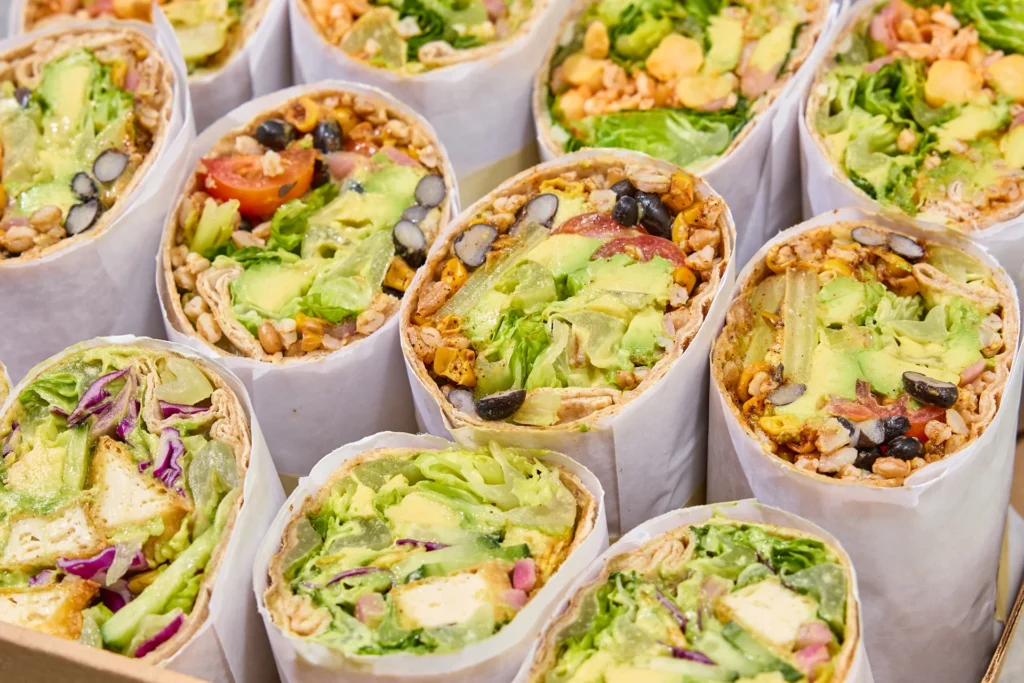
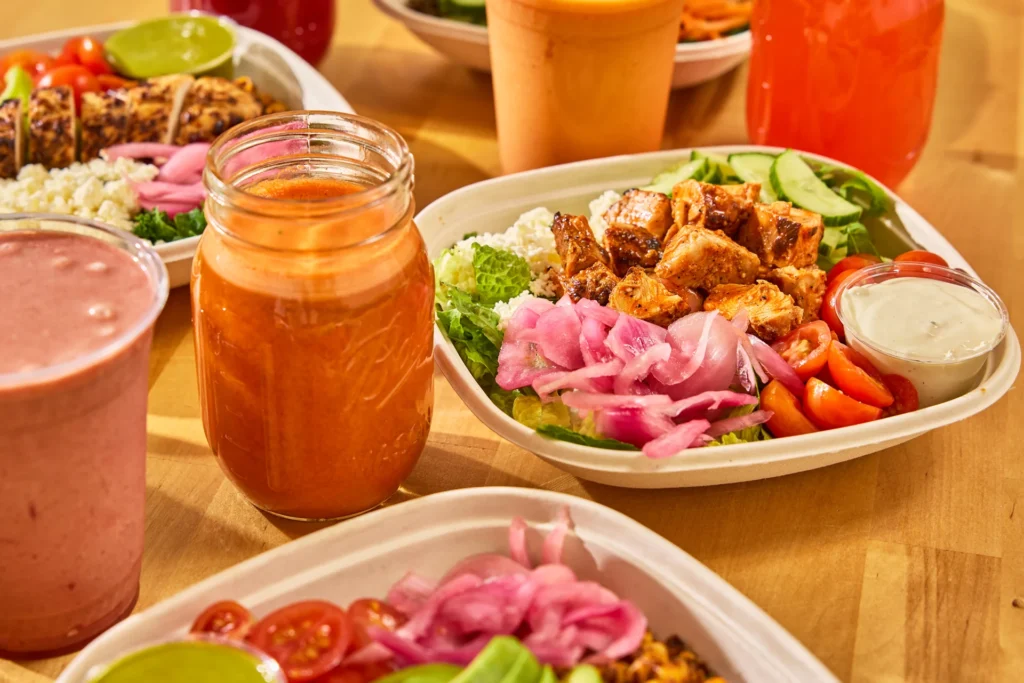
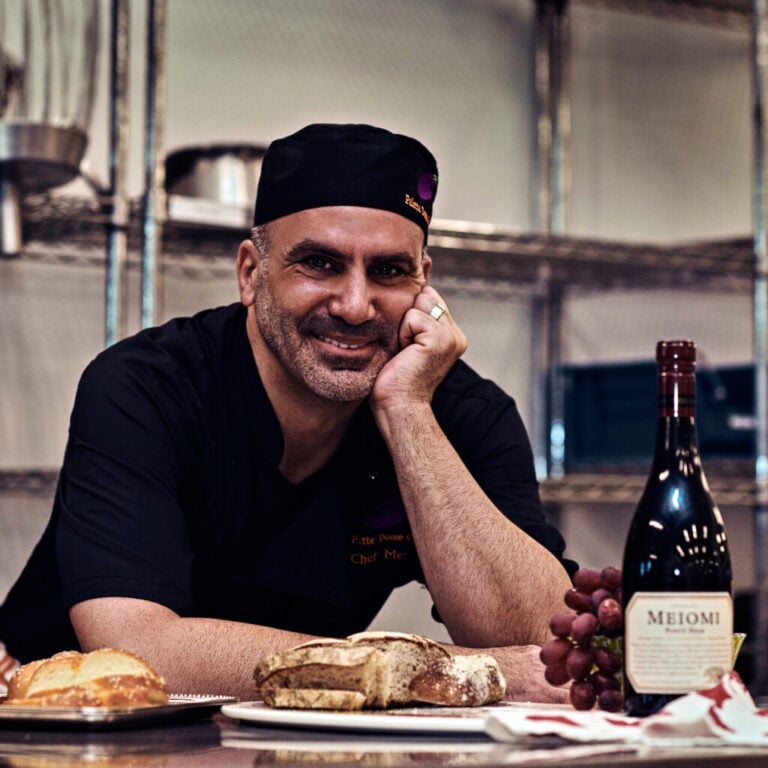
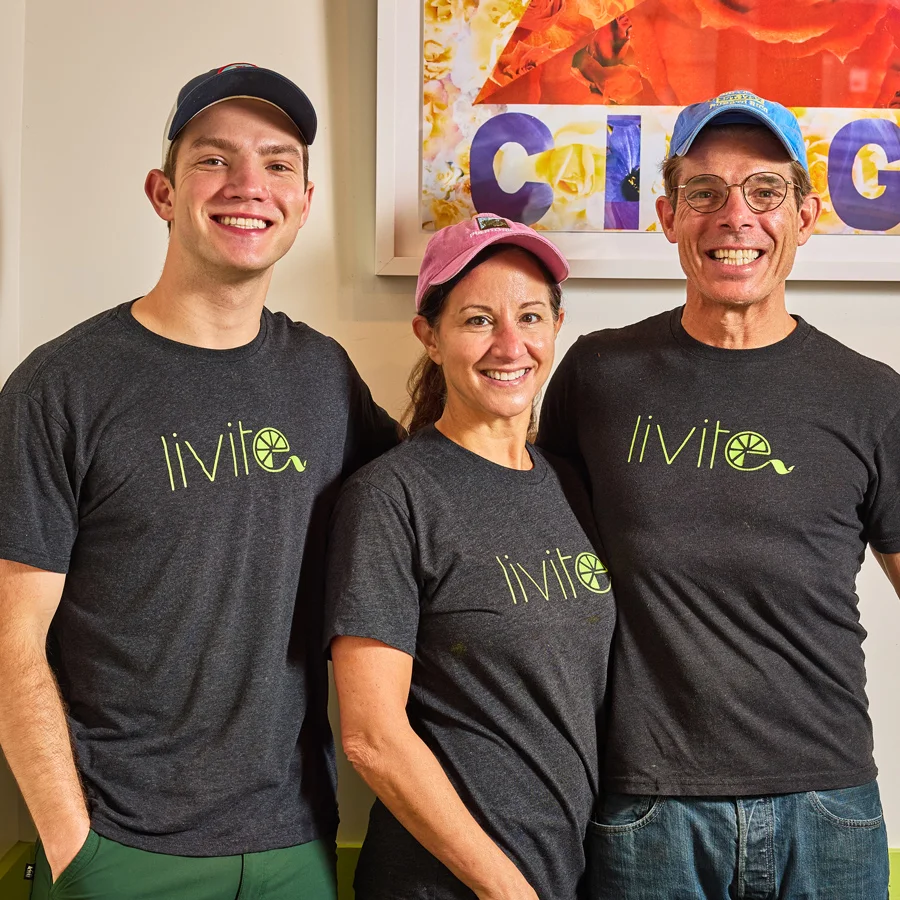
Livite is a restaurant in Brookline, now in its ninth year. It started as a juicery run by two founders and lost money for six months before Anthony’s parents took it over — his father from a hospitality career, his mother from dietetics. From there, Livite grew slowly and steadily rather than through any single breakout moment.
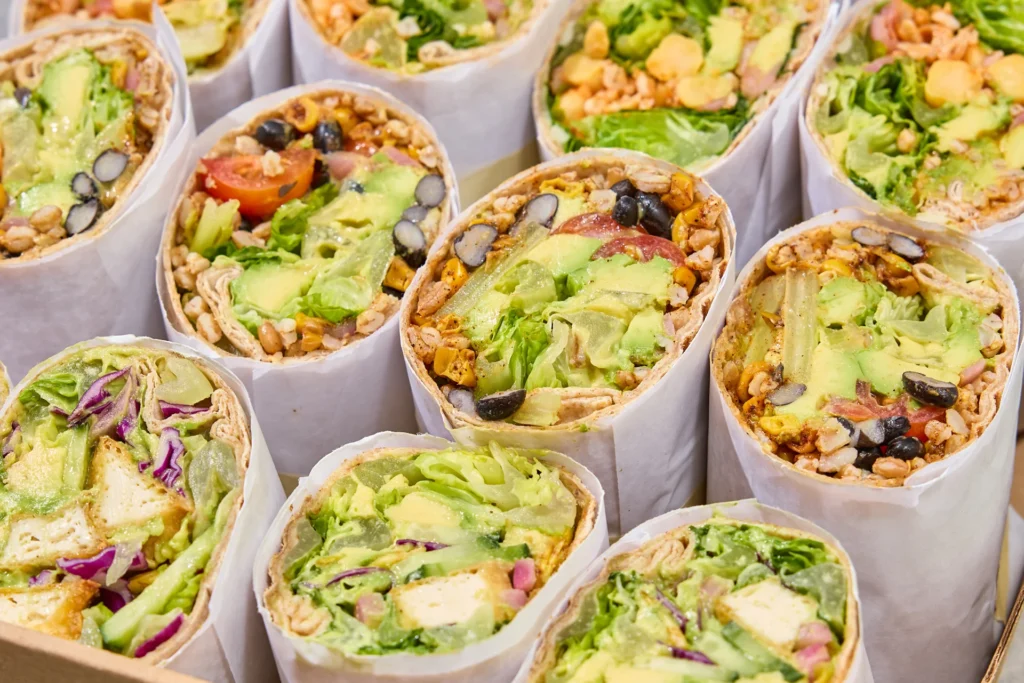
Anthony, the current owner, joined Livite full-time about five years ago after a short stint in an office job. Since then, the same single storefront has grown to roughly five times the revenue it did when he started — with no second location and no major expansion, just steady compounding. Livite’s catering program, where Metrobi comes in, is newer still: it didn’t exist in any real form until about a year and a half ago, and remains a deliberately small share of Livite’s overall revenue while the business works toward opening a second store.
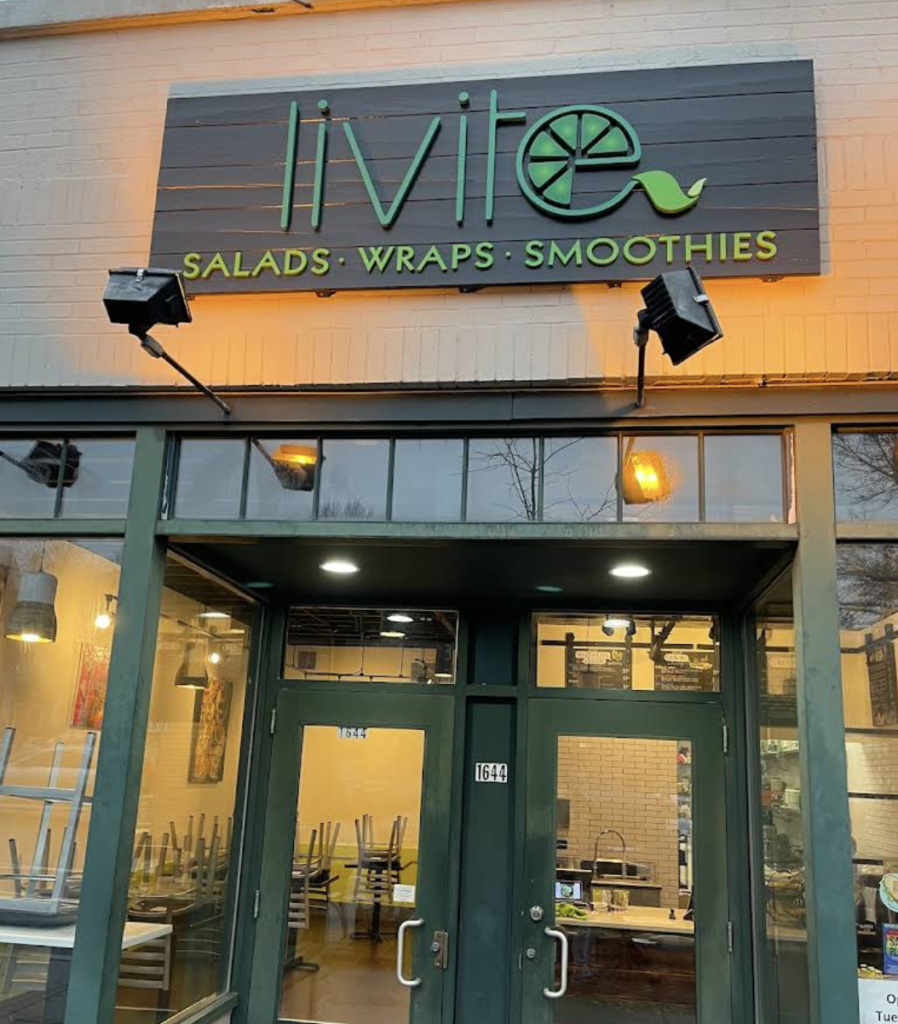
📍1644 Beacon St, Brookline, MA
Livite at a glance
Details
Livite
Challenge
Livite needed a more reliable catering delivery partner after DoorDash, Uber Eats, and a single self-managed driver led to missed pickups, poor communication, and no way to know an order had failed until the customer called.
Solution
With Metrobi, Livite gained a vetted pool of drivers, live tracking, and an API-connected workflow — letting Anthony book a driver in about 30 seconds.
Result
Catering revenue grew roughly 5x in 18 months, reaching about $20,000/month, while delivery complaints dropped to near zero and Anthony no longer needs to track deliveries himself. Over Livite’s five months with Metrobi, the platform has completed 230 dropoffs across 115 routes, with a 100% completion rate and zero returns.
The Challenge
How was Livite handling catering deliveries before Metrobi?
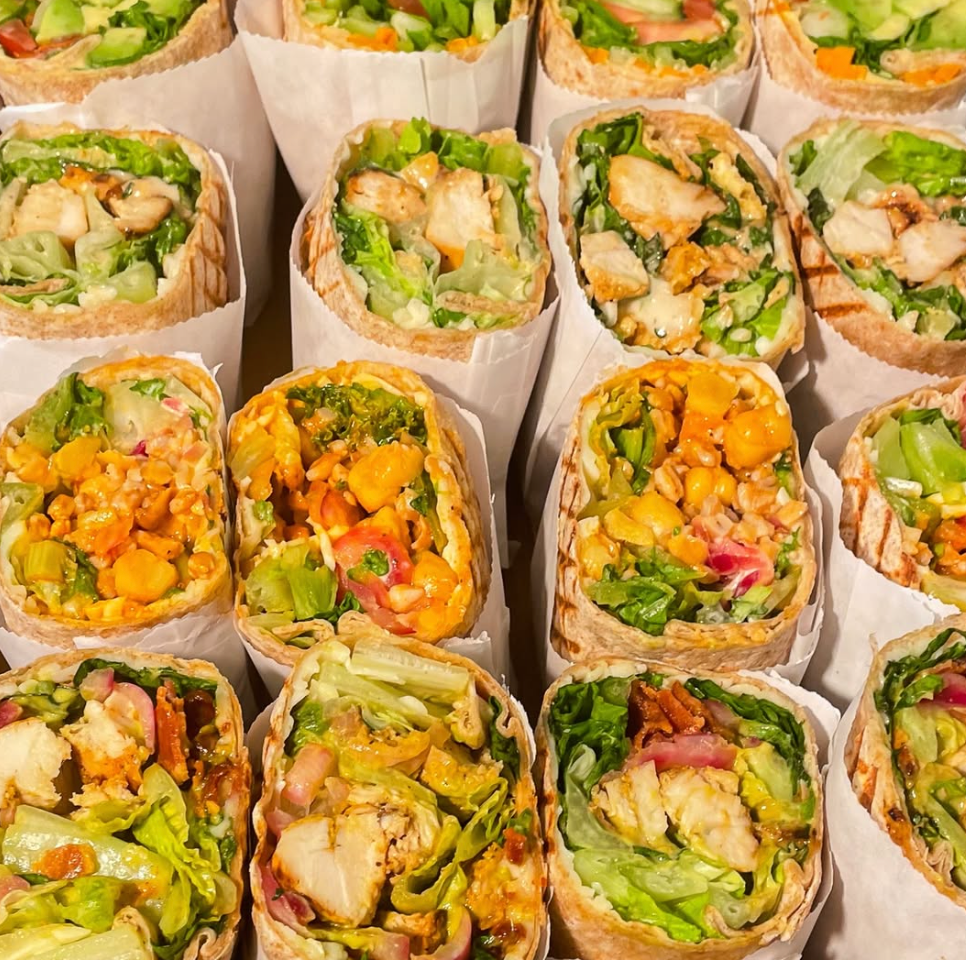
Livite’s catering orders most often went wrong at the delivery step: drivers on DoorDash and Uber Eats would pick up other orders mid-route, skip contacting the customer, or drop food at the wrong office — leaving Anthony fielding calls from clients asking where their lunch was, fifteen minutes before a meeting.
Before that, Livite ran catering through marketplaces like EasyCater and Forkable, which took a 20% cut of every order and wouldn’t let Livite adjust its own prices — a hard trade-off on a restaurant’s already thin margins.
Livite’s next attempt was a single trusted driver, coordinated by text and a shared Google Sheet. It worked at first, but it didn’t scale: there was no backup if that driver was unavailable, no real tracking, and no way for Livite to know an order had fallen through until the customer called the store directly.
The solution
Why did Livite choose Metrobi over other delivery options?
Unlike DoorDash or Uber Eats, where Livite had no say over which driver showed up, Metrobi gives Livite a vetted pool of drivers and live tracking on every order — so a canceled driver gets replaced before it becomes the customer’s problem, not after.
Anthony built an automated workflow around the Metrobi API: once an order is approved, the workflow calls Metrobi directly to search for a driver and book the delivery — turning what used to take manual coordination into seconds of hands-on time.
Upload the order
Anthony enters the route details into his workflow.
Auto-drafted & matched
Details land in Notion, and a driver from Metrobi's network is requested.
Approve & adjust
Anthony reviews and fine-tunes — usually the system gets the order 90–100% of the way there on its own.
Team visibility
Managers see driver ETAs directly, so no one is asking "is he here yet?" during a lunch rush.
The results
What results has Livite seen since switching to Metrobi?
Livite’s catering revenue grew from roughly $2,000–$5,000 a month in the program’s early days to around $20,000 a month now — a 5x increase over the catering program’s 18-month life, with Metrobi handling deliveries for the most recent 5 months. Even with a single storefront that caps how much volume the kitchen can take on, the growth has continued to hold.
In their words
How would you describe Metrobi with your own words?
“It's a very reliable delivery system with very reliable drivers — easy to use, and I don't have to think about it anymore.”
On no longer watching the tracker
“I used to watch every delivery live. Now I have so much trust that I barely check until later.”
On tips reaching the kitchen
“We had a $200 tip on a big order — I gave the driver $66 and we're able to get more of the rest back to the staff who made it.”
On driver quality
"They seem extremely well vetted"
On complaints dropping off
“Mistakes have dropped way down and are very minimal now — there's real accountability for these drivers.”

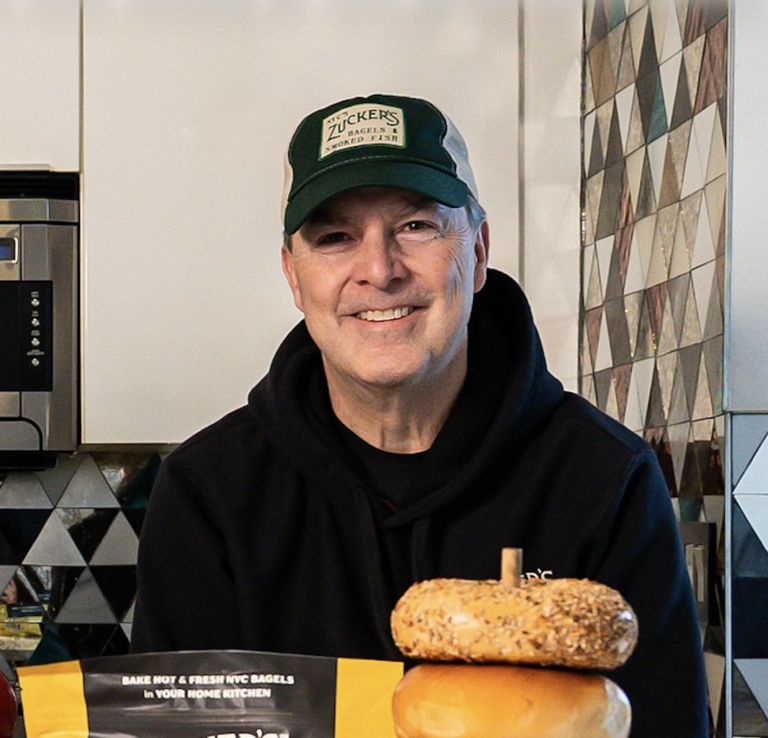
Anthony Nagle is part of the second generation of the family behind Livite, working alongside his parents to operate the restaurant.