
Here is how to start coffee shop delivery in the order that actually works: pick one channel, cut your menu down to drinks that travel, price those drinks for the channel, and only then turn it on, during your slowest hours rather than your busiest. Shops that skip the pricing step and switch on a marketplace during the 8am rush are the ones that quit delivery three months later and blame the apps.
The demand is real. In the National Coffee Association’s Fall 2026 National Coffee Data Trends survey, 40% of people who bought coffee away from home in the past week ordered through an app, a record, up from 36% a year earlier, and 38% of past-day coffee drinkers had a coffee outside the home, the highest reading since January 2020 (Daily Coffee News, September 15, 2026; survey fielded June 8-24, 2026 by Dig Insights, 1,882 US adults).
So the orders exist. What decides whether delivery helps or hurts is arithmetic and workflow, and this post covers both: what the apps charge in 2026, how to price against it, what to pack drinks in, and how to keep a delivery ticket from stalling the queue at the counter. The depth on individual pieces lives in the cluster: the coffee shop POS systems that put delivery tickets in the same queue as counter orders, the coffee shop equipment checklist that covers cups, lids and carriers, and the coffee shop manager who will own this once it runs.
The Bottom Line
- Marketplace delivery commissions run 15% to 30% of the order in 2026. Uber Eats raised its entry tier from 15% to 20% in March 2026.
- Price the delivery menu separately. A 15% to 20% channel markup is standard practice and legal on every major platform as long as you don’t claim prices match in-store.
- Self-delivery rates (your order, your driver) are roughly half the marketplace rate, which is why most shops that stay with delivery end up there.
- Launch in your slow hours. Delivery that competes with the morning rush loses, and the rush is worth more per labor minute.
- Iced and bottled drinks travel. Cappuccinos don’t. Your delivery menu should be shorter than your counter menu on purpose.
Lower your delivery costs by 23%
How we reduce costs:
- No delivery vehicle expenses
- Optimized local routes
- Pay-per-delivery model
- Average 23% delivery cost reduction
Is coffee shop delivery worth it for a small cafe?
It is worth it when the order is big enough to carry the commission, and it isn’t when the order is one $5 latte. That is the whole test, and you can run it before you sign anything.
Take a $5.75 latte on a 25% marketplace plan. The platform takes $1.44 before you’ve paid for the cup, the lid, the milk or the two minutes of barista time. On a four-drink, $23 order with a pastry, the same 25% costs $5.75, but you made it in one pull of the ticket, with one cup carrier, and the labor per dollar collapses. Nothing about the commission changed. The basket did.
This is why delivery minimums and basket-building matter more than commission negotiation for a small shop. You cannot talk a platform down from 25% in your first month. You can refuse to send a single drink out the door.
What delivery apps charge coffee shops in 2026
Three platforms cover most of the US market, and all three price the same way: a tiered commission on delivery orders, a much lower rate on pickup, and a reduced rate if you use your own driver.
| Platform | Entry tier | Mid tier | Top tier | Pickup | Self-delivery |
|---|---|---|---|---|---|
| Uber Eats | Lite: 20% | Plus: 25% (30% on Uber One orders) | Premium: 30% | 7% with validated in-store pricing, 10% without | 15% |
| DoorDash | Basic: 15% | Plus: 25% | Premier: 30% | 6% for compliant US orders | Varies by plan |
| Grubhub | Basic: 5% marketing | Plus: 15% marketing | All-Access: 20% marketing | No added commission | 10% delivery fee if Grubhub drives |
Rates as reported by Food On Demand, April 1, 2026.
Two details in that table matter more than the headline numbers.
First, the entry tier moved. Uber Eats raised Lite from 15% to 20% in March 2026, lifted pickup from 6% to 7% for merchants with validated in-store pricing, and started charging 30% on orders from Uber One members on the Plus plan (Restaurant Dive, March 10, 2026). If you budgeted delivery on 2024 rates, rebuild the spreadsheet.
Second, pickup is cheap. A 6% or 7% pickup commission against a 25% delivery commission means the same app, used as an order-ahead channel instead of a delivery channel, is a completely different business for you. Plenty of cafes run marketplace pickup only for a year before they ever hand a cup to a courier.
In-house delivery vs third-party apps for coffee shops
Marketplaces sell you demand. Self-delivery sells you margin. Most shops need the first to discover the second.
A marketplace puts your shop in front of people who have never walked past it, and it costs 20% to 30% of every order for that privilege. Your own delivery (your website, your phone, your regulars’ standing Friday order for the office upstairs) costs you a driver and a route, and the platforms charge roughly 15% when they only handle the order and you handle the drop.
The practical sequence for a single-location shop looks like this:
- Start on one marketplace, pickup-only or delivery with a minimum, to learn what people order away from the counter and when.
- Add your own ordering channel once you can name your three repeat delivery customers. Office standing orders and catering drops are where the money is, and they rarely arrive through an app.
- Move the predictable volume off the marketplace. Recurring B2B drops, like the 7:30am carafe order for a law office or the 40-cup meeting run, are route work rather than app work.
That last tier is the one coffee shops underestimate. A recurring multi-stop route of office orders is a different operation from a stream of one-off home deliveries: same drivers week to week, a fixed window, predictable volume. Metrobi’s route planner and preferred-driver lists are built for exactly that pattern, and across its driver network Metrobi holds a 4.97/5 average driver rating and a 93% on-time score, with 24/7 support on every delivery. Shops running recurring drops like these usually do it through a coffee delivery service rather than hiring a driver for a few hours a week.
Building a coffee shop delivery menu that travels
Your delivery menu should be a subset of your counter menu, chosen by what survives twenty minutes in a bag.
What travels well:
- Iced coffee, cold brew and iced tea. Dilution is the only enemy, and that’s solvable with less ice and a fuller pour.
- Bottled and canned drinks, including anything you batch and bottle yourself.
- Drip coffee by the carafe or the box. The best-margin delivery product most cafes own and the one they forget to list.
- Whole bean retail bags. Zero quality risk, no prep time, and they ride along with a drink order for free.
- Pastries, cookies and anything laminated. Sturdy, high-margin, basket-building.
What doesn’t:
- Cappuccinos and anything whose foam is the product. It collapses, and the customer blames you, not the courier.
- Latte art. It does not exist by the time the bag opens. Stop paying for it on delivery tickets.
- Avocado toast, soft-serve, anything plated. If it needs a fork and a flat surface, it needs a table.
Cutting the menu is also how you protect the counter experience. A shorter delivery list means fewer ticket types your baristas have to think about mid-rush, which is the same reason your coffee shop design separates the pickup handoff from the ordering queue once off-premise volume climbs.
Pricing delivery orders to protect your margin
Set delivery prices 15% to 20% above counter prices and stop apologizing for it. Every major platform permits channel-specific pricing; what they restrict is claiming your prices match in-store when they don’t, which is why Uber Eats and DoorDash both tie their lowest pickup rates to validated in-store price parity.
A workable structure for a shop adding delivery this quarter:
- Delivery menu markup: 15% to 20%. This covers most of the commission, and delivery customers are paying for convenience, not for your cheapest price.
- Minimum order: $12 to $15. High enough to exclude the single-latte order that loses money, low enough that two drinks and a pastry clear it.
- Keep pickup at counter prices. The pickup commission is 6% or 7%, you have no packaging-plus-courier cost, and price parity unlocks the lower rate.
- Charge for the carrier on large orders. Carafes, cup carriers and catering boxes are real costs. Line-item them.
Run this math monthly against your actual tickets rather than annually against a projection. Delivery margins move when the platforms reprice, and in 2026 they repriced.
Keeping delivery orders from slowing the bar
Delivery rarely fails on coffee quality. It fails when a barista is stuck at a tablet instead of a steam wand while four people wait to order.
Four fixes, in order of how much they help:
- One queue. Delivery tickets should print where counter tickets print. If a staff member has to watch a separate tablet, the tablet will get ignored during the rush and the order will go out cold. This is the single biggest thing to ask about when you compare point-of-sale options.
- A handoff shelf by the door. Couriers arriving at the counter is what turns a two-minute pickup into a six-minute pickup. Give them a labeled shelf and a sightline, and keep them out of the ordering queue.
- Delivery hours that avoid your peak. Turn delivery off from 7:30 to 9:30am if that’s your rush. You are not obliged to be open on every channel at once, and the apps let you set channel hours.
- One person owning it. Somebody has to check the tablet, update the menu when the oat milk runs out, and pause the channel when the espresso machine goes down. That is a manager’s job, and it should be written into the role before you start, one more line on the list of what it takes to operate a coffee shop day to day.
Setting a delivery radius and hours you can actually serve
Start smaller than you think. A 1.5 to 2 mile radius keeps a hot drink inside the window where it still tastes like what the customer ordered, and keeps a courier’s round trip short enough that your 8am orders don’t arrive at 8:40.
Three constraints set the radius:
- Drive time, not distance. Two miles across a bridge at 8am is not two miles. Use time-of-day drive estimates, not a circle on a map.
- Temperature. The FDA Food Code sets 135°F as the minimum hot-holding temperature for time- and temperature-controlled food, and your milk-based drinks and food items fall under those rules (FDA Food Code). An insulated bag buys you time; it doesn’t buy unlimited time.
- Your own capacity. If one courier can cover 2 miles in 15 minutes and you get four orders in that window, your radius is already too big.
You can widen it later. Expanding a radius is painless. Contracting one after customers have gotten used to you is how you generate one-star reviews.
Packing coffee so it arrives hot and upright
Packaging is where new delivery programs lose their reviews. The gear is cheap and the rules are simple:
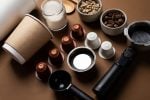
- Double-walled hot cups, which hold temperature and remove the sleeve step.
- Lids with a sealed or plugged sip hole, not the open-mouth lids you hand across the counter.
- Headspace in the cup. Leave half an inch under the rim so the lid seats without pushing liquid out.
- Cup carriers for anything over two drinks, and an insulated, foil-lined bag that keeps cups upright.
- A sealed cold cup with a separate ice cup for iced drinks going more than ten minutes, if you want them to taste right on arrival.
The full consumables list, covering cups, lids, carriers, sleeves and what each costs by the case, sits in the equipment checklist linked above, alongside the machines. One note on the beans themselves: delivery widens the number of people who taste your coffee without ever meeting you, so the sourcing story on your bags starts doing more work. That’s covered in why ethically sourced coffee matters to customers.
The first 90 days of coffee shop delivery
Treat the launch as a test with numbers attached, not a permanent new channel.
Days 1-30: one channel, one time block. Delivery on your slowest two-hour window, minimum order set, menu trimmed. Watch average ticket, prep time per delivery order, and how many counter customers wait more than three minutes.
Days 31-60: fix the workflow, not the menu. Most first-month complaints are about timing and temperature, both of which are packing and queue problems. Add the handoff shelf. Move delivery tickets into the main queue. Then widen the hours by two hours, not ten.
Days 61-90: find the repeat business. Pull your delivery orders and look for the same address twice. Offices, salons, dental practices, co-working floors. Call them. A standing weekly order at your own prices is worth more than thirty app orders, and it’s the thing that justifies your own driver or a route-based delivery partner. This is also the point to tell people the channel exists. The tactics for that sit with the rest of your coffee shop marketing strategies, because a delivery menu nobody knows about generates nothing.
Four numbers decide whether delivery stays on after 90 days: average delivery ticket, commission paid as a share of delivery revenue, minutes of barista time per delivery order, and repeat-address count. If the ticket is under $12 and nobody orders twice, the problem isn’t the apps.
Frequently asked questions
Can a small coffee shop make money on delivery apps?
Yes, when the average ticket is big enough to absorb a 20% to 30% commission. That usually means a $12 to $15 minimum, a delivery menu priced 15% to 20% above counter prices, and drinks bundled with pastries or retail bags. A shop sending out single lattes at counter prices is subsidizing each order.
Should I use DoorDash, Uber Eats, or my own delivery?
Start with one marketplace to find out whether off-premise demand exists near you, then move the repeat volume to your own ordering channel where you keep the full ticket. Self-delivery rates run about 15% versus 20% to 30% for marketplace delivery, so the platforms themselves price this decision for you.
What drinks should I not offer for delivery?
Anything built on foam or presentation: cappuccinos, flat whites, latte art, and plated food. Iced drinks, cold brew, bottled beverages, carafes, pastries and whole bean bags all hold up fine for twenty minutes in a bag.
How far should a coffee shop deliver?
One and a half to two miles is a sensible start, measured in drive time at the hour you’ll actually be delivering. Widen it once your prep and handoff are consistent and you know how long a round trip really takes.
Do I need a separate POS for delivery orders?
No, but you do need delivery tickets landing in the same queue as counter tickets. Systems that pull app orders into the main ticket flow remove the tablet-watching problem that slows the bar; that integration is the main thing to compare when you shop for a system.
What to do this week
Pick one platform and one two-hour window. Write a delivery menu of eight to twelve items that travel. Price them 15% to 20% above the counter, set a $12 minimum, and buy sealed lids and two cup carriers before you switch anything on. Then put one person’s name next to the channel.
Delivery doesn’t have to compete with your morning rush. Built in this order, it fills the hours when your bar is quiet and your machine is already warm, which is where the margin was sitting all along.